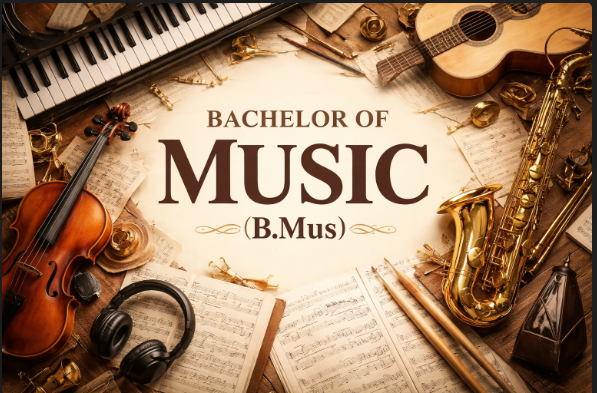
The Bachelor of Music (B.Mus) is a specialized undergraduate degree program designed for students who want to build a professional career in music. This course focuses on developing both practical performance skills and theoretical understanding of music, allowing students to explore creative and technical aspects of the field.
Music education has evolved significantly in recent years. With the expansion of digital streaming platforms, film production, independent music labels, and online learning platforms, trained musicians are now required in multiple industries. A Bachelor of Music degree helps students build a strong foundation in vocal training, instrumental performance, music composition, sound production, and music history.
This detailed guide explains the Bachelor of Music course in India, including eligibility criteria, admission process, syllabus, top colleges, fees, career options, salary structure, and future scope.
What is Bachelor of Music (B.Mus)?
The Bachelor of Music (B.Mus) is an undergraduate academic program that focuses on the scientific, cultural, and artistic study of music. The course teaches students how music is created, performed, recorded, and analyzed.
The program combines classroom learning with practical training. Students spend significant time practicing their chosen specialization, such as vocal music or instrumental music, along with studying music theory and composition.
Key Learning Areas in Bachelor of Music
Understanding musical notes, scales, and rhythms
Vocal or instrumental training
Music composition techniques
Music production and recording
Study of classical and modern music traditions
Students also learn how music connects with culture, history, and technology. This combination of theory and practice prepares students for both creative and professional roles.
Bachelor of Music Course Highlights
The Bachelor of Music course structure varies across universities, but the core framework remains similar.
Particulars
Details
Course Name
Bachelor of Music (B.Mus)
Course Level
Undergraduate
Course Duration
3 to 4 Years
Eligibility
10+2 or equivalent
Admission Process
Merit-based / Entrance-based / Audition
Average Fees
₹20,000 – ₹2,00,000
Average Starting Salary
₹2 LPA – ₹6 LPA
Career Areas
Film, Media, Education, Music Production, Live Performance
The course is ideal for students who want to convert their passion for music into a professional career.
Why Study Bachelor of Music?
The music industry has expanded beyond traditional live performances. Today, musicians work in areas such as digital streaming, film scoring, advertisement music production, and online content creation.
Growing Demand in the Music Industry
Digital platforms have created new opportunities for musicians. Independent artists can release their work globally, while production houses require trained professionals for sound recording and background music.
Creative Career Opportunities
Bachelor of Music graduates can explore multiple creative roles, including:
Singer or performer
Music composer
Music arranger
Sound engineer
Music teacher
Skill Development
The course helps students develop:
Creativity and artistic expression
Discipline through regular practice
Stage confidence
Technical understanding of sound and recording
Students also gain opportunities to participate in live performances and competitions.
Bachelor of Music Course Duration
The Bachelor of Music course duration depends on the university and specialization structure.
Program Type
Duration
Details
General B.Mus
3 Years
Basic theory and performance training
B.Mus Honors
4 Years
Advanced specialization and research
Integrated Programs
4–5 Years
Combined undergraduate and postgraduate structure
The course is divided into semesters, and each semester includes both theory and practical examinations.
Practical training is a major component, and students are evaluated based on their performance skills.
Eligibility Criteria for Bachelor of Music
The eligibility criteria for Bachelor of Music are simple, but some universities require students to demonstrate musical talent.
Academic Requirements
Criteria
Details
Qualification
10+2 from recognized board
Minimum Marks
45%–50%
Stream Requirement
Any stream (Science, Commerce, Arts)
Music Knowledge
Preferred but not mandatory
Students who have formal or informal training in music may have an advantage during auditions.
Audition Requirement
Many institutions conduct:
Vocal performance tests
Instrumental performance tests
Rhythm and pitch recognition tests
These tests help evaluate the student’s musical ability.
Admission Process for Bachelor of Music
The Bachelor of Music admission process may differ between colleges, but generally follows a standard structure.
Step-by-Step Admission Process
Application Submission Students fill out the online or offline application form.
Academic Screening Universities check eligibility based on marks obtained in 10+2.
Music Audition or Entrance Test Some colleges conduct practical auditions to assess musical skills.
Personal Interview Students may be evaluated for their interest and understanding of music.
Final Selection and Fee Payment Selected candidates confirm admission by paying course fees.
Some universities also offer direct admission based on merit.
Bachelor of Music Syllabus
The Bachelor of Music syllabus is designed to provide balanced training in theory and performance.
Semester-wise Bachelor of Music Subjects
Semester
Subjects
Semester 1
Fundamentals of Music, Basic Vocal/Instrument Training
Semester 2
Rhythm Studies, Music Notation
Semester 3
Indian and Western Music Theory
Semester 4
Music History and Composition
Semester 5
Advanced Performance Techniques
Semester 6
Stage Performance and Final Project
Students also learn music recording and digital sound editing in some universities.
Core Subjects in Bachelor of Music
The core subjects focus on building technical and artistic knowledge.
Subject
Description
Music Theory
Study of notes, scales, and rhythm patterns
Music Composition
Techniques for creating original music
Vocal Training
Voice control and singing methods
Instrumental Training
Learning instruments such as piano, guitar, tabla
Music History
Evolution of music across cultures
Sound Engineering
Basics of recording and mixing audio
Practical training is conducted regularly to improve performance skills.
Specializations in Bachelor of Music
Students can choose specializations depending on their interests and career goals.
Specialization
Focus Area
Career Scope
Vocal Music
Classical or modern singing
Singer, Performer
Instrumental Music
Learning instruments
Instrumentalist
Music Composition
Songwriting and arrangement
Composer
Music Production
Recording and editing music
Music Producer
Musicology
Academic study of music
Researcher, Lecturer
Specialization helps students develop expertise in a particular area of music.
Top Colleges for Bachelor of Music
Several institutions offer Bachelor of Music programs with strong practical training and performance exposure.
College / University
Location
Admission Type
Banaras Hindu University
Varanasi
Entrance-based
Berklee College of Music
Boston
Audition-based
Juilliard School
New York
Audition-based
These institutions are known for strong music training and performance opportunities.
Students should check curriculum structure, facilities, and placement opportunities before applying.
Bachelor of Music Course Fees
The Bachelor of Music course fees vary depending on the institution and infrastructure.
College Type
Average Fees
Government Colleges
₹20,000 – ₹80,000
Private Colleges
₹80,000 – ₹2,00,000
International Colleges
₹10,00,000+
Fees may also include:
Instrument training costs
Studio usage charges
Performance event expenses
Scholarships may be available for talented students.
Skills Required for Bachelor of Music
To succeed in the music industry, students must develop technical and creative abilities.
Technical Skills
Understanding of musical scales and rhythm
Voice training or instrument control
Sound editing basics
Music composition techniques
Creative Skills
Improvisation ability
Creative thinking
Emotional expression through music
Soft Skills
Communication skills
Discipline and consistency
Stage confidence
Regular practice is essential for mastering musical skills.
Career Opportunities After Bachelor of Music
The career opportunities after Bachelor of Music are diverse and continue to expand with the growth of digital media.
Major Career Options
Job Role
Description
Singer
Perform in live shows, films, or albums
Music Composer
Create music for films or digital media
Music Teacher
Teach music in schools or institutes
Sound Engineer
Work in recording studios
Music Producer
Manage recording and production process
Graduates can work in:
Film industry
Television industry
Music production studios
Educational institutions
Digital content platforms
Freelancing is also a popular option.
Salary After Bachelor of Music
The salary after Bachelor of Music depends largely on talent, experience, and industry exposure.
Experience Level
Average Salary
Entry Level
₹2 – ₹4 LPA
Mid Level
₹4 – ₹8 LPA
Experienced
₹8 – ₹20 LPA+
Freelance musicians may earn through:
Live performances
Studio recordings
Online music platforms
Income increases significantly with popularity and experience.
Higher Studies Options After Bachelor of Music
Students interested in advanced training can pursue higher education.
Course
Benefits
Master of Music (M.Mus)
Advanced specialization
Diploma in Sound Engineering
Technical music skills
Certification in Music Production
Industry-oriented training
PhD in Music
Research and academic career
Higher studies help students develop deeper knowledge and professional expertise.
Future Scope of Bachelor of Music
The future scope of Bachelor of Music is expanding rapidly due to digital transformation in the music industry.
Emerging Opportunities
Independent music production
Background scoring for films and web series
Online music teaching platforms
Digital streaming platforms
The rise of social media platforms has also created opportunities for independent artists.
Technology has made global exposure easier for musicians.
Advantages of Pursuing Bachelor of Music
The Bachelor of Music program offers several benefits for creative students.
Opportunity to turn passion into profession
Flexible career paths
Global exposure opportunities
Continuous creative growth
Expanding entertainment industry demand
The course allows students to explore both artistic and technical aspects of music.
Challenges in the Music Career
Despite strong opportunities, students may face challenges in the music field.
High competition
Need for continuous practice
Irregular income at early stages
Requirement of networking and exposure
Success in music requires patience and dedication.
Tips to Build a Successful Career in Music
Students can improve career opportunities by following practical steps.
Regular Practice
Consistent practice improves performance quality and technical skills.
Build Portfolio
Record performances and upload them on digital platforms.
Learn Music Technology
Understanding sound editing and music production increases job opportunities.
Participate in Events
Stage performances help build confidence and exposure.
Networking
Collaborating with other artists helps in career growth.
Conclusion
The Bachelor of Music (B.Mus) is an excellent undergraduate program for students who want to build a professional career in music. The course provides structured training in performance, theory, and music technology, helping students develop strong creative and technical skills.
With the growth of digital platforms and entertainment industries, music professionals now have wider career opportunities than ever before. Students who combine talent, creativity, and consistent practice can build successful careers in the music industry.
FAQs
What is the duration of the Bachelor of Music course?
The Bachelor of Music course duration is usually three to four years depending on the university and specialization.
Who is eligible for Bachelor of Music?
Students who have completed 10+2 from a recognized board are eligible. Some universities also conduct music auditions.
Is Bachelor of Music a good career option?
Yes, Bachelor of Music offers strong career opportunities in music production, performance, teaching, and media industries.
What are the job opportunities after Bachelor of Music?
Graduates can work as singers, composers, music teachers, sound engineers, or music producers.
What is the average salary after Bachelor of Music?
The average starting salary ranges between ₹2 LPA and ₹6 LPA, depending on skills and experience.
Simran is currently working as a Senior Content Writer at Findmycollege , where she creates engaging and research-driven learning resources for students. She has completed her Graduation in Journalism from Delhi University. With 4 years of experience in the EdTech industry, she has previously contributed to leading platforms like Leverage Edu and Aakash. Her expertise lies in simplifying Engineering and Medical entrance exam content to guide aspirants in their preparation journey. Beyond writing, Simran enjoys sketching, watching movies, and finding creative inspiration in everyday life.
A Diploma in Cyber Law is a fast-growing PG diploma course due to rising cyber crime cases and high demand for specialists. Read all about this diploma course, including top colleges, fees, jobs and more. The increasing importance of cybersecurity has created a high demand for professionals with expertise in cyber law, making a diploma…
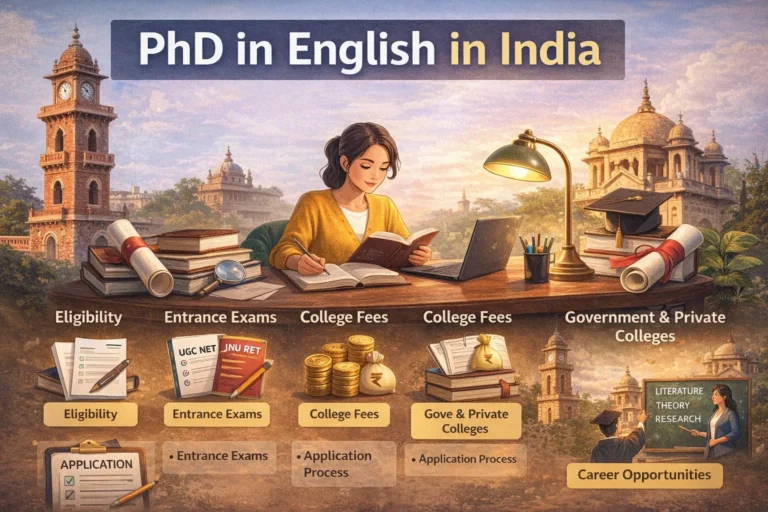
A PhD in English in India is a research-focused doctoral program designed for students seeking advanced expertise in literature, linguistics, and critical theory. Typically lasting 3–5 years, the course requires a relevant Master’s degree with at least 55% marks. Admissions usually involve national-level exams such as UGC NET or university-specific Research Entrance Tests, followed by…
Are you a science enthusiast aiming to build a strong foundation in scientific principles while opening doors to exciting career opportunities? The Bachelor of Science (B.Sc) is among the most popular undergraduate programs in India, offering a perfect balance of theoretical knowledge and practical skills. Whether your interests lie in pure sciences, applied sciences, or…
The demand for skilled microbiologists is increasing in the evolving healthcare industry, making MD Microbiology a highly sought-after postgraduate degree in India. This 3-year program delves into the study of microorganisms, their interactions with the environment, and their impact on human health. To pursue MD Microbiology, you must hold an MBBS degree with a minimum…
The Master of Technology (M.Tech) is a postgraduate engineering degree that equips graduates with advanced technical knowledge and skills in specialized fields. Designed for those holding a bachelor’s degree in engineering or related disciplines, this program focuses on in-depth study, research, and practical applications to solve complex engineering problems. It bridges the gap between undergraduate…
Master in Human Resource Management (MHRM) is a specialized postgraduate program designed to develop professionals who can effectively manage human capital in organizations. HR is a critical function in any company, as it involves managing recruitment, employee development, training, performance, payroll, labor relations, and organizational development. MHRM equips students with advanced knowledge of HR practices,…