Bachelor of Physiotherapy (BPT) Course 2025: Eligibility, Fees, Admission & Career Scope
The Bachelor of Physiotherapy (BPT) is a four-and-a-half-year undergraduate program that trains students in the science of physical movement and rehabilitation. It focuses on assessing, diagnosing, and treating musculoskeletal, neurological, and cardiopulmonary conditions through non-invasive techniques like exercise therapy, electrotherapy, and manual therapy.
This course combines theoretical knowledge with extensive practical training, including a mandatory six-month internship. Graduates play a vital role in healthcare by helping patients recover mobility, manage pain, and improve quality of life after injuries, surgeries, or chronic illnesses.
With rising awareness of rehabilitation and preventive care, demand for qualified physiotherapists continues to grow in hospitals, clinics, sports facilities, and community health settings.
Bachelor of Physiotherapy (BPT): Key Highlights
| Particular | Details |
| Course Duration | 4 years + 6 months compulsory internship |
| Eligibility | 10+2 with Physics, Chemistry, Biology; minimum 50% aggregate (45% for reserved categories) |
| Admission Process | Entrance exam (NEET, CUET, IPU CET, state-level tests) or merit-based |
| Average Annual Fees | Government: INR 20,000 – 1 lakh
Private: INR 1 – 3 lakhs |
| Average Starting Salary | INR 3 – 5 LPA |
| Top Job Roles | Clinical Physiotherapist, Sports Physiotherapist, Rehabilitation Specialist |
Bachelor of Physiotherapy (BPT) Eligibility Criteria
The Bachelor of Physiotherapy (BPT) is a professional undergraduate program requiring specific academic qualifications for admission. Meeting the eligibility criteria ensures candidates are prepared for the rigorous curriculum combining science, clinical skills, and patient care.
Eligibility norms are set by universities, regulatory bodies like the Indian Association of Physiotherapists, and state governments. While minor variations exist across institutions, core requirements remain consistent nationwide.
Clearing eligibility is the first step before appearing for entrance exams or merit-based selection.
Educational Qualification
- Candidates must have passed Class 12 (10+2) or equivalent examination from a recognised board. The qualifying exam should include Physics, Chemistry, and Biology (PCB) as compulsory subjects.
- Some institutions accept Physics, Chemistry, Biology, and English (PCBE). Mathematics is not mandatory but may be considered in merit calculation by certain colleges.
- Students from open schooling boards like NIOS are eligible if the board is recognised by the state or central government.
- Diploma holders in Physiotherapy can apply for lateral entry into the second year in select universities offering bridge programs.
People Also Read

Minimum Marks Requirement
- General category candidates need at least 50% aggregate marks in Physics, Chemistry, and Biology combined. Many colleges relax this to 45% for SC/ST/OBC candidates.
- Some deemed universities and private institutions set higher thresholds, such as 60% for merit seats. Individual subject minimums (often 40-50%) may apply.
- Marks relaxation is provided as per government reservation policies. Physically disabled candidates in the PwD category receive additional relaxation of 5-10%.
Age Limit
- The minimum age for admission is 17 years completed on or before December 31 of the admission year. There is usually no upper age limit for BPT, unlike medical courses.
- Some state entrance exams may impose an upper age cap of 25-30 years for general candidates, with relaxation for reserved categories.
- Age proof (birth certificate or Class 10 mark sheet) must be submitted during counseling.
Entrance Exam Qualification
Admission to most reputed colleges is through national or state-level entrance examinations. Common exams include NEET-UG, CUET, IPU CET, KCET, and university-specific tests.
- Candidates must secure a valid score or rank in the respective exam. NEET qualification is mandatory for seats under the All India Quota or in many states.
- Private colleges may admit on a merit basis (Class 12 marks) if seats remain vacant after the entrance rounds.
Bachelor of Physiotherapy (BPT) Courses
The BPT program is typically divided into eight semesters over four academic years, with the final six months dedicated to a full-time internship. The structure progresses from basic sciences to applied clinical subjects.
Each year builds upon the previous one, combining theory, practicals, and supervised clinical exposure. Assessment includes internal evaluations, university exams, and viva-voce.
BPT Courses: Year-wise Breakdown
| Year | Focus Areas | Key Components |
| First Year | Foundational Sciences | Human Anatomy, Physiology, Biochemistry, Psychology, Sociology, Introduction to Physiotherapy |
| Second Year | Pathology and Basic Therapeutics | Pathology, Microbiology, Pharmacology, Biomechanics, Exercise Therapy, Electrotherapy |
| Third Year | Clinical Sciences | Orthopaedics, Neurology, General Medicine and Surgery, Community Medicine, Research Methodology |
| Fourth Year | Specialised Physiotherapy and Rehabilitation | Physiotherapy in Orthopedics, Neurology, Cardiopulmonary, Pediatrics, Sports, Ethics and Administration |
| Internship (6 months) | Clinical Application | Supervised rotatory postings in hospitals across all major departments |
BPT Semester-wise Syllabus Overview
| Semester | Major Theory Subjects | Practical/Clinical Focus |
| 1-2 | Anatomy, Physiology, Biochemistry, Psychology | Dissection, Basic exercises |
| 3-4 | Pathology, Pharmacology, Biomechanics, Exercise Therapy I, Electrotherapy I | Modalities application, Manual techniques |
| 5-6 | Orthopaedics, Neurology, Medicine/Surgery, Community Physiotherapy | Clinical assessment, Initial postings |
| 7-8 | Specialised Physiotherapy (Ortho, Neuro, Cardio), Rehabilitation, Research | Advanced treatments, Project work |
BPT vs Other Programmes
BPT differs from similar allied health courses in focus and scope:
| Aspect | BPT | B.Sc Physiotherapy | BOT (Occupational Therapy) |
| Duration | 4.5 years | 3-4 years | 4.5 years |
| Focus | Physical rehabilitation, movement restoration | Academic foundation in physiotherapy | Daily living skills, functional independence |
| Scope | Clinical practice, sports, ortho/neuro | Research/teaching entry | Mental health, paediatrics, ergonomics |
| Professional Recognition | Higher clinical authority | Limited independent practice | Complementary to physiotherapy |
BPT is preferred for direct clinical roles due to its professional degree status and extensive internship.
Bachelor of Physiotherapy (BPT): Admission Process
Admission to the Bachelor of Physiotherapy (BPT) program follows a structured process involving eligibility verification, application submission, entrance examination or merit evaluation, and counselling. The process varies by institution, with some relying on national exams, state-level tests, university-specific entrances, or direct merit-based selection.
For the 2025-26 academic year, NEET is not mandatory nationwide but is accepted or required by many colleges, especially government and deemed institutions. From 2026-27, NEET will become compulsory as per regulatory updates.
The application window typically opens in April-May, with counseling rounds extending through August-September. Timely preparation ensures access to preferred colleges.
Step-by-Step Application Process
Follow these steps for smooth admission:
- Research colleges and their admission criteria
- Register for the required entrance exam (NEET/CUET/etc.)
- Appear for the exam and secure qualifying score
- Fill college/university application form online
- Upload documents and pay the application fee (INR 500-2000)
- Track the merit list or the counselling schedule
- Attend counselling, choose preferences
- Secure a seat through allotment and pay fees
Application deadlines vary; monitor official websites.
Merit-Based Admission
Private colleges often admit on the Class 12 PCB aggregate:
- Minimum 50-60% required
- Direct application via the college portal
- Management quota seats are available in many institutions
- Spot rounds for vacant seats
This route suits candidates without entrance scores.
Counseling Process
Counselling allocates seats based on rank/merit:
- Online registration and choice filling
- Multiple rounds, including mop-up.
- State counselling for the domicile quota.
- All India counselling for select seats.
- Document verification is mandatory.
Reserved categories receive benefits in ranks and fees.
Documents Required
Prepare originals and copies:
- Class 10 and 12 mark sheets/certificates
- Entrance exam scorecard/admit card
- Transfer/migration certificate
- Caste/category certificate (if applicable)
- Domicile certificate (state quota)
- Medical fitness certificate
- Passport-size photographs
- Aadhaar/ID proof
Quota and Reservations
Seats are reserved as per government norms:
- SC/ST/OBC: Percentage relaxation and seat quota
- EWS: 10% reservation
- PwD: Horizontal reservation with relaxation
- NRI/Foreign: Separate quota in private colleges
Bachelor of Physiotherapy (BPT) Cut-off
Cut-offs vary by institution and category. NEET-based admissions follow medical counselling ranks.
| Institution/Exam | General Category (Approximate Rank/Score) | Reserved Category |
|---|---|---|
| NEET (Government Seats) | 500+ marks | 400-450 marks |
| IPU CET | Top 5000 ranks | Lower ranks |
| Private Colleges (Merit) | 70-80% in PCB | 60-70% |
| Deemed Universities | 300-400 NEET marks | Lower |
Bachelor of Physiotherapy (BPT) Top Colleges
Bachelor of Physiotherapy (BPT) programs are offered by numerous reputed institutions across India, including government medical colleges, deemed universities, and private institutes. The selection of top colleges is based on factors like academic reputation, infrastructure, clinical exposure, faculty quality, placement records, and affiliation with major hospitals.
Many of these colleges admit students through NEET-UG, state entrances, or institutional tests. Fees vary significantly between government-aided and private institutions.
List of Top BPT Colleges in India
| Rank | College Name | Location | Type | Average Annual Fees (INR) | Admission Mode |
| 1 | Christian Medical College (CMC) | Vellore, Tamil Nadu | Private | 20,000 – 50,000 | Institutional Test + Interview |
| 2 | Postgraduate Institute of Medical Education and Research (PGIMER) | Chandigarh | Government | 10,000 – 30,000 | Entrance Exam |
| 3 | St. John’s Medical College | Bangalore, Karnataka | Private | 1 – 2 lakhs | NEET / Merit |
| 4 | Manipal College of Health Professions, Manipal Academy of Higher Education | Manipal, Karnataka | Private (Deemed) | 2 – 3 lakhs | MET / NEET |
| 5 | Sri Ramachandra Institute of Higher Education and Research | Chennai, Tamil Nadu | Private (Deemed) | 1 – 2 lakhs | NEET |
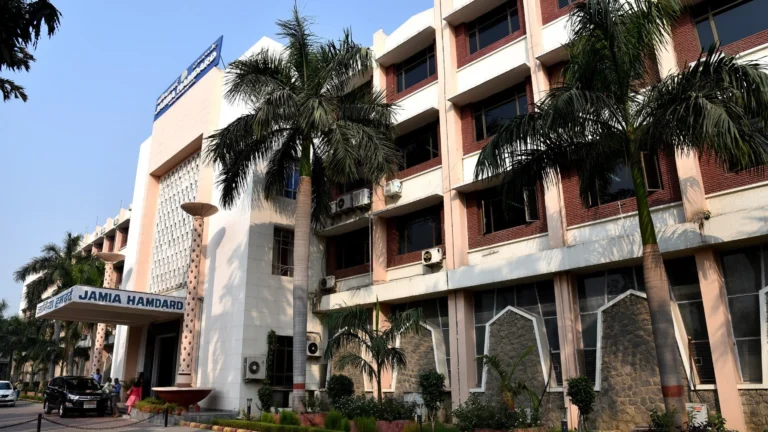
| 6 | Jamia Hamdard | New Delhi | Deemed | 1.5 lakhs | NEET / JEE |
| 7 | Apollo College of Physiotherapy | Hyderabad, Telangana | Private | 1.5 – 2.5 lakhs | Merit / Entrance |
| 8 | Kasturba Medical College (KMC) | Mangalore, Karnataka | Private (Deemed) | 2 – 3 lakhs | NEET |
| 9 | Institute of Postgraduate Medical Education and Research (IPGMER) | Kolkata, West Bengal | Government | 15,000 – 40,000 | State Entrance |
| 10 | Banaras Hindu University (BHU) | Varanasi, Uttar Pradesh | Government | 20,000 – 50,000 | NEET |
| 11 | Pt. Bhagwat Dayal Sharma University of Health Sciences | Rohtak, Haryana | Government | 30,000 – 60,000 | NEET / State |
| 12 | Guru Gobind Singh Indraprastha University (GGSIPU) affiliated colleges | New Delhi | Government / Private | 80,000 – 1.5 lakhs | IPU CET |
| 13 | DY Patil University | Navi Mumbai, Maharashtra | Private (Deemed) | 1.5 – 2.5 lakhs | NEET / AIET |
| 14 | Lovely Professional University (LPU) | Phagwara, Punjab | Private | 1 – 1.8 lakhs | LPUNEST / Merit |
| 15 | Nitte Institute of Physiotherapy | Mangalore, Karnataka | Private | 1.5 – 2 lakhs | Merit / Entrance |
| 16 | Sardar Bhagwan Singh University | Dehradun, Uttarakhand | Private | 1 – 1.5 lakhs | Merit |
| 17 | Padmashree Institute of Physiotherapy | Bangalore, Karnataka | Private | 1 – 2 lakhs | Merit |
| 18 | SDMU Shri Devi College of Physiotherapy | Mangalore, Karnataka | Private | 1.2 – 2 lakhs | Merit |
| 19 | RV College of Physiotherapy | Bangalore, Karnataka | Private | 1.5 lakhs | Merit |
| 20 | Amity University | Noida, Uttar Pradesh | Private | 1 – 1.8 lakhs | Merit / Test |
| 21 | Chandigarh University | Chandigarh | Private | 1 – 1.5 lakhs | CUCET |
| 22 | Parul University | Vadodara, Gujarat | Private | 1.2 lakhs | Merit |
| 23 | JSS College of Physiotherapy | Mysore, Karnataka | Private | 1.5 – 2 lakhs | Merit |
| 24 | KLE University Institute of Physiotherapy | Belgaum, Karnataka | Private (Deemed) | 1.8 – 2.5 lakhs | NEET / KLEU-AIET |
| 25 | Mahatma Gandhi Medical College and Research Institute | Pondicherry | Private (Deemed) | 1.5 – 2 lakhs | NEET |
These colleges provide excellent clinical training through attached hospitals and offer strong placement opportunities. Candidates should verify the latest fees, admission criteria, and seat availability on official college websites before applying
Bachelor of Physiotherapy (BPT) Placements
Placements for Bachelor of Physiotherapy (BPT) graduates are strong due to growing demand in healthcare, rehabilitation, sports, and wellness sectors. Many colleges have dedicated placement cells that organise campus drives, internships, and industry ties with leading hospitals and clinics.
Fresh graduates typically secure roles in multi-speciality hospitals, rehabilitation centres, private clinics, sports teams, and fitness centres. Top institutions boast near 100% placement rates with reputable recruiters.
Starting salaries range from INR 3-5 LPA (approximately INR 25,000-40,000 per month), varying by college reputation, location, and skills. With experience, specialisation (MPT), or private practice, earnings rise to INR 6-12 LPA or higher.
Placement Process
Colleges help placements through:
- Pre-placement talks and workshops
- Campus recruitment drives
- Clinical internship conversions to full-time roles
- Alumni networks and job portals
Many students start as junior physiotherapists during internships and get absorbed permanently.
Average Salary Insights
| Experience Level | Average Annual Salary (INR LPA) | Monthly Range (INR) |
| Fresher (0-1 year) | 3 – 5 | 25,000 – 40,000 |
| Mid-level (2-5 years) | 5 – 8 | 40,000 – 65,000 |
| Senior (5+ years) | 8 – 15+ | 65,000 – 1,25,000+ |
Top Recruiters
Leading organizations actively hire BPT graduates:
- Apollo Hospitals
- Fortis Healthcare
- Max Healthcare
- Medanta
- Portea Medical
- AIIMS and government hospitals
- Sports authorities and teams
- HelpAge India
- Private chains like Nightingales and Physio clinics
College-wise Placement Highlights
| College | Average Package (INR LPA) | Highest Package (INR LPA) | Key Recruiters |
| CMC Vellore | 4 – 6 | 8+ | Apollo, Fortis, and CMC itself |
| Manipal College of Health Professions | 3.5 – 5.5 | 7 | Portea, Manipal Hospitals, Sports bodies |
| PGIMER Chandigarh | 4 – 7 | 9 | Government hospitals, AIIMS |
| Sri Ramachandra Institute | 3.5 – 5 | 6 | Private chains, Rehabilitation centres |
| Jamia Hamdard | 3 – 5 | 6 | Max, Fortis |
| Private Universities (e.g., Amity, LPU) | 3 – 6 | 8 | Home care services, Fitness centers |
Bachelor of Physiotherapy (BPT) Scholarships
Scholarships for BPT students help reduce the financial burden of tuition fees, especially in private institutions where annual costs range from INR 1-3 lakhs. Both government and institutional schemes support meritorious, economically weaker, and reserved category students pursuing physiotherapy.
Many scholarships are accessible through the National Scholarship Portal (NSP), state portals, or direct college applications. Eligibility typically includes academic performance, family income limits, and category reservations.
Students should apply early and verify details on official portals, as schemes and deadlines vary annually.
Government Scholarships
Central and state governments offer post-matric scholarships covering tuition, maintenance, and other expenses for eligible categories.
| Scholarship | Provider | Eligibility | Benefits |
| Post-Matric Scholarship for SC/ST/OBC | Ministry of Social Justice / State Governments via NSP | SC/ST/OBC students; family income < INR 2.5-4.5 lakhs | Full tuition reimbursement + maintenance allowance |
| Post-Matric Scholarship for Minorities | Ministry of Minority Affairs via NSP | Minority communities; income < INR 2 lakhs | Up to INR 10,000-20,000 annually + fees |
| Ishan Uday Scholarship | UGC for North Eastern Region | NER domicile; income < INR 4.5 lakhs | INR 7,800 pm for professional courses |
| Merit-cum-Means Scholarship | State Governments / Central | Meritorious students from low-income families | Partial/full tuition waiver + stipend |
| Central Sector Scheme | Ministry of Education via NSP | Top performers in Class 12 | Up to INR 20,000 annually |
Scholarship Entrance Exams
National-level tests provide direct scholarships and admission aid for BPT.
| Scholarship/Test | Provider | Eligibility | Benefits |
| AIMSET Scholarship | AIMSET Foundation | Class 12 passed/appearing with PCB | Up to 100% tuition scholarship in participating colleges |
| AIPMST Primary | AIPMST Organization | Aspiring paramedical students | Scholarships + aid for admission |
Institutional and Private Scholarships
Many colleges offer their own merit-based or need-based aid.
| Scholarship | Provider/Institution | Eligibility | Benefits |
| Merit-based Scholarship | Manipal College of Health Professions | High entrance scores/Class 12 marks | Up to 50-100% fee waiver |
| Need-based Scholarship | Manav Rachna, Apollo University | Low family income + merit | Partial/full tuition support |
| Sports/Cultural Scholarship | Lovely Professional University (LPU) | Achievements in sports/co-curricular | Fee concessions based on performance |
| Gender Equality Scholarship | Suresh Gyan Vihar University | Female students | Significant fee reduction |
| Entrance-based Scholarship | Chandigarh University, Amity | Score on the university test | Up to 100% scholarship |
Other Notable Scholarships
Additional schemes for specific categories:
- CavinKare Ability Mastery Awards: For disabled students, full funding is possible.
- Education Loans with Interest Subsidy: Available through banks for the EWS categories.
- State-specific Schemes: E.g., Maharashtra, Karnataka, post-matric aid for reserved categories.
FAQs
What is the Bachelor of Physiotherapy (BPT) course?
Bachelor of Physiotherapy (BPT) is a professional undergraduate healthcare program focusing on physical rehabilitation, movement sciences, pain management, and restoring functional ability through exercise-based therapy techniques.
What is the eligibility criteria for BPT admission?
Candidates must pass Class 12 with Physics, Chemistry, and Biology from a recognized board, meeting minimum marks criteria set by universities or state authorities.
Is NEET required for BPT admission in India?
NEET is not mandatory for BPT in most states; however, some government colleges and universities may require NEET or conduct their own entrance examinations.
What is the duration of the BPT course?
The BPT course duration is generally 4.5 years, including four years of academic study and a compulsory six-month clinical internship in hospitals or rehabilitation centers.
What subjects are taught in the BPT syllabus?
BPT subjects include Anatomy, Physiology, Biomechanics, Exercise Therapy, Electrotherapy, Orthopedics, Neurology, Sports Physiotherapy, and Community Rehabilitation practices.
What is the admission process for BPT?
BPT admission is based on merit or entrance exams, followed by counseling conducted by universities, state medical authorities, or private institutions offering physiotherapy programs.
What is the career scope after completing BPT?
After BPT, graduates can work as physiotherapists in hospitals, sports academies, rehabilitation centers, fitness clinics, or pursue higher studies like MPT for specialization.
What is the average salary after BPT in India?
The average starting salary after BPT ranges from ₹20,000 to ₹40,000 per month, increasing significantly with experience, specialization, and private practice opportunities.
Can BPT graduates open their own clinic?
Yes, BPT graduates can open independent physiotherapy clinics after registration with the respective State Physiotherapy Council, subject to local regulatory guidelines.
Is BPT a good career option in India?
Yes, BPT is a promising career due to rising demand for rehabilitation services, sports injury management, lifestyle disease treatment, and increased awareness of physiotherapy benefits.



![Bachelor of Education [B.Ed]: Complete Guide](https://articles.findmycollege.com/wp-content/plugins/fmc-internal-linker/assets/images/placeholder.svg)