NID Colleges in India: Complete Guide to Campuses, Courses, Fees & Admission 2025
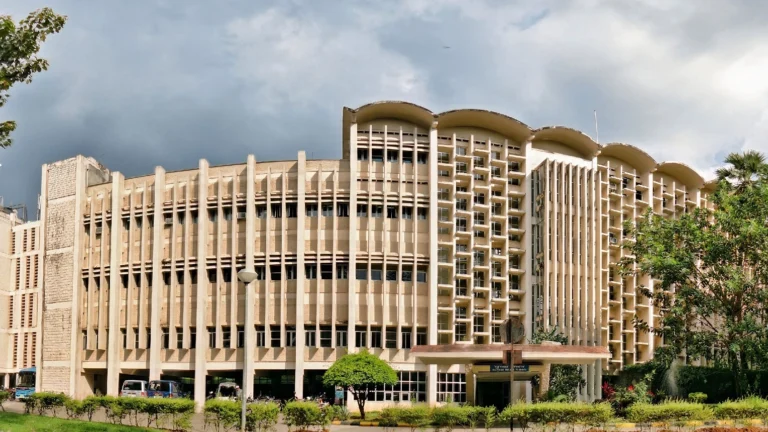
The National Institute of Design (NID) is India’s premier design education network known for top-tier training, industry-oriented curriculum, top placements, and a creative learning ecosystem. With multiple campuses across India, NID offers undergraduate, postgraduate, and doctoral programs in diverse design disciplines.
If you are planning to build a career in design, understanding all NID colleges in India, along with their courses, fees, campuses, infrastructure, and admission process, is essential. This full guide provides an in-depth overview of all NID campuses to help you choose the right institute for your design journey.
List of All NID Colleges in India
Here is the complete list of official NID campuses offering B.Des, M.Des, and PhD programs:
| S.No. | NID Campus | Location | Programs Offered |
|---|---|---|---|
| 1 | NID Ahmedabad | Gujarat | B.Des, M.Des, PhD |
| 2 | NID Bengaluru | Karnataka | M.Des, PhD |
| 3 | NID Gandhinagar | Gujarat | M.Des, PhD |
| 4 | NID Andhra Pradesh (Vijayawada) | Andhra Pradesh | B.Des |
| 5 | NID Haryana (Kurukshetra) | Haryana | B.Des |
| 6 | NID Madhya Pradesh (Bhopal) | Madhya Pradesh | B.Des |
| 7 | NID Assam (Jorhat) | Assam | B.Des |
NID Colleges in India: Overview
Each NID campus has a unique academic approach, infrastructure, faculty expertise, and specialization areas. Below is a detailed overview of each campus.
NID Ahmedabad
NID Ahmedabad is the oldest and most prestigious NID campus, established in 1961. It is recognized globally for its teaching excellence and collaborative learning environment.
Courses Offered
B.Des Programs
-
Animation Film Design
-
Graphic Design
-
Product Design
-
Textile Design
-
Exhibition Design
-
Furniture & Interior Design
-
Film & Video Communication
M.Des Programs
-
Ceramic & Glass Design
-
Communication Design
-
Product Design
-
Toy & Game Design
-
Transportation & Automobile Design
-
Textile Design
-
Furniture & Interior Design
Campus Highlights
-
modern studios
-
Material labs
-
24/7 design workshops
-
Strong global alumni network
-
Industry collaborations with leading brands
Fees
| Course | Annual Fee |
|---|---|
| B.Des | ₹3,50,000 – ₹4,00,000 |
| M.Des | ₹4,00,000 – ₹4,50,000 |
People Also Read




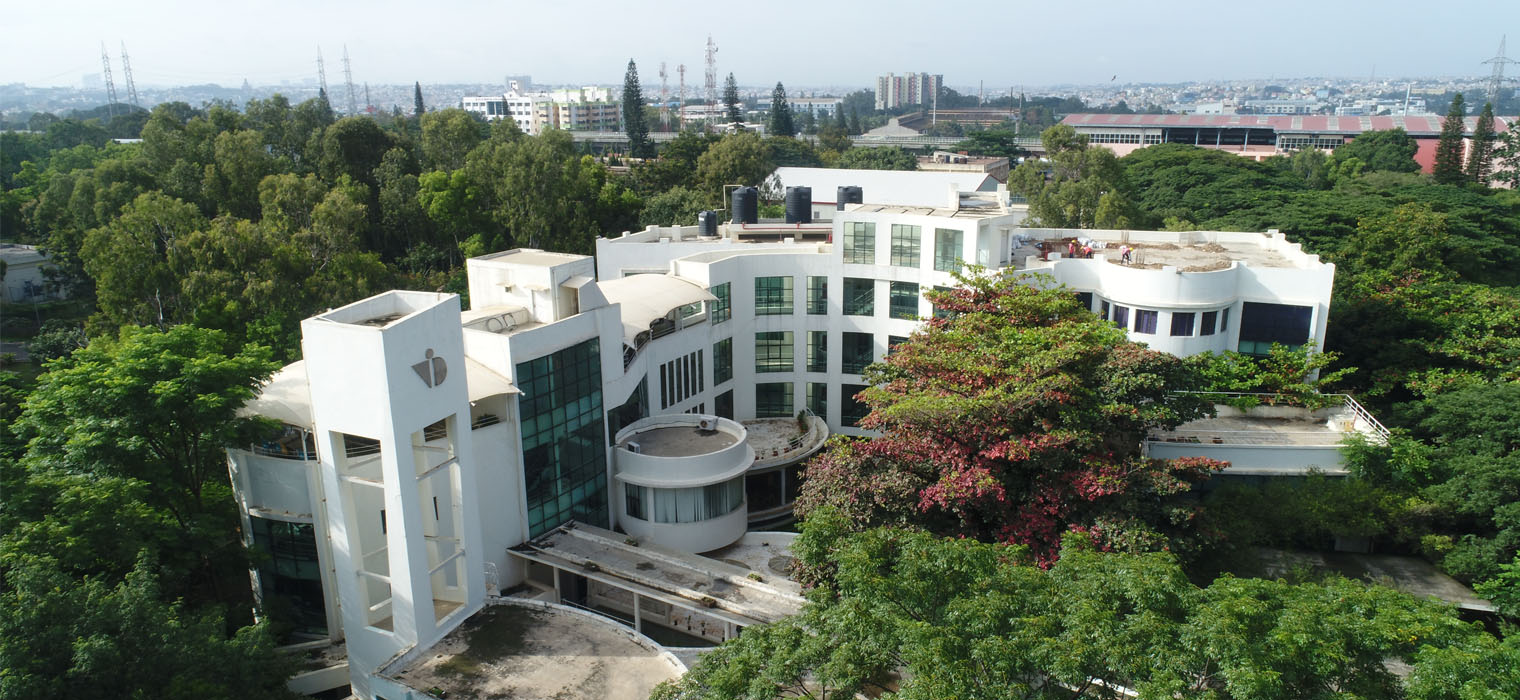
NID Bengaluru
NID Bengaluru specializes in design for digital domains, research-based learning, and industry interface.
M.Des Specializations
-
Design for Retail Experience
-
Digital Game Design
-
Information Design
-
Interaction Design
-
Universal Design
Why Choose NID Bengaluru?
-
Digital-centric curriculum
-
Industry studios and UX labs
-
Strong focus on research and innovation
Fees
| Course | Annual Fee |
|---|---|
| M.Des | ₹3,00,000 – ₹4,00,000 |
NID Gandhinagar
Known as the Post Graduate Campus of NID, Gandhinagar focuses on M.Des programs and executive education.
M.Des Specializations
-
Apparel Design
-
Lifestyle Accessory Design
-
New Media Design
-
Photography Design
-
Strategic Design Management
-
Transportation Design
Campus Features
-
International exchange programs
-
On-campus labs and innovation studios
-
Industry-sponsored projects
Fees
| Course | Annual Fee |
|---|---|
| M.Des | ₹3,00,000 – ₹4,00,000 |
NID Vijayawada (NID Andhra Pradesh)
NID AP, located in Vijayawada, is one of the new NIDs offering B.Des programs with modern facilities.
B.Des Specializations
-
Communication Design
-
Industrial Design
-
Textile & Apparel Design
Highlights
-
New-generation campus
-
Modern design workshops
-
Updated curriculum aligned with industry needs
Fees
| Course | Annual Fee |
|---|---|
| B.Des | ₹2,50,000 – ₹3,00,000 |
NID Haryana (Kurukshetra)
NID Kurukshetra is known for its growing infrastructure and expanding design departments.
B.Des Specializations
-
Industrial Design
-
Communication Design
-
Textile Design
H3: Facilities
-
Computer labs
-
Material workshops
-
Library and digital resource centers
Fees
| Course | Annual Fee |
|---|---|
| B.Des | ₹2,50,000 – ₹3,00,000 |
NID Madhya Pradesh (Bhopal)
NID MP is a rapidly developing campus offering creative learning resources and modern studio facilities.
B.Des Specializations
-
Communication Design
-
Industrial Design
-
Textile Design
Advantages
-
Industry-focused curriculum
-
Hands-on studios
-
Emerging placement opportunities
Fees
| Course | Annual Fee |
|---|---|
| B.Des | ₹2,50,000 – ₹3,00,000 |
NID Assam (Jorhat)
NID Assam is dedicated to design innovation inspired by the cultural and traditional crafts of the northeastern region.
B.Des Specializations
-
Industrial Design
-
Communication Design
-
Textile Design
Campus Environment
-
Craft-inspired curriculum
-
Hands-on learning with local artisans
-
Modern workshops
Fees
| Course | Annual Fee |
|---|---|
| B.Des | ₹2,00,000 – ₹2,50,000 |
Comparative Table: NID Colleges in India
| NID Campus | Location | Year Established | Programmes Offered |
|---|---|---|---|
| NID Ahmedabad | Ahmedabad, Gujarat | 1961 | B.Des, M.Des, PhD |
| NID Gandhinagar | Gandhinagar, Gujarat | 2004 | M.Des, PhD |
| NID Bengaluru | Bengaluru, Karnataka | 2006 | M.Des, PhD |
| NID Andhra Pradesh | Amaravati, Andhra Pradesh | 2015 | B.Des, M.Des |
| NID Haryana | Kurukshetra, Haryana | 2016 | B.Des |
| NID Madhya Pradesh | Bhopal, Madhya Pradesh | 2015 | B.Des |
| NID Assam | Jorhat, Assam | 2019 | B.Des |
Courses Offered at NID Colleges in India
The National Institute of Design (NID) colleges in India offer a wide range of undergraduate, postgraduate, and doctoral programmes focused on design education, innovation, and research, catering to students aspiring to build careers in various creative and industry-oriented design disciplines.
Bachelor of Design (B.Des)
Duration: 4 years
The B.Des program is offered at NID Ahmedabad, NID Andhra Pradesh, NID Haryana, NID Madhya Pradesh, and NID Assam.
Common Specializations include:
- Communication Design
- Industrial Design
- Textile Design
- Product Design
- Animation
- Apparel Design
Master of Design (M.Des)
Duration: 2.5 years
The M.Des program is offered at NID Ahmedabad, NID Bengaluru, and NID Gandhinagar.
Common Specializations include:
- User Experience Design
- Transportation & Mobility Design
- Graphic Design
- Photography
- Game Design
- Strategic Design Management
PhD in Design
A fully research-oriented doctoral program focused on advancing design knowledge.
Available at:
- NID Ahmedabad
- NID Bengaluru
- NID Gandhinagar
NID Admission Process 2025
To get admission into any NID campus, candidates must clear the NID Design Aptitude Test (DAT).
Step-by-Step Admission Process
- Online Registration & Form Submission
- DAT Prelims Examination
- Declaration of Prelims Result
- DAT Mains: Studio Test + Portfolio Review + Interview
- Final Merit List
- Seat Allotment & Campus Reporting
NID Seat Matrix (B.Des + M.Des)
| NID Campus | B.Des Seats | M.Des Seats |
|---|---|---|
| NID Ahmedabad | 125 | 275+ |
| NID Bengaluru | — | 100+ |
| NID Gandhinagar | — | 120+ |
| NID AP | 75 | — |
| NID Haryana | 75 | — |
| NID MP | 75 | — |
| NID Assam | 75 | — |
NID Placements Overview
NID graduates get excellent placement offers across various sectors.
Top Recruiters
- TCS
- Infosys
- Microsoft
- IBM Design
- Titan
- Myntra
- Tata Motors
- OYO
- Adobe
Average Salary
| Course | Average CTC |
|---|---|
| B.Des | ₹8–12 LPA |
| M.Des | ₹10–20 LPA |
Why Choose NID Colleges in India?
Choosing the National Institute of Design (NID) is a transformative decision for students who aspire to build a strong career in design. NID colleges are known for their top-tier education, industry-oriented curriculum, and exceptional placement opportunities. They stand among the most prestigious design institutes not only in India but also globally.
1. Premier Design Education
NID offers a curriculum that blends creativity, research, technology, and hands-on practice. Students gain a strong foundation in design thinking, problem-solving, and innovation.
2. Highly Experienced Faculty
The faculty includes distinguished designers, industry experts, and researchers who guide students through rigorous academic and studio-based learning.
3. Industry-Aligned Training
Projects, internships, workshops, and real-world assignments help students build skills that are directly relevant to industry needs.
4. Excellent Placement Opportunities
Top companies in product design, UX/UI, animation, communication, automotive, and retail regularly recruit from NID campuses, offering high-paying roles.
5. Modern Labs & Infrastructure
NID campuses are equipped with advanced labs, studios, prototyping facilities, fabrication workshops, and digital design tools.
6. Strong Alumni Network
NID alumni work in leading global organizations, design consultancies, MNCs, startups, and even run successful design studios. Their network helps current students with mentorship and opportunities.
7. Interdisciplinary Learning Environment
Students collaborate across various specializations, enhancing creativity, teamwork, and holistic design understanding.
8. National & International Recognition
NID is recognized as an Institute of National Importance and is widely respected worldwide for innovation, research, and design excellence.
Tips to Choose the Best NID for You
Choosing the right NID campus is an important decision that shapes your design journey. Here are some essential tips to help you pick the best institute based on your goals and interests:
1. Identify Your Design Specialization
Each NID is known for specific strengths.
Choose a campus that offers strong programs in your preferred domain—such as Product Design, UX/UI, Animation, Apparel, or Communication Design.
2. Compare Campus Facilities
Check for advanced labs, workshops, studios, digital facilities, and research centers.
NID Ahmedabad and Bengaluru offer the most established infrastructure, while newer NIDs provide modern setups.
3. Look at Faculty Expertise
Experienced faculty make a huge difference.
Review faculty profiles, their industry experience, research work, and achievements to understand teaching quality.
4. Consider Industry Exposure
Campuses with strong industry partnerships offer better internships, workshops, and live projects.
NID Bengaluru is known for design-tech industry connect.
5. Review Placement Records
Check how each NID performs in placements, average packages, top recruiters, and alumni success stories.
6. Evaluate Campus Culture
Design learning thrives in creative environments.
Look for a campus with a active culture, peer collaboration, competitions, and hands-on activities.
7. Check Location and Accessibility
Location influences opportunities, internships, and lifestyle.
Urban campuses often provide more exposure, while smaller cities may offer peaceful environments.
8. Understand Seat Intake and Competition
Higher seat availability may increase chances of admission.
Compare B.Des and M.Des seats across all NIDs based on your category.
9. Explore Alumni Achievements
Review the work of alumni to understand how well the campus shapes designers and creative professionals.
10. Choose Based on Future Career Goals
Pick a campus that aligns with your long-term career—whether it’s product innovation, UX design, animation, fashion, or research.
Frequently Asked Questions (FAQs)
1. Which NID is best for B.Des in India?
NID Ahmedabad is considered the best for B.Des due to its legacy, experienced faculty, and excellent placements. NID Andhra Pradesh and NID Haryana are also strong options with modern infrastructure and growing industry exposure.
2. What is the top NID for M.Des programs?
For M.Des, NID Ahmedabad leads with diverse specialisations and research culture. NID Bengaluru and NID Gandhinagar are also top choices, known for technology-driven design, innovation labs, and strong collaboration with industry.
3. How to choose the right NID for my design career?
To choose the right NID, evaluate available specialisations, faculty expertise, campus facilities, placement records, industry exposure, alumni success, and location advantages to ensure alignment with your long-term design career goals.
4. Are all NID campuses equal in infrastructure?
No, infrastructure varies across campuses. Older NIDs like Ahmedabad and Bengaluru have well-established labs and studios, while newer NIDs offer modern facilities that are still expanding and evolving.
5. Which NID has the best placement opportunities?
NID Ahmedabad offers the strongest placement outcomes due to its reputation and alumni network. NID Bengaluru and Gandhinagar also provide excellent opportunities with leading design firms and multinational companies.
6. Does location affect NID learning experience?
Yes, location plays a role. Urban campuses offer better access to internships, events, and design studios, while non-metro campuses provide a quieter environment with focused academic and creative exploration.
7. Can I choose specialization at any NID?
Not all specialisations are available at every NID. Each campus focuses on specific disciplines, so students should review programme offerings carefully and choose a campus that matches their design interests.
8. How to check faculty expertise at NID?
You can assess faculty expertise by visiting official NID websites, reviewing faculty profiles, academic qualifications, research publications, design projects, and industry experience relevant to your chosen specialisation.
9. Do alumni influence the choice of NID?
Yes, alumni achievements reflect the institute’s academic quality and industry connections. A strong alumni network helps with mentorship, internships, placements, and long-term professional growth in the design field.
10. Is industry exposure important when selecting an NID?
Industry exposure is crucial. NIDs with strong industry tie-ups offer live projects, internships, workshops, and real-world problem-solving experiences, which significantly enhance practical skills and employability.
Design Important Links
Conclusion
NID colleges in India are centers of excellence that shape some of the finest design professionals in the country. Whether you choose the legacy campuses like NID Ahmedabad or the newer institutes like NID MP or NID Assam, each campus offers strong academic training and growing opportunities.
With the right preparation and passion, securing admission to an NID can be the first step toward a rewarding design career.

Simran is currently working as a Senior Content Writer at Findmycollege , where she creates engaging and research-driven learning resources for students. She has completed her Graduation in Journalism from Delhi University. With 4 years of experience in the EdTech industry, she has previously contributed to leading platforms like Leverage Edu and Aakash. Her expertise lies in simplifying Engineering and Medical entrance exam content to guide aspirants in their preparation journey. Beyond writing, Simran enjoys sketching, watching movies, and finding creative inspiration in everyday life.
View all posts →Related Articles

NID Courses: Complete Guide to Programs, Specializations, Fees & Career Scope
Mar 13, 2026
NID Full Form: National Institute of Design – Complete Guide
Mar 13, 2026
NID Branches in India: A Complete Guide to National Institute of Design Campuses
Mar 16, 2026
NID Delhi: Courses, Admission, Fees, Campus Life & Complete Guide
Mar 13, 2026
NID Andhra Pradesh: Complete Guide to Courses, Fees, Admission, Campus Life & More
Mar 13, 2026