
Last Updated on December 3, 2025 by amay mathur
Design as a career has gained massive popularity in recent years, and one institute that consistently stands out is NID. Whether you are preparing for the NID entrance exam or exploring design careers, understanding the NID full form, its significance, courses, campus details, and admission process is the first step. This blog provides a complete, detailed overview of NID (National Institute of Design)—its meaning, history, admission process, fees, placements, career scope, and more.
What is the Full Form of NID?
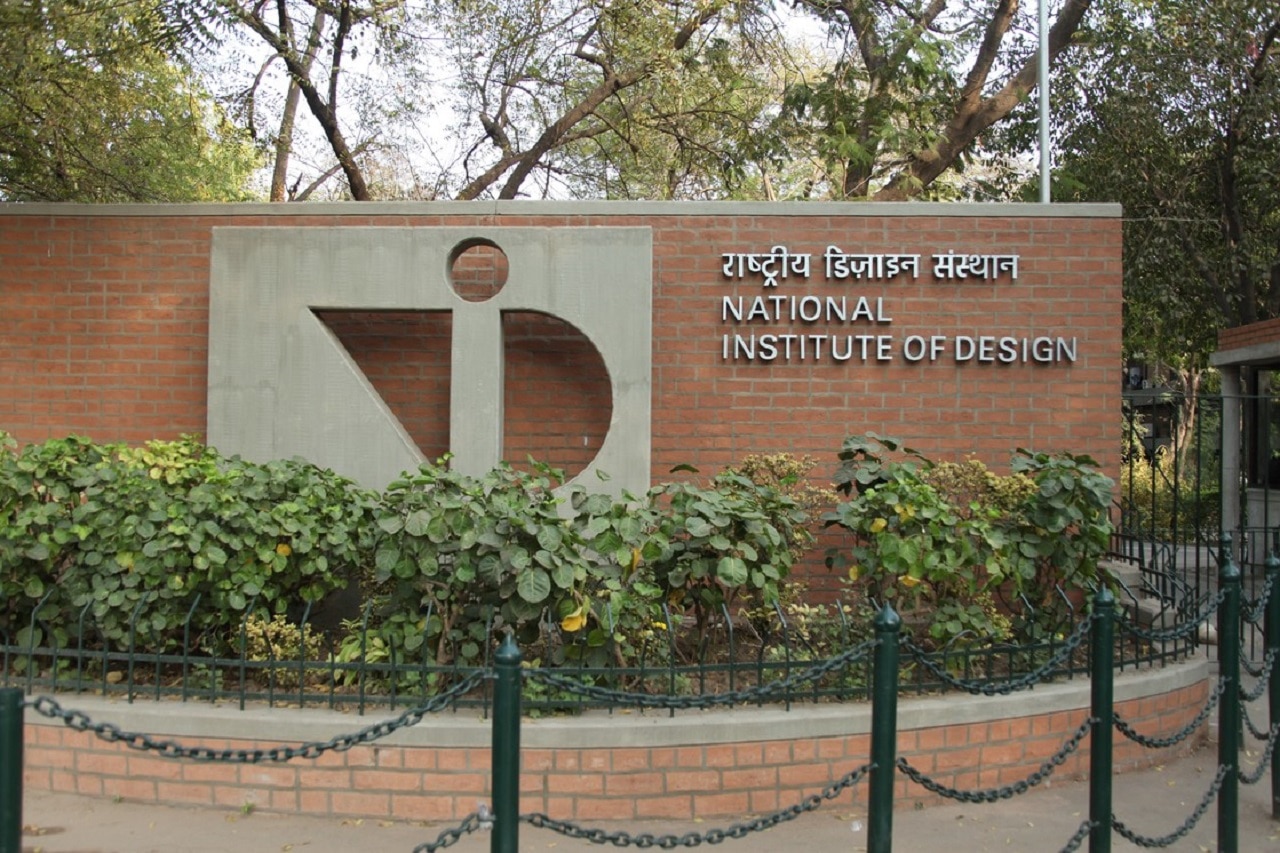
The full form of NID is National Institute of Design.
NID is a premier design institute in India known for its world-class training in design education and research. It is recognized internationally for its academic excellence, innovative programs, and contribution to the design ecosystem.
Introduction to NID (National Institute of Design)
The National Institute of Design is an autonomous institute under the Department of Industrial Policy and Promotion (DIPP), Ministry of Commerce & Industry, Government of India. It offers undergraduate, postgraduate, and doctoral programs in diverse design fields.
For aspiring designers, NID is often the first choice because of its:
-
Strong industry reputation
-
Highly competitive entrance exam
-
Modern infrastructure
-
Globally recognized curriculum
-
Internship and placement opportunities
NID is considered among the top design schools in the world and frequently compared with global institutions like RISD, Pratt Institute, and Parsons.
History of NID (National Institute of Design)
NID was established in 1961 based on the recommendations of the India Report by Charles and Ray Eames. The institute aimed to support India’s industrial and product development by integrating modern design practices.
H3: Key Milestones in NID’s Development
| Year | Milestone |
|---|---|
| 1961 | NID founded in Ahmedabad |
| 1969 | First design programs launched |
| 2004 | NID recognized as an Institute of National Importance |
| 2014–2015 | Expansion to new campuses across India |
| 2019 | New NID Act granting more autonomy |
NID Full Form Meaning in Education and Design Industry
The term National Institute of Design signifies:
-
A national-level authority for design education
-
A recognized standard of quality and innovation
-
A hub for interdisciplinary design research
-
A gateway for professional success in design fields
The NID full form represents not just an institute but a brand built on creativity, innovation, and excellence.
Where Are NID Campuses Located in India?
NID has several campuses across India offering B.Des, M.Des, and other programs.
List of NID Campuses
| NID Campus | Location | Programs Offered |
|---|---|---|
| NID Ahmedabad | Gujarat | B.Des, M.Des |
| NID Gandhinagar | Gujarat | M.Des |
| NID Bengaluru | Karnataka | M.Des |
| NID Andhra Pradesh | Amaravati | B.Des |
| NID Haryana | Kurukshetra | B.Des |
| NID Madhya Pradesh | Bhopal | B.Des |
| NID Assam | Jorhat | B.Des |
These campuses collectively build a strong network of design education across the country.
Courses Offered at NID (National Institute of Design)
NID offers a wide range of design programs at the undergraduate and postgraduate level.
Bachelor of Design (B.Des)
A 4-year program focusing on fundamental and applied design skills.
Popular B.Des Specializations:
-
Animation Film Design
-
Graphic Design
-
Product Design
-
Furniture Design
-
Textile Design
-
Exhibition Design
-
Film & Video Communication
Master of Design (M.Des)
A 2.5-year professional design program for advanced specialization.
Popular M.Des Specializations:
-
Transportation & Automobile Design
-
Interaction Design
-
Apparel Design
-
Photography Design
-
Ceramic & Glass Design
-
New Media Design
-
Universal Design
PhD in Design
NID also offers doctoral research opportunities focusing on design research, innovation studies, and interdisciplinary design solutions.
NID Admission Process – Complete Overview
Admission into NID is highly competitive. The selection process tests a candidate’s creativity, imagination, problem-solving ability, drawing skills, and design awareness.
Steps in NID Admission
| Stage | Description |
|---|---|
| 1. DAT Prelims | Objective + subjective test assessing creativity and aptitude |
| 2. DAT Mains | Studio test, interviews, hands-on tasks |
| 3. Merit List | Final selection based on combined scores |
NID Eligibility Criteria
For B.Des:
-
Must have passed or appeared for Class 12
-
No specific stream restriction
-
Age limit: 20–23 years (varies by category)
For M.Des:
-
Graduation in any discipline
-
Age limit: 30 years (relaxations apply)
NID Fee Structure – Detailed Overview
NID fees vary depending on the program and campus. Below is a simplified representation.
NID B.Des Fee Structure (Approx.)
| Fee Component | Amount (Per Year) |
|---|---|
| Tuition Fees | ₹2,00,000–₹2,50,000 |
| Hostel Fees | ₹40,000–₹60,000 |
| Mess Charges | ₹25,000–₹35,000 |
| Other Fees | ₹15,000–₹25,000 |
| Total Annual Fee | ₹2.8–3.7 Lakhs |
NID M.Des Fee Structure (Approx.)
| Fee Component | Amount (Per Year) |
|---|---|
| Tuition Fees | ₹2,50,000–₹3,00,000 |
| Hostel Fees | ₹40,000–₹60,000 |
| Studio + Material Charges | ₹20,000–₹30,000 |
| Mess Charges | ₹25,000–₹35,000 |
| Total Annual Fee | ₹3.5–4.2 Lakhs |
NID Entrance Exam – Understanding the DAT
NID conducts the Design Aptitude Test (DAT), which is divided into:
-
DAT Prelims: Writing, sketching, creativity-based questions
-
DAT Mains: Studio tests, model making, interviews
NID DAT Prelims Exam Pattern
| Section | Type | Description |
|---|---|---|
| Objective | MCQs | General design awareness, aptitude |
| Subjective | Descriptive | Sketching, drawing, idea development |
NID DAT Mains Exam Components
-
Studio test
-
Hands-on model making
-
Thematic presentation
-
Material handling
-
Personal interview
Why is NID So Popular?
The full form of NID—National Institute of Design—comes with a reputation for excellence. Several factors make it a dream institute for design aspirants.
Key Reasons for NID’s Popularity
-
Top-quality design education
-
Highly skilled faculty
-
Strong focus on creativity and innovation
-
Excellent placements
-
Government-recognized programs
-
Industry collaborations
-
State-of-the-art labs and studios
NID graduates are considered some of the most employable designers in India.
Career Opportunities After Studying at NID
NID students enjoy excellent career scope across various design fields.
Top Career Fields
-
UX/UI Designer
-
Product Designer
-
Automobile Designer
-
Graphic Designer
-
Animator
-
Film & Video Editor
-
Furniture Designer
-
Fashion & Textile Designer
-
Packaging Designer
-
Design Researcher
Top Companies Hiring NID Graduates
-
Microsoft
-
TCS
-
Infosys
-
Disney
-
IKEA
-
Titan
-
Wipro
-
Adobe
-
Reliance Brands
-
Samsung
-
Future Group
NID Placements – Overview
NID has an excellent placement record with many reputed national and international recruiters visiting the campus.
NID Average Salary Package
| Program | Average Salary |
|---|---|
| B.Des | ₹8–12 LPA |
| M.Des | ₹12–20 LPA |
Advantages of Studying at NID
Academic Benefits
-
Globally recognized curriculum
-
Hands-on learning
-
Interdisciplinary approach
Personal and Professional Benefits
-
Enhances creativity
-
Builds a strong portfolio
-
Increases job readiness
-
Networking with industry leaders
Challenges of Studying at NID
While NID is excellent, it also comes with challenges.
Common Challenges
-
Highly competitive entrance exam
-
Intense workload
-
High expectation for creativity
-
Time-consuming assignments
However, these challenges help shape future designers into professionals ready for the real world.
NID vs Other Design Institutes
| Feature | NID | NIFT | MITID | Pearl Academy |
|---|---|---|---|---|
| Government/Private | Govt | Govt | Private | Private |
| Focus Area | Industrial & Product Design | Fashion | Design & Innovation | Fashion & Design |
| Entrance Exam | NID DAT | NIFT Entrance | MIT DAT | Pearl PAF |
| Reputation | Global | National | Good | Good |
| Fees | Moderate | Moderate | High | High |
How to Prepare for NID Exam?
NID preparation requires a mix of creativity, consistent practice, and conceptual clarity.
Preparation Tips
-
Practice sketching daily
-
Solve previous year papers
-
Improve visualization skills
-
Join a design coaching if needed
-
Focus on creative and original ideas
-
Stay updated with design trends
Importance of the NID Full Form in Career Planning
For aspirants, understanding the NID full form—National Institute of Design—helps in:
-
Making informed career choices
-
Understanding the value of the institute
-
Evaluating its reputation and opportunities
-
Planning preparation strategies
NID is not just an institute; it is a gateway to a creative and impactful future.
Conclusion
The NID full form – National Institute of Design – represents excellence, creativity, and innovation. As one of India’s most prestigious design institutes, NID plays a crucial role in shaping future designers and creative leaders. From world-class faculty to industry exposure and international recognition, NID offers everything required to build a successful design career.
Whether you want to become a product designer, UX expert, animator, or filmmaker, NID provides the platform, resources, and training needed to reach your goals. Understanding the NID full form, its programs, entrance process, and career scope is the first step toward joining the world of professional design.