
Last Updated on December 3, 2025 by amay mathur
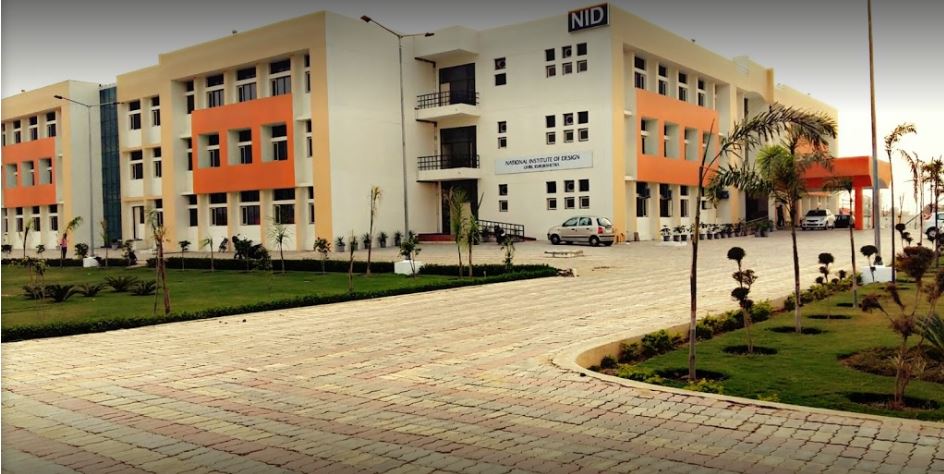
The National Institute of Design (NID) Haryana is one of India’s emerging centres of excellence in design education. As part of the prestigious NID network, it aims to nurture creative professionals equipped with modern, industry-relevant skills. Established to promote design-led innovation and expand access to quality design education in North India, NID Haryana has quickly gained recognition for its contemporary infrastructure, practical training modules, and collaborative academic environment.
This comprehensive guide covers courses, fees, eligibility, admission process, NID DAT details, campus facilities, placements, cut-offs, career opportunities, and more—everything you need to know before choosing NID Haryana.
About NID Haryana: Overview
NID Haryana is an autonomous institute under the Department for Promotion of Industry and Internal Trade (DPIIT), Government of India. It is part of the expansion of NIDs across India to create a robust ecosystem for design learning.
Located in Kurukshetra, a city known for its cultural heritage and educational institutions, NID Haryana offers a peaceful yet vibrant learning environment. The institute focuses on developing design professionals who can contribute to India’s growing creative economy.
Why Choose NID Haryana?
NID Haryana has grown steadily as a preferred destination for young design aspirants. Here’s why:
1. Modern and Innovative Curriculum
- Curriculum based on hands-on learning
- Integration of technology with design
- Regular workshops, studio training, and industry mentorship
2. Strong Faculty & Mentorship
- Experienced faculty from top design institutions
- Visiting experts from UX, product design, transportation design, sustainability, and more
3. Excellent Infrastructure
- Design labs
- Digital fabrication studios
- Model-making rooms
- Well-equipped workshops
- Smart classrooms
4. Growing Industry Connections
- Annual design projects
- Internships and industry-linked seminars
- Opportunities for hands-on industry exposure
5. Affordable Fee Structure
Compared to private design colleges, NID Haryana provides world-class design education at reasonable fees.
Courses Offered at NID Haryana
The National Institute of Design (NID) Haryana is one of India’s emerging premier design institutions established to nurture creative talent and produce skilled designers for various industries. The institute offers a comprehensive and modern design curriculum with a practical, hands-on learning approach.
NID Haryana currently offers a four-year Bachelor of Design (B.Des.) program with multiple specialisations, a structured foundation year, and advanced studio-based learning.
Bachelor of Design (B.Des.) at NID Haryana
NID Haryana offers a full-time 4-year undergraduate B.Des. program divided into:
-
Foundation Programme (1st Year)
-
Specialisation Programme (2nd to 4th Year)
The curriculum is designed to help students build creativity, design thinking, problem-solving abilities, and strong practical skills.
Specialisations Offered at NID Haryana
NID Haryana provides three major B.Des. specialisations:
Industrial Design
Industrial Design focuses on the ideation, development, and creation of innovative products and solutions. It combines user-centric thinking, engineering understanding, and creative design processes.
Skills Developed
- Product sketching & rendering
- Ergonomics & usability
- Materials & manufacturing techniques
- 3D modelling
- Prototyping and testing
- User research
Typical Projects
- Consumer products
- Home appliances
- Tools & equipment
- Mobility & lifestyle products
Career Opportunities
Graduates can work as:
- Product Designers
- Industrial Designers
- UX Designers
- Design Engineers
- Innovation Consultants
Communication Design
Communication Design deals with visual storytelling, branding, digital content, and interactive experiences. It includes both traditional and modern media forms.
Skills Developed
- Graphic design
- Typography & layout
- Animation & illustration
- UI/UX and interaction design
- Photography & videography
- Brand strategy and visual identity
Typical Projects
- Brand design
- Posters, brochures, publications
- Motion graphics
- Website & mobile interface design
- Digital campaigns
Career Opportunities
Graduates can work as:
- Graphic Designers
- Communication Designers
- UI/UX Designers
- Motion Designers
- Art Directors
Textile & Apparel Design
This course focuses on the design of textiles, fabrics, garments, and apparel. Students explore creativity along with strong technical and material-based understanding.
Skills Developed
- Textile techniques & weaving
- Fabric construction
- Pattern making & garment design
- Fashion illustration
- Trend forecasting
- Surface ornamentation
Typical Projects
- Apparel collections
- Fabric development
- Fashion styling concepts
- Textile patterns and prints
Career Opportunities
Graduates can work as:
- Apparel Designers
- Textile Designers
- Fashion Stylists
- Print Designers
- Fashion Entrepreneurs
Foundation Programme (1st Year)
All B.Des. students first undergo a common Foundation Programme before choosing their specialisation. This builds the essential design mindset and prepares them for advanced learning.
Key Areas Covered
- Basic design concepts
- Aesthetics & visual sensitivity
- Material exploration
- Form and space understanding
- Human-centered design
- Studio-based learning
- Observational skills
- History & design context
Purpose of Foundation Year
- Helps students understand what design truly means
- Builds creativity and confidence
- Allows exploration before specialization
- Strengthens conceptual and practical abilities
Course Structure
| Year | Course Components | Details |
|---|---|---|
| 1st Year | Foundation Programme | Basics of design, materials, drawing, visual thinking |
| 2nd Year | Specialisation Core | Introduction to chosen discipline |
| 3rd Year | Advanced Specialisation | Industry collaborations, complex projects |
| 4th Year | Graduation Project | Full-length industry-based design project |
Eligibility Criteria for Admission
To apply to NID Haryana, candidates must meet the following criteria:
For B.Des
- Must have passed or be appearing for Class 12
- Accepted streams: Science, Commerce, Arts, Humanities
- No specific subject requirement
- Minimum age requirements as per NID DAT regulations
NID Haryana Admission Process 2025
Admission to NID Haryana is conducted through the NID DAT (Design Aptitude Test). The selection process includes:
Step-by-Step Admission Process
1. Fill NID DAT Application Form
Candidates need to register online, fill the form, upload documents, and pay the fee.
2. Appear for DAT Prelims
This is a written exam consisting of:
- Objective questions
- Drawing & sketching
- Creativity test
3. Qualify for DAT Mains
DAT Mains includes:
- Studio test
- Hands-on creative tasks
- Material handling
- Portfolio/Interview (as per guidelines)
4. Final Merit List
The final selection is based on:
- Prelims score
- Mains score
- Category-based cut-offs
5. Seat Allotment & Campus Selection
Depending on rank and preference, candidates may be allotted NID Haryana.
NID Haryana Fees Structure
Below is the approximate fee structure for B.Des programs:
| Particulars | Amount (Per Year) |
|---|---|
| Tuition Fees | ₹2,50,000 – ₹3,00,000 |
| Studio & Lab Charges | ₹30,000 – ₹50,000 |
| Hostel Fees | ₹30,000 – ₹60,000 |
| Mess Charges | ₹30,000 – ₹40,000 |
| Other Charges | ₹10,000 – ₹20,000 |
Total Estimated Yearly Fees: ₹3.3 lakh – ₹4.5 lakh
(Approximate values; may change annually)
Scholarships & Financial Assistance
NID Haryana offers financial assistance to deserving students through:
1. Merit-Based Scholarships
Students with outstanding performance may receive fee waivers or scholarships.
2. Need-Based Aid
Financially weaker students can apply for support based on family income documents.
3. Government Scholarships
National Scholarship Portal (NSP)
SC/ST/OBC scholarships
EWS financial support
4. Education Loans
Banks provide student-friendly loans with flexible repayment options.
Campus Life at NID Haryana
NID Haryana offers a vibrant campus environment that promotes creativity, collaboration, and personal growth.
1. Design Studios & Labs
- Material labs
- Wood & metal workshops
- Computer labs
- Photography studios
- Digital printing rooms
2. Hostel & Accommodation
- Separate hostels for boys and girls
- High-speed Wi-Fi
- Laundry and recreation rooms
Library & Resource Centre
- Design books & journals
- Digital resources
- Study pods
Clubs & Cultural Activities
- Design clubs
- Photography clubs
- Typography workshops
- Cultural festivals
- Sports and fitness activities
Career Opportunities After NID Haryana
Graduates from NID Haryana are highly sought after across design-driven industries due to their strong design fundamentals, studio-based training, hands-on skill development, and exposure to real-world projects. The institute’s curriculum focuses on building creative problem-solving abilities, making students competent to take up diverse roles in both national and international companies.
NID alumni often work in industries such as product manufacturing, technology, fashion, media, branding, automotive, e-commerce, and design consulting.
Below is a detailed look at the most popular career paths:
Industrial Designer
Industrial Designers conceptualize and develop products that people use in everyday life. This includes everything from small household objects to large industrial equipment.
What They Do
- Design products such as home appliances, gadgets, tools, furniture, and consumer electronics
- Create 3D models, prototypes, and functional product demos
- Conduct user studies to understand ergonomics and usability
- Collaborate with engineers, manufacturers, and marketing teams
- Improve the user experience of existing products
Industries Hiring Industrial Designers
- Consumer electronics companies
- Automotive design studios
- Home appliance manufacturers
- Furniture and lifestyle brands
- Research & innovation labs
Communication Designer
Communication Designers work on creating visual communications that help brands and organisations deliver messages effectively.
What They Do
- Craft brand identities, logos, and visual guidelines
- Design marketing collaterals—posters, brochures, packaging
- Work on animation, motion graphics, and multimedia storytelling
- Build digital content, social media graphics, and advertising creatives
- Plan user-centered visual systems for print and digital platforms
Industries Hiring Communication Designers
- Advertising agencies
- Branding and marketing firms
- Digital media companies
- Animation and film studios
- E-commerce and tech firms
UX/UI Designer
UX/UI Design is one of the most in-demand fields globally. NID graduates have strong user-centered design skills, making them ideal for roles in digital product development.
What They Do
- Create intuitive user interfaces for apps and websites
- Conduct usability testing and user research
- Build wireframes, prototypes, and interaction flows
- Collaborate with product managers and developers
- Improve the user experience through design thinking
Industries Hiring UX/UI Designers
- IT & software companies
- Startups and tech innovators
- FinTech and EdTech companies
- E-commerce companies
- Digital product development agencies
Textile & Apparel Designer
Students from the Textile and Apparel stream can pursue multiple career paths in fashion, textile innovation, and retail.
What They Do
- Develop fabric samples, prints, and textures
- Design apparel collections for various market segments
- Work on pattern making, draping, garment construction
- Forecast trends and create mood boards
- Collaborate with fashion houses, export houses, and craft clusters
Industries Hiring Textile & Apparel Designers
- Fashion brands
- Apparel manufacturing companies
- Textile mills
- Handloom and craft sectors
- Retail and lifestyle brands
Design Researcher
Design Researchers study user behavior, psychology, and market needs to develop practical, innovative solutions.
What They Do
- Conduct field research, interviews, and user testing
- Analyze human behavior to identify design opportunities
- Work closely with design teams to improve functionality
- Develop insights for product development and innovation
- Specialize in ethnography, ergonomics, and consumer psychology
Industries Hiring Design Researchers
- UX research teams
- Design consultancy firms
- Product development companies
- Consumer research organizations
- Innovation labs
Illustrator / Graphic Artist
These creative professionals work across print, digital, and entertainment industries.
What They Do
- Create illustrations for books, magazines, and digital platforms
- Produce character designs for animation and gaming
- Develop visual storytelling for branding and advertising
- Work on editorial design, infographics, and creative artworks
- Collaborate with writers, art directors, and marketing teams
Industries Hiring Illustrators & Graphic Artists
- Publishing houses
- Animation studios
- Media & entertainment companies
- Digital art agencies
- Advertising firms
Other Career Paths Students Often Choose
Along with the main roles above, NID Haryana graduates can also explore:
- Fashion stylist
- Package designer
- Design strategist
- Creative director
- Product consultant
- Entrepreneur / startup founder
- Craft revival specialist
- Film & video content creator
Placement Opportunities at NID Haryana
Though a relatively newer NID, placement opportunities are steadily rising.
Top Recruiting Sectors
- Product design companies
- E-commerce and IT firms
- Fashion & lifestyle brands
- Interior & furniture companies
- Design consultancies
- Startups and entrepreneurship opportunities
Typical Salary Package
| Category | Package (Approx.) |
|---|---|
| Average Salary | ₹6–8 LPA |
| Highest Salary | ₹20+ LPA |
| Internship Stipend | ₹15,000 – ₹40,000 per month |
NID Haryana Cut-Off Trends
Cut-offs vary every year based on:
- Difficulty level of exam
- Number of applicants
- Seat availability
- Category of candidate
General Cut-Off Trend for B.Des
| Category | Expected Rank Range |
|---|---|
| General | 450–900 |
| OBC | 900–1500 |
| SC | 1500–2500 |
| ST | 2500–3500 |
| EWS | 900–1300 |
NID Haryana vs Other NIDs
| Comparison Point | NID Haryana | NID Ahmedabad | NID Bengaluru | NID Andhra Pradesh |
|---|---|---|---|---|
| Reputation | Growing | Highest | High | Growing |
| Courses | Limited B.Des | B.Des + M.Des | Specialised PG | B.Des |
| Infrastructure | Modern | Established & advanced | Strong | Developing |
| Placement | Good | Excellent | Excellent | Selected industries |
| Fees | Moderate | Higher | Higher | Moderate |
How to Prepare for NID DAT for NID Haryana Admission?
Preparing for the NID Design Aptitude Test (NID DAT) requires strategy, consistency, creativity, and a strong understanding of design fundamentals. Since admission to NID Haryana depends on your performance in DAT Prelims and DAT Mains, you must prepare for both stages with a focused and disciplined approach. Here is a comprehensive guide to help you prepare effectively:
Understand the Exam Pattern Thoroughly
Before starting preparation, get a clear idea of the paper pattern.
NID DAT tests creativity, observation skills, imagination, design thinking, visualisation, and problem-solving abilities.
DAT Prelims Focus Areas
- Observation & visualization
- Sketching & creative drawing
- Colour sense & aesthetics
- Logical reasoning
- Analytical ability
- Awareness of culture, environment & everyday life
DAT Mains Focus Areas
- Studio test
- Model making
- Hands-on tasks
- Material handling
- Interview & portfolio review
Understanding what each stage demands helps you create a targeted study plan.
Strengthen Your Drawing & Sketching Skills
Drawing is a core part of the exam. You don’t need perfection but clarity and creativity.
What to Practice:
- Human figures (in movement & daily situations)
- Product sketching
- Perspective drawing (1-point, 2-point)
- Story illustration
- Scene drawing with proper proportions
- Shading for depth and textures
Consistency in sketching improves speed and accuracy.
Build Observation and Imagination Skills
NID gives many questions based on real-life situations.
Practice observing people, objects, surroundings, and small details.
How to Improve:
- Spend time analyzing everyday objects
- Develop stories from random visuals
- Practice redesigning simple objects creatively
- Analyze products for usability & ergonomics
Good observation helps you create thoughtful, unique answers.
Solve Previous Year Papers Regularly
Previous year papers help you understand:
- Question types
- Difficulty level
- Required speed
- Expected creativity
Try solving them under timed conditions to simulate the actual exam environment.
Build a Strong Creative Thinking Approach
NID checks originality. Avoid clichés and repetitive ideas.
Practice the Following:
- Creative problem solving
- Multiple ideas for one concept
- Redesigning objects from new angles
- Using storytelling in visuals
- Thinking beyond the obvious, simple answers
Your ideas must be innovative yet practical.
Improve Your Knowledge of Design, Culture & Environment
Many questions are based on everyday awareness.
Topics to Study:
- Indian art, crafts & culture
- Famous designers
- Basic design principles
- Environmental issues
- Trends in design & technology
Being aware gives your answers depth and context.
Prepare for DAT Mains with Hands-On Practice
For Mains, practice tasks like:
- Model making using paper, clay, wire, cardboard
- Creating 3D forms quickly
- Crafting prototypes with limited materials
- Following instructions carefully
Also prepare a simple, clean, and impressive portfolio showcasing:
- Sketches
- Projects
- Experiments
- Creative work
A strong portfolio can boost your performance in the interview.
Focus on Time Management
In DAT, creativity must meet deadlines.
Tips:
- Practice sketching quickly
- Set time limits for all exercises
- Learn to present concepts neatly within time
Time discipline helps you finish the paper confidently.
Join Coaching Only If Needed
Coaching can help with guidance but is NOT mandatory.
If you are self-disciplined and practice regularly, you can prepare independently too.
Choose coaching only for:
- Structured guidance
- Regular feedback
- Mock tests
- Personal doubt clearing
Stay Consistent & Practice Daily
NID selection demands long-term dedication.
- 1 hour sketching
- 1 hour creative exercises
- 30 minutes product/scene observation
- 1 practice question set
- Weekly mock test
Small steps daily build strong results.
Student Life & Experiences
Students at NID Haryana enjoy a balance of creativity, academic rigor, and cultural diversity.
- Collaborative studio culture
- Peer learning
- Live projects with industries
- Hackathons & design challenges
- Workshops with expert designers
- Annual cultural fest
- Student-led clubs and committees
Conclusion
NID Haryana is an excellent choice for design aspirants looking for quality education, modern infrastructure, and industry-oriented training in a peaceful academic environment. With growing recognition, strong faculty support, and a dynamic curriculum, it has become one of the most promising NIDs in India.
Whether your interest lies in product design, communication design, or textile and apparel, NID Haryana offers the right platform to build a successful future in the creative industry.