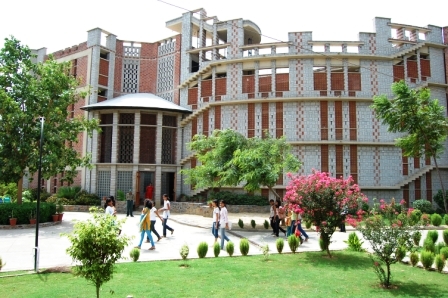
Engineering Colleges Without JEE Main — 2026
Over 20 lakh students apply for JEE Main annually, yet many engineering aspirants pursue alternative admission routes for 2026. These engineering colleges without JEE Main offer diverse pathways, including state-level entrance exams, university-specific tests, and direct admissions based on Class 12 marks.
| Admission Pathway Type | Key Entrance Exam (if applicable) | General Eligibility Criteria | Example Colleges (Illustrative) |
|---|---|---|---|
| State-Level Entrance Exams | MHT-CET 2026, WBJEE 2026, KEAM 2026, AP EAMCET 2026, TS EAMCET 2026, KCET 2026, TNEA 2026 | Minimum 45-50% aggregate in Physics, Chemistry, and Mathematics (PCM) in Class 12. | VJTI Mumbai, ICT Mumbai, Jadavpur University, Government College of Engineering Karad |
| University-Specific Entrance Exams | BITSAT 2026, VITEEE 2026, SRMJEEE 2026, COMEDK UGET 2026, LPUNEST 2026, AEEE 2026, IIIT Hyderabad UGEE 2026, UPESEAT 2026 | Varies by institute; typically 50-60% in PCM in Class 12. BITS Pilani requires valid BITSAT scores. | BITS Pilani, VIT Vellore, SRM Institute Chennai, Manipal Institute of Technology, Symbiosis Institute of Technology Pune |
| Direct Admission (Merit-Based) | No specific entrance exam; based on board exam performance. | Minimum 45-50% aggregate in PCM in Class 12. Some colleges may require 60% or higher. | Thapar Institute of Engineering and Technology Patiala, Amity University Noida, Sigma University Gujarat |
| Management Quota | No specific entrance exam; internal evaluation or 12th marks. | Minimum 45-50% aggregate in PCM in Class 12. Available in many private universities (e.g., 15% seats in UP). | RV College of Engineering Bangalore, BMS College of Engineering Bangalore, Amity University, Nirma University |
| Lateral Entry (LEET) | State LEET exams or direct admission for Diploma holders. | Diploma in Engineering with a minimum aggregate percentage (e.g., 50-60%). Entry into 2nd year of B.Tech. | Various state engineering colleges (e.g., through UPTAC in Uttar Pradesh). |
| Olympiad Quota | Performance in national/international Science Olympiads. | Indian national or OCI/PIO card holder. Specific Olympiad participation and rank. | IIT Madras (SCOPE), IIT Kanpur, IIT Gandhinagar, IIT Bombay (for selected B.Tech courses) |
| CUET (Common University Entrance Test) | CUET UG 2026 (conducted by NTA) | Minimum 45-50% aggregate in Class 12. Specific subject combination for B.Tech. | Various central and state universities across India. |
| DASA/NRI Quota | No specific entrance exam; based on DASA scheme or NRI status. | Eligibility as per DASA guidelines or NRI criteria. | NITs (for B.Tech courses). |
These alternative admission routes are for students, broadening access to quality engineering education, including B.Tech admission without JEE for average students.
Engineering Colleges Without JEE Main: Types, Categories & Key Components Explained
India offers diverse pathways to B.Tech degrees for 2026 admissions, with numerous institutions accepting alternatives to JEE Main scores. Over 1,500 engineering colleges across the country provide admission through state-level entrance exams, university-specific tests, or direct merit-based criteria.
| Type/Category | Details | Key Feature |
|---|---|---|
| Private Deemed Universities (Own Entrance Exams) | Institutions like VIT Vellore, SRM Institute Chennai, BITS Pilani, and Manipal Institute of Technology conduct their own entrance exams for B.Tech admissions. VITEEE 2026, SRMJEEE 2026, BITSAT 2026, and Manipal Entrance Test (MET) are key examples. | Offer admission based on university-specific tests, often with strong industry partnerships and infrastructure. |
| State Government Colleges (State CETs) | Many state-funded colleges accept scores from state-level Common Entrance Tests (CETs) instead of JEE Main. Examples include Veermata Jijabai Technology Institute (VJTI) Mumbai and Institute of Chemical Technology (ICT) Mumbai. | Admission through MHT-CET (Maharashtra), WBJEE (West Bengal), KEAM (Kerala), AP EAMCET (Andhra Pradesh), TS EAMCET (Telangana), and KCET (Karnataka). |
| Direct Admission Based on 12th Marks | Several private engineering colleges, including some in Delhi NCR and Uttar Pradesh, offer direct admission for B.Tech programs based on Class 12th marks. A minimum of 45-60% aggregate in Physics, Chemistry, and Mathematics is typically required. | Primarily for private institutions; eligibility often includes a minimum 10+2 percentage. |
| Management Quota Admissions | Private universities like Amity University, Thapar University, Nirma University, Sharda University, and Lovely Professional University reserve a percentage of seats (up to 15% in some states like UP) for management quota. | Admission without JEE Main scores, often based on 12th-grade marks or an internal evaluation process, typically with higher fees. For more details on this route, refer to our guide on Management Quota Fees Engineering Colleges. |
| NRI Quota Admissions | Many private and some government-aided institutions offer seats under the Non-Resident Indian (NRI) quota for eligible candidates. | Specific eligibility criteria apply for NRI status, providing an alternative admission route. |
| Lateral Entry (LEET) for Diploma Holders | Diploma holders in engineering can gain direct admission to the second year of B.Tech programs through Lateral Entry Entrance Tests (LEETs) conducted at the state level. | Allows Diploma graduates to join B.Tech in the second year, bypassing first-year entrance exams. |
| Central Universities Common Entrance Test (CUET) | Several central and state universities, including some engineering colleges, accept CUET scores for B.Tech admissions. CUET is conducted by NTA and provides a unified platform. | A single national-level entrance exam for admission to various undergraduate programs across participating universities. |
| Olympiad-based Admissions (for select IITs) | IITs like IIT Madras, IIT Kanpur, IIT Gandhinagar, and IIT Bombay offer direct B.Tech admission for selected courses through programs like Science Olympiad Excellence (SCOPE) or other Olympiad routes. | Highly selective pathway for exceptional students excelling in national/international science Olympiads. |
| Government Engineering College, Karad | This government college in Maharashtra offers B.Tech admission without JEE Main scores, primarily through the MHT-CET. | Accepts state-level entrance exam scores for admission. |
| Jadavpur University, Kolkata | A highly prestigious government university in Kolkata, Jadavpur University accepts WBJEE scores for its engineering programs. | Admission based on WBJEE, a state-level entrance exam for West Bengal. |
| DIT Institute Dehradun | DIT Institute Dehradun offers B.Tech admissions based on its own entrance test scores or merit in qualifying examinations. | Utilizes institutional-level entrance exams or merit for selection. |
| Symbiosis Institute of Technology (SIT), Pune | SIT Pune accepts scores from state-level exams like KCET and COMEDK UGET for its B.Tech programs. | Offers interdisciplinary engineering methodologies and real-world problem analysis. |
| Sigma University, Gujarat | This private university offers AICTE-approved B.Tech programs through its university admissions portal, evaluating candidates based on merit or university-specific tests. | Known for industry collaborations, affordable fees, and a balanced academic approach. |
| Thapar Institute of Engineering and Technology (TIET), Patiala | TIET provides B.Tech admission without mandatory JEE Main scores, accepting 10+2 marks or its own entrance exams, alongside management quota options. | Offers good campus placements and flexible admission criteria. |
| RV College of Engineering, Bangalore | A top private engineering college in Bangalore, RVCE offers direct admission, management quota, and NRI management quota options for B.Tech. | Provides multiple pathways for admission beyond JEE Main. |
| BMS College of Engineering, Bangalore | BMSCE, another leading institution in Bangalore, helps B.Tech admission through direct admission and management quota. | Offers alternative admission routes for engineering aspirants. |
| Dayananda Sagar College of Engineering, Bangalore | This Bangalore-based college provides direct admission for its B.Tech programs, catering to students seeking alternatives to JEE Main. | Focuses on direct admission based on academic merit. |
| PES College of Engineering, Bangalore | PESCE offers B.Tech admission through direct admission and management quota, providing flexibility for applicants. | Known for its direct admission and management quota options. |
| Heritage Institute of Technology, Kolkata | Heritage Institute of Technology accepts JEE Main ranks, offers alternative admission pathways, making IT accessible for students with varying scores. | Considers JEE Main ranks and other admission criteria. |
| IEM Kolkata | IEM Kolkata, like other institutions in West Bengal, considers JEE Main ranks for admission has provisions for other entry modes. | Provides admission through various channels, including JEE Main ranks. |
These diverse admission categories and components ensure that students have multiple avenues to pursue engineering degrees in 2026, even without a JEE Main score. Understanding these options is for students exploring B.Tech admission without JEE for average students.
Engineering Colleges Without JEE Main: Key Statistics & Data Points for 2026
For the 2026 academic session, over 15 major state-level and university-specific entrance exams offer B.Tech admissions without JEE Main scores. These alternative pathways cater to thousands of students seeking engineering degrees across India, providing diverse entry points.
Key Alternative Engineering Entrance Exams for 2026
Several entrance examinations provide admission to engineering colleges without requiring JEE Main scores. These tests are for students targeting state government, private, and deemed universities.
| Entrance Exam | Conducting Body/College | States/Colleges Covered | Admission Mode | Key Dates (2026) |
|---|---|---|---|---|
| MHT-CET | State Common Entrance Test Cell, Maharashtra | Maharashtra | State-level counselling | April 11-19 (Engineering), May 14-17 (Pharmacy) (tentative) |
| WBJEE | West Bengal Joint Entrance Examinations Board | West Bengal (e.g., Jadavpur University) | State-level counselling | To be announced (typically April) |
| KEAM | Commissioner for Entrance Examinations (CEE), Kerala | Kerala | State-level counselling | To be announced (typically May/June) |
| BITSAT | Birla Institute of Technology and Science (BITS) | BITS Pilani, Goa, Hyderabad campuses | University-level entrance test | Session 1: May (expected), Session 2: June (expected) |
| VITEEE | Vellore Institute of Technology (VIT) | VIT Vellore, Chennai campuses | Deemed university entrance test | April (expected) |
| SRMJEEE | SRM Institute of Science and Technology | SRM Campuses (Chennai, Delhi NCR, etc.) | Deemed university entrance test | Phase 1: April (expected), Phase 2: June (expected) |
| COMEDK UGET | Consortium of Medical, Engineering and Dental Colleges of Karnataka | Karnataka (private engineering colleges) | State-level counselling | May (expected) |
| LPUNEST | Lovely Professional University (LPU) | Lovely Professional University | University-level entrance test | Multiple phases throughout the year |
| AP EAPCET (EAMCET) | Andhra Pradesh State Council of Higher Education (APSCHE) | Andhra Pradesh | State-level counselling | Application release: Second week of March (2026) |
| TS EAPCET (EAMCET) | Telangana State Council of Higher Education (TSCHE) | Telangana | State-level counselling | Application release: Third week of February (2026) |
| KCET | Karnataka Examinations Authority (KEA) | Karnataka (government and private colleges) | State-level counselling | April (expected) |
| CUET (UG) | National Testing Agency (NTA) | Central, State, Deemed, Private Universities | National-level entrance test | May (expected) |
| UPTAC (UPCET) | Dr. A.P.J. Abdul Kalam Technical University (AKTU) | Uttar Pradesh (state government engineering colleges) | State-level counselling | July (expected) |
These state and university-specific exams provide admission opportunities for students across various regions, often with different eligibility criteria than JEE Main.
People Also Read
-
 JEE Main Marks vs Percentile 2026 Engineering
 -

-
-
Eligibility & Admission Criteria for Non-JEE Main Routes (2026)
Admission to engineering colleges without JEE Main scores involves diverse eligibility and selection processes. Students must meet specific academic percentages and follow distinct application procedures for each route.
| Admission Route | Eligibility Criteria (12th PCM %) | Key Selection Process | Applicable Colleges/Types |
|---|---|---|---|
| Merit-based Admission | Minimum 45-50% aggregate in Physics, Chemistry, and Mathematics (PCM) | Online application, document upload, merit evaluation based on 12th marks | Many private engineering colleges, some state government universities |
| Management Quota | Minimum 45-50% aggregate in PCM (varies by college) | Direct application to college, internal evaluation, often higher fees | Private and deemed universities (e.g., Amity, Thapar, Nirma, Sharda, LPU) |
| Lateral Entry (LEET) | Diploma in Engineering with a minimum aggregate percentage (varies) | State LEET exams or direct admission based on Diploma marks | Entry to 2nd year B.Tech in various engineering colleges |
| University-Specific Entrance Exams | Minimum 50-60% aggregate in PCM (e.g., 50%+ for SRM Institute) | Qualifying in the respective university’s entrance exam (e.g., BITSAT, VITEEE, SRMJEEE) | BITS Pilani, VIT, SRM, LPU, Manipal University, Gurukul University, IP University |
| Science Olympiad Route | Indian national or OCI/PIO card holder | Selection based on performance in national/international Science Olympiads | Selected B.Tech courses at IIT Madras, IIT Kanpur, IIT Gandhinagar, IIT Bombay |
| CUET (UG) Admission | Minimum 50% aggregate in 12th grade (varies by university) | Qualifying in the Common University Entrance Test (CUET UG) conducted by NTA | Various central, state, and private universities across India |
| State Counselling (without 75% criteria) | Minimum 45% aggregate in 12th grade (for some state colleges) | JEE Main rank (even low ranks) or state-level exam scores, followed by state counselling | USIT Delhi, COEP Pune, IET Lucknow, BIET Jhansi, IGDTUW Delhi, HBTU Kanpur, UIET Chandigarh |
These varied criteria offer flexibility for students who may not meet JEE Main requirements or prefer alternative admission pathways.
Key Admission Data Points for Engineering Without JEE Main (2026)
Understanding specific data points related to alternative admissions helps students plan their applications effectively for the 2026 academic year.
| Metric | Value/Range | Context/Details |
|---|---|---|
| Minimum 12th PCM Aggregate | 45-50% | Required for general engineering colleges and direct admission routes. |
| Management Quota Seats | 15% | Percentage of seats reserved in private universities, particularly in states like Uttar Pradesh. |
| NRI Quota Availability | Available | Alternative admission route for Non-Resident Indian candidates in many private and some government colleges. |
| Lateral Entry Year of Admission | 2nd Year B.Tech | Diploma holders can join the second year of B.Tech programs through state LEET exams. |
| JEE Main 75% Eligibility Criteria | Reinstated for 2026 | General category students need 75% in 12th board exams for NITs, IIITs, and CFTIs, pushing some to seek alternatives. |
| JEE Main 65% Eligibility Criteria | For 2026 (SC/ST) | SC/ST candidates require 65% or a position in the top 20 percentile of their board for JEE Main admissions. |
| Application Deadline (AP EAPCET 2025) | Second week of March 2026 | Expected release of application forms for Andhra Pradesh’s state-level engineering entrance. |
| Application Deadline (TS EAPCET 2025) | Third week of February 2026 | Expected release of application forms for Telangana’s state-level engineering entrance. |
| Documents for Direct Admission | 10th & 12th mark sheets, ID proof, caste Certificate (if applicable), passport photos, migration/transfer Certificate | documents for direct admission to private engineering colleges without entrance exams. |
| Private College Eligibility (without 75% rule) | 60% or 50% aggregate in PCM | Many private engineering colleges do not enforce the 75% criteria for 12th board marks. |
These statistics the multiple avenues available for students to pursue engineering degrees in 2026, even without a JEE Main score.
How Engineering Colleges Without JEE Main Works: Process, Steps & Key Details
Students can pursue B.Tech degrees in 2026 through various alternative admission processes without appearing for JEE Main. These routes include state-level entrance exams, private university tests, and direct admission based on Class 12th marks, offering multiple pathways for over 20 lakh applicants annually.
- **State-Level Entrance Exams:** Many government and private engineering colleges accept scores from state-specific Common Entrance Tests (CETs). Examples include MHT-CET (Maharashtra), WBJEE (West Bengal), KEAM (Kerala), AP EAMCET (Andhra Pradesh), TS EAMCET (Telangana), KCET (Karnataka), and COMEDK UGET. These exams are for admission to state government universities and autonomous institutes.
- **Private/Deemed University Entrance Tests:** Several prominent private and deemed universities conduct their own entrance examinations for B.Tech admissions. Key examples include BITSAT (BITS Pilani), VITEEE (VIT Vellore), SRMJEEE (SRM Institute), LPUNEST (Lovely Professional University), and AEEE (Amrita University). Students must apply directly through the university’s official website for these tests.
- **Direct Admission Based on Class 12th Marks:** Many private engineering colleges offer direct admission to B.Tech programs based on Class 12th board examination scores. Eligibility typically requires a minimum of 45% to 60% aggregate in Physics, Chemistry, and Mathematics (PCM). This route is common in colleges that do not mandate JEE Main scores.
- **Management Quota Seats:** Private universities often reserve a percentage of seats, sometimes up to 15% in states like Uttar Pradesh, under a management quota. Admission through this route does not require JEE Main scores and is based on Class 12th marks or an internal evaluation process, though the fee structure is generally higher. Students can explore management quota fees in engineering colleges for more details.
- **Common University Entrance Test (CUET):** The National Testing Agency (NTA) conducts CUET for admission to various undergraduate courses, including B.Tech, in several central and state universities. This provides a unified entrance pathway for many institutions without relying on JEE Main.
- **Lateral Entry for Diploma Holders:** Students holding an engineering Diploma can gain direct admission into the second year of a B.Tech program through Lateral Entry Entrance Tests (LEET) conducted by various states or universities. This pathway is specifically designed for Diploma holders seeking to continue their engineering education.
- **Olympiad-Based Admissions:** A few IITs, such as IIT Madras, IIT Kanpur, IIT Gandhinagar, and IIT Bombay, offer direct B.Tech admission for selected courses to students with exceptional achievements in national or international Science Olympiads. This is a highly selective, merit-based pathway for Indian nationals or OCI/PIO cardholders.
- **Application and Counselling Process:** The general application process for these alternative routes involves online form submission, uploading Class 10th and 12th mark sheets, passport-size photographs, and caste/migration certificates (if applicable), followed by fee payment. State-level admissions often involve Centralized Admission Process (CAP) rounds for seat allocation based on entrance ranks, preferences, and seat availability.
These diverse admission processes provide numerous opportunities for students to pursue engineering without JEE Main scores in 2026, catering to various academic profiles and preferences.
Engineering Colleges Without JEE Main: Benefits, Advantages & Why Students Choose IT
Over 20 lakh students apply for JEE Main annually, making IT one of India’s most competitive exams. Opting for engineering colleges without JEE Main offers several distinct advantages, including diverse admission pathways and reduced academic pressure for the 12th-grade student. This route provides access to a wide array of reputable institutions across India for the 2026-2027 academic session.
- Multiple Admission Pathways: Students gain access to numerous state-level entrance exams like MHT-CET (Maharashtra), WBJEE (West Bengal), KEAM (Kerala), and AP EAMCET (Andhra Pradesh). These exams open doors to government and private engineering colleges in specific regions, often with less competition than JEE Main.
- Broader Eligibility Criteria: Many private engineering colleges and deemed universities accept students with 12th-grade PCM aggregate scores as low as 45-60%, unlike the 75% criteria for NITs and IITs. This allows a larger pool of students to pursue a B.Tech degree in 2026.
- Reduced Exam Pressure: Avoiding the single, high-stakes JEE Main exam can significantly lower stress for students. Instead, they can focus on performing well in state-level tests or university-specific entrance exams like VITEEE (VIT Vellore) or SRMJEEE (SRM Institute), which often have multiple attempts.
- Access to Reputable Institutions: Many highly-rated private universities and state government colleges, such as BITS Pilani (through BITSAT) and Jadavpur University (through WBJEE), offer quality engineering programs without mandatory JEE Main scores. These institutions often boast strong industry connections and placement records.
- Scholarship Opportunities: Deemed universities frequently offer fee waivers or scholarships to top rank holders in their own entrance exams, benefiting students who perform well in these specific tests. For example, VITEEE and SRMJEEE provide such incentives for high achievers.
- Direct Admission and Management Quota: Some private colleges offer direct admission based on 12th-grade marks or through management quotas, which typically account for about 15% of seats in private universities in states like Uttar Pradesh. This provides an alternative for students who prefer not to take any entrance exam.
- Focus on Specific Interests: University-specific entrance exams or merit-based admissions may allow colleges to evaluate a student’s overall academic profile and aptitude for specific engineering branches. This can lead to a better fit between the student’s interests and the program’s offerings.
- Lateral Entry Options: Diploma holders can gain direct admission into the second year of B.Tech programs through state-level Lateral Entry Entrance Tests (LEETs). This pathway is a significant advantage for students with prior technical education, bypassing the first year of engineering studies.
Choosing engineering colleges without JEE Main in 2026 provides students with flexibility, diverse opportunities, and a less stressful path to a B.Tech degree.
Engineering Colleges Without JEE Main: Vs Alternatives: Which Option is Best?
Over 20 lakh students apply for JEE Main annually for 2026 engineering admissions. However, many reputable engineering colleges offer admission through state-level entrance exams or direct merit, providing viable alternatives for B.Tech aspirants. The table below compares the JEE Main route with these alternative admission pathways for engineering programs in 2026.
| Feature | JEE Main Route (for NITs/IIITs/CFTIs) | Non-JEE Main Alternatives |
|---|---|---|
| Primary Entrance Exam | JEE Main 2026 (Session 1: Jan 21-30; Session 2: Apr 1-10) | State CETs (MHT-CET, WBJEE, KEAM, AP EAMCET, TS EAMCET, KCET); Private University Exams (BITSAT, VITEEE, SRMJEEE, LPUNEST, COMEDK); CUET |
| Colleges Covered | NITs, IIITs, CFTIs, some GFTIs, and many state government colleges | VJTI Mumbai, ICT Mumbai, Jadavpur University, BITS Pilani, VIT Vellore, SRM Institute, MIT Manipal, Sigma University, Thapar University, Amity University |
| General Eligibility (12th Board) | Minimum 75% aggregate in Physics, Chemistry, and Mathematics (General category) or top 20 percentile of board | Minimum 45-60% aggregate in Physics, Chemistry, and Mathematics (varies by college/exam); some private colleges accept lower |
| Competition Level (2026) | Very High (20 lakh+ applicants); 87 percentile has tough chances for top government colleges | Moderate to High; varies significantly by exam and college; deemed universities offer scholarships for top ranks |
| Application Process | NTA portal for JEE Main, then JoSAA counselling for central institutes | Individual state CET portals, private university websites; state-level counselling (e.g., CAP rounds in Maharashtra) |
| Other Admission Modes | DASA/NRI quota, Lateral Entry (for Diploma holders) | Management Quota (up to 15% seats in private universities), NRI Quota, Direct Admission based on 12th marks, Lateral Entry |
| Key Dates (2026) | JEE Main Session 2: April 2-9; JEE Advanced Results: June 02 | MHT-CET: April 11-19 (PCM), May 14-17 (PCB); AP EAMCET: March (application release) |
| Board Marks Weightage | for 75% criteria; not directly used for rank calculation | Directly used for merit-based admissions; often a primary factor for direct admission in private colleges |
Students have diverse pathways to engineering education in 2026, with state and private university exams offering significant opportunities beyond the highly competitive JEE Main. The JEE Main 2026 Session 2 registration window reopened briefly in March, the dynamic admission . Many private institutions also offer Management Quota fees for direct admissions.
Common Misconceptions About Engineering Colleges Without JEE Main
Over 20 lakh students apply for engineering admissions annually, and many hold misconceptions about colleges not requiring JEE Main 2026 scores. Clarifying these points helps identify viable B.Tech admission paths and quality institutions.
- Only private colleges offer admission without JEE Main. Several government engineering colleges also admit students through state-level entrance exams. Jadavpur University in Kolkata accepts WBJEE scores, while VJTI Mumbai considers MHT-CET results for B.Tech programs.
- Colleges without JEE Main are always of lower quality. Highly-ranked institutions like Jadavpur University and BITS Pilani offer B.Tech degrees without JEE Main, using their own or state-level exams. These colleges maintain strong academic standards and placement records.
- Direct admission means no eligibility criteria or easy entry. Direct admission, including management quota seats, still requires specific academic eligibility, typically 45-60% aggregate in Class 12th PCM. Some colleges also conduct internal evaluations or interviews.
- A low JEE Main percentile (e.g., 40-80) leaves no engineering options. Students with lower JEE Main 2026 percentiles can still secure B.Tech admission in new NITs, IIITs, or numerous private colleges. IIIT Vadodara, for instance, accepts lower JEE Main ranks for specific branches.
- All top private engineering colleges accept JEE Main scores. Several top private universities, such as BITS Pilani and VIT Vellore, conduct their own highly competitive entrance exams. They do not primarily rely on JEE Main scores for their B.Tech admissions.
Exploring these alternative admission pathways and understanding actual college criteria can open up many quality engineering opportunities for 2026 aspirants.
What to Do Next: Actionable Steps
Students seeking B.Tech admission in 2026 without JEE Main scores have over 15 state-level entrance exams and numerous university-specific tests as viable options. These alternative routes often consider Class 12 board marks, with eligibility typically requiring 45-60% aggregate in Physics, Chemistry, and Mathematics.
- **Explore State-Level Entrance Exams:** Investigate state-specific engineering entrance exams like MHT-CET 2026 (Maharashtra), WBJEE 2026 (West Bengal), KEAM 2026 (Kerala), AP EAMCET 2026 (Andhra Pradesh), and TS EAMCET 2026 (Telangana). MHT-CET 2026 applications are expected to open in December 2025 (Source: cetcell.mahacet.org).
- **Consider Deemed & Private University Exams:** Apply for university-level entrance tests such as BITSAT 2026 (BITS Pilani), VITEEE 2026 (VIT Vellore), and SRMJEEE 2026 (SRM Institute). BITS Pilani does not accept JEE Main scores for its BE courses, relying solely on BITSAT performance.
- **Check Direct Admission & Merit-Based Options:** Many private engineering colleges and some government autonomous institutes offer direct admission based on Class 12 board marks, typically requiring 50-60% in PCM. Some colleges, like Thapar University, also offer admission through management quota or their own entrance exams.
- **Understand Management & NRI Quotas:** Private universities often reserve up to 15% of seats under management quota, which may not require JEE Main scores and rely on 12th-grade marks or internal evaluations. NRI quota admissions are also available in several institutions for the 2026 academic year.
- **Prepare for CUET 2026:** The Common University Entrance Test (CUET), conducted by NTA, is accepted by various central and state universities for undergraduate engineering courses. This exam provides a unified pathway for admission to many institutions across India.
- **Gather Required Documents:** For direct admissions or counselling processes, prepare Class 10 and 12 mark sheets, certificates, passport-size photographs, caste category certificates (if applicable), migration/transfer certificates, and ID proof. Early preparation helps manage multiple entrance exams and meet changing eligibility norms.
Key Takeaways
- Over 15 state-level engineering entrance exams and numerous private university tests offer B.Tech admissions for 2026 without JEE Main scores.
- Eligibility for these alternative routes typically requires 45-60% aggregate in Class 12 PCM, with specific criteria varying by institution.
- Management quota and direct admission based on board marks are common in private colleges, while state counselling processes allocate seats based on state CET ranks.
Research specific college admission criteria and apply for relevant state or university entrance exams before their 2026 deadlines.
Frequently Asked Questions (FAQs)
Can I get admission to a good engineering college with 40 percentile in JEE Main 2026?
Yes, you can apply to colleges like New NITs (e.g., NIT Sikkim, NIT Arunachal Pradesh) with lower JEE Main cutoffs or opt for state-level exams like AP EAMCET 2026. New NIT branches like Chemical or Production Engineering accept 40-60 percentiles, with annual fees ranging ₹1.2-2.5 lakh (government quota).
How to get into IIT without JEE Main 2026?
IITs require JEE Main + JEE Advanced for B.Tech admission. However, IITs like IIT Bombay and IIT Madras offer B.SC and integrated M.SC programs (admission via CUET 2026) with annual fees ₹15,000-₹50,000. These programs have limited seats and require 75%+ in Class 12 (CBSE).
What are the best private engineering colleges without JEE Main 2026?
Top options include VIT Vellore (VITEEE 2026 cutoff: 60+ percentile), BITS Pilani (BITSAT 2026), and MIT Manipal (MET 2026). Fees range ₹2.5-5 lakh/year, with placements averaging ₹6-10 LPA. VITEEE application forms are available from March 2026.
Are there government engineering colleges without JEE Main 2026?
Yes, colleges like Veermata Jijabai Technology Institute (VJTI) Mumbai and Government College of Engineering (GCE) Karad admit students via state-level exams like MHT-CET. Annual fees start at ₹48,000, with placements at VJTI reaching ₹20 LPA (2025 data).
What are the alternatives to JEE Main 2026 for engineering admissions?
Alternatives include state exams (AP EAMCET 2026, KCET 2026), university exams (VITEEE, SRMJEEE), and CUET 2026 for B.SC programs. AP EAMCET 2026 application starts March 2026, with 23,000+ engineering seats available in Andhra Pradesh alone.
Is direct admission to engineering colleges without JEE Main 2026 possible?
Yes, private colleges like SRM Chennai and KIIT Bhubaneswar offer direct admission under management/NRI quotas. Fees are higher (₹4-8 lakh/year) and require 60%+ in Class 12. KIITEEE 2026 ranks also allow fee waivers for top 1,000 rank holders.
What is the eligibility for engineering colleges without JEE Main 2026?
Candidates need 60-75% in Class 12 PCM with physics, chemistry, and maths. For state colleges like GCE Karad, domicile is mandatory. Private colleges like VIT Vellore require only Class 12 marks, with no age limit (as per 2025 guidelines).
Disclaimer: The information provided in this article is sourced from official websites, NIRF rankings, and publicly available data. Fees, placement figures, and other details may vary. Please verify with the official institution website for the most current information.