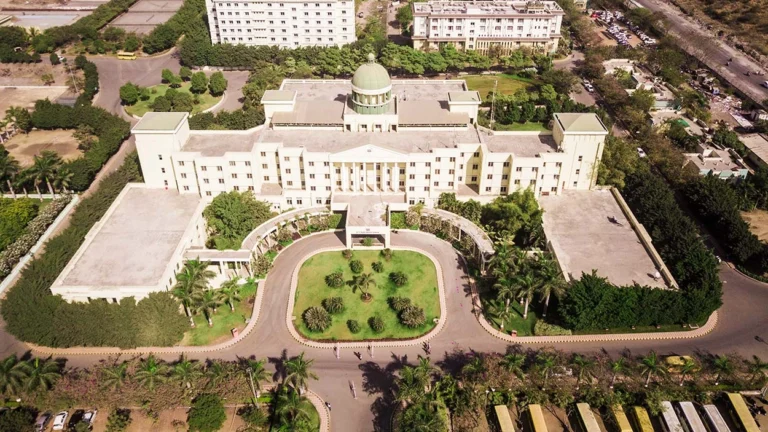
Master of Arts (MA) 2026: Course, Subjects, Top Colleges, Fees & Career Scope India
The Master of Arts (MA) is a popular postgraduate degree for students who want to deepen their understanding of humanities, social sciences, and liberal arts. Offered in a wide range of specializations such as English, History, Political Science, Economics, Sociology, Psychology, and more, the MA program in 2026 focuses on critical thinking, research skills, and subject expertise.
In India, MA courses are available through central, state, private, and distance universities, making them accessible to students from diverse academic backgrounds. With affordable fees in government colleges and strong career prospects in education, research, civil services, media, and corporate sectors, an MA degree opens doors to both academic and professional growth.
In this blog, you will find complete details about the MA 2026 course, subjects, top colleges, fees, and career scope in India.
What is MA?
MA (Master of Arts) is a postgraduate degree focused on advanced study in humanities, social sciences, and liberal arts. It is typically a 2-year program in India and is open to graduates from relevant or related disciplines, depending on the specialization.
An MA course allows students to specialize in subjects such as English, History, Political Science, Economics, Sociology, Psychology, Geography, Public Administration, and more. The program emphasizes theoretical knowledge, critical analysis, research methodology, and academic writing.
MA degrees are offered by central, state, private, and distance universities, making them widely accessible. Graduates can pursue careers in teaching, research, civil services, media, public policy, NGOs, content writing, and corporate roles, or continue with PhD and research programs for academic advancement.
| Particulars | Details |
|---|---|
| Course Name | Master of Arts (MA) |
| Course Level | Postgraduate |
| Duration | 2 Years |
| Eligibility | Bachelor’s degree in relevant/any discipline |
| Popular Specializations | English, History, Political Science, Economics, Sociology, Psychology |
| Admission Process | Merit-based / Entrance Exam |
| Course Mode | Regular, Distance, Online |
| Average Fees | ₹10,000 – ₹1,50,000 per year |
| Career Options | Teacher, Researcher, Civil Servant, Content Writer, Policy Analyst |
| Further Studies | PhD, MPhil, NET/JRF |
List of MA Specializations
The Master of Arts (MA) offers a wide range of specializations that allow students to build expertise in a specific subject area. Each specialization focuses on developing subject knowledge, analytical skills, research ability, and career-oriented competencies. Below is a detailed explanation of the most popular MA specializations in India.
MA in English
MA English focuses on literature, linguistics, literary theory, and critical analysis. Students study Indian and world literature, poetry, drama, and prose. It is ideal for careers in teaching, publishing, content writing, media, and research.
MA in History
MA History deals with ancient, medieval, modern, and world history. The course emphasizes historical research, interpretation of sources, and analytical writing. Career options include teaching, research, archaeology, museums, and civil services.
MA in Political Science
This specialization covers political theory, Indian politics, international relations, public administration, and comparative politics. It is suitable for students aiming for careers in civil services, policy research, teaching, think tanks, and NGOs.
MA in Economics
MA Economics focuses on microeconomics, macroeconomics, econometrics, public finance, and development economics. Graduates can work as economists, analysts, researchers, bankers, and policy advisors or pursue higher studies like PhD.
MA in Sociology
MA Sociology studies society, social behavior, institutions, and social change. It includes topics like social stratification, gender studies, rural and urban society, and research methods. Career paths include social research, NGOs, academia, and government roles.
MA in Psychology
MA Psychology emphasizes human behavior, mental processes, counseling, and research methods. Specializations may include clinical, counseling, or organizational psychology. Graduates can work in counseling centers, HR, schools, hospitals, and research organizations.
MA in Geography
MA Geography covers physical geography, human geography, environmental studies, GIS, and remote sensing. It prepares students for careers in urban planning, environmental management, teaching, and research.
MA in Public Administration
This specialization focuses on public policy, governance, administrative theory, and Indian administration. It is highly beneficial for civil services aspirants and careers in government, public sector units, and policy-making bodies.
MA in Philosophy
MA Philosophy explores ethics, logic, metaphysics, Indian and Western philosophy. It develops strong reasoning and analytical skills, useful in teaching, research, writing, and civil services preparation.
MA in Hindi / Regional Languages
MA in Hindi or regional languages like Tamil, Bengali, Telugu, or Marathi focuses on literature, language structure, and criticism. Graduates can work in teaching, translation, media, publishing, and cultural organizations.
| MA Specialization | Key Subjects Covered | Career Scope |
|---|---|---|
| MA English | Literature, Linguistics, Literary Theory | Teaching, Content Writing, Publishing |
| MA History | Ancient, Medieval, Modern History | Teaching, Research, Civil Services |
| MA Political Science | Political Theory, IR, Indian Politics | Policy Analyst, Civil Services, NGOs |
| MA Economics | Micro & Macro Economics, Econometrics | Economist, Analyst, Banking |
| MA Sociology | Social Theory, Research Methods | Social Researcher, NGO, Teaching |
| MA Psychology | Counseling, Clinical Psychology | Psychologist, HR, Counselor |
| MA Geography | Physical & Human Geography, GIS | Urban Planner, Environmental Analyst |
| MA Public Administration | Governance, Public Policy | Government Jobs, Policy Research |
| MA Philosophy | Ethics, Logic, Philosophy | Teaching, Research, Writing |
| MA Hindi / Languages | Literature, Linguistics | Teacher, Translator, Media |
MA (Master’s of Arts) Eligibility
To be eligible for a master of arts (MA) program in India, you typically need a bachelor’s degree with at least 50% marks in a relevant subject. Admission often requires entrance exams like CUET-PG, BHU PET, and JNU entrance. The National Testing Agency (NTA) will conduct the CUET-PG exam in May-June 2026 for admission to central universities. Here are examples of MA specializations:
- MA in Media Studies
- MA in Language Studies
- MA in Composition Studies
- MA in Art and Museum Studies
- MA in English
- MA in Philosophy
- MA in Teaching (MAT)
- MA in Political Science
- MA in Art Education
- MA in History
- MA in Law and Diplomacy
National-Level Entrance Exams
| Entrance Exam | Conducting Body | Colleges Accepting | Notes |
|---|---|---|---|
| CUET-PG | National Testing Agency (NTA) | Central Universities like BHU, JNU, DU, HCU | Common entrance test for PG admissions in central universities |
University-Level Entrance Exams
| Entrance Exam | Conducting Body | Colleges Accepting | Notes |
|---|---|---|---|
| BHU PET | Banaras Hindu University (BHU) | Banaras Hindu University (BHU) | Conducted specifically for PG admissions at BHU |
| JNU Entrance Exam | Jawaharlal Nehru University (JNU) | Jawaharlal Nehru University (JNU) | University-level exam for MA and other PG programs |
Institute / University-Specific Entrance Exams
| Entrance Exam | Conducting Body | Colleges Accepting | Notes |
|---|---|---|---|
| University-Specific Entrance Exams | Individual Universities | Varies by university | Some state and private universities conduct their own PG entrance tests |
Top MA Colleges in India
India has several prestigious universities offering Master of Arts (MA) programs across multiple specializations such as English, History, Political Science, Economics, Sociology, Psychology, and Public Administration. These institutions are known for academic excellence, experienced faculty, strong research culture, and affordable fee structures—especially government-funded universities.
Admissions are generally based on CUET-PG, university-level entrance exams, or merit, depending on the institution. Graduates from these colleges enjoy strong career prospects in teaching, research, civil services, policy-making, media, and corporate roles.
| College / University Name | Location | Popular MA Specializations | Admission Process | Approx. Fees (Per Year) | Key Highlights |
|---|---|---|---|---|---|
| Jawaharlal Nehru University (JNU) | New Delhi | Political Science, Economics, History, Sociology | CUET-PG | ₹10,000 – ₹15,000 | Top-ranked university, strong research culture |
| University of Delhi (DU) | Delhi | English, History, Political Science, Psychology | CUET-PG | ₹12,000 – ₹25,000 | Multiple colleges, excellent faculty |
| Banaras Hindu University (BHU) | Varanasi | History, Sociology, Economics, English | CUET-PG | ₹8,000 – ₹20,000 | Central university, affordable fees |
| University of Hyderabad (HCU) | Hyderabad | Economics, Sociology, History, English | CUET-PG | ₹15,000 – ₹30,000 | Research-focused, strong campus facilities |
| Tata Institute of Social Sciences (TISS) | Mumbai | Social Work, Sociology, Public Policy | CUET-PG / Institute Test | ₹40,000 – ₹1,20,000 | Industry-oriented programs |
| Jamia Millia Islamia (JMI) | New Delhi | English, History, Political Science | CUET-PG | ₹7,000 – ₹15,000 | Minority university, strong humanities focus |
| University of Calcutta | Kolkata | History, Philosophy, Economics | University Entrance | ₹5,000 – ₹20,000 | One of India’s oldest universities |
| University of Mumbai | Mumbai | Psychology, Economics, Sociology | Merit / Entrance | ₹15,000 – ₹40,000 | Strong alumni network |
| Savitribai Phule Pune University | Pune | Economics, Sociology, English | University Entrance | ₹10,000 – ₹30,000 | Research-driven curriculum |
| Jadavpur University | Kolkata | English, History, Philosophy | University Entrance | ₹5,000 – ₹15,000 | Highly reputed arts faculty |
MA (Master’s of Arts) Syllabus
The MA (Master of Arts) syllabus is designed to provide in-depth theoretical knowledge, analytical skills, and research exposure in a chosen specialization. Although the exact syllabus varies by university and subject, the overall course structure and academic components remain similar across most Indian universities. Below is a detailed explanation followed by a full syllabus table.
MA Syllabus Overview
An MA program is usually divided into 4 semesters over 2 years. The syllabus includes core papers, optional/specialization papers, electives, practical or fieldwork (where applicable), and a dissertation or project in the final semester. Emphasis is placed on critical reading, academic writing, presentations, seminars, and research methodology.
Year 1 (Semester 1 & 2)
The first year focuses on foundational and core subjects related to the chosen specialization. Students build conceptual clarity and theoretical understanding.
Year 2 (Semester 3 & 4)
The second year emphasizes advanced topics, specialization areas, electives, and research work, including a dissertation or project.
Detailed MA Syllabus Table (General Structure)
| Semester | Course Components | Topics Covered |
|---|---|---|
| Semester 1 | Core Paper I | Foundations of the discipline, key theories, basic concepts |
| Core Paper II | Historical development and schools of thought | |
| Elective I | Introductory elective related to specialization | |
| Research Methodology | Research design, methods, data collection | |
| Semester 2 | Core Paper III | Advanced theoretical frameworks |
| Core Paper IV | Applied aspects of the subject | |
| Elective II | Interdisciplinary or subject-specific elective | |
| Seminar / Presentation | Academic writing, presentations, discussions | |
| Semester 3 | Core Paper V | Specialized and contemporary topics |
| Core Paper VI | Comparative and analytical studies | |
| Elective III | Skill-based or applied elective | |
| Fieldwork / Practical | Survey, case study, lab/field work (if applicable) | |
| Semester 4 | Dissertation / Project | Independent research and thesis writing |
| Optional Paper | Area-specific advanced subject | |
| Viva Voce | Oral examination on dissertation | |
| Internship (if any) | Industry, NGO, or academic internship |
Specialization-wise Syllabus Highlights
MA English
-
British, American, Indian & World Literature
-
Literary Theory & Criticism
-
Linguistics & Language Studies
-
Research Methods & Dissertation
MA History
-
Ancient, Medieval & Modern History
-
World History
-
Historiography
-
Archival Studies & Research Project
MA Political Science
-
Political Theory
-
Indian Government & Politics
-
International Relations
-
Public Policy & Research
MA Economics
-
Microeconomics & Macroeconomics
-
Econometrics
-
Development & Public Economics
-
Economic Research Project
MA Sociology
-
Sociological Theory
-
Research Methodology
-
Social Stratification & Change
-
Fieldwork & Dissertation
MA Psychology
-
Cognitive & Social Psychology
-
Counseling & Clinical Psychology
-
Psychological Testing
-
Practical Training & Project
MA Assessment Pattern
| Assessment Component | Weightage |
|---|---|
| End-Semester Exams | 60–70% |
| Internal Assessment | 20–30% |
| Dissertation / Project | 20–30% |
| Seminars & Presentations | 10–20% |
MA Fees : University-wise Bifurcation
MA fees vary widely depending on the type of university, infrastructure, and mode of study. Central and state universities are the most affordable, while private and distance universities have higher or fixed program fees.
Central Universities – MA Fees
| University Name | Approx. Fees (Per Year) | Remarks |
|---|---|---|
| Jawaharlal Nehru University (JNU) | ₹25,000 | Highly subsidized, includes hostel & academic charges |
| Banaras Hindu University (BHU) | ₹8,000 – ₹15,000 | Subject-wise fee variation |
| University of Hyderabad | ₹10,000 – ₹20,000 | Research-focused MA programs |
| Aligarh Muslim University (AMU) | ₹8,000 – ₹15,000 | One of the lowest MA fee structures |
| University of Delhi (DU) | ₹15,000 – ₹25,000 | Varies by college & specialization |
| Jamia Millia Islamia (JMI) | ₹8,000 – ₹15,000 | Affordable MA programs |
| University of Mumbai | ₹10,000 – ₹20,000 | College-wise fee difference |
State Universities – MA Fees
| University Name | Approx. Fees (Per Year) | Remarks |
|---|---|---|
| Punjab University | ₹20,000 | Popular for arts & social sciences |
| Calcutta University | ₹12,000 | Low-cost MA education |
| Andhra University | ₹15,000 | Traditional & research-based courses |
| Osmania University | ₹12,000 | Government-funded state university |
| University of Kerala | ₹15,000 | Affordable PG programs |
| University of Madras | ₹12,000 | One of the oldest universities |
| University of Calicut | ₹15,000 | Semester-wise fee structure |
Private Universities – MA Fees
| University Name | Approx. Fees (Per Year) | Remarks |
|---|---|---|
| Amity University | ₹1.5 Lakhs | Premium infrastructure & placements |
| Manipal University | ₹1.2 Lakhs | Industry-oriented curriculum |
| Christ University | ₹1.2 Lakhs | Strong academic reputation |
| Jain University | ₹1 Lakh | Skill-focused MA programs |
| ICFAI University | ₹80,000 | Finance & management-oriented arts programs |
| GITAM University | ₹80,000 | Semi-private university |
| KL University | ₹1 Lakh | Modern teaching approach |
Distance / Online Universities – MA Fees (Total Program)
| University Name | Total Fees | Mode |
|---|---|---|
| NMIMS | ₹50,000 | Online / Distance |
| Sikkim Manipal University | ₹30,000 | Distance |
| Anna University | ₹20,000 | Distance |
| Madras University | ₹15,000 | Distance |
| Bharathiar University | ₹25,000 | Distance |
| Kakatiya University | ₹20,000 | Distance |
| Periyar University | ₹15,000 | Distance |
Career After MA
A Master of Arts (MA) degree opens up diverse career opportunities across education, government, research, media, social sectors, and corporate industries. The career path after MA largely depends on the specialization chosen, skills acquired, and whether a student opts for jobs, competitive exams, or higher studies. Below is a detailed overview of career options after MA in India.
Teaching & Academic Careers
One of the most popular career paths after MA is teaching. Graduates can work as school teachers, lecturers, or professors after completing required qualifications.
-
School Teacher: MA + B.Ed allows teaching in senior secondary schools
-
Assistant Professor: MA + UGC NET/SET
-
Researcher / Academic Fellow: MA + MPhil/PhD
Average Salary: ₹3 – ₹8 LPA (can increase with experience and PhD)
Government Jobs & Civil Services
MA graduates are well-suited for government exams due to strong theoretical knowledge and analytical skills.
-
UPSC Civil Services (IAS, IPS, IFS)
-
State PSC Exams
-
SSC, Banking, Railways
-
Policy Analyst, Research Officer in government departments
Average Salary: ₹4 – ₹15 LPA (varies by role and level)
Research & Higher Studies
Students interested in academics and research can pursue advanced studies.
-
PhD in relevant discipline
-
Research Fellow (JRF/SRF)
-
Think Tanks & Policy Research Institutes
Key Exams: UGC NET/JRF, GATE (for Economics), university PhD entrances
Corporate & Private Sector Careers
Many MA specializations are valued in the corporate world for analytical, communication, and research skills.
-
Content Writer / Editor
-
HR Executive (MA Psychology/Sociology)
-
Market Research Analyst (MA Economics)
-
Public Relations & Corporate Communications
Average Salary: ₹3 – ₹10 LPA
Media, Journalism & Publishing
MA graduates, especially in English, Journalism, or Political Science, can work in media-related fields.
-
Journalist / Reporter
-
News Analyst
-
Editor / Proofreader
-
Publishing Executive
Average Salary: ₹3 – ₹7 LPA
Social Sector & NGOs
MA graduates play an important role in social development and policy implementation.
-
NGO Program Manager
-
Social Researcher
-
Development Consultant
-
Policy Coordinator
Average Salary: ₹3 – ₹6 LPA
Psychology & Counseling Careers
For MA Psychology graduates:
-
Counselor / Therapist (with required certification)
-
School Psychologist
-
HR & Organizational Development Specialist
Average Salary: ₹4 – ₹8 LPA
Freelancing & Self-Employment
MA graduates can also build independent careers.
-
Freelance Writer / Editor
-
Translator / Language Expert
-
Online Tutor / Educator
-
Research Consultant
Income varies based on skills, experience, and client base.
Career Options After MA
| Career Sector | Job Roles | Average Salary |
|---|---|---|
| Teaching & Academics | Teacher, Professor, Researcher | ₹3 – ₹8 LPA |
| Government Jobs | Civil Services, PSC, SSC | ₹4 – ₹15 LPA |
| Corporate Sector | Analyst, HR, PR Executive | ₹3 – ₹10 LPA |
| Media & Journalism | Journalist, Editor | ₹3 – ₹7 LPA |
| NGOs & Social Sector | Program Manager, Researcher | ₹3 – ₹6 LPA |
| Psychology & Counseling | Counselor, Psychologist | ₹4 – ₹8 LPA |
| Freelancing | Writer, Tutor, Consultant | Variable |
Key Skills That Boost Career After MA
-
Strong communication & writing skills
-
Research & analytical ability
-
Data interpretation (for Economics/Sociology)
-
Teaching aptitude & subject expertise
-
Digital & content skills
MA Salary
The salary after MA (Master of Arts) in India varies widely based on specialization, job role, sector, location, and experience. While fresh graduates usually start with modest pay, salaries increase significantly with experience, higher qualifications (NET/PhD), and government positions. Below is a detailed breakdown of MA salary in India across sectors and roles.
Average Salary After MA
-
Freshers: ₹3 – ₹5 LPA
-
Mid-level Professionals (3–5 years experience): ₹5 – ₹8 LPA
-
Senior-Level / Specialized Roles: ₹8 – ₹15+ LPA
Specialization-wise MA Salary
| MA Specialization | Job Roles | Average Salary |
|---|---|---|
| MA Economics | Economist, Analyst, Researcher | ₹5 – ₹12 LPA |
| MA English | Content Writer, Editor, Teacher | ₹3 – ₹7 LPA |
| MA Political Science | Policy Analyst, Govt Officer | ₹4 – ₹10 LPA |
| MA Psychology | Counselor, HR Specialist | ₹4 – ₹8 LPA |
| MA Sociology | Social Researcher, NGO Manager | ₹3 – ₹6 LPA |
| MA History | Teacher, Archivist | ₹3 – ₹6 LPA |
| MA Geography | Urban Planner, GIS Analyst | ₹4 – ₹9 LPA |
| MA Public Administration | Administrator, Policy Officer | ₹4 – ₹10 LPA |
Sector-wise MA Salary
Government Sector
MA graduates in government jobs enjoy high stability, allowances, and long-term salary growth.
-
UPSC / State PSC Officers: ₹8 – ₹15+ LPA
-
Assistant Professor (NET qualified): ₹6 – ₹12 LPA
-
Research Officer / Analyst: ₹5 – ₹10 LPA
Private Sector
Private sector salaries depend heavily on skills, specialization, and organization size.
-
Content & Media Roles: ₹3 – ₹6 LPA
-
Corporate Analyst / HR: ₹4 – ₹8 LPA
-
Consulting & Research Firms: ₹5 – ₹10 LPA
Teaching & Academic Salary After MA
| Position | Qualification | Salary |
|---|---|---|
| School Teacher | MA + B.Ed | ₹3 – ₹6 LPA |
| Assistant Professor | MA + NET | ₹6 – ₹12 LPA |
| Professor | PhD + Experience | ₹10 – ₹20+ LPA |
MA Salary: Experience-wise Growth
| Experience Level | Salary Range |
|---|---|
| Fresher | ₹3 – ₹5 LPA |
| 3–5 Years | ₹5 – ₹8 LPA |
| 6–10 Years | ₹8 – ₹12 LPA |
| 10+ Years | ₹12 – ₹20+ LPA |
Factors Affecting MA Salary
-
Chosen specialization
-
NET/PhD qualification
-
Government vs private sector
-
Work experience & skill set
-
Location and institution reputation
Courses after Completing MA
After completing a Master of Arts (MA), students can choose from a wide range of higher education, professional, research, and skill-based courses to improve career prospects, specialization, and earning potential. The choice depends on whether the goal is academia, government jobs, corporate roles, or skill enhancement. Below is detailed information on the best courses after MA in India.
PhD (Doctor of Philosophy)
PhD is the most popular academic path after MA for students interested in teaching and research.
-
Specialization in the same or related MA subject
-
Required for becoming a Professor
-
Admission through UGC NET/JRF or university entrance exams
Duration: 3–6 years
Career Scope: Professor, Researcher, Academic Consultant
MPhil (where applicable)
Although being phased out in many universities, MPhil is still available in some institutions.
-
Focuses on advanced research and dissertation work
-
Acts as a bridge between MA and PhD
Duration: 1–2 years
B.Ed (Bachelor of Education)
Ideal for MA graduates who want to become school teachers.
-
Mandatory for teaching in secondary and senior secondary schools
-
Suitable for MA English, History, Geography, etc.
Duration: 2 years
Career Scope: School Teacher, Education Administrator
UGC NET / SET Preparation
UGC NET is not a degree but a crucial qualification after MA.
-
Required for Assistant Professor positions
-
Qualifies candidates for JRF (Junior Research Fellowship)
Career Scope: Lecturer, Research Fellow
MBA (Master of Business Administration)
MA graduates can pursue MBA to enter the corporate and management sector.
-
Popular specializations: HR, Marketing, Analytics, Public Policy
-
Suitable for MA Psychology, Economics, Sociology students
Duration: 2 years
Career Scope: Manager, Consultant, HR Professional
Diploma & Certificate Courses
Skill-based programs help MA graduates gain practical expertise.
-
Journalism & Mass Communication
-
Digital Marketing
-
Content Writing & Editing
-
Foreign Languages
-
Data Analysis (for Economics)
Duration: 3 months – 1 year
Career Scope: Freelancing, Corporate roles, Media jobs
Law (LLB)
MA graduates can pursue a 3-year LLB program.
-
Suitable for careers in law, public policy, and civil services
-
Ideal for MA Political Science or Sociology students
Career Scope: Lawyer, Legal Advisor, Policy Expert
Social Work (MSW)
Best for students interested in social development and NGOs.
-
Focus on community development and welfare policies
-
Good option after MA Sociology, Psychology, Political Science
Duration: 2 years
Career Scope: NGO Manager, Social Worker, Program Coordinator
Foreign Language & Translation Courses
MA graduates can specialize in languages.
-
French, German, Spanish, Japanese, Chinese
-
Translation and interpretation programs
Career Scope: Translator, Interpreter, Language Trainer
| Course | Duration | Career Outcome |
|---|---|---|
| PhD | 3–6 Years | Professor, Researcher |
| B.Ed | 2 Years | School Teacher |
| MBA | 2 Years | Manager, HR, Consultant |
| LLB | 3 Years | Lawyer, Legal Advisor |
| MSW | 2 Years | NGO Professional |
| Diploma/Certificate | 3–12 Months | Skill-based Jobs |
| Language Courses | 6–12 Months | Translator, Trainer |
FAQs
Q1. What is MA (Master of Arts)?
MA is a postgraduate degree in humanities and social sciences that focuses on advanced theoretical knowledge, research skills, and subject specialization for academic, government, and professional careers.
Q2. What is the duration of MA course in India?
The MA course in India is typically a two-year postgraduate program divided into four semesters, offered in regular, distance, and online modes by various universities.
Q3. What are the popular MA subjects in 2026?
Popular MA subjects include English, History, Political Science, Economics, Sociology, Psychology, Geography, Public Administration, Philosophy, and regional languages across Indian universities.
Q4. What is the eligibility for MA admission?
Candidates must hold a bachelor’s degree from a recognized university, usually with minimum 45–55% marks, depending on the university and chosen MA specialization.
Q5. What are the top colleges for MA in India?
Top MA colleges in India include JNU, Delhi University, BHU, Jamia Millia Islamia, University of Hyderabad, Aligarh Muslim University, and reputed state universities.
Q6. What is the admission process for MA 2026?
MA admissions in 2026 are based on entrance exams like CUET-PG or university-specific tests, while some colleges also offer merit-based admission.
Q7. What is the average fee for MA in India?
MA fees in India range from ₹8,000 to ₹25,000 per year in government universities, while private universities may charge between ₹80,000 and ₹1.5 lakhs annually.
Q8. What is the syllabus of MA course?
The MA syllabus includes core papers, electives, research methodology, seminars, and a dissertation or project in the final semester, varying by specialization and university.
Q9. What are the career options after MA?
After MA, graduates can pursue careers in teaching, research, civil services, media, corporate roles, NGOs, policy research, or continue higher studies like PhD.
Q10. What is the salary after MA in India?
The average MA salary in India ranges from ₹3–5 LPA for freshers and can increase to ₹8–15 LPA with experience, NET qualification, or government positions.