PhD in Commerce: Courses, Colleges, Fees, and Career Opportunities in India
A PhD in Commerce established you as an expert in the field, opening up roles teaching, consultancy, analyst and other roles. Read about its fees, colleges, eligibility and more here.
The PhD in Commerce is a highly sought-after degree in India for those seeking advanced research specializations in commerce and related fields. Typically spanning 3-6 years, a PhD in Commerce requires candidates to hold a Master’s degree in Commerce or a related discipline with a minimum of 55-60% marks. Admission criteria include qualifying scores on entrance exams like NET or university-level tests, followed by an interview.
Graduates with a PhD in Commerce can pursue diverse career paths as professors, researchers, consultants, and analysts, earning average salaries from INR 4 LPA to 10 LPA based on experience and role. The PhD in Commerce fee structure varies across Indian universities, ranging from a few thousand to several lakhs of rupees annually. This article provides a comprehensive overview of the PhD in Commerce program in India, covering courses, colleges, fees, and career prospects. Get insights into the PhD in Commerce program, from application to career opportunities, including program duration, eligibility, admission processes, and career scope. Whether you’re considering a career
PhD in Commerce: An Overview of the Doctorate Degree in India
The PhD in Commerce is a doctorate degree in India focusing on advanced research in commerce and related fields, typically requiring 3-6 years of full-time study. Take a quick overview of the course below:
| Feature | Details |
|---|---|
| Degree Level | Doctorate |
| Duration | 3-6 years (Full-time) |
| Focus | Advanced research in Commerce and related fields |
| Eligibility | Master’s degree in Commerce or related field with minimum marks |
| Admission Process | Entrance Exam/NET/SET, followed by Interview |
| Average Fees (INR) | INR 10,000 – INR 1,00,000 per year |
| Top Colleges | Delhi School of Economics, University of Delhi, IIM Ahmedabad, IIM Bangalore |
| UGC/AICTE Approval | Mandatory for recognition and accreditation |
| Career Opportunities | Professor, Researcher, Consultant, Analyst |
| Average Salary | INR 4 LPA – 10 LPA (Depends on experience and role) |
PhD in Commerce Eligibility Criteria: Detailed Requirements for Indian Students
To be eligible for a PhD in Commerce in India, you typically need a Master’s degree in Commerce or a related field, with a minimum percentage of marks. Specific requirements vary by university, but here is a broad overview to guide you through typical requirements:
| Criteria | Details | Required Documents |
|---|---|---|
| Educational Qualification | Master’s Degree in Commerce or related discipline from a recognized university | Master’s Degree Certificate and Marksheet |
| Minimum Marks | Typically 55% – 60% in Master’s Degree, with some universities requiring higher percentages | Master’s Degree Marksheet |
| Subject Requirement | Specialization in a relevant area of Commerce, such as Accounting, Finance, or Marketing | Specialization Certificate or Transcript |
| Qualifying UGC-NET | mandatory/primary route for most universities), followed by Interview/Viva. | Scorecard of the Entrance Exam |
| Age Limit | No age limit, although some universities may have specific age requirements for certain programs | Birth Certificate or Government-issued ID |
| Research Proposal | A detailed research proposal outlining the intended research area and methodology | Research Proposal Document |
| Other Requirements | Some universities may require relevant work experience or additional certifications | Experience Certificates or Additional Certification Documents |
| Reservation | Relaxation in eligibility criteria for reserved categories such as SC/ST/OBC/PWD | Caste Certificate or Disability Certificate |
PhD in commerce Admission Process: A Step-by-Step Guide for Indian Universities
The admission process for a PhD in Commerce in Indian universities involves entrance exams, interviews, and document verification. You typically need a Master’s degree in Commerce or a related field with a minimum of 55% marks to be eligible. Candidates must also qualify for the National Eligibility Test (NET). Here is a step-by-step guide:
- Apply for the relevant qualifying exam, primarily UGC-NET (the standard and primary route for PhD admissions in most universities). Some universities may still consider SET/SLET qualifiers (especially state-level ones) for exemptions or alternative entry in limited cases, but UGC-NET is the dominant national mechanism.
- Prepare a research proposal outlining your intended research area and methodology for presentation during the interview.
- Appear for the entrance exam and achieve a qualifying score, which varies by university and exam.
- If shortlisted, attend an interview to present your research proposal and answer questions from the panel.
- Submit a Statement of Purpose (SOP) detailing your academic background, research interests, and career goals.
- Verify your documents, including your Master’s degree certificate, marksheet, and entrance exam scorecard.
- Complete admission formalities, including fee payment, which ranges from INR 10,000 to INR 80,000 per year, depending on the university.
- Finalize enrollment by submitting required documents and fees to begin your PhD journey in Commerce.
- Be aware that some universities may require a written test or presentation, so check the specific requirements of each university you apply to.
Entrance Exams for PhD in commerce in India
The following table outlines common entrance exams for PhD in Commerce programs in India. These exams assess a candidate’s knowledge, skills, and aptitude for advanced research in commerce and related fields. Some universities also conduct their own entrance tests.
| Exam Name | Associated Colleges/Universities | Typically Conducted During |
|---|---|---|
| UGC NET (National Eligibility Test) | Most government universities (e.g., Delhi University, JNU, BHU, University of Hyderabad, Panjab University, Osmania University, University of Madras) and many private ones | June session (May–June) and December session (December–January) |
| UGC NET JRF (Junior Research Fellowship category) | Same as above; priority for funded PhD seats in government institutions | Same as UGC NET (June and December cycles) |
| University-Specific Entrance Tests / RET (Research Eligibility Test) | Some state/central universities if they retain their own (e.g., BHU RET in limited cases, or private like LPU’s LPUNEST, Amity entrance) | Varies by university |
| IIMB Test / Area-Specific Tests (for FPM/PhD in Management/Commerce-related) | IIMs (e.g., IIM Ahmedabad, Bangalore, Calcutta, Raipur, Jammu) for PhD/FPM in Finance, Accounting, Marketing, etc. | October–February |
| Other Accepted Tests (e.g., CAT/GMAT/GRE/GATE) | IIMs and some management-focused PhDs (commerce overlaps like finance/business analytics) | CAT: November; GMAT/GRE: Year-round; GATE: February |
Top Government Colleges for PhD in commerce in India
The following table lists top government colleges in India offering PhD in Commerce programs, along with their city, total fees, financial aid and admission mode.
| College Name (City) | Total Course Fees (Approx.) | Financial Aid | Admission Mode |
|---|---|---|---|
| Jawaharlal Nehru University (JNU), Delhi | INR 20,000 – 40,000 (total for 3 years) | UGC JRF fellowship (INR 37,000-42,000/month + contingency for qualifiers); university merit scholarships, research grants | UGC-NET (primary route) + interview/viva voce; exemptions/priority for JRF holders; research proposal evaluation |
| Delhi University (DU), Delhi | INR 20,000 – 50,000 (total for 3 years) | JRF fellowships, university scholarships, departmental grants; fee waivers for reserved categories | UGC-NET qualification + interview (70% NET + 30% interview); JRF priority; some departments may have additional aptitude test |
| Banaras Hindu University (BHU), Varanasi | INR 15,000 – 40,000 (total) | UGC JRF/SRF fellowships, BHU research scholarships, contingency grants | UGC-NET + interview; BHU RET (in some cycles if needed); priority for NET/JRF qualifiers |
| Jamia Millia Islamia (JMI), New Delhi | INR 20,000 – 50,000 (total) | UGC fellowships, JMI merit-cum-means scholarships, research assistantships | UGC-NET (preferred) + university entrance/interview; JRF exemptions/priority |
| Aligarh Muslim University (AMU), Aligarh | INR 30,000 – 50,000 (total; e.g., ~INR 39,900 reported) | UGC JRF, AMU fellowships, departmental aid for meritorious scholars | AMU entrance test or UGC-NET + interview; priority for NET/JRF holders |
| University of Hyderabad (UoH), Hyderabad | INR 20,000 – 60,000 (total) | UGC fellowships, university research scholarships, stipends for full-time scholars | UGC-NET + written test/interview; strong emphasis on research proposal |
| Panjab University, Chandigarh | INR 20,000 – 50,000 (total) | UGC JRF, PU fellowships, research grants | UGC-NET qualification + departmental interview; JRF priority |
| University of Calcutta, Kolkata | INR 15,000 – 40,000 (total) | UGC fellowships, state/university scholarships | UGC-NET + research eligibility test/interview |
| Osmania University, Hyderabad | INR 20,000 – 50,000 (total) | UGC JRF, OU research fellowships | UGC-NET + university entrance/interview |
| University of Madras, Chennai | INR 15,000 – 40,000 (total) | UGC fellowships, university merit aid | UGC-NET + interview; some cycles include departmental test |
Top Private Colleges for PhD in commerce in India
The following table lists top private colleges in India offering PhD in Commerce programs, along with their city, total fees, financial aid and admission mode.
| College Name | Total Course Fees (Approx.) | Financial Aid | Admission Mode |
|---|---|---|---|
| Christ University (Bangalore) | INR 1.8 – 2.5 Lakhs | Research fellowships/scholarships (e.g., annual scholarship up to INR 20,000 + contingency INR 10,000/year for full-time scholars) | University-specific entrance test + interview/presentation; UGC-NET/JRF holders prioritized |
| Amity University | INR 2.7 – 3.5 Lakhs | Amity Research Fellowship for meritorious candidates; scholarships for JRF qualifiers | Amity entrance test + interview; UGC-NET/JRF exemptions possible; twice-yearly admissions (Jan/July) |
| Lovely Professional University (LPU), Phagwara | INR 2.5 – 3.5 Lakhs | Scholarships based on LPUNEST scores, merit, or JRF/NET; research assistantships available | LPUNEST (university entrance) or UGC-NET qualification + interview; exemptions for NET/JRF holders |
| SRM Institute of Science and Technology (Chennai) | INR 1.5 – 3 Lakhs | Merit scholarships, research grants; fellowships for high performers | SRM entrance test or UGC-NET + interview/research proposal evaluation |
| Chandigarh University (Mohali) | INR 2.4 – 5 Lakhs (total; varies) | Scholarships for NET/JRF qualifiers; merit-cum-means aid | CUCET (university test) or UGC-NET + interview; priority for JRF holders |
| Symbiosis International University (Pune) | INR 2 – 4 Lakhs | Merit-based scholarships; research funding opportunities | University entrance test (or SET/NET) + interview; research aptitude focus |
| VIT Vellore (Vellore) | INR 1 – 2 Lakhs | VIT Research Fellowships; stipends for qualified candidates | VITREE (university entrance) or UGC-NET + interview |
| NMIMS University (Mumbai) | INR 2 – 4 Lakhs | Scholarships and assistantships for research scholars | NMIMS entrance test + interview; UGC-NET preferred |
| MIT World Peace University (Pune) | INR 2 – 3.5 Lakhs | Merit scholarships; research support | University entrance + interview; NET/JRF exemptions |
| Amrita Vishwa Vidyapeetham (Coimbatore) | INR 1.5 – 3 Lakhs | Amrita scholarships/fellowships for deserving scholars | Amrita entrance or UGC-NET + interview |
Top International Colleges for PhD in Commerce
Here is a list of top international colleges to pursue a PhD in Commerce along with their location, fees, financial aid and admission mode:
| University Name (City, Country) | Course Fees (Approx., International Students) | Financial Aid | Admission Mode |
|---|---|---|---|
| Harvard University (Boston, USA) | USD 50,000-75,000 per year | Full funding common (tuition waiver + stipend ~USD 45,000+/year + health insurance); fellowships, research assistantships | GRE/GMAT (required), transcripts, research statement, letters of recommendation, interview; strong quantitative background preferred |
| Stanford University (Stanford, USA) | USD 50,000-80,000 per year | Full funding for admitted students (stipend + tuition coverage); Knight-Hennessy scholarships available | GRE/GMAT, statement of purpose, research proposal, references; emphasis on research fit and quantitative skills |
| University of Chicago (Booth School, Chicago, USA) | USD 60,000-80,000 per year | Full tuition remission + generous stipend (~USD 45,000-50,000/year); research grants | GMAT/GRE, essays, research interests alignment, letters; rigorous quantitative focus |
| Massachusetts Institute of Technology (MIT Sloan, Cambridge, USA) | USD 55,000-75,000 per year | Full funding (stipend ~USD 45,000+/year + tuition); fellowships and assistantships | GRE/GMAT, strong math/econ background, research statement, interviews |
| University of Pennsylvania (Wharton, Philadelphia, USA) | USD 50,000-70,000 per year | Full funding package (tuition + stipend ~USD 40,000-50,000/year); merit-based awards | GMAT/GRE, research proposal, letters, interview; accounting/finance track emphasis |
| London Business School (London, UK) | GBP 25,000-35,000 per year | Full funding for most (stipend ~GBP 25,000-30,000/year + tuition waiver); scholarships | GMAT/GRE, research proposal, references, interview; strong research aptitude required |
| INSEAD (Fontainebleau, France / Singapore) | EUR 30,000-40,000 per year | Full or substantial funding via fellowships, stipends, and research support | GMAT/GRE, essays, research statement, references; multi-campus options |
| University of Oxford (Saïd Business School, Oxford, UK) | GBP 20,000-30,000 per year | Scholarships (e.g., Clarendon, departmental funding); many fully funded | GRE/GMAT (sometimes), research proposal, references, interview |
| National University of Singapore (NUS, Singapore) | SGD 30,000-45,000 per year | Research scholarships (full tuition + stipend ~SGD 2,000-3,000/month); common for internationals | GRE/GMAT, research proposal, letters, interview; Asia-focused research strengths |
| University of Melbourne (Melbourne, Australia) | AUD 40,000-50,000 per year | RTP scholarships (full tuition + stipend ~AUD 32,000+/year tax-free); common for PhDs | Research proposal, academic refs, interview; prior master’s preferred |
PhD in Commerce Syllabus Structure : Year-wise Breakdown
PhD Commerce Rajasthan University Syllabus Structure
The PhD in Commerce program in India is a rigorous research-based degree spanning 3-6 years, designed to provide students with advanced knowledge and skills in commerce and related fields. The curriculum includes coursework and research. Here is a year-wise breakdown of the syllabus structure:
Year 1: Coursework & Foundation Phase
| Phase/Activity | Key Components / Focus Areas | Typical Milestones | Approximate Duration |
|---|---|---|---|
| Coursework Completion | Research Methodology, Advanced Commerce Subjects, Electives/Seminars | Complete 12–16 credits , Pass coursework exams/assignments, Minimum passing marks required | 6–12 months |
| Research Preparation | Identify supervisor & research area, Prepare preliminary research proposal, Attend seminars/workshops | Proposal draft submission, Research Advisory Committee (RAC) approval (in many universities) | Ongoing in Year 1 |
| Phase/Activity | Key Components / Focus Areas | Typical Milestones | Approximate Duration |
|---|---|---|---|
| Core Research Work | In-depth literature review, Finalize research design & methodology, Pilot study / initial data collection | Submit detailed research proposal / synopsis, RAC approval & registration confirmation | 6–12 months |
| Progress & Skill Building | Data collection initiation, Advanced tools/seminars (e.g., SPSS, econometrics software),Conference presentations encouraged | Six-monthly progress reports to supervisor/RAC, Attempt publications (encouraged) | Ongoing |
| Phase/Activity | Key Components / Focus Areas | Typical Milestones | Approximate Duration |
|---|---|---|---|
| Thesis Development | Full data collection & analysis, Draft thesis chapters (introduction, methodology, results, discussion) , Address feedback from supervisor | Annual progress review, Pre-submission seminar/presentation | 12 months |
| Final Preparations | Revisions & plagiarism check, Meet publication requirements (1–2 papers in refereed journals encouraged by UGC/universities) | Thesis submission readiness, External examiner nomination | End of Year 3 |
| Phase/Activity | Key Components / Focus Areas | Typical Milestones | Approximate Duration |
|---|---|---|---|
| Thesis Finalization | Complete writing (results, conclusion, references) , Incorporate supervisor/RAC feedback, Prepare for defense | Thesis submission, Plagiarism verification & evaluation by external examiners | Variable (1–3 years) |
| Defense & Award | Public viva voce / oral defense , Address examiner queries | Successful viva voce, PhD degree award | Final stage |
| Specialisation | Subject Description |
|---|---|
| Accounting & Taxation | Focuses on advanced financial reporting, auditing, tax policies, compliance, and forensic accounting. |
| Banking and Finance | Explores corporate finance, financial markets, banking operations, risk management, and fintech innovations. |
| Marketing Management | Investigates consumer behavior, digital marketing, branding, services marketing, and sustainable marketing strategies. |
| Entrepreneurship and Small Business Management | Studies startup ecosystems, MSME development, innovation, family business, and entrepreneurial policies. |
| International Business | Examines global trade, foreign direct investment, cross-border strategies, and international economic policies. |
| Human Resource Management (HRM/OB) | Covers organizational behavior, talent management, leadership, diversity, and HR in modern workplaces. |
| Corporate Governance & Business Ethics | Analyzes governance structures, CSR, ethical practices, board dynamics, and stakeholder accountability. |
| Business Analytics & Financial Technology | Involves data-driven decision-making, financial modeling, AI in commerce, and emerging tech applications in business. |
PhD in commerce Fee Structure: Comparing Government and Private Colleges in India
The PhD in Commerce fee structure differs significantly between government and private colleges in India. Government colleges, such as those affiliated with the University of Delhi, Jawaharlal Nehru University, and Banaras Hindu University, generally offer more affordable options, with average annual fees ranging from INR 10,000 to INR 50,000. Private colleges, including institutions like the Indian Institute of Management (IIM) and private universities, often charge higher fees, typically between INR 60,000 and INR 1,00,000 per year. Additional costs may include hostel accommodations, food, and research expenses. Scholarship opportunities are available from both government sources, such as the UGC NET fellowship, and private institutions. The table below compares the fee structure for government and private colleges in India, including average fees, fee ranges, and additional costs.
| College Type | Average Fees (INR) | Fee Range (INR) | Additional Costs | Scholarship Opportunities |
|---|---|---|---|---|
| Government Colleges | 20,000 | 10,000 – 50,000 | Hostel: 5,000 – 10,000, Research: 5,000 – 10,000 | UGC NET fellowship: INR 37,000 – 42,000 per month |
| Private Colleges | 80,000 | 60,000 – 1,00,000 | Hostel: 10,000 – 20,000, Research: 10,000 – 20,000 | Institutional scholarships: INR 20,000 – 50,000 per year |
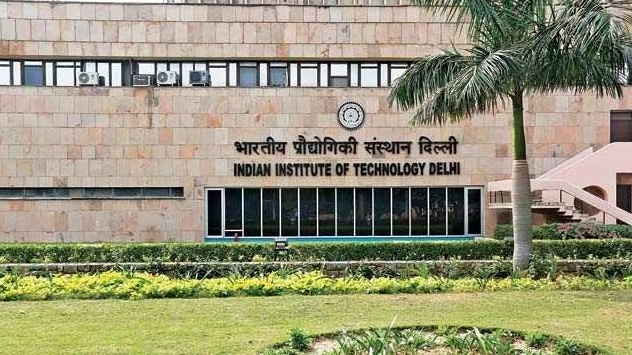
| IIT Delhi | 25,000 | 20,000 – 30,000 | Hostel: 8,000, Research: 5,000 | UGC NET fellowship, Institutional scholarships |
| NIT Trichy | 20,000 | 15,000 – 25,000 | Hostel: 6,000, Research: 4,000 | UGC NET fellowship, Institutional scholarships |
| Delhi School of Economics | 15,000 | 10,000 – 20,000 | Hostel: 5,000, Research: 3,000 | UGC NET fellowship, Institutional scholarships |
| Indian Institute of Management (IIM) Ahmedabad | 50,000 | 40,000 – 60,000 | Hostel: 12,000, Research: 8,000 | Institutional scholarships, Corporate scholarships |
| Indian Institute of Management (IIM) Bangalore | 45,000 | 35,000 – 55,000 | Hostel: 10,000, Research: 6,000 | Institutional scholarships, Corporate scholarships |
| Narsee Monjee College of Commerce & Economics | 70,000 | 60,000 – 80,000 | Hostel: 15,000, Research: 10,000 | Institutional scholarships, Corporate scholarships |
| Loyola College | 60,000 | 50,000 – 70,000 | Hostel: 12,000, Research: 8,000 | Institutional scholarships, Corporate scholarships |
Latest UGC Updates for PhD in Commerce
Students pursuing a PhD in Commerce must be aware of the latest UGC Guidelines:
- UGC-NET is the main entrance for PhD admissions in most universities,.
- NET results divide candidates into three categories: Category-1 (JRF + PhD + teaching), Category-2 (PhD + teaching), and Category-3 (PhD only).
- For Categories 2 and 3, merit uses 70% NET score weightage and 30% interview performance to evaluate research readiness.
- Holders of a 4-year UG degree with 75% marks can enter PhD directly, without needing a Master’s, per NEP 2020.
- For 3-year UG graduates, a Master’s with 55% marks is required; there is no upper age limit for PhD entry.
- Scholars must score at least 55% in coursework to continue; re-attempts are needed if failed, with limited exemptions allowed.
- UGC’s 2026 equity regulations promote inclusive and discrimination-free research environments for all PhD scholars.
- Universities must follow these UGC guidelines fully; check official UGC site or university brochure for latest details.
Stipends and Financial Aids for PhD in Commerce
Pursuing a PhD in Commerce in India can be financially supported through various fellowships, scholarships, and institutional aid. Here are the top options:
UGC NET JRF Fellowship
The UGC NET Junior Research Fellowship, awarded through the UGC-NET exam (Commerce subject), provides financial support for full-time PhD research. It offers ₹37,000 per month for the first two years (JRF), increasing to ₹42,000 per month thereafter (SRF), plus House Rent Allowance (as applicable) and an annual contingency grant of ₹10,000–₹20,000 for books, travel, and research expenses. This fellowship lasts up to five years, subject to progress reviews.
Prime Minister’s Research Fellowship (PMRF)
The highly competitive Prime Minister’s Research Fellowship supports exceptional PhD scholars in science, technology, and related fields. It provides a generous monthly stipend starting at ₹70,000, rising to ₹80,000 in later years, along with an annual research grant of ₹2 lakh (up to ₹10 lakh total over five years). It emphasizes high-impact research and is available at select premier institutions.
CSIR-UGC NET JRF Fellowship
The CSIR-UGC NET Junior Research Fellowship, similar to UGC JRF, supports PhD research in sciences and interdisciplinary areas overlapping with commerce (e.g., quantitative finance or analytics). It offers ₹37,000 per month for the first two years, increasing to ₹42,000 per month as SRF, plus an annual contingency grant of ₹20,000. The fellowship duration is up to five years, with performance-based upgrades.
DST-INSPIRE Fellowship
The Department of Science and Technology’s INSPIRE Fellowship encourages meritorious students to pursue PhD in basic and applied sciences, including emerging areas relevant to commerce like data analytics or fintech. It provides ₹37,000 per month (aligned with JRF norms) for up to five years, with contingency support. It targets top performers from eligible master’s programs and focuses on building a strong scientific talent pool.
ICSSR Doctoral Fellowship
The Indian Council of Social Science Research Doctoral Fellowship supports full-time PhD research in social sciences, including commerce-related disciplines like economics, business studies, and management. It offers ₹20,000 per month as a monthly fellowship, plus an annual contingency grant of ₹20,000, for up to two years. It promotes policy-relevant and original research in social sciences.
Top Job Roles & Salary Opportunities After PhD in Commerce
Here are the top job opportunities available after completing your PhD in Commerce. Also find the expected salary ranges below:
| Job Role | Job Description | Starting Salary Range (INR per annum) |
|---|---|---|
| Assistant Professor / Lecturer | Teach commerce subjects, conduct research, guide students, and publish papers in universities/colleges | 7 – 15 LPA |
| University Professor / Associate Professor | Lead academic departments, mentor PhD scholars, pursue high-impact research, and contribute to policy/curriculum | 12 – 30 LPA |
| Academic Researcher / Postdoctoral Fellow | Conduct independent or collaborative research in commerce areas (e.g., finance, accounting), publish in journals | 6 – 20 LPA |
| Financial Analyst / Economist | Analyze financial data, market trends, economic policies for banks, firms, or government bodies | 8 – 25 LPA |
| Corporate Strategy Consultant | Advise businesses on strategy, finance, operations, and growth using research expertise | 10 – 30 LPA |
| Policy Analyst / Government Advisor | Research and advise on economic/commerce policies for RBI, NITI Aayog, ministries, or think tanks | 8 – 20 LPA |
| Senior Research Analyst | Perform in-depth market/financial research for consulting firms, think tanks, or corporates | 8 – 22 LPA |
| Management Consultant (Finance/Commerce Focus) | Solve business problems in finance, accounting, taxation for clients in consulting firms | 9 – 25 LPA |
| Banking/Finance Expert (e.g., Risk Manager, Investment Analyst) | Develop policies, manage risks, or analyze investments in banks/fintech | 10 – 30 LPA |
| Corporate Trainer / Executive Coach | Design and deliver training programs on commerce topics for organizations | 8 – 18 LPA |
Top Recruiters for PhD in Commerce
Some of the top recruiters for a PhD in Commerce today include:
| Industry/Sector | Top Recruiters |
|---|---|
| Academia / Higher Education | Delhi University, Jawaharlal Nehru University (JNU), Banaras Hindu University (BHU), REVA University, Amity University |
| Government / Policy & Think Tanks | Reserve Bank of India (RBI), NITI Aayog, Ministry of Finance, Government Universities / Institutions |
| Consulting & Big Four Firms | KPMG, Deloitte, PwC, EY (Ernst & Young) |
| Banking & Finance | HDFC Bank, ICICI Bank, Axis Bank, Goldman Sachs (research/analyst roles) |
| Corporate Strategy & Research | McKinsey & Company, Boston Consulting Group (BCG), TCS (research/strategy), Genpact |
| Management Institutions / IIMs | IIM Ahmedabad, IIM Bangalore, IIM Calcutta (for faculty or research roles) |
PhD in Commerce vs PhD in Management
| Aspect | PhD in Commerce | PhD in Management |
|---|---|---|
| Primary Focus | Advanced research in core commerce areas like accounting, taxation, finance, auditing, trade, and economic systems. | Strategy, leadership, organizational behavior, HR, operations, innovation, and decision-making in business contexts. |
| Typical Eligibility | Master’s in Commerce (M.Com) or related (e.g., Economics/Finance) with 55% marks; UGC-NET primary route. | Master’s in Management (MBA/M.Com/PGDM) or related with 55% marks; UGC-NET or CAT/GMAT for IIMs often accepted. |
| Admission Process | UGC-NET dominant (70% score weightage + interview); university tests rare now. | UGC-NET accepted; IIMs/FPM use CAT/GMAT/GRE + own test/interview; more competitive in top B-schools. |
| Coursework Emphasis | Heavy on quantitative tools, econometrics, advanced accounting/finance, research methodology. | Broader on strategy, leadership theories, organizational behavior, marketing/operations research. |
| Research Orientation | Theoretical and policy-oriented (e.g., financial models, tax policies, corporate governance). | Applied and interdisciplinary (e.g., strategic management, entrepreneurship, organizational change). |
| Duration | 3–6 years (minimum 3 including coursework). | 3–6 years (often 4–5 in IIMs/FPM programs). |
| Top Institutions | Delhi University, JNU, BHU, Osmania University, University of Madras. | IIMs (Ahmedabad, Bangalore, Calcutta), XLRI, MDI, private universities like Amity. |
| Career Paths | Academia (Professor in Commerce/Accounting), financial research, policy advisor (RBI/NITI), taxation/audit expert. | Academia (Management faculty), consulting (McKinsey/BCG), corporate leadership, strategy roles, entrepreneurship. |
| Average Starting Salary | ₹7–15 LPA (Assistant Professor); higher in research/policy (₹10–25 LPA). | ₹10–30 LPA (faculty/consulting); often higher in industry/corporate roles. |
| Best Suited For | Those passionate about finance, accounting, taxation, and economic theory. | Those interested in leadership, strategy, people management, and business innovation. |
Frequently Asked Questions (FAQs)
Q1. What is the duration of a PhD in Commerce in India?
A full-time PhD in Commerce in India typically takes 3-6 years. This duration can vary depending on the university and the student’s progress. The PhD program is a doctorate degree focusing on advanced research in Commerce and related fields.
Q2. What are the eligibility criteria for a PhD in Commerce in India?
To be eligible for a PhD in Commerce in India, you must have a Master’s degree in Commerce or a related discipline with a minimum of 55-60% marks. You must also qualify UGC-NET to be eligible for the course. Some universities may also require relevant work experience.
Q3. What is the average fee structure for PhD in Commerce in government and private colleges in India?
The average annual fee for a PhD in Commerce is INR 10,000 – INR 50,000 in government colleges and INR 60,000 – INR 1,00,000 in private colleges. Fees vary depending on the college and location.
Q4. What are the career opportunities after completing a PhD in Commerce in India?
Career opportunities after completing a PhD in Commerce in India include roles such as Professor, Researcher, Consultant, and Analyst. The average salary range for PhD holders in Commerce is INR 4 LPA – 10 LPA, depending on experience and the specific role.
Q5. What are the entrance exams accepted for PhD in Commerce admission in India?
The primary entrance exam for PhD in Commerce admission in India is UGC-NET (mandatory for most universities). Some accept university-specific tests, SET/SLET (limited cases), or IIM-specific tests for management-related PhDs.
Q6. Is PhD tough than CA?
A PhD in Commerce is generally tougher than CA due to its emphasis on original research, long duration, thesis writing, and publication pressure, while CA focuses on structured exams and professional skills over 3-5 years.
Q7. Can I do a PhD without an entrance?
No, most universities in India require an entrance exam like UGC-NET for PhD admission in Commerce; however, direct entry is possible for exceptional cases such as 4-year UG with 75% marks or specific institutional exemptions.