Diploma in Anaesthesia Technician Course: Eligibility and Scope
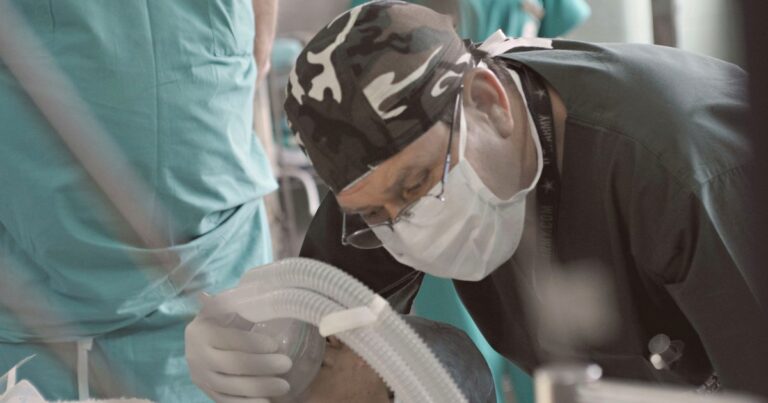
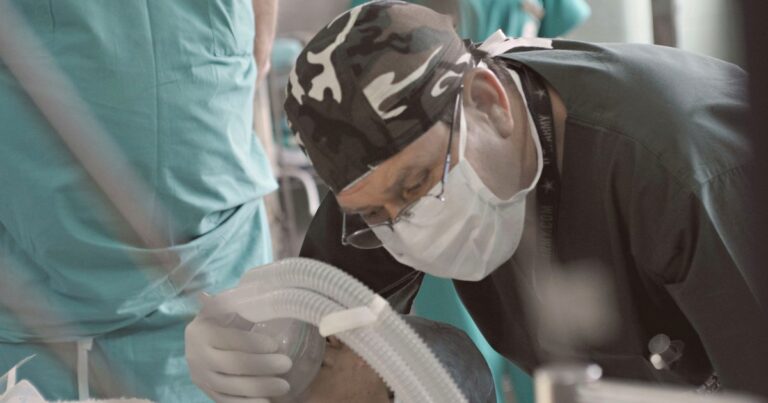
The Diploma in Anaesthesia Technology is a 1 to 3-year program (typically 2 years) that trains students to assist anesthesiologists, maintain anesthetic equipment, and monitor patient vital signs during surgical procedures. Admission is primarily merit-based on 10+2 Science (PCB) marks with average course fees ranging from INR 6,000 to INR 15,00,000 depending on the college.
The following sections detail the diploma in anaesthesia technology eligibility criteria, admission process without NEET, detailed syllabus, fee structures across government and private institutions, top colleges, and career scope for an anaesthesia technician course in India.
| Parameter | Details |
|---|---|
| Course Level | Diploma / Undergraduate Diploma / Post-UG Diploma |
| Course Duration | 1 to 3 Years (Typically 2 Years) |
| Eligibility Criteria | 10+2 in Science stream with Physics, Chemistry, and Biology (Minimum 50% aggregate; 45% for SC/ST) |
| Minimum Age | 17 years as of 31st December of the admission year |
| Average Course Fees | INR 6,000 – INR 15,00,000 (Government vs Private) |
Diploma in Anaesthesia Technology Eligibility
To qualify for admission into a Diploma in Anaesthesia Technology course, candidates must fulfill basic educational and age criteria established by healthcare institutions:
- Educational Qualification: Candidates must have passed 10+2 in the Science stream with Physics, Chemistry, and Biology (PCB).
- Age Limit: Candidates must attain a minimum age of 17 years by 31st December of the admission year.
- NEET Requirements: Admission to undergraduate Anaesthesia Technology courses does not require NEET UG scores; most institutions grant admission based on Class 12 board marks or institute-level entrance tests.
Candidates applying for a Post-Graduate Diploma in Anaesthesia must possess an MBBS or equivalent medical degree with a minimum 50% aggregate score.
Diploma in Anaesthesia Technology Admission Process
The admission process for a diploma in anaesthesia technology is primarily merit-based. Most colleges evaluate candidates based on their Class 12 board examination marks in Physics, Chemistry, and Biology. Candidates do not need to appear for NEET UG to gain admission into diploma-level anaesthesia technology programs.
Certain institutes conduct university-specific entrance tests, such as JIPMER or CMC entrance exams. After merit lists or entrance test results are announced, shortlisted candidates attend counselling sessions to finalize seat allocation, complete document verification, and submit course fees.
Diploma in Anaesthesia Technology Syllabus and Subjects
| Subject Category | Key Topics & Modules Covered |
|---|---|
| Basic Medical Sciences | Hospital Awareness, Human Anatomy, Human Physiology |
| Pathology & Biochemistry | Human Pathology, Hematology, Biochemistry of Anaesthetic Drugs |
| Clinical Procedures | Blood Transfusion Procedure, Surgical Preparation, Cannulization |
| Anaesthetic Techniques | Types of Anaesthesia, Anaesthesia Nerve Blocks, Acute Pain Management, Acupressure |
The curriculum focuses on preparing patients prior to surgery and establishing foundation anaesthesia methods. It covers key areas including surgical preparation, cannulization, blood transfusion procedures, and acute pain management.
Diploma in Anaesthesia Technology Fees
Course fees for a Diploma in Anaesthesia Technology vary significantly depending on college ownership, location, and infrastructure. Across Indian colleges, average annual course fees range from INR 6,000 to INR 15,00,000.
Government colleges offer low-cost programs. For instance, B.J. Medical College in Ahmedabad charges an annual fee of INR 6,000, while Maulana Azad Medical College (MAMC) in New Delhi charges INR 15,450 per year. For private colleges, the median total course fee is ₹1.48 lakh, with the middle half ranging between ₹76,300 and ₹3.95 lakh (based on fee data from 7 private colleges).
Top Diploma in Anaesthesia Technology Colleges
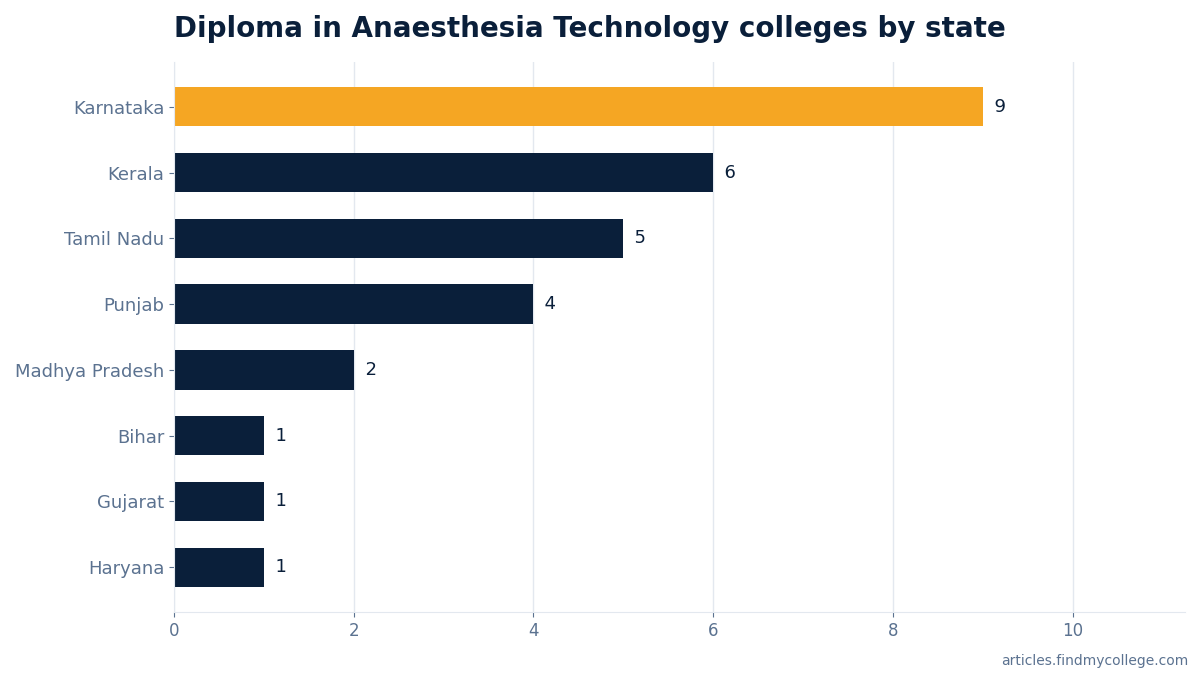
At least 31 colleges offer Diploma in Anaesthesia Technology in India, including government medical colleges and private allied health institutions. State-wise availability includes at least 9 colleges in Karnataka, 6 in Kerala, 5 in Tamil Nadu, 4 in Punjab, 2 in Madhya Pradesh, and 1 in Bihar.
Leading government institutes include Maulana Azad Medical College (MAMC) New Delhi (NIRF Rank 4, annual fee INR 15,450) and Lokmanya Tilak Municipal Medical College Mumbai (NIRF Rank 16, annual fee INR 1,03,000).
| College | City | Ownership | Total course fee |
|---|---|---|---|
| Gulbarga Institute of Medical Sciences | Gulbarga | Government | ₹8,500 |
| Government Medical College Kottayam | Kottayam | Government | ₹9,260 |
| Thrissur Govt. Medical College | Thrissur | Government | ₹14,480 |
| College | City | Ownership | Total course fee |
|---|---|---|---|
| Sree Narayana Institute of Medical Sciences Chalakka | Ernakulam | Private | ₹79,170 |
| Vadamalayan Institute of Medical and Allied Health Sciences Madurai | Madurai | Private | ₹52,000 |
| Harsha Institutions | Bangalore | Private | ₹3.95 lakh |
| Dhanwantari Academy for Management Studies | Bangalore | Private | ₹3.95 lakh |
| Dr. Somervell Memorial CSI Medical College and Hospital | Thiruvananthapuram | Private | ₹1.48 lakh |
| Bangalore College of Management Studies | Bangalore | Private | ₹2.15 lakh |
| Adesh University | Bathinda | Private | ₹76,300 |
| City | Colleges | Fee range | Well-known options |
|---|---|---|---|
| Bangalore | 4 | ₹2.15 lakh – ₹3.95 lakh | Harsha Institutions, Dhanwantari Academy for Management Studies |
| Salem | 3 | ₹35,400 – ₹70,000 | Vinayaka Mission’s Research Foundation VMRF, School of Allied Health Science, Vinayaka Mission Research Foundation |
| Malappuram | 2 | ₹1.45 lakh – ₹1.45 lakh | MIMS College of Allied Health Sciences Vazhayoor, Moulana Institute of Paramedical Sciences Angadippuram |
| Gobindgarh | 2 | ₹1.10 lakh – ₹1.10 lakh | RIMT University, RIMT University, School of Para Medical Sciences |
| Bathinda | 1 | ₹76,300 – ₹76,300 | Adesh University |
| Katihar | 1 | ₹2.58 lakh – ₹2.58 lakh | AlKarim University |
| Ahmedabad | 1 | ₹92,000 – ₹92,000 | Kaushalya The Skill University |
| Gulbarga | 1 | ₹8,500 – ₹8,500 | Gulbarga Institute of Medical Sciences |
Diploma in Anaesthesia Technology Career Scope and Salary
- Top Recruiters: AIIMS Delhi, PGIMER Chandigarh, CMC Vellore, Medanta – The Medicity, and Kokilaben Dhirubhai Ambani Hospital.
- Employment Settings: Government healthcare facilities, labs, hospitals, and surgical centres.
- Average Salary & Package: Diploma in Anaesthesia average placement package ranges from 3 to 11 LPA, with average salary reported between INR 4,00,000 – 15,00,000 PA.
Diploma in Anaesthesia graduates find career opportunities preparing patients and operating specialized anesthetic equipment. They assist specialists across major hospitals and surgical settings.
How to Apply for Diploma in Anaesthesia Technology Admission in 2026: Step by Step
- Check Eligibility Criteria: Ensure completion of 10+2 with Physics, Chemistry, and Biology (PCB) securing a minimum of 50% aggregate marks (45% for SC/ST) and a minimum age of 17 years by 31st December.
- Appear for Entrance Test or Merit List Evaluation: Wait for merit evaluation based on 10+2 board marks, or appear for university-specific entrance exams (e.g., JIPMER or CMC entrance tests) if required by the institution.
- Attend Counselling Session: Shortlisted candidates must participate in institutional or state counselling to choose their seat preferences based on rank and availability.
- Complete Document Verification & Pay Admission Fees: Verify original certificates, medical fitness certificates, and deposit the required course fee (ranging from INR 6,000 to INR 15,00,000 depending on the institute) to confirm admission.
| What to do | Where | Link |
|---|---|---|
| Compare colleges, fees and cutoffs | Diploma in Anaesthesia Technology colleges in India | findmycollege.com |