BCA vs BSC IT – Which is Better, Subjects, Salaries & Top Colleges 2026
With over 1.5 lakh students opting for undergraduate computer applications and IT courses annually in India, choosing between a BCA and a BSc IT degree for the 2026 academic session can be a critical decision. Both 3-year programs offer distinct pathways into the dynamic IT sector, but their core focus and curriculum approach differ significantly, impacting career trajectories and further study options. This quick comparison table outlines the key differences in fees, placement potential, eligibility, and more for both degrees.
| Parameter | Bachelor of Computer Applications (BCA) | Bachelor of Science in Information Technology (BSc IT) |
|---|---|---|
| Course Duration | 3 Years (Full-Time) | 3 Years (Full-Time) |
| Primary Focus | Application development, software management, business-oriented IT solutions, and practical IT service delivery. | Core IT infrastructure, networking, databases, and theoretical computer science concepts with a scientific approach. |
| Curriculum Nature | Industry-oriented, practical, focuses on software applications, web development, and business IT. | More theoretical, covers broader computer science fundamentals, often with a strong emphasis on system architecture. |
| Eligibility Criteria (Class 12th) | Passed Class 12th in any stream with 45-55% aggregate; English as a compulsory subject. | Passed Class 12th with Physics, Chemistry, and Mathematics (PCM) as compulsory subjects, minimum 50% aggregate. |
| Mandatory Subjects (Class 12th) | English is compulsory; Mathematics or Statistics often mandatory in many colleges. | Physics, Chemistry, and Mathematics (PCM) are compulsory. |
| Admission Mode | Merit-based (Class 12th scores) or Entrance Exams (e.g., CUET, IPUCET). | Merit-based (Class 12th scores) or Entrance Exams (e.g., CUET, CUCET). |
| Average Annual Fees (2026-27) | ₹70,000 – ₹2.0 lakh (Private); ₹3,600 – ₹20,000 (Government). | ₹50,000 – ₹1.8 lakh (Private); ₹5,000 – ₹30,000 (Government). |
| Average Entry-Level Salary (2026) | ₹3.0-7.0 LPA (freshers); up to ₹10-12 LPA at premier institutions. | ₹3.5-7.5 LPA (freshers); often slightly higher due to theoretical depth. |
| Key Job Roles | Software Developer, Web Designer, System Analyst, IT Support Specialist, Database Administrator. | IT Support Specialist, Network Administrator, Database Manager, System Administrator, IT Consultant. |
| Further Study Options | MCA, MBA, Master in Information Management, Master in Computer Management. | MSc IT, MCA, MBA (IT Specialization), Master in Computer Management. |
| Ideal for Students Who… | Prefer practical application, want to enter the IT industry quickly, focus on software development and business solutions. | Enjoy theoretical computer science, are strong in mathematics, interested in IT infrastructure and research. |
| Industry Relevance | Directly prepares for roles in software services, web development, and IT support. | Provides a strong foundation for IT infrastructure management, cybersecurity, and advanced IT roles. |
| Top Colleges (Examples) | Christ University, Presidency College Bangalore, Poornima University, GNIOT Greater Noida. | ST. Xavier’s College Mumbai, VIT Vellore, Chandigarh University. |
| Mathematical Emphasis | Moderate; focuses on applied mathematics for algorithms and data structures. | Higher; strong emphasis on discrete mathematics, calculus, and statistical methods. |
| Practical vs. Theoretical Balance | More practical, with extensive hands-on lab sessions and project-based learning. | Balanced, but with a stronger theoretical in core computer science principles. |
| Scope for Specialization | Offers specializations like Cloud Computing, Data Science, Web Development, Cybersecurity. | Offers specializations in Networking, Database Management, Information Security, System Administration. |
Ultimately, the choice between BCA and BSc IT for the 2026 academic year depends on a student’s aptitude and career aspirations. While BCA course details offer a direct route into IT application and software development with a practical focus, BSc IT provides a deeper theoretical understanding of core computer science and IT infrastructure, often appealing to those with a stronger science and mathematics background.
BCA vs BSc IT – Placement Comparison: Salary, Companies & Placement Rate (2026)
The placement for BCA and BSc IT graduates in 2026 reflects India’s rapidly expanding IT sector, which is projected to continue its growth beyond traditional software development. While specific average salary figures vary widely by institution and specialization, top BCA colleges in India report highest packages exceeding ₹10 LPA, and institutions like Lovely Professional University (LPU) attract over 200 recruiting companies annually for their computer application programs.
| Placement Aspect | BCA Career Outlook (2026) | BSc IT/CS Career Outlook (2026) | Key Differentiator |
|---|---|---|---|
| Primary Job Focus | Application development, software programming, IT project handling, business computing, web development, database administration. | Core computer science concepts, artificial intelligence, machine learning, cybersecurity, cloud computing, networking, data science, research. | BCA is more application-oriented; BSc IT/CS is more theoretical and system-focused. |
| Common Entry-Level Roles | Junior Developer, Application Support, QA Engineer, Web Developer, Programmer, Database Administrator. Graduates often find IT easier to secure initial employment in corporate IT roles. | Mobile App Developer, UI/UX Developer, Website Developer, entry-level roles in AI/ML/Cybersecurity. Initial job search can be harder than BCA. | BCA offers a direct path to practical IT roles; BSc IT/CS requires more specialized skill development for advanced roles. |
| Average Starting Salary (Freshers) | Typically ranges from ₹3-6 LPA, with top colleges and specialized skills leading to higher packages. | Generally ₹3-6.5 LPA, with potential for higher earnings in specialized fields like AI/ML/Cybersecurity with advanced skills. | Similar starting ranges, but BSc IT/CS has a slight edge in high-demand, niche tech roles. |
| Highest Package Potential | Top BCA colleges report highest packages exceeding ₹10 LPA, especially for skilled software developers. | Specific highest package data for BSc IT/CS varies, but roles in AI/ML/Data Science can command ₹8-15 LPA or more with advanced skills. | Both degrees offer good growth, but B.Tech CSE generally offers higher scope and value in terms of peak salaries. |
| Top Hiring Sectors | Software companies, web application development, IT services, private sector, government/public sector. Bangalore’s IT sector is a major hub. | IT industry, tech giants, research & development, government/public sector, startups in AI/ML/Cloud. | BCA is strong in general IT services; BSc IT/CS excels in core tech and emerging domains. |
| Prominent Recruiters (Examples) | Wipro, TCS, Infosys, Capgemini, HCLTech, Cognizant, Accenture, local IT firms. | Google, Microsoft, IBM (for highly skilled Software Engineers), Amazon, Oracle, various cybersecurity firms, data analytics companies. | BSc IT/CS graduates often target product-based companies and R&D roles. |
| Career Growth Potential | Strong growth through experience, upskilling in programming languages (Java, Python, JavaScript), and higher studies like MCA or MBA. | Significant growth in specialized technical roles, research, and academia. Benefits from continuous learning in advanced computing fields. | Both offer good growth, but BSc IT/CS has a clearer path to research and high-level technical specialization. |
| Impact of Further Studies | MCA, MBA, Master in Information Management, Master in Computer Management, M.SC (IT) significantly boost career prospects and salary. | MCA, M.SC, Master’s, and PhD are for research, advanced technical roles, and academic careers. | Higher studies are beneficial for both, but more critical for BSc IT/CS for advanced roles. |
| Job Security & Demand | High demand and relevance in the IT/technology industry due to continuous need for application and maintenance. | Increasing demand in niche areas like cybersecurity, data analysis, and cloud infrastructure, ensuring bright future prospects. | Both degrees offer good job security in the growing IT sector. |
| Government & Public Sector Jobs | Good scope in public sector IT roles, including programmer, database administrator, and IT project handler positions. | Good scope in government and public sector, often in technical and research-oriented roles. | Both degrees are well-regarded for government IT positions. |
The choice between BCA and BSc IT significantly influences immediate job roles and long-term career trajectories, with BCA providing a more direct entry into application-focused IT jobs and BSc IT/CS offering a stronger foundation for specialized technical and research-oriented careers in India’s evolving tech .
BCA vs BSc IT – Which is Better, Subjects, Salaries & Top Colleges 2026: Fee & ROI Comparison — Which Gives Better Value?
The financial investment and potential return on investment (ROI) are critical factors when choosing between BCA and BSc IT. BCA programs in government colleges typically cost ₹3,600-₹20,000 per annum, while private institutions charge ₹70,000-₹2 lakh annually (Source: Public & Private Colleges data). While general fee data for BSc IT is not uniformly available, graduates from both streams can expect starting salaries ranging from ₹3-8 LPA, depending on their skills and institution. Understanding the fee structures and potential earnings is for students planning their undergraduate journey in computer applications or information technology. The table below provides a detailed comparison of the fee and ROI aspects for BCA and BSc IT/CS programs across India for the 2026 academic session.
| Cost & Value Metric | BCA (Bachelor of Computer Applications) | BSc IT / BSc Computer Science | Key Differentiator for Value |
|---|---|---|---|
| Average Annual Tuition Fee (Government Colleges) | ₹3,600 – ₹20,000 (Source: Public Colleges data) | Specific general fee data not uniformly available; varies significantly by institution type and location. | BCA often has lower, more transparent government college fees, offering a cost-effective entry. |
| Average Annual Tuition Fee (Private Institutions) | ₹70,000 – ₹2 lakh (Source: Private Institutions data) | Specific general fee data not uniformly available; varies significantly by institution type and location. | BCA generally has a clearer fee structure in private institutions, often slightly lower than specialized BSc IT/CS programs. |
| Total Course Fee (3 Years) | ₹1.08 lakh – ₹6 lakh | Specific general fee data not uniformly available; depends on college and specialization. | BCA typically involves a lower overall financial commitment, making IT accessible to a wider range of students. |
| Average Starting Salary (Freshers) | ₹3-7 LPA (Source: BCA Colleges in Bangalore) | ₹4-8 LPA (Based on deeper technical skill sets and core CS focus) | BSc IT/CS graduates often command a slightly higher initial salary due to their specialized and theoretical knowledge. |
| Highest Package (Entry-Level) | Up to ₹10-12 LPA (Source: Top BCA Colleges in India) | Up to ₹15-20 LPA (Based on B.Tech CSE data as a proxy for advanced IT roles) | BSc IT/CS from premier institutes can lead to higher entry-level packages, especially in core tech companies. |
| Return on Investment (ROI) Potential | Faster break-even due to lower fees; steady career growth in IT services. | Higher long-term growth potential with specialized skills; higher initial investment. | BCA offers quicker ROI due to lower costs, while BSc IT/CS provides potentially greater long-term returns with advanced roles. |
| Post-Graduation Course Fees (e.g., MCA) | ₹1-3 lakh (for MCA, 2 years) | ₹1-3 lakh (for MCA, 2 years) | Costs for advanced degrees like MCA are similar for graduates from both streams. |
| Application Fee (General) | ₹500 – ₹1,500 | ₹500 – ₹1,500 | Initial application expenses are comparable for both programs. |
| Admission Fee (General) | ₹5,000 – ₹15,000 | ₹5,000 – ₹15,000 | General admission fees are similar across both degree types. |
| Curriculum Focus (Impact on Value) | Application-oriented, software development, business IT solutions. | Deeper theoretical foundation, hardware, networking, data science, research. | BCA prepares students for immediate IT service roles, while BSc IT/CS builds a foundation for core tech and R&D. |
| Career Progression (Value) | Good for IT service roles, quick entry into industry, management roles post-MBA. | Strong foundation for specialized tech roles, higher studies, R&D, academia. | BSc IT/CS offers broader advanced career paths and research opportunities, enhancing long-term value. |
| Scholarship Availability | Widely available, merit-based, need-based. | Widely available, merit-based, need-based. | Both programs offer similar access to various financial aid and scholarship opportunities. |
The comparison highlights that BCA generally offers a quicker return on investment due to lower fees and a direct path into IT service roles, making IT a strong choice for students prioritizing immediate employment. For a deeper dive into the BCA course details, colleges, fees, and career opportunities, students can explore s.
BCA vs BSc IT – Which is Better, Subjects, Salaries & Top Colleges 2026: Ranking Comparison — NIRF, QS & Industry Reputation
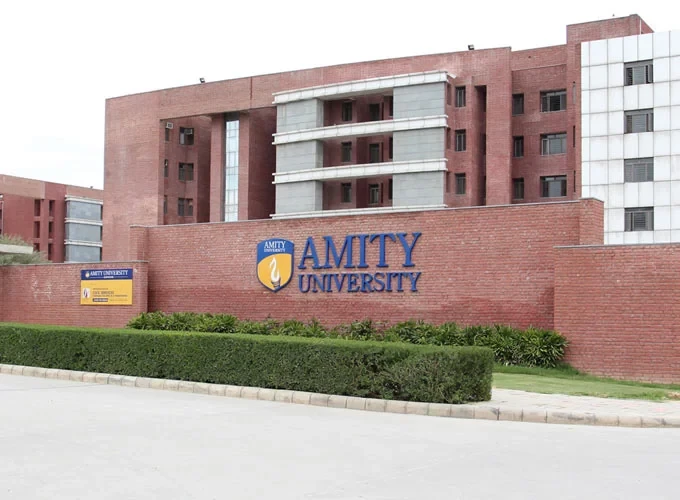
The ranking perception for BCA and BSc IT programs in India varies significantly across national and international frameworks, with NIRF 2025 focusing on broader university metrics while industry reputation often highlights practical readiness. While specific NIRF rankings for BCA or BSc IT are not released, top institutions like Amity University (NIRF 2025 Rank #37) and Lovely Professional University (NIRF 2025 Rank #48) offer both programs, influencing their overall standing. Globally, Indian institutions are gaining recognition, with 54 Indian institutions ranked in QS World University Rankings 2026, up from 46 in 2025. Understanding how various ranking bodies and industry perceptions view BCA and BSc IT programs is for prospective students. The table below compares these two undergraduate degrees based on their standing in key ranking frameworks and their general reputation within the IT sector.
| Ranking Parameter | BCA Program (General Trend) | BSc IT Program (General Trend) |
|---|---|---|
| NIRF Perception (2025) | Often covered under broader ‘University’ or ‘Overall’ categories; specific BCA rankings are less common. Colleges like Amity University (NIRF 2025 Rank #37) and LPU (NIRF 2025 Rank #48) offer BCA. | Typically falls under ‘University’ or ‘Engineering’ categories, especially if offered by institutions with strong Computer Science departments. IITs (e.g., IIT Madras NIRF 2025 Rank #1 Engineering) and NITs often influence this perception. |
| QS World University Rankings (2026) | Indirectly benefits from the overall university ranking; 54 Indian institutions featured in QS 2026, indicating a rising global profile for Indian education. | More aligned with global Computer Science and Information Systems rankings due to its theoretical depth. Universities with strong research output in IT fields tend to perform better. |
| Times Higher Education (THE) (2026) | Benefits from the university’s overall standing; some Indian universities rank in the Top 100 globally for Interdisciplinary Science, which can encompass BCA-related fields. | Stronger alignment with ‘Computer Science’ or ‘Engineering & Technology’ subject rankings, reflecting its academic rigor and research focus. |
| National Media Rankings (2024) | Regularly featured in dedicated lists by India Today and Outlook for “Best BCA Colleges in India,” highlighting practical and application-oriented institutions. | Less frequently singled out in dedicated lists compared to BCA, often grouped with BSc Computer Science or B.Tech CSE programs. |
| Industry Reputation | Highly valued for immediate job readiness in IT support, web development, and software testing roles. Emphasizes practical skills and quick deployment. | Respected for foundational knowledge in computer science, data structures, and algorithms, preparing students for roles in software development, data analysis, and research. |
| Curriculum Focus | Application-oriented, with a strong emphasis on programming languages, database management, and web technologies. | More theoretical, covering core computer science principles, mathematics, and advanced IT concepts. |
| Accreditation Impact | Colleges with NAAC ‘A’ Grade (e.g., Teerthanker Mahaveer University) and UGC recognition enhance BCA program credibility and student trust. | Institutions with strong departmental accreditations and research output in IT fields often signal higher academic quality for BSc IT. |
| Syllabus Adaptability | Private autonomous colleges offering BCA tend to update their syllabus faster to include emerging technologies like AI and Data Science, responding to industry demands. | Universities with research departments can integrate advanced theoretical advancements into BSc IT, though updates might be slower in traditional setups. |
| Global Recognition for Further Studies | Provides a strong base for MCA, MBA, or specialized Master’s in Information Management abroad at institutions like Harvard University (US) or University of Oxford (UK). | Offers a more direct pathway to advanced degrees in Computer Science, Data Science, or specialized IT fields at leading global universities due to its theoretical foundation. |
The ranking comparison reveals that while BCA programs are recognized for their industry-specific practical training by national media, BSc IT programs often align more closely with broader academic and global computer science rankings due to their theoretical depth. This distinction helps students choose based on their career aspirations, whether IT’s immediate IT employment or a foundation for advanced research and development.
BCA vs BSc IT – Courses, Specializations & Curriculum Compared (2026)
Choosing between BCA and BSc IT involves understanding their distinct curriculum focuses and career preparation. Both are 3-year undergraduate degrees, though some institutions offer 4-year Honours options under NEP 2026 guidelines, with BCA typically welcoming students from any stream, while BSc IT often requires a science background. The core difference lies in BCA’s broader application-oriented approach versus BSc IT’s specialized focus on IT infrastructure and networking. The table below details the curriculum, specializations, and academic focus of BCA and BSc IT programs for the 2026 academic session, highlighting their respective strengths.
| Aspect | BCA (Bachelor of Computer Applications) | BSc IT (Bachelor of Science in Information Technology) |
|---|---|---|
| Course Duration | 3 years (standard); 4 years (Honours under NEP 2026 in some universities) | 3 years (standard) |
| Eligibility Criteria | 10+2 from any stream (Arts, Commerce, Science) with 45-55% aggregate; English often mandatory. Some colleges may require Maths/IP in 12th. | 10+2 from Science stream (Physics, Chemistry, Maths/Computer Science) with minimum 50% aggregate. Some colleges accept Commerce with Maths. |
| Primary Focus | Practical computer applications, software development, business computing, IT tools, programming. Industry-oriented. | Networking, system administration, IT infrastructure, databases, cloud computing, cybersecurity. Application-oriented. |
| Curriculum Orientation | More application-oriented, focusing on software development and database management. Includes basic knowledge of hardware. | Focused on software, databases, and networking. Less emphasis on hardware compared to core Computer Science. |
| Core Subjects | Programming (C, C++, Java, Python), Data Structures, Database Management Systems (DBMS), Operating Systems, Web Development (HTML, CSS, JavaScript), Computer Graphics. | Networking, Programming, Database Management, Cloud Computing, Cybersecurity, System Administration, Data Analysis. |
| Key Specializations | Software Development, Web Development, Mobile App Development, Cloud Computing, AI, Cybersecurity, Database Management. | Networking & System Administration, Cybersecurity, Cloud Infrastructure, Data Analytics, Database Systems. |
| Skills Developed | Strong coding skills, practical exposure to industry tools, software development lifecycle, application design. | Proficiency in network management, database administration, system security, IT infrastructure deployment and maintenance. |
| Post-Graduation Options | MCA (Master of Computer Applications), MBA (Master of Business Administration), Master in Information Management, Master in Computer Management. | MSc in IT/Computer Science, MTech (if eligibility met), Specialized Certifications (AI, Data Science, Cyber Security). |
| Underlying Stream Preference | Often preferred by Commerce stream students due to flexible eligibility, but open to all. | Primarily preferred by Science stream students due to required background in Physics and Mathematics. |
| Curriculum Depth | Emphasizes practical implementation and application of IT concepts. More concept-oriented in programming principles. | Focuses on the technical aspects of managing and maintaining IT systems and networks. Detailed learning of specific IT topics. |
The curriculum comparison reveals that BCA provides a broad foundation in computer applications, making IT suitable for roles in software development and business IT. BSc IT, conversely, offers a more specialized pathway into IT infrastructure and networking, preparing students for technical roles in system management and cybersecurity.
BCA vs BSc IT – Campus, Location, Hostel & Student Life Compared (2026)
Choosing between BCA and BSc IT involves evaluating the campus environment, typical college locations, and student life experiences each program offers. While both degrees are available across diverse institutions, from government-aided universities to private colleges, the emphasis on practical application versus theoretical depth often shapes the campus facilities and student engagement. For instance, many BCA colleges in Bangalore provide modern IT labs and strong industry connections, while institutions like Regional Col in Odisha offer full on-campus hostel facilities with free Wi-Fi and sports centers. The table below compares key aspects of campus life, location, and student experience for BCA and BSc IT programs in India for the 2026 academic session.
| Aspect | BCA (Bachelor of Computer Applications) | BSc IT (Bachelor of Science in Information Technology) |
|---|---|---|
| Campus Environment & Infrastructure | Often features dedicated computer labs, up-to-date infrastructure, and facilities for practical studies. Colleges like Teerthanker Mahaveer University (TMU) emphasize lab sessions and workshops. | Typically found in colleges with strong science faculties, offering well-equipped labs for various IT specializations. Deshbandhu College, for example, provides excellent science facilities and learning resources. |
| Typical College Location | Widely available across Tier 1, Tier 2, and Tier 3 cities. Bangalore and Shillong are noted for BCA colleges offering modern labs and networking opportunities. | Predominantly offered by universities and colleges in major cities and educational hubs, often within science departments. ST. Xavier’s College, Mumbai, is a prominent example. |
| Hostel & Residential Life | Many institutions, especially private universities and those in smaller cities, offer on-campus hostel facilities with amenities like hygienic food and Wi-Fi, such as Regional Col in Odisha. | Hostel availability varies by institution type; central universities and larger private colleges generally provide residential options. Students often seek PG or private accommodation in metropolitan areas. |
| Student Engagement & Activities | Focuses on practical training, industrial visits, seminars, and technical activities. Presidency College, Bangalore, highlights these opportunities for BCA students. Poornima University offers soft skills training and platforms for presenting ideas. | Often includes research projects, academic clubs, and interdisciplinary events. The intellectual environment of institutions like Delhi University provides extensive resources for academic engagement. |
| Practical Learning Opportunities | Emphasizes hands-on labs, coding exposure, live projects, and internships to prepare students for the IT industry. GNIOT Institute of Professional Studies focuses on project-based learning. | Provides in-depth exposure to core computer science concepts through advanced labs and theoretical applications. Internships are common, often in specialized IT domains. |
| Learning Mode Flexibility | Available through both regular full-time and distance learning modes. IGNOU offers a popular BCA program via distance education, catering to working professionals and remote learners. | Primarily offered as a full-time, on-campus program, requiring regular attendance and participation in laboratory sessions. Distance learning options are less common for BSc IT. |
| Alumni Network & Industry Connect | Often boasts strong connections to the IT services sector, with alumni working in software development and IT support roles. Colleges in Bangalore are known for placements. | Benefits from a broader science and technology alumni network, including those in research, academia, and specialized IT infrastructure roles. |
| Overall Campus Vibe | Generally more application-oriented, with a focus on skill development and industry readiness. Campuses often build a active, tech-focused atmo. | Typically more academically inclined, emphasizing foundational computer science principles and research. The environment can be more theoretical and research-driven. |
The campus experience for BCA students often prioritizes practical skill development and industry exposure, while BSc IT programs tend to offer a more academic and research-oriented environment. Students considering a Bachelor of Computer Applications (BCA) should explore colleges known for their modern labs and industry ties, which are for career readiness.
BCA vs BSc IT – Which is Better, Subjects, Salaries & Top Colleges 2026: Final Verdict — Which is Better for You?
For students evaluating undergraduate IT programs for the 2026-2027 academic session, the decision between BCA and BSc IT largely depends on their career aspirations and academic strengths. BCA programs, with average annual fees ranging from ₹70,000 to ₹1.5 lakh in private institutions, are typically application-focused, preparing students for immediate roles in software development and IT support. In contrast, BSc IT degrees, often requiring Physics, Chemistry, and Mathematics (PCM) in Class 12, deeper into theoretical computer science principles, offering a foundation for specialized tech roles and further academic pursuits like MCA. Choosing BCA is often recommended for students who prefer a practical, hands-on approach to software and application development, aiming for direct entry into the IT industry. Premier BCA colleges in India report placement rates above 90%, with average packages reaching up to ₹7 LPA for freshers. The curriculum emphasizes programming languages like C++ and Java, database management, and web development, equipping graduates for roles such as web designers, software developers, and system analysts. For more detailed BCA course information, students can explore dedicated guides. Conversely, a BSc IT degree is better suited for those with a strong aptitude for mathematics and theoretical computer science, seeking a deeper understanding of IT infrastructure, networking, and advanced algorithms. While general public colleges offer BCA at subsidized fees of ₹3,600 to ₹20,000 per annum, BSc IT programs often lead to specialized career paths that can command higher growth trajectories in areas like data science, cybersecurity, or cloud computing. Both courses offer pathways to postgraduate studies such as MCA or MBA, with options to pursue these degrees at top global universities like Harvard, Stanford, or Oxford.
Key Takeaways
- BCA is ideal for students seeking immediate, application-focused IT roles, with average packages up to ₹7 LPA from premier colleges and a curriculum centered on practical development.
- BSc IT provides a stronger theoretical foundation in computer science, suitable for advanced studies (MCA) or specialized roles in IT infrastructure, often requiring a PCM background in Class 12.
- Admission to both courses can be merit-based or via entrance exams like CUET, with private institutions generally charging higher fees (₹70,000-₹2 lakh per annum for BCA) compared to public colleges (₹3,600-₹20,000 per annum).
To make an informed decision, thoroughly research the specific curriculum, faculty expertise, and placement records of colleges offering BCA or BSc IT programs for the 2026-2027 academic session, aligning them with your long-term career goals.
Frequently Asked Questions (FAQs)
BCA vs BSc IT which is better for high salary jobs in India 2026?
BSc IT graduates often secure higher salary packages in technical roles due to a stronger focus on core computer science subjects. As per 2025 placement data, top BSc IT graduates earn up to ₹8-12 LPA, while BCA graduates typically start at ₹4-6 LPA.
What is the average fees for BCA and BSc IT courses in top Indian colleges?
Top BCA colleges like Christ University and ST. Xavier’s College charge ₹80,000 to ₹2.5 lakh annually, while BSc IT fees at institutes like Loyola College and Mithibai College range from ₹50,000 to ₹1.8 lakh per year. Government colleges offer both courses for under ₹50,000 annually.
Which are the top 10 colleges for BCA and BSc IT in Delhi NCR for 2026 admissions?
Top BCA colleges in Delhi NCR include DU (ST. Stephen’s, Hansraj), Amity Noida, and Poornima University. For BSc IT, top choices are DU (Satyawati, Bhaskaracharya), Ambedkar University, and Galgotias University. Most require 50%+ in Class 12 with English and Maths.
Starting salary for BCA vs BSc IT graduates in Bangalore for IT companies?
In Bangalore, BSc IT graduates start at ₹4.5-6.5 LPA in firms like TCS, Infosys, and Wipro, while BCA graduates typically begin at ₹3-5 LPA. BSc IT’s stronger coding focus gives IT an edge in this tech hub as per 2025 campus placement data.
Main difference between BCA and BSc IT syllabus and subjects?
BCA focuses on IT applications, software development, and business analytics, with subjects like DBMS, Java, and E-Commerce. BSc IT covers deeper computer science topics like AI, Machine Learning, and Data Mining, along with core maths and physics as per UGC 2025 curriculum guidelines.
Eligibility criteria and entrance exams for BCA vs BSc IT after 12th science?
Both require 50%+ in Class 12 with English and Maths/Computer Science. BCA admissions are often through CUET, CUCET, or state-level exams, while BSc IT admissions are mostly merit-based or through university-level entrance tests like BHU UET and JNUEE.
Disclaimer: The information provided in this article is sourced from official websites, NIRF rankings, and publicly available data. Fees, placement figures, and other details may vary. Please verify with the official institution website for the most current information.