BSW (Bachelor of Social Work) 2026: Course, Colleges, Fees, Eligibility & Career in India
The Bachelor of Social Work (BSW) is a 3-year undergraduate degree that empowers students passionate about creating positive change in society. Spanning six semesters, it blends theory in sociology, psychology, social policy, and human development with hands-on skills like counseling, casework, advocacy, and extensive fieldwork in NGOs, communities, and welfare settings. From affordable government colleges to renowned private institutions, aspirants have a range of colleges to choose from for a BSW degree.
🔔 BSW (Bachelor of Social Work) 2026 Admission Alerts 2026
- IGNOU BSW Admissions: Indira Gandhi National Open University (IGNOU) BSW admissions for the 2026-27 academic session began on December 16, 2025.
- IMTS Institute BSW Deadline: IMTS Institute is accepting applications for BSW until January 21, 2026.
- Social Work Opportunities Deadline: Applications for Bachelor of Social Work for opportunities in healthcare, social defence, and welfare close by January 20, 2026.
- Patna University Courses: Patna University offers 177 courses with an average fee of ₹54,000 per year.
Completing the BSW course enables graduates to build careers as social workers, counselors, NGO coordinators, with salaries ranging from Rs. 2.5 to 4 lakhs per annum. Read this full guide for a detailed overview of the course. Find eligibility and admission process along with major entrance exams. Know about top colleges, fees, salary packages, higher studies’ options and more.
What is BSW?
The Bachelor of Social Work (BSW) is a 3-year undergraduate degree focused on social work practice. The curriculum covers core areas such as Social Case Work, Group Work, Community Organization, Social Welfare Administration, and Human Behavior. Students gain practical experience through a minimum of 60 days of field work per year. Graduates can pursue careers in NGOs, CSR, government welfare, and counseling. Here is a quick overview of the course:
| Feature | Details |
|---|---|
| Degree Full Form | Bachelor of Social Work |
| Degree Type | Undergraduate (UG) |
| Typical Duration | 3 years |
| Eligibility (India) | 10+2 passed or equivalent from a recognized board |
| Admission Process 2026 | Primarily merit-based (Class 12 marks); some institutions conduct entrance exams or interviews |
| Common Entrance Exams (India) | CUET-UG (for BSW); CUET-PG, CPGET, Andhra Pradesh PGCET (for MSW) |
| Average Annual Fees (India) | ₹54,000 (e.g., Patna University) |
| Mode of Study | Regular (full-time) and Distance (e.g., IGNOU) |
| Application Deadline 2026 | January 21, 2026 (IMTS Institute); December 16, 2025 (IGNOU admissions started) |
| Career Opportunities | Healthcare, Social Defence, Welfare, NGOs, International Agencies |
Course Comparison: BSW vs BA Sociology vs BA Psychology
Here’s a comparison of BSW with BA Sociology and BA Psychology:
| Aspect | BSW (Bachelor of Social Work) | BA Sociology | BA Psychology |
|---|---|---|---|
| Primary Focus | Direct practice in social welfare, helping individuals/groups/communities address social issues | Study of society, social structures, institutions, and group behavior | Study of individual mind, behavior, emotions, mental processes, and psychological theories |
| Core Skills Developed | Case management, counseling, advocacy, intervention, community organization, empathy & fieldwork | Critical thinking, research methods, data analysis, sociological theory, policy analysis | Therapeutic techniques, behavioral analysis, research, statistical methods, empathy & assessment |
| Curriculum Highlights | Social work theories & methods, human behavior, social policy, legislation, human rights, research, counseling, gender/child rights | Sociological theories, research methods, social stratification, culture, inequality, statistics | Psychological theories, cognitive/behavioral/developmental psychology, abnormal psychology, research methods, statistics |
| Practical Training | Extensive & mandatory fieldwork (e.g., 60+ days/year), internships in NGOs/hospitals/communities, rural camps, agency visits | Limited or optional fieldwork; more emphasis on research projects, surveys, or academic analysis | Limited or optional fieldwork; some programs include lab experiments, internships in counseling/HR |
| Typical Career Paths | Social Worker, NGO/Project Coordinator, Counselor, Child/Women Welfare Officer, CSR Executive, Community Organizer | Researcher, Policy Analyst, Journalist, HR Specialist, Social Services, Survey Researcher, Teacher | Counselor (School/Family), HR Specialist, Researcher, Mental Health Assistant, Organizational Development |
| Average Starting Salary | ₹2.5 – 5 LPA (higher in NGOs, corporates, or metros) | ₹3 – 5 LPA (varies; higher in research/HR roles) | ₹3 – 5 LPA (higher in counseling/HR; grows with certifications) |
| Main Employment Sectors | NGOs, Government welfare, Hospitals, Community Development, Corporate CSR, Child Protection | Research firms, Government/policy, Media/Journalism, Education, HR, NGOs | Counseling centers, HR departments, Schools, Hospitals, Research, Corporate wellness |
| Further Study Options | MSW (preferred for advanced roles), Public Health, MBA, specialized diplomas | MA Sociology, Research programs, MBA, Journalism, Public Administration | MA/MSc Psychology, Clinical/Counseling Psychology, MBA, HR certifications |
| Social Impact & Suitability | High direct impact on marginalized communities; ideal for hands-on social justice & service | Focus on understanding & analyzing social issues; suits research/policy-oriented minds | Focus on individual mental health & behavior; suits those interested in therapy & personal development |
BSW Eligibility Criteria
To be eligible for a BSW program in India, candidates typically need to have completed their 10+2 in any stream with a minimum of 50% marks. A strong interest in social service is generally preferred. While specific criteria may vary, passing 10+2 with the minimum percentage is a basic requirement.
- Candidates must have completed their 10+2 in any stream with a minimum of 50% marks
- CUET-UG, DU entrance, and TISS (for integrated programs) are some of the entrance exams for BSW admission
- Metric-based admission is also considered at many colleges
- Some colleges consider extracurricular activities and social work experience as part of their selection process
- Candidates must meet the specific eligibility criteria of the college or university they are applying to
- The CUET-UG exam for BSW admission is expected to take place in May 2026
BSW Admission Process & Exams
Admissions into the course are made on the basis on entrance as well as merit. Some colleges may also consider extracurricular activities and social work experience.
| Popular Entrance Exam | Applicable Colleges / Universities (Examples) | Tentative Months for 2026 Cycle (Key Milestones) |
|---|---|---|
| CUET UG (Common University Entrance Test – Undergraduate) – Most popular & widely accepted | Tata Institute of Social Sciences, DU affiliates, BHU, Others… (e.g., many central/state/deemed/private universities accepting CUET scores for BSW) | January–February (Registration) May (Exam) June–July (Results & Counselling) |
| Merit-Based / Direct Admission (No entrance or university-specific test) | Madras Christian College (MCC), Stella Maris College, St. Joseph’s University, Loyola College, Amity University, IGNOU (distance), Others… | April–July (Applications) June–August (Merit lists & Counselling) |
| University-Specific Entrance (Less common now; some private/state colleges) | Certain private universities (e.g., some with own tests like LPUNEST or others; most have shifted to CUET), Others… | February–June (Varies by institution) |
Top BSW Colleges in India
The top BSW colleges in India offer full curricula and field work opportunities. These include Tata Institute of Social Sciences (TISS) in Mumbai, Delhi University (DU) colleges, and University of Lucknow. Take a look at the top government, private and distance education options below:
| College | Approximate Total Course Fees | Placements (Average Starting Salary) |
|---|---|---|
| Tata Institute of Social Sciences (TISS), Mumbai/Tuljapur | ₹2.09–2.43 Lakh | ₹3.5–5 LPA |
| Delhi University (DU) Colleges, Delhi | ₹20,000–60,000 | ₹2.5–4 LPA |
| University of Lucknow, Lucknow | ₹10,000–30,000 | ₹2.2–3.5 LPA |
| IGNOU, Delhi (Distance) | ₹15,000–25,000 | ₹2–3.5 LPA (self-driven) |
| Christ University, Bangalore | ₹1–1.5+ Lakh | ₹3.5–4.5 LPA |
| Madras Christian College (MCC), Chennai | ₹1.5–1.8 Lakh | ₹2.5–4 LPA |
| Jamia Millia Islamia (JMI), Delhi | ₹70,000–80,000 | ₹2.5–4 LPA |
| Lady Irwin College, Delhi (DU affiliate) | ₹20,000–50,000 | ₹2.5–3.5 LPA |
| Mumbai University affiliates, Mumbai | ₹20,000–50,000 | ₹2.5–3.5 LPA |
| Stella Maris College, Chennai | ₹1–1.5 Lakh | ₹3–4 LPA |
| St. Joseph’s University, Bengaluru | ₹2–2.5 Lakh | ₹3.5–5 LPA |
| Loyola College, Chennai | ₹50,000–1 Lakh | ₹3–4.5 LPA |
BSW Syllabus
The BSW syllabus provides students with a full understanding of social work principles, practices, and research methods. The curriculum is divided into three years, blending theoretical and practical courses. The first year introduces the foundations of social work, including sociology, psychology, and economics. The second year focuses on social work methods, social policy, and research. The third year covers specialized fields, community organization, and administration. Fieldwork comprises approximately one-third of the curriculum, providing hands-on experience.
Here’s a detailed breakdown of the BSW syllabus:
| Year / Semester | Theory Subjects (Main) | Field Work / Practicum Component |
|---|---|---|
| Year 1: Semester 1 | Introduction to Social Work, Sociology, Psychology, Economics | Concurrent Field Work (orientation visits, 60 days/year equivalent spread) |
| Year 1: Semester 2 | Social Work Profession, Indian Society, Human Growth and Development | Concurrent Field Work (60 days/year; agency-based learning) |
| Year 2: Semester 3 | Social Case Work, Social Group Work, Community Organization | Concurrent Field Work (60 days/year; community/rural exposure) |
| Year 2: Semester 4 | Social Welfare Administration, Social Legislation, Social Justice | Block Placement (30 days; intensive agency immersion) |
| Year 3: Semester 5 | Social Work with Individuals, Social Work with Groups, Social Work with Communities | Rural/Urban Field Work (30 days; specialized settings) |
| Year 3: Semester 6 | Social Work Research and Statistics, Social Policy and Planning | Specialized Field Work (30 days) + Electives fieldwork |
BSW Fees
BSW course fees in India vary. Central universities like Delhi University (DU) charge between ₹15,000 and ₹20,000 per year. State government colleges range from ₹10,000 to ₹25,000 per year. Private colleges can range from ₹50,000 to ₹1 lakh per year. IGNOU offers a distance learning option for around ₹19,000 total (updated for 2026 cycle). Scholarships are available for SC/ST, minority, and merit-based categories.
Here’s a breakdown of BSW fees in different institutions:
| Category | College/University | Approximate Fees |
|---|---|---|
| Central | DU: | ₹15,000 – ₹20,000 per year |
| JMI: | ₹18,000 per year (total ₹73,500 for 4 years under NEP) | |
| Central University of Kerala: | ₹10,000 – ₹12,000 per year | |
| Central University of Tamil Nadu: | ₹12,000 per year | |
| University of Hyderabad: | ₹15,000 per year | |
| Jawaharlal Nehru University: | ₹10,000 per year | |
| University of Delhi: | ₹15,000 per year (same as DU) | |
| State | University of Lucknow: | ₹6,000 per year (total ₹18,662 for 3 years) |
| Punjab University: | ₹15,000 per year | |
| Osmania University: | ₹12,000 – ₹15,000 per year | |
| Andhra University: | ₹10,000 per year | |
| Kakatiya University: | ₹12,000 per year | |
| Nagarjuna University: | ₹10,000 per year | |
| Sri Venkateswara University: | ₹12,000 per year | |
| Private | TISS: | ₹81,000 per year (total ₹2.43 Lakh for 3 years) |
| Christ University: | ₹80,000 per year | |
| Loyola College: | ₹60,000 per year | |
| St. Xavier’s College: | ₹70,000 per year | |
| Mount Carmel College: | ₹80,000 per year | |
| Women’s Christian College: | ₹60,000 per year | |
| Madras Christian College: | ₹60,000 per year (total ₹1.8 Lakh for 3 years) | |
| Distance | IGNOU: | ₹19,000 total |
| Annamalai University: | ₹20,000 total | |
| Madurai Kamaraj University: | ₹25,000 total | |
| Bharathiar University: | ₹30,000 total | |
| Alagappa University: | ₹20,000 total | |
| Periyar University: | ₹25,000 total | |
| Bharathidasan University: | ₹30,000 total |
Career After BSW
A BSW degree opens doors to various sectors, including NGOs, CSR, government welfare, counseling, and community work. Graduates can become social workers, program coordinators, CSR managers, welfare officers, counselors, and therapists. Salaries vary by sector, with CSR offering the highest growth potential and the government sector providing stable employment. International NGOs offer lucrative opportunities, often requiring experience and an MSW.
Here’s an overview of career options for BSW graduates:
| NGO | CSR | Govt | Counseling | Salary |
|---|---|---|---|---|
| Program Coordinator at NGOs like Oxfam, Save the Children | CSR Manager at companies like Tata, Infosys | Social Welfare Officer in State Governments | Counselor at schools, hospitals like Apollo, Fortis | ₹2.5-5L |
| Social Worker at NGOs like UNICEF, Red Cross | Project Officer at CSR foundations like Bill and Melinda Gates Foundation | Probation Officer in Juvenile Justice System | Therapist at private clinics like Max, Medanta | ₹3-8L |
| Community Worker at grassroots NGOs like SEWA, GOONJ | Sustainability Manager at companies like Coca-Cola, PepsiCo | Child Welfare Officer in Government Departments | Counselor at NGOs like HelpAge, SOS Children’s Villages | ₹2-4L |
| Project Manager at international NGOs like WHO, UNDP | Corporate Social Responsibility Specialist at companies like Google, Amazon | Social Worker in Government Hospitals | Psychologist at research institutions like NIMHANS, IITs | ₹4-6L |
| Advocacy Officer at NGOs like Amnesty, Greenpeace | Public Policy Specialist at companies like Facebook, Microsoft | Welfare Officer in Government Welfare Departments | Counselor at corporate companies like Infosys, Wipro | ₹3-5L |
| Research Assistant at NGOs like World Bank, IMF | Environmental Sustainability Manager at companies like Reliance, Adani | Child Protection Officer in Government Child Protection Services | Therapist at old age homes like HelpAge, Nightingales | ₹2.5-4L |
| Programme Officer at NGOs like UNHCR, ILO | Corporate Social Responsibility Manager at companies like HDFC, ICICI | Social Worker in Government Schools | Counselor at NGOs like CARE, Oxfam | ₹3-6L |
| Community Development Officer at NGOs like USAID, DFID | Sustainability Reporting Specialist at companies like TCS, Infosys | Welfare Officer in Government Welfare Schemes | Psychologist at hospitals like AIIMS, PGI | ₹4-8L |
BSW Salary
Salaries for BSW graduates in India vary based on sector, experience, and job role. Further, compensation scale increases with increasing professional experience. Here is an overview of expected fresher salaries ranges for various sectors:
- NGO sector: ₹4-7 lakhs per annum
- CSR sector: ₹6-15 lakhs per annum
- Government sector: ₹35,000-₹60,000 per month
- International NGOs: ₹8-20 lakhs per annum
- Corporate sector: ₹6-15 lakhs per annum
- Counseling sector: ₹2.5-5 lakhs per annum
- Social work research sector: ₹3-6 lakhs per annum
- Academic sector: ₹4-8 lakhs per annum
- Average Salary in India – ₹6-12 lakhs per annum
MSW & Scope Further Studies
For BSW graduates, further studies like an MSW can significantly improve career prospects, especially for senior positions. The MSW program is typically 2 years long and is often required for advanced roles. The Tata Institute of Social Sciences (TISS) is a prestigious institution for MSW in India, with fees around ₹1.5 lakhs. Students can also pursue a PhD in Social Work for an academic career or an MBA with a specialization in HR or CSR for management roles. Government jobs via the State Public Service Commission (PSC) are also options, but often require experience. International opportunities, including MSW programs abroad and roles in UN agencies, offer global exposure and higher salaries, typically requiring an MSW and experience.
Here’s a look at higher study options:
| MSW colleges in India | PhD | MBA options |
|---|---|---|
| Tata Institute of Social Sciences (TISS), Mumbai | PhD in Social Work with specialization in Children and Families | MBA in HR, CSR with a focus on social impact |
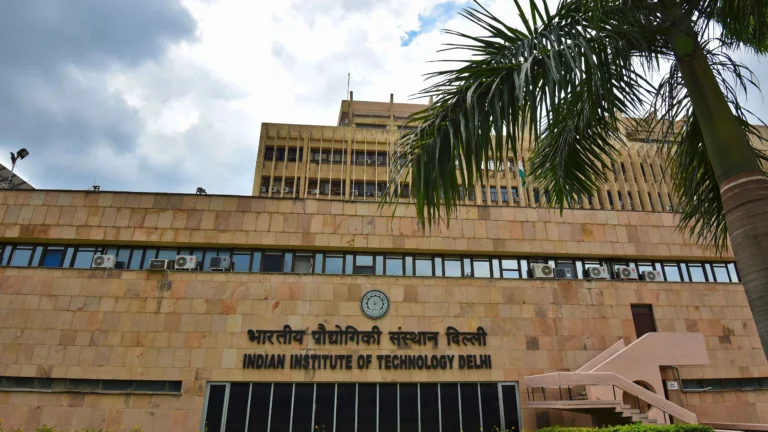
| IIT Delhi | PhD in Humanities and Social Sciences with a focus on Social Work | MBA in Public Policy, Management with a specialization in Social Sector |
| NIT Trichy | PhD in Social Sciences with research focus on community development | MBA in Industrial Engineering, Management with a focus on CSR initiatives |
| University of Delhi | PhD in Social Work with a focus on clinical social work practice | MBA in Business Economics, Public Policy with a specialization in social entrepreneurship |
| IGNOU | PhD in Social Work through distance learning with a focus on social policy | MBA in Social Entrepreneurship, Public Policy through distance learning |
| Tamil Nadu Agricultural University | PhD in Social Sciences with a focus on rural development and agricultural extension | MBA in Agricultural Business, Management with a specialization in rural development |
| Jamia Millia Islamia | PhD in Social Work with a focus on community organization and development | MBA in Public Administration, Social Work with a specialization in non-profit management |
| Anna University | PhD in Social Sciences with a research focus on urban planning and development | MBA in Urban Management, Social Work with a specialization in urban planning |
Frequently Asked Questions (FAQs)
Q1. What is the duration of a BSW course?
The duration of a BSW course is 3 years, the same as BA Sociology and BA Psychology courses. This is divided into 6 semesters, with field work and core subjects covered throughout.
Q2. What are the fees for BSW courses in Central Universities?
Fees for BSW courses in Central Universities in India range from ₹30,000–₹80,000 total for the program, as seen in institutions like Delhi University, Jamia Millia Islamia, Central University of Kerala and others.
Q3. What are the typical career paths for BSW graduates?
BSW graduates can pursue careers in NGO, CSR, Government Welfare, and Counseling sectors. They can work as Social Workers, Program Coordinators, CSR Managers, Welfare Officers, or Counselors, with salaries ranging from 2.5 to 8 LPA. These roles often involve direct social work practice, advocacy, and intervention.
Q4. What are the options for further stud ies after completing a BSW degree?
After completing a BSW degree, students can pursue further studies such as MSW, PhD, or MBA. The Tata Institute of Social Sciences (TISS) is considered one of the best institutions for MSW. A PhD can lead to an academic career, while an MBA can lead to management roles in the social sector. Additionally, students can also prepare for government jobs through State Public Service Commission (PSC) exams.
Q5. What is BSW salary?
The average starting salary for BSW graduates in India is ₹2.5–4 LPA (around ₹20,000–₹35,000 per month), depending on the sector (NGOs, government, CSR), location, and organization. With experience or an MSW, it can rise to ₹5–10 LPA or more.
Q6. What is the scope of BSW bachelor degree?
BSW offers strong scope in social services, with opportunities in NGOs, government welfare departments, hospitals, child/women protection, community development, CSR roles, counseling, and policy advocacy. Graduates can pursue MSW for advanced positions and impactful careers in social justice and human welfare.
Q: What is the average BSW (Bachelor of Social Work) 2026 course fee in India?
The average BSW (Bachelor of Social Work) 2026 course fee in India ranges from ₹30,000 to ₹1,50,000 per year. Government colleges typically have lower fees, around ₹30,000-₹70,000 annually, while private institutions might charge upwards of ₹80,000 to ₹1,50,000 per year for the 3-year BSW (Bachelor of Social Work) 2026 degree.
Q: What are the eligibility criteria for BSW (Bachelor of Social Work) 2026 admission in India?
For BSW (Bachelor of Social Work) 2026 admission, candidates must have completed their 10+2 (or equivalent) from a recognized board with a minimum aggregate of 45-50%. Some universities might have specific subject requirements or a slightly higher percentage cut-off. There is no age limit for pursuing BSW (Bachelor of Social Work) 2026, making it accessible to a wide range of students.
Q: Which are the top colleges for BSW (Bachelor of Social Work) 2026 in India?
Some of the top colleges for BSW (Bachelor of Social Work) 2026 in India include Tata Institute of Social Sciences (TISS) Mumbai, Delhi University, Jamia Millia Islamia, and Christ University, Bangalore. These institutions are known for their strong curriculum, experienced faculty, and excellent placement records, with many offering practical field experience during the 3-year BSW (Bachelor of Social Work) 2026 program.
Q: What is the average salary after BSW (Bachelor of Social Work) 2026 in India in 2026?
The average starting salary after BSW (Bachelor of Social Work) 2026 in India in 2026 ranges from ₹2.5 LPA to ₹4.5 LPA. With 2-3 years of experience, a BSW (Bachelor of Social Work) 2026 graduate can expect to earn ₹4 LPA to ₹7 LPA, depending on the sector (NGO, government, corporate CSR) and location. Senior roles can command salaries upwards of ₹8 LPA.
Q: What are the career opportunities and scope after BSW (Bachelor of Social Work) 2026?
After BSW (Bachelor of Social Work) 2026, graduates can work as social workers, community development officers, project coordinators, or counselors in NGOs, government welfare departments, hospitals, and corporate CSR initiatives. The demand for skilled social workers is projected to grow by 10-15% by 2026, offering diverse roles in child welfare, mental health, and rural development.
Q: Can I pursue higher studies or work abroad after BSW (Bachelor of Social Work) 2026 from India?
Yes, after BSW (Bachelor of Social Work) 2026, you can pursue an MSW (Master of Social Work) in India or abroad. Many international universities in the UK, USA, and Canada recognize the BSW (Bachelor of Social Work) 2026 degree for postgraduate studies. For working abroad, some countries may require additional certifications or a master’s degree, but the BSW (Bachelor of Social Work) 2026 provides a strong foundation for global social work practice.