M.Sc in Bioscience Distance/Online India 2026: Guide
Latest update: M.Sc in Bioscience 2026 admissions & dates updated. Read more ›
Considering an M.Sc in Bioscience through Distance or Online learning in India for 2026? This comprehensive guide provides prospective students and parents with all the essential information needed to make an informed decision. Distance and online M.Sc Bioscience programs offer flexibility, allowing students to pursue advanced education while managing other commitments, making them increasingly popular.
What is M.Sc in Bioscience (Distance/Online)?
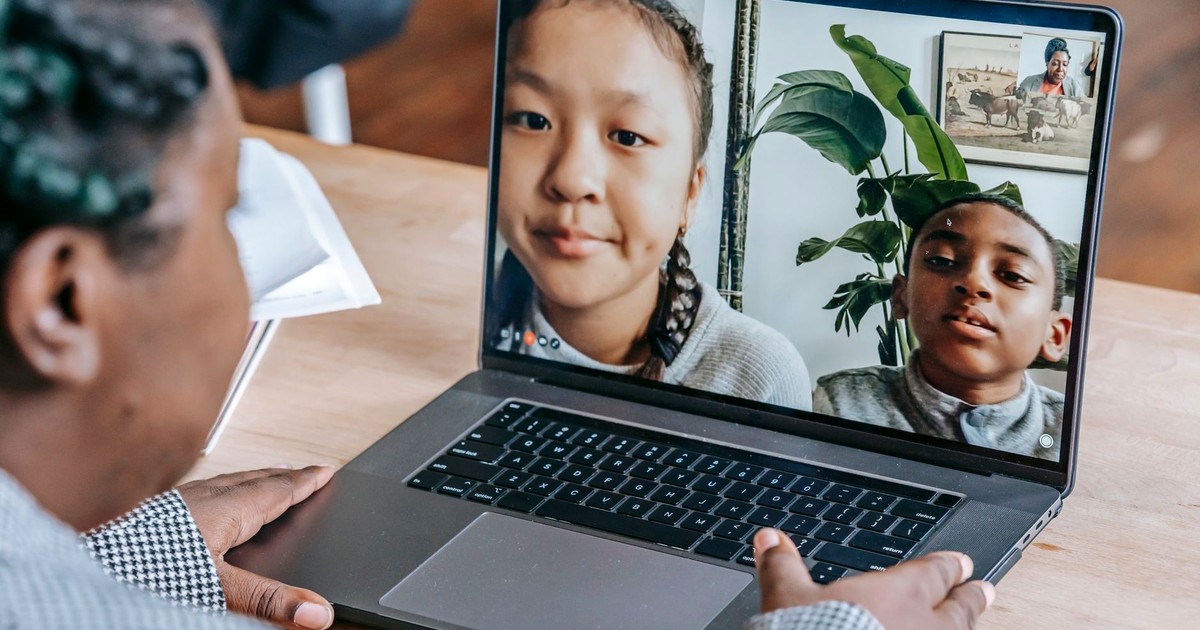
An M.Sc in Bioscience (Distance/Online) is a postgraduate master’s degree program focusing on various aspects of biological sciences, delivered through remote learning methodologies. This format allows students to access course materials, lectures, and assessments online or via correspondence, without needing to attend regular on-campus classes.
These programs typically cover advanced topics in molecular biology, genetics, biochemistry, microbiology, bioinformatics, and environmental science. The curriculum is designed to provide a deep understanding of living organisms, biological processes, and their applications in fields like healthcare, agriculture, and research.
While the mode of delivery differs, the academic rigor and curriculum content are generally comparable to traditional on-campus programs, aiming to equip graduates with strong analytical and research skills.
Online M.Sc fees in India: the range across 35 universities
What is the eligibility for M.Sc in Bioscience Distance/Online in India for 2026?
To be eligible for an M.Sc in Bioscience Distance/Online program in India for 2026, candidates generally need a Bachelor’s degree in a relevant science discipline from a recognized university. Specific eligibility criteria can vary slightly between institutions.
- Educational Qualification: A Bachelor’s degree (B.Sc) in Bioscience, Biotechnology, Biochemistry, Microbiology, Botany, Zoology, Chemistry, or any other related life science discipline is typically required. Some universities may also accept B.Pharm, B.Tech (Biotechnology), or MBBS degrees.
- Minimum Marks: Most universities require a minimum aggregate score, usually ranging from 45% to 50% in the qualifying Bachelor’s degree. Reserved categories (SC/ST/OBC) often have a relaxation in the minimum percentage.
- Entrance Exams: While many distance/online programs do not mandate a separate entrance exam, some reputed universities might conduct their own entrance tests or consider scores from national-level exams if applicable.
- Work Experience: For some executive or professional online M.Sc programs, relevant work experience in the bioscience sector might be preferred or required, though this is less common for standard M.Sc offerings.
People Also Read



Which universities offer M.Sc in Bioscience Distance/Online in India for 2026?
Several reputable universities and institutions in India offer M.Sc in Bioscience or related specializations through distance or online modes. These include both central and state open universities, as well as some conventional universities with dedicated distance education directorates.
Some prominent institutions known for their distance learning programs that might offer or be developing M.Sc Bioscience or related courses include:
- Indira Gandhi National Open University (IGNOU): A pioneer in distance education, IGNOU offers various science postgraduate programs, including M.Sc in specific bioscience fields.
- Annamalai University (Directorate of Distance Education): Known for a wide array of distance learning courses, often including science postgraduate options.
- Madhya Pradesh Bhoj (Open) University (MPBOU): Offers various science programs through distance mode.
- Dr. B.R. Ambedkar Open University (BRAOU): Another significant open university with science postgraduate offerings.
- Various State Open Universities: Many states have their own open universities (e.g., Karnataka State Open University, Nalanda Open University) that may offer relevant M.Sc programs.
It is crucial to check the official websites of these universities for the most up-to-date information regarding specific M.Sc Bioscience programs, specializations, and their accreditation status for 2026 admissions.
What are the specializations available in M.Sc Bioscience Distance/Online?
M.Sc Bioscience Distance/Online programs offer a range of specializations, allowing students to focus on specific areas of interest within the broader field. The availability of specializations can vary by university.
Common specializations include:
- M.Sc Biotechnology: Focuses on using biological systems for technological applications.
- M.Sc Biochemistry: Studies the chemical processes within and relating to living organisms.
- M.Sc Microbiology: Concentrates on the study of microorganisms.
- M.Sc Bioinformatics: Combines biology with computer science to analyze biological data.
- M.Sc Environmental Science: Explores environmental issues and their biological solutions.
- M.Sc Genetics: Deals with heredity and variation in living organisms.
- M.Sc Molecular Biology: Focuses on molecular mechanisms of life.
How much does M.Sc in Bioscience Distance/Online cost in India for 2026?
The cost of an M.Sc in Bioscience Distance/Online program in India for 2026 is generally more affordable than traditional on-campus programs, with fees varying significantly between government-funded open universities and private institutions.
Here’s an estimated fee range:
| Institution Type | Estimated Annual Fee Range (INR) | Total Program Fee Range (INR) |
|---|---|---|
| Government/Open Universities (e.g., IGNOU) | ₹10,000 – ₹25,000 | ₹20,000 – ₹50,000 |
| Private Universities/Institutions | ₹25,000 – ₹75,000 | ₹50,000 – ₹1,50,000 |
These figures are indicative and can change. Fees typically cover tuition, study materials, and examination charges. Some programs might have additional costs for practical kits or online platform access.
What is the admission process and key dates for M.Sc Bioscience Distance/Online in 2026?
The admission process for M.Sc Bioscience Distance/Online programs in 2026 typically involves online application, document submission, and sometimes an entrance exam. Key dates vary by university, but most follow a biannual admission cycle.
Admission Process:
- Online Application: Candidates fill out the application form on the university’s official distance education portal.
- Document Submission: Upload scanned copies of academic transcripts (10th, 12th, Bachelor’s degree), identity proof, photographs, and signature.
- Application Fee: Pay the non-refundable application fee online.
- Entrance Exam (if applicable): Some universities might conduct an online entrance test.
- Merit List/Admission Offer: Based on eligibility criteria and/or entrance exam scores, a merit list is published, and admission offers are extended.
- Fee Payment & Enrollment: Selected candidates pay the first installment of the program fee to confirm admission.
Tentative Key Dates for 2026 Admissions:
| Admission Cycle | Application Period | Entrance Exam (if any) | Admission/Enrollment |
|---|---|---|---|
| January Session | October – December 2025 | December 2025 | January – February 2026 |
| July Session | April – June 2026 | June 2026 | July – August 2026 |
Students are strongly advised to check the specific university websites for precise 2026 admission brochures and deadlines.
Is M.Sc in Bioscience Distance/Online worth it for jobs and career outcomes?
Yes, an M.Sc in Bioscience Distance/Online can be worth it for jobs and career outcomes, especially for working professionals seeking to upskill or individuals who require flexibility. While some employers might traditionally prefer on-campus degrees, the increasing acceptance of online education, especially post-pandemic, has broadened opportunities.
Career Prospects:
Graduates can find opportunities in various sectors, including:
- Research & Development: In pharmaceutical companies, biotech firms, and government research institutions.
- Healthcare: Clinical research, medical writing, diagnostic labs.
- Agriculture & Food Industry: Quality control, product development, research.
- Environmental Sector: Environmental consulting, conservation, pollution control.
- Academia: Teaching positions (after further qualifications like NET/SET or Ph.D.).
- Bioinformatics: Data analysis roles in various scientific domains.
Salary Expectations:
Salaries for M.Sc Bioscience graduates (including distance/online) vary based on specialization, industry, experience, and location. Entry-level salaries can range from ₹2.5 LPA to ₹5 LPA, with experienced professionals earning significantly more.
| Job Role | Entry-Level Annual Salary (INR) | Mid-Career Annual Salary (INR) |
|---|---|---|
| Research Assistant/Associate | ₹2,50,000 – ₹4,50,000 | ₹5,00,000 – ₹9,00,000 |
| Lab Technologist/Scientist | ₹2,80,000 – ₹4,80,000 | ₹5,50,000 – ₹10,00,000 |
| Biotech Analyst | ₹3,00,000 – ₹5,00,000 | ₹6,00,000 – ₹12,00,000 |
| Quality Control/Assurance Executive | ₹2,70,000 – ₹4,70,000 | ₹5,00,000 – ₹9,50,000 |
Networking, internships, and practical skills development are crucial for enhancing employability for distance learners.
What are the pros and cons of M.Sc Bioscience Distance/Online vs. Regular?
Choosing between an M.Sc Bioscience Distance/Online and a regular (on-campus) program involves weighing several factors, each with its distinct advantages and disadvantages.
Pros of Distance/Online M.Sc Bioscience:
- Flexibility: Study at your own pace and schedule, ideal for working professionals or those with other commitments.
- Accessibility: Access quality education from anywhere, overcoming geographical barriers.
- Cost-Effective: Generally lower tuition fees and reduced expenses on accommodation, travel, etc.
- Self-Paced Learning: Allows for deeper understanding and revision of complex topics.
- Skill Development: Fosters self-discipline, time management, and digital literacy.
Cons of Distance/Online M.Sc Bioscience:
- Lack of Practical Experience: This is the most significant drawback, as hands-on lab work is crucial in bioscience. Some programs offer virtual labs or require short-term on-campus practical sessions.
- Limited Networking: Fewer opportunities for direct interaction with peers and faculty compared to campus life.
- Self-Motivation Required: Requires strong self-discipline and motivation to stay on track.
- Employer Perception: While improving, some traditional employers might still prefer on-campus degrees for certain roles.
- Technical Requirements: Reliable internet access and basic computer literacy are essential.
Pros of Regular M.Sc Bioscience:
- Extensive Practical Training: Direct access to state-of-the-art laboratories and equipment.
- Enhanced Networking: Stronger peer and faculty interactions, leading to better collaborations and job opportunities.
- Campus Resources: Access to libraries, research facilities, seminars, and extracurricular activities.
- Structured Environment: Regular classes and deadlines can help maintain discipline.
Cons of Regular M.Sc Bioscience:
- Less Flexible: Fixed schedules and attendance requirements.
- Higher Cost: Generally higher tuition fees and living expenses.
- Geographical Constraints: Requires relocation for many students.
For bioscience, where practical skills are paramount, students considering distance learning should prioritize programs that offer robust virtual lab simulations, mandatory practical contact sessions, or clear pathways for gaining hands-on experience.
Explore more on FindMyCollege
Related pages for M.Sc in Bioscience aspirants on findmycollege.com:
Frequently Asked Questions
Is M.Sc Bioscience Distance/Online recognized by UGC/DEB?
Yes, M.Sc Bioscience Distance/Online degrees offered by universities approved by the University Grants Commission (UGC) and its Distance Education Bureau (DEB) are fully recognized and considered equivalent to regular degrees for employment and further education purposes in India. Always verify the accreditation status of the specific program and university.
Are there any practical components in M.Sc Bioscience Distance/Online programs?
Due to the nature of bioscience, practical components are crucial. Some distance/online programs incorporate virtual labs, simulation software, or mandatory short-term contact programs/workshops at designated study centers or university campuses to provide hands-on experience. It’s essential to check the program structure for practical training details.
Can I pursue a Ph.D. after completing an M.Sc Bioscience Distance/Online?
Yes, if your M.Sc Bioscience Distance/Online degree is from a UGC-recognized university, you are generally eligible to pursue a Ph.D. or other higher research degrees. The recognition of the degree is the primary factor, not the mode of study.
What are the technical requirements for online M.Sc Bioscience?
You will typically need a reliable internet connection, a desktop or laptop computer, a webcam, and a microphone. Some programs may require specific software for simulations or data analysis. Basic computer literacy and familiarity with online learning platforms are also essential.
How is the M.Sc Bioscience Distance/Online curriculum structured?
The curriculum is usually structured into semesters or years, covering core bioscience subjects, elective specializations, and often a dissertation or project work. Study materials are provided online (e-content, video lectures) or through postal mail. Assessments typically include online assignments, quizzes, and proctored end-term examinations.
What is the duration of an M.Sc Bioscience Distance/Online program?
The standard duration for an M.Sc Bioscience Distance/Online program in India is typically 2 years (4 semesters). However, most distance learning programs offer flexibility, allowing students to complete the degree within a maximum duration, often ranging from 4 to 5 years.