Physiotherapist Course
India’s healthcare sector projects a 15% growth in physiotherapy jobs by 2026, driven by an aging population and rising sports injuries (Source: Industry Reports 2025). A Bachelor of Physiotherapy (BPT) is a 4.5-year undergraduate degree focused on physical rehabilitation. This program equips students to help patients recover from injuries, improve mobility, and manage chronic conditions through therapeutic techniques.
| Parameter | Details |
|---|---|
| Course Name | Bachelor of Physiotherapy (BPT) |
| Course Level | Undergraduate (UG) |
| Total Duration | 4.5 years (4 years academic study + 6-month mandatory clinical internship) |
| Eligibility Criteria | 10+2 with Physics, Chemistry, Biology (PCB) and English; minimum 50-60% aggregate marks; minimum 17 years of age by December 31 of admission year. |
| Admission Mode | Merit-based or Entrance Exam (e.g., State CETs); NEET is not universally required. |
| Core Curriculum | Human Anatomy, Physiology, Exercise Therapy, Biomechanics, Rehabilitation Techniques, Clinical Exposure. |
| Professional Outcome | Leads to a full physiotherapist license in India. |
| Average Course Fee (Total) | ₹1 lakh to ₹6 lakh (for the entire BPT program, 2026). |
| Career Growth Trend | Fastest-growing healthcare program in India (Source: Industry Reports 2025). |
| Key Skills Developed | Patient care, therapeutic exercise, rehabilitation, communication, critical thinking. |
The demand for physiotherapists is rising due to increased health awareness and an aging population. This ensures strong job stability and diverse opportunities in hospitals, sports clinics, and rehabilitation centers.
Physiotherapy Courses in India: UG, PG & Diploma Options Explained (2026)
Physiotherapy courses in India are available at undergraduate, postgraduate, Diploma, and doctoral levels for the 2026 academic session. The Bachelor of Physiotherapy (BPT) is the most sought-after undergraduate degree, typically requiring 4.5 years to complete.
| Course Type | Duration | Eligibility Criteria | Key Focus |
|---|---|---|---|
| Bachelor of Physiotherapy (BPT/BPTh) | 4.5 years (4 years academic + 6-month internship) | 10+2 with Physics, Chemistry, Biology & English; minimum 50-60% marks; 17 years old by Dec 31 of admission year | Improving physical function, therapeutic techniques, human anatomy, biomechanics, exercise therapy, rehabilitation techniques |
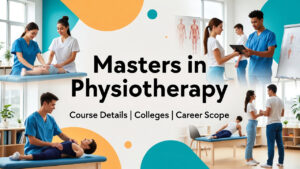
| Master of Physiotherapy (MPT) | 2 years (Full-Time) | BPT degree with minimum 55% marks + 6-month mandatory internship | Advanced therapeutic techniques, specialized rehabilitation, research, orthopaedics, sports, neurology, cardiopulmonary-obstetrics & gynaecology |
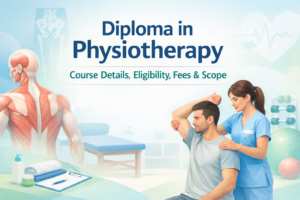
| Diploma in Physiotherapy (DPT) | 2 years | 12th in science stream | Entry-level understanding of physiotherapy, quick entry into the field, digital health, tele-rehabilitation concepts |
| Certificate Course in Physiotherapy | Varies (typically short-term, few weeks to months) | Varies (often 12th pass or practicing professionals) | Specific skill ment, identifying problems, treatment, rehabilitation, promoting physical, psychological, emotional, and social well-being |
| PhD in Physiotherapy | 3-4 years (Full-Time or Part-Time) | MPT degree, entrance exams like UGC NET, CSIR NET, or GATE | Advanced research, academic roles, specialized clinical practice, evidence-based physiotherapy, contribution to the field |
| Online Physiotherapy Courses (CME/Fellowship) | Varies (flexible, self-paced) | Varies (often for BPT graduates or practicing physiotherapists) | Continuous Medical Education (CME), professional development, specialized online fellowships, skill ment, academic credentialing |
These varied physiotherapy programs equip students with skills for a growing healthcare sector in India.
Physiotherapy Course Fees & Duration in India 2026: College-wise Breakdown
Physiotherapy courses in India for 2026 present diverse fee structures and durations. A Bachelor of Physiotherapy (BPT) typically spans 4.5 years, including a mandatory 6-month internship, with total fees ranging from ₹2,000 to ₹6 lakh across various institutions.
| Course Name | Course Level | Duration | Average Fees (Annual) | College | Admission Mode |
|---|---|---|---|---|---|
| Bachelor of Physiotherapy (BPT) | Undergraduate | 4.5 Years (incl. 6-month internship) | ₹500 – ₹1.35 lakh | SGT University, Gurugram | Merit-based |
| Bachelor of Physiotherapy (BPT) | Undergraduate | 4.5 Years (incl. 6-month internship) | ₹500 – ₹1.35 lakh | Brainware University, Kolkata | University Admission Process |
| Bachelor of Physiotherapy (BPT) | Undergraduate | 4.5 Years (incl. 6-month internship) | ₹500 – ₹1.35 lakh | Manav Rachna Educational Institutions (MRIIRS), Faridabad | NEET Merit / Marks |
| Bachelor of Physiotherapy (BPT) | Undergraduate | 4.5 Years (incl. 6-month internship) | ₹500 – ₹1.35 lakh | Somaiya, Mumbai | NEET Merit-based |
| Bachelor of Physiotherapy (BPT) | Undergraduate | 4.5 Years (incl. 6-month internship) | ₹500 – ₹1.35 lakh | Institute of Health Sciences, Bhubaneswar | Merit-based |
| Bachelor of Physiotherapy (BPT) | Undergraduate | 4.5 Years (incl. 6-month internship) | ₹500 – ₹1.35 lakh | Mangalayatan University, Aligarh | Direct Admission / Online Application |
| Bachelor of Physiotherapy (BPT) | Undergraduate | 4.5 Years (incl. 6-month internship) | ₹500 – ₹1.35 lakh | Universal Skilltech University | NEET |
| Bachelor of Physiotherapy (BPT) | Undergraduate | 4.5 Years (incl. 6-month internship) | ₹500 – ₹1.35 lakh | Sanjivani University | NEET |
| Master of Physiotherapy (MPT) | Postgraduate | 2 Years | ₹80,000 – ₹2.5 lakh | SGT University, Gurugram | Merit-based |
| Master of Physiotherapy (MPT) | Postgraduate | 2 Years | ₹80,000 – ₹2.5 lakh | Dr. DY Patil Vidyapeeth | Merit-based |
| Diploma in Physiotherapy (DPT) | Diploma | 2 Years | ₹30,000 – ₹80,000 | (Various paramedical institutes across India) | Merit-based |
| Certificate Course in Physiotherapy | Certificate | Few months – 1 Year | ₹5,000 – ₹50,000 (Total) | ADN Institute, CMJ University, MUHS, Rajiv Gandhi Paramedical Institute | Direct Admission |
| PhD in Physiotherapy | Doctoral | 3-4 Years | ₹30,000 – ₹1.5 lakh | SGT University, Gurugram | UGC NET / CSIR NET / GATE + Interview |
The total investment for a physiotherapy course in India can range from ₹5,000 for a Certificate to over ₹10 lakh for a Master’s degree, varying by institution type and program.
Physiotherapy Admission Process 2026: Eligibility, Entrance Exams & Application Steps
The physiotherapy admission process for 2026 typically requires candidates to have passed 10+2 with Physics, Chemistry, and Biology, along with meeting a minimum age of 17 years. While NEET is mandatory for MBBS/BDS, many BPT courses in India accept admissions based on 12th-grade marks or through university-specific entrance examinations.
- BPT Eligibility Criteria: For Bachelor of Physiotherapy (BPT) programs, candidates must have passed their 12th standard examination with English, Physics, Chemistry, and Biology (Botany & Zoology) as compulsory subjects. A minimum aggregate of 50-60% marks in PCB is generally required, and applicants must be at least 17 years old by December 31 of the admission year.
- MPT Eligibility Criteria: Master of Physiotherapy (MPT) programs require a Bachelor of Physiotherapy (BPT) degree from a recognized institution. Candidates typically need a minimum of 55% marks in their BPT and must have completed a 6-month mandatory clinical internship.
- DPT Eligibility Criteria: Diploma in Physiotherapy (DPT) courses are entry-level programs, requiring candidates to have passed their 12th standard in the science stream. This 2-year Diploma offers a foundational understanding of physiotherapy.
- Undergraduate Entrance Exams: While NEET is not universally mandatory for BPT, some colleges like Somaiya and Universal Skilltech University consider NEET scores for merit-based admissions. Other institutions may conduct their own entrance exams, such as LPUNEST for Lovely Professional University, or utilize state-level CETs for centralized admissions, like in Maharashtra for BPTh courses.
- Postgraduate Entrance Exams: For Master of Physiotherapy (MPT) admissions, the All India PG Physiotherapy Entrance Test (AIPGPET) is a common requirement. PhD Physiotherapy programs typically require qualifying exams like UGC NET, CSIR NET, or GATE.
- Application Process Steps: The admission process generally involves online submission of the application form, followed by document scrutiny and the display of a merit list based on qualifying exam scores. Selected candidates then participate in counselling/seat allotment, document verification, and fee payment to confirm their admission.
- Key Application Dates 2026: Admissions for the 2026 session are currently open at many universities, including SGT University and LPU. The application deadline for some physiotherapy courses is March 10, 2026, with NEET 2026 registration closing around March 11, 2026, and the exam scheduled for May 03, 2026.
- NEET Not Always Mandatory: Many physiotherapy courses in India, including BPT programs at SGT University and Brainware University, do not require NEET scores for admission. These institutions often base selection on 12th-grade marks or their internal admission processes.
Understanding these specific eligibility criteria and entrance exam requirements is for students planning their physiotherapy admission for the 2026 academic session.
Physiotherapy Syllabus & Key Subjects: BPT & MPT Curriculum Overview
The Bachelor of Physiotherapy (BPT) curriculum is a 4.5-year program, including a mandatory 6-month clinical internship. IT provides full theoretical knowledge and practical skills across various medical and rehabilitation sciences. Master of Physiotherapy (MPT) programs typically span 2 years, focusing on advanced specializations. The core BPT syllabus integrates foundational medical sciences with specialized physiotherapy techniques. Students gain expertise in human movement, therapeutic interventions, and patient care, preparing them for diverse clinical settings.
- Human Anatomy & Physiology: This foundational subject covers the structure and function of the human body, including musculoskeletal, nervous, and cardiovascular systems. Students learn about organ systems and their interactions over the first two years.
- Biomechanics & Kinesiology: Focuses on the mechanics of human movement, analyzing forces acting on the body and their effects. This includes studying joint movements, muscle actions, and posture.
- Exercise Therapy: A core subject teaching therapeutic exercises to restore strength, flexibility, and endurance. IT covers various techniques like stretching, strengthening, and balance training.
- Electrotherapy & Physical Agents: Explores the application of physical forces such as heat, pressure, and electricity for pain management and tissue healing. Modalities like ultrasound, shortwave diathermy, and TENS are covered.
- Pathology & Pharmacology: Provides knowledge of disease processes and the effects of drugs on the body. This helps physiotherapists understand patient conditions and medical management.
- Neurology & Neurological Physiotherapy: Covers conditions affecting the nervous system, such as stroke, spinal cord injury, and Parkinson’s disease. Students learn specialized rehabilitation techniques for these patients.
- Orthopaedics & Musculoskeletal Physiotherapy: Focuses on injuries and conditions of bones, joints, and muscles. This includes rehabilitation for fractures, arthritis, and sports injuries.
- Rehabilitation Techniques: Teaches practical skills for patient assessment, treatment planning, and implementing various rehabilitation strategies. Clinical exposure is a mandatory part of this training.
- Community Based Rehabilitation (CBR): Explores physiotherapy interventions in a community setting, addressing public health and disability prevention. This includes understanding the social aspects of rehabilitation.
- Mandatory Clinical Internship: A 6-month full-time internship is integrated into the BPT program, providing hands-on experience in hospitals, clinics, and rehabilitation centers. This practical training is for developing clinical competence.
Master of Physiotherapy (MPT) programs offer advanced specialization in specific areas of practice. These 2-year postgraduate courses build upon the BPT foundation, providing in-depth knowledge and research skills.
- MPT in Orthopaedics: Focuses on advanced assessment and treatment of musculoskeletal conditions, including post-surgical rehabilitation and chronic pain management.
- MPT in Sports Physiotherapy: Specializes in preventing, diagnosing, and treating sports-related injuries. This includes performance ment and return-to-sport protocols.
- MPT in Neurology: Provides expertise in managing complex neurological disorders, including advanced neurorehabilitation techniques and assistive technology.
- MPT in Cardiopulmonary-Obstetrics & Gynaecology: Covers physiotherapy for cardiovascular and respiratory conditions, as well as pre- and post-natal care and women’s health issues.
- MPT in Community Based Rehabilitation: Focuses on developing and implementing rehabilitation programs at the community level, emphasizing public health and disability inclusion.
The full BPT and MPT syllabi ensure graduates are well-equipped with the necessary skills and knowledge to address diverse patient needs in the evolving healthcare sector.
Top Physiotherapy Colleges in India 2026: Admission & Courses
India has numerous institutions offering physiotherapy courses, with over 10 leading colleges providing Bachelor of Physiotherapy (BPT) and Master of Physiotherapy (MPT) programs for the 2026 academic session. These colleges primarily admit students based on merit or specific entrance examinations.
| College Name | Course Offered | Admission Mode |
|---|---|---|
| SGT University | BPT, MPT, PhD | Merit-based (NEET not required) |
| Lovely Professional University (LPU) | Physiotherapy courses | LPUNEST 2026 |
| Manav Rachna Educational Institutions (MRIIRS) | Bachelor of Physiotherapy (BPT) | NEET Merit/Marks |
| Somaiya | Bachelor of Physiotherapy (BPT) | NEET Merit-based |
| Teerthanker Mahaveer University (TMU) | BPT | NEET compulsory |
| JAIN (Deemed-to-be University) | Physiotherapy courses | NEET not mandatory for many |
| Mangalayatan University | Bachelor of Physiotherapy | Direct Call/Online Application |
| Universal Skilltech University | BPT | NEET aggregate |
| Sanjivani University | BPT | NEET exam for eligibility |
| Brainware University | Bachelor of Physiotherapy (BPT) | Apply through university website (NEET not required) |
| D Y Patil College of Physiotherapy | BPT | Centralized through State CET Cell (Maharashtra) |
For detailed fee structures and placement statistics, students should consult the dedicated sections on ‘Physiotherapy Course Fees & Duration’ and ‘Physiotherapist Salary in India & Abroad’ respectively, or visit official college websites.
Physiotherapist Salary in India & Abroad 2026: Fresher vs Experienced Pay
Physiotherapist salaries in India for 2026 start at ₹2.4-4.2 LPA for freshers, with experienced professionals earning ₹8.4-12 LPA or higher (Source: Ambitionbox.com). Abroad, physiotherapists can command significantly higher salaries, driven by strong demand in developed countries.
| Experience Level | Average Salary (INR/LPA) | Abroad Salary (USD/Month) | Key Recruiters |
|---|---|---|---|
| Fresher (0-1 year) | ₹2.4 – 4.2 LPA (2025-2026) | Higher demand in developed countries | Apollo Hospitals, Fortis Hospitals, AIIMS, HelpAge India |
| Early Career (1-4 years) | ₹3.0 – 7.0 LPA (2025-2026) | Lucrative opportunities abroad | Apollo Hospitals, Fortis Healthcare, Max Healthcare, Private Clinics |
| Mid-level (3-7 years) | ₹6.0 – 9.6 LPA (2025-2026) | Significant difference in pay compared to India | Hospitals, Rehabilitation Centres, Fitness Centres |
| Experienced (5+ years) | ₹8.4 – 12 LPA+ (2025-2026) | Strong global demand for licensed professionals | Hospitals, Private Practice, Defence Establishments |
| Postgraduate (MPT) Fresher | ₹2.5 – 5.0 LPA (2025-2026) | Strong scope abroad, especially with MPT | Apollo Hospitals, Fortis Hospitals, AIIMS |
| Postgraduate (MPT) Experienced | ₹7.0 – 10.0 LPA (2025-2026) | Higher salaries with MPT and clinical experience | Hospitals, Specialised Clinics, Research Institutions |
| Sports Physiotherapist | ₹5.0 – 8.0 LPA (2025) | Higher pay in international sports settings | Sports Teams, Fitness Centres, Rehabilitation Centres |
| Private Practitioner / Clinic Owner | ₹2.4 – 12 LPA+ (2025-2026) | Profitable income with reputation abroad | Self-employed, Private Orthopaedic Clinics |
The physiotherapy course offers substantial salary growth with increasing experience and specialization, alongside significant earning potential for those pursuing international careers.
BPT vs BSc Nursing vs BMLT: Which Paramedical Course is Best for You?
Choosing a paramedical course after 12th grade requires understanding each program’s focus and career outcomes. BPT, BSc Nursing, and BMLT are three popular options, each leading to distinct healthcare roles and average starting salaries ranging from ₹2-4.5 LPA in 2026.
| Feature | Bachelor of Physiotherapy (BPT) | BSc Nursing | Bachelor of Medical Laboratory Technology (BMLT) |
|---|---|---|---|
| Course Duration | 4.5 years (4 years academic + 6-month internship) | 4 years (academic) | 3-4 years (3 years academic or 4 years with Hons. & Research) |
| Eligibility (10+2) | PCB with English, 50-60% marks, 17 years old | PCB with English, 45-50% marks, 17 years old | PCB with English, 50-60% marks |
| Admission Mode | Merit-based or Entrance Exam (NEET for some colleges) | State/National Entrance Exams (e.g., AIIMS Nursing, NEET for some) or Merit | Merit-based or Entrance Exam |
| NEET Requirement | Varies by college; some require NEET, others do not | Required by some colleges; others have institutional exams | Generally not required; some universities may consider IT |
| Average Annual Fees (Range) | ₹1-5 lakh | ₹50,000-2.5 lakh | ₹50,000-2 lakh |
| Core Focus | Restoring physical function, reducing pain, rehabilitation through physical interventions | Patient care, health promotion, disease prevention, medical assistance | Diagnosing diseases through lab tests, analyzing body fluids, operating lab equipment |
| Key Skills Developed | Therapeutic exercises, rehabilitation techniques, patient care, communication, anatomy | Clinical skills, patient assessment, critical thinking, empathy, medical administration | Lab techniques, sample collection, diagnostic testing, equipment handling, data interpretation |
| Common Job Roles | Physiotherapist, Sports Physiotherapist, Clinical Physiotherapist, Researcher | Staff Nurse, Clinical Nurse Specialist, Nurse Educator, Public Health Nurse | Lab Technician, Medical Technologist, Research Assistant, Blood Bank Technician |
| Average Starting Salary (Range) | ₹2.5-4.2 LPA | ₹2.5-4.5 LPA | ₹2-4 LPA |
| Further Study Options | MPT (Orthopaedics, Sports, Neurology), PhD in Physiotherapy, MBA in Healthcare Management | MSc Nursing (various specializations), PhD in Nursing, MPH | MSc MLT (Microbiology, Biochemistry), PhD |
| Regulatory Body | Indian Association of Physiotherapists (IAP), State Councils | Indian Nursing Council (INC), State Nursing Councils | Allied and Healthcare Professions Council (developing), State Paramedical Councils |
Each course offers a distinct pathway into the healthcare sector, with BPT focusing on rehabilitation, BSc Nursing on direct patient care, and BMLT on diagnostic laboratory services.
Physiotherapy Career Scope 2026: Job Roles, Top Recruiters & Specializations
The physiotherapy career outlook for 2026 shows high demand and rapid growth across India. This field offers stable employment opportunities in various settings, driven by an aging population and increased awareness of physical health. Physiotherapists can expect starting salaries of ₹3-5 LPA as freshers, with experienced professionals earning ₹8-10 LPA or more (Source: Ambitionbox.com).
Key Job Roles for Physiotherapy Graduates
Physiotherapy graduates can pursue diverse roles in healthcare, sports, and community settings. These positions require specialized skills in rehabilitation and patient care.
- Clinical Physiotherapist: These professionals work in hospitals, private clinics, and rehabilitation centers. They help patients recover from injuries, manage chronic conditions, and improve mobility using evidence-based techniques.
- Sports Physiotherapist: Specializing in athletes and sports teams, these physiotherapists focus on injury prevention, rehabilitation, and performance ment. They apply techniques like ice/hot packs and TENS to aid recovery.
- Neurological Physiotherapist: This specialization addresses patients with neurological conditions such as stroke, spinal cord injuries, or Parkinson’s disease. They work to restore motor function and improve quality of life.
- Cardiorespiratory Physiotherapist: These specialists prevent, treat, and rehabilitate patients with heart and lung conditions, including asthma and chronic bronchitis. They employ specific exercises and breathing techniques.
- Paediatric Physiotherapy Specialist: Working with children, these physiotherapists treat developmental delays, congenital conditions, and injuries. Their goal is to improve motor skills and functional independence in young patients.
- Rehabilitation Therapist: These professionals design and implement rehabilitation programs for patients recovering from surgery, accidents, or severe illnesses. They focus on restoring function and independence.
- Private Practitioner/Consultant: Experienced physiotherapists can establish their own clinics or offer consultancy services. This path offers the potential for higher earnings, often exceeding ₹1,00,000 per month.
Top Recruiters for Physiotherapists in 2026
The demand for physiotherapists is strong across major healthcare providers and specialized centers. Leading hospitals and organizations actively recruit BPT and MPT graduates.
- Hospitals: Major hospital chains like Apollo Hospitals, Fortis Healthcare, Max Healthcare, Medanta, and AIIMS are primary employers. They offer roles across various departments, including ICU and geriatrics.
- Rehabilitation Centers: Specialized rehabilitation facilities, such as Help Age India, focus on long-term patient recovery and functional improvement. These centers provide dedicated roles for physiotherapists.
- Sports Organizations: Professional sports teams, academies, and fitness centers hire sports physiotherapists. They ensure athletes maintain peak physical condition and recover efficiently from injuries.
- Government Sector: Government hospitals, health programs, and defense services also recruit physiotherapists. These roles often offer job stability and competitive benefits.
- Academic and Research Institutions: Universities and research centers employ physiotherapists as lecturers, instructors, and researchers. A PhD in Physiotherapy is often required for these advanced roles.
Specializations in Physiotherapy
Physiotherapy offers several specializations, allowing professionals to focus on specific patient populations or conditions. Pursuing an MPT degree can lead to advanced roles and higher salaries.
- Orthopaedics Physiotherapy: This specialization focuses on musculoskeletal conditions, including fractures, arthritis, and back pain. Professionals use manual therapy and exercise to restore joint function.
- Sports Physiotherapy: Specializes in preventing and treating injuries in athletes. This field includes performance ment and rapid recovery strategies for sports-related trauma.
- Neurology Physiotherapy: Deals with disorders of the nervous system, such as stroke, multiple sclerosis, and Parkinson’s disease. Treatment aims to improve balance, coordination, and movement.
- Cardiopulmonary Physiotherapy: Focuses on heart and lung conditions, including chronic obstructive pulmonary disease (COPD) and post-cardiac surgery rehabilitation. Techniques include breathing exercises and endurance training.
- Paediatric Physiotherapy: Addresses physical challenges in infants, children, and adolescents. This includes conditions like cerebral palsy, developmental delays, and genetic disorders.
- Geriatric Physiotherapy: Specializes in the physical needs of older adults, helping to manage age-related conditions like osteoporosis, arthritis, and balance disorders. The goal is to maintain mobility and independence.
- Community Based Rehabilitation (CBR): This specialization involves providing physiotherapy services in community settings, often for underserved populations. IT focuses on accessible and inclusive rehabilitation programs.
The physiotherapy field continues to expand, offering diverse and impactful career paths for graduates in 2026 and beyond.
Physiotherapy Course Resources: Official Links, Brochures & Exam Guides 2026
Students exploring physiotherapy courses in 2026 can access over 20 official college websites and national exam guides for admission details. These resources provide information on eligibility, application processes, and course specifics for BPT, MPT, and Diploma programs across India.
| Resource | Type | Where to Access/Download |
|---|---|---|
| SGT University Official Website | Official College Website & Admission Brochure | sgtuniversity.ac.in |
| Jamia Hamdard Official Website | Official College Website & Admission Brochure | jamiahamdard.edu |
| Christian Medical College (CMC) Official Website | Official College Website & Admission Brochure | cmch-vellore.edu |
| King George’s Medical University Official Website | Official College Website & Admission Brochure | kgmu.org |
| Manav Rachna Educational Institutions (MRIIRS) Official Website | Official College Website & Admission Brochure | manavrachna.edu.in |
| Lovely Professional University (LPU) Official Website | Official College Website & Admission Brochure | LPU.in |
| JAIN (Deemed-to-be University) Official Website | Official College Website & Admission Brochure | jainuniversity.ac.in |
| K.J. Somaiya College of Physiotherapy Official Website | Official College Website & Admission Brochure | somaiya.edu/kjspt |
| Chitkara University Official Website | Official College Website & Admission Brochure | chitkara.edu.in |
| D Y Patil College of Physiotherapy Official Website | Official College Website & Admission Brochure | dypatil.edu |
| NEET 2026 Information Bulletin | National Entrance Exam Guide | NEET.NTA.nic.in |
| CUET (UG) 2026 Information Bulletin | Central University Entrance Exam Guide | CUET.samarth.ac.in |
| AIPGPET 2026 Exam Guide | PG Physiotherapy Entrance Exam Guide | Check official exam conducting body website |
| Maharashtra BPT CET 2026 Information Brochure | State-level Entrance Exam Guide | cetcell.mahacet.org |
| Indian Association of Chartered Physiotherapists (IACP) | Professional Body & CME Courses | iacp.co.in |
| Udemy Physiotherapy Courses | Online Learning Platform | udemy.com |
| Coursera Physiotherapy Courses | Online Learning Platform | coursera.org |
| edX Physiotherapy Courses | Online Learning Platform | edx.org |
| NIRF Rankings 2025 (Latest Available) | Government Ranking Framework | nirfindia.org |
| UGC (University Grants Commission) | Higher Education Regulatory Body | UGC.gov.in |
Accessing these official resources is for prospective students to verify eligibility criteria, application deadlines, and fee structures for physiotherapy courses in 2026.
Key Takeaways
- Official college websites provide the most accurate details on BPT and MPT eligibility, including specific 10+2 percentage requirements and admission modes for the 2026-27 session.
- Key entrance exams for physiotherapy, such as NEET, CUET, and state-level CETs, require candidates to download their respective 2026 information bulletins for application dates and exam patterns.
- Professional bodies like the Indian Association of Chartered Physiotherapists offer online CME and fellowship courses, career prospects for physiotherapy graduates.
Students should visit the official websites of their target colleges and relevant entrance exam bodies to download 2026 admission brochures and apply before deadlines.
Frequently Asked Questions (FAQs)
What is the eligibility criteria for BPT courses in India?
Candidates must have passed Class 12 with Physics, Chemistry, Biology (PCB), and English, with a minimum of 50% marks. They must also be at least 17 years old by December 31 of the admission year.
Which entrance exams are required for physiotherapy courses in 2026?
Popular exams include NEET UG for undergraduate courses and AIPGPET for postgraduate admissions. Some colleges also accept state-level CETs like MAH CET for Maharashtra admissions.
What are the average fees for BPT courses in India?
Fees range from ₹2,000 (government colleges like IPGME&R, Kolkata) to ₹6 lakh (private institutions like DY Patil College, Pune) for the full 4.5-year program.
Is admission to NIMS College of Physiotherapy merit-based or entrance-based?
NIMS College, Hyderabad, requires NEET UG scores for admission to its BPT program, followed by Telangana State Counselling. Direct admission is not available.
What job roles are available after completing a physiotherapy course?
Graduates can work as Clinical Physiotherapists, Sports Physiotherapists, or Neurological Physiotherapists. Top recruiters include Apollo Hospitals, Fortis Healthcare, and AIIMS.
What is the starting salary for BPT graduates in India?
Freshers earn ₹2.5-3 LPA (as per 2025 data from Ambitionbox), with experienced professionals earning ₹70,000+ per month in senior roles at hospitals like Max Healthcare.
Can physiotherapists use the ‘Dr.’ title in India?
Yes, physiotherapists with a Doctorate in Physiotherapy (DPT) from recognized institutions like Jamia Hamdard can prefix ‘Dr.’ to their names.
Disclaimer: The information provided in this article is sourced from official websites, NIRF rankings, and publicly available data. Fees, placement figures, and other details may vary. Please verify with the official institution website for the most current information.