PHD in Microbiology: Course Details, Colleges, Fees, and Career Opportunities in India
A PhD in Microbiology in India is a research-focused program advancing knowledge in bacteria, viruses, fungi, and immunology. Graduates can pursue careers in academia, research labs, biotechnology, pharmaceuticals, and public health. Top colleges offer structured coursework, lab training, and fellowship opportunities.
As of 2026, a PhD in Microbiology is a highly sought-after degree, with over 46 colleges in India offering the program. The average duration of a PhD in Microbiology in India is 3 to 5 years, depending on research progress and institutional norms. Candidates must hold a postgraduate degree like MSc or equivalent in Microbiology or a related life science discipline with a minimum qualifying percentage or CGPA.
| Parameter | Details |
|---|---|
| Course Name | PhD in Microbiology |
| Duration | 3 to 5 years |
| Eligibility | Master’s degree in Microbiology or a related field with at least 55% marks |
| Admission Mode | Full-time, Part-time |
| Specializations | Microbial genetics, Virology, Immunology, Microbial physiology, Molecular biology, Advanced lab techniques |
| Notable Features | Focus on microorganisms and their impact on health, environment, and industry |
| Entrance Exam | UGC NET, CSIR NET, GATE, DBT BET JRF, ICMR JRF, University’s own PhD entrance tests |
| Selection Process | Online application, shortlisting, written entrance test, personal interview or research proposal presentation |
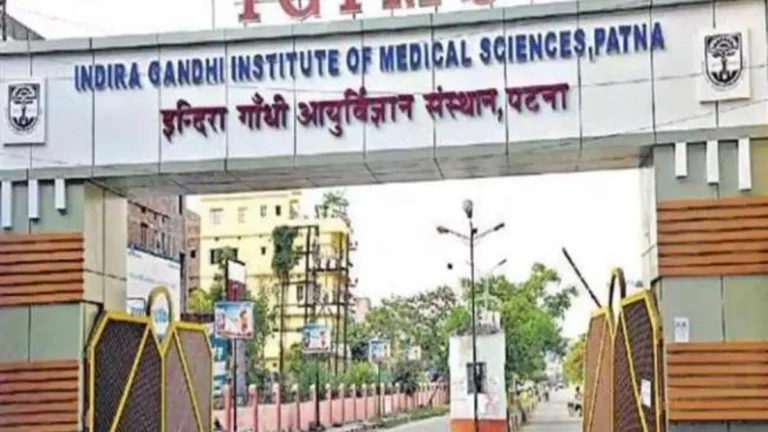
| Top Colleges | Sankara Nethralaya (Chennai), IGIMS Patna, TNMC (Mumbai), Indian Institute of Science (IISc) Bangalore |
| Average Fees | ₹2.09 lakh to ₹9.25 lakh per year |
| Average Salary | ₹8.00 lakh to ₹16.00 lakh per annum |
| Job Roles | Researcher, Teacher, Microbiologist, Food Technologist, Pharmacologist, Research Associate, Clinical Microbiologist |
| Industries | Academia, Biotechnology, Pharmaceuticals, Healthcare sector, Environmental science, Agricultural research, Food Industry |
The PhD in Microbiology program offers a wide range of career opportunities in research institutions, universities, pharmaceutical companies, and healthcare organizations. With a strong focus on microorganisms and their impact on health, environment, and industry, this program equips candidates with in-depth scientific knowledge and practical skills for careers in research, academia, and biotechnology.
PhD in Microbiology: Types, Categories & Key Components Explained
As of 2026, there are numerous PhD programs in Microbiology available across India, with varying eligibility criteria and admission processes. For instance, the Indian Institute of Science (IISc) Bangalore offers a PhD in Microbiology & Cell Biology, with an average fee of ₹209,550 per year, while the Lovely Professional University (LPU) offers a PhD in Microbiology with a duration of 3 to 5 years. The eligibility criteria for PhD in Microbiology typically include a Master’s degree in Microbiology or a related field with at least 55% marks.
| Type/Category | Details | Key Feature |
|---|---|---|
| Course | PhD in Microbiology | 3 to 5 years duration |
| Entrance Exam | CSIR-UGC NET, UGC NET, GATE, DBT BET JRF, ICMR JRF | Valid score required for admission |
| Selection Process | Entrance exam + interview, or merit-based selection | Shortlisting based on entrance scores and academic record |
| Eligibility | Master’s degree in Microbiology or related field with 55% marks | Postgraduate degree like MSc or equivalent |
| Admission Mode | Full-time, Part-time | Options available for working professionals and researchers |
| Specializations | Microbial genetics, virology, immunology, microbial physiology | Advanced lab techniques and research methodologies |
| College | MIT-WPU, LPU, IISc Bangalore, PSGCAS | Reputed institutions offering PhD in Microbiology |
| Location | Pune, Bangalore, Chennai, Mumbai | Major cities with top PhD in Microbiology colleges |
| Fees | ₹2.09 lakh – ₹5 lakh per year | Varying fees for different colleges and universities |
| Placement | Academia, pharmaceuticals, biotechnology firms, diagnostics | Research institutions, universities, and healthcare organizations |
| Salary | ₹8-16 LPA (average starting salary for PhD holders) | Varying salaries based on experience, location, and industry |
| Notable Features | Focus on microorganisms and their impact on health, environment, and industry | Advanced research and practical skills for careers in research and academia |
The PhD in Microbiology program offers a broad spectrum of career opportunities in research institutions, universities, pharmaceutical companies, and healthcare organizations, with average salaries ranging from ₹8-16 LPA for PhD holders. The program equips candidates with in-depth scientific knowledge and practical skills for careers in research, academia, and biotechnology.
PhD in Microbiology: Key Statistics & Data Points for 2026
As of 2026, there are over 46 colleges in India offering PhD in Microbiology, with top institutes including Sankara Nethralaya, IGIMS Patna, and TNMC Mumbai. The average salary for PhD holders in Microbiology in India starts around ₹3 LPA, with opportunities in academia, pharmaceuticals, biotechnology firms, diagnostics, and public health research. The duration of a PhD in Microbiology in India typically ranges from three to five years, depending on research progress and institutional norms.
| College | Course | Entrance Exam | Selection Process | Eligibility | Duration |
|---|---|---|---|---|---|
| Desh Bhagat University (DBU) | PhD in Microbiology | DBU entrance exam | Combined score of DBU entrance exam and interview | Master’s degree in Microbiology or a related field with at least 55% marks | 3-5 years |
| Mangalayatan University | PhD in Microbiology | University’s own PhD entrance test | Entrance test followed by a personal interview or viva-voce | Master’s degree in Microbiology or a related field with at least 55% marks | 3-5 years |
| MIT-WPU | Ph.D. In Microbiology | PhD entrance test conducted by MITWPU | Confirmation after successful completion of coursework with 55% or more | Master’s degree in Microbiology or a related field with at least 55% marks | 3-6 years |
| Lovely Professional University (LPU) | Ph.D. Microbiology (Full Time) | LPUNEST for Ph.D. (online mode) | LPUNEST score followed by a personal interview | Master’s degree in Microbiology or a related field with at least 55% marks | 3-5 years |
| Pondicherry University | Ph.D. Microbiology | UGC/CSIR- NET | Entrance Category | Master’s degree in Microbiology or a related field with at least 55% marks | 3-5 years |
| Indian Institute of Science (IISc) Bangalore | Ph.D Microbiology & Cell Biology | GATE, UGC NET | Primarily based on GATE | Post Graduation +GATE/UGC NET | 3-5 years |
| AIIMS Delhi | Ph.D. In Microbiology | AIIMS Delhi PhD Entrance Exam | Entrance exam followed by a personal interview | Master’s degree in Microbiology or a related field with at least 55% marks | 3-5 years |
| AIIMS Bhopal | Ph.D. In Microbiology | AIIMS Bhopal PhD Entrance Exam | Entrance exam followed by a personal interview | Master’s degree in Microbiology or a related field with at least 55% marks | 3-5 years |
| Parul University | Ph.D. In Microbiology | University’s own PhD entrance test | Entrance test followed by a personal interview or viva-voce | Master’s degree in Microbiology or a related field with at least 55% marks | 3-5 years |
| Dev Bhoomi Uttarakhand University | Ph.D. In Microbiology | University’s own PhD entrance test | Entrance test followed by a personal interview or viva-voce | Master’s degree in Microbiology or a related field with at least 55% marks | 3-5 years |
| Presidency College | M.Phil/Ph.D in Science (Microbiology) | No entrance examination | Merit-based selection | Master’s degree in Microbiology or a related field with at least 55% marks | 3-5 years |
| Stanford University | PhD Microbiology and Immunology | University’s own PhD entrance test | Entrance test followed by a personal interview or viva-voce | Master’s degree in Microbiology or a related field with at least 55% marks | 3-5 years |
| Harvard University | PhD in Microbiology | University’s own PhD entrance test | Entrance test followed by a personal interview or viva-voce | Master’s degree in Microbiology or a related field with at least 55% marks | 3-5 years |
The key statistics and data points for PhD in Microbiology in 2026 include the eligibility criteria, entrance exams, selection process, duration, and colleges offering the course. The average salary for PhD holders in Microbiology in India starts around ₹3 LPA, with opportunities in academia, pharmaceuticals, biotechnology firms, diagnostics, and public health research.
How PhD in Microbiology Works: Process, Steps & Key Details
The PhD in Microbiology admission process in India typically involves a written test and an interview, with candidates required to hold a postgraduate degree like MSc or equivalent in Microbiology or a related life science discipline with a minimum qualifying percentage or CGPA. The duration of a PhD in Microbiology in India typically ranges from three to five years, depending on research progress and institutional norms. As of 2026, the average salary for PhD holders in Microbiology in India starts around ₹8-16 LPA.
- The eligibility criteria for PhD in Microbiology include a Master’s degree in Microbiology or a related field with at least 55% marks, and admission is often based on entrance exams like UGC NET, CSIR NET, or institutional entrance tests.
- Candidates must appear for and qualify in national-level entrance exams like UGC NET, CSIR NET, or any institutional entrance test approved for doctoral programs in microbiology, followed by an interview or research proposal presentation to assess their subject knowledge and research aptitude.
- The selection process for PhD in Microbiology involves a written test, interview, or research proposal presentation, and admission is based on the candidate’s performance in these assessments.
- Some top institutes offering PhD in Microbiology include Sankara Nethralaya (Chennai), IGIMS Patna, and TNMC (Mumbai), with average fees ranging from ₹2-5 lakh per year.
- PhD in Microbiology opens up a broad spectrum of career opportunities in research institutions, universities, pharmaceutical companies, and healthcare organizations, with prominent job roles including Researcher, Teacher, Microbiologist, and Clinical Microbiologist.
- The average salary for PhD holders in Microbiology in India is around ₹8-16 LPA, with salaries varying based on factors like work experience, location, and industry.
- Candidates can pursue careers in academia, pharmaceuticals, biotechnology firms, diagnostics, and public health research, with top companies including Mascot International, Serum Institute of India, and Biocon Biologics India Limited.
- As of 2026, the application process for PhD in Microbiology involves online registration, followed by a written test and interview, with admission offers made based on the candidate’s performance in these assessments.
, the PhD in Microbiology program in India offers a wide range of career opportunities and is an advanced research program that focuses on microorganisms and their impact on health, environment, and industry, with average salaries ranging from ₹8-16 LPA.
PhD in Microbiology: Benefits, Advantages & Why Students Choose IT
A PhD in Microbiology is a highly sought-after degree, with average salaries ranging from ₹8,00,000 to ₹16,00,000 per annum for freshers. The programme offers diverse career options, with substantial growth and earning potential across various sectors, including academia, pharmaceuticals, biotechnology firms, diagnostics, and public health research. According to the latest data, PhD holders in Microbiology can work as researchers, teachers, microbiologists, food technologists, pharmacologists, or research associates in both private and government sectors.
- The PhD in Microbiology programme focuses on microorganisms and their impact on health, environment, and industry, with specializations in areas such as immunology, virology, and microbial genetics.
- Top institutes offering this course include Sankara Nethralaya (Chennai), IGIMS Patna, and TNMC (Mumbai), with average fees ranging from ₹2.5 lakh to ₹5 lakh per year.
- Admissions to PhD in Microbiology programmes are primarily entrance-based, with candidates required to appear and secure a valid score in national-level entrance exams like UGC NET, CSIR NET, or institutional entrance tests.
- PhD holders in Microbiology can pursue careers in research institutions, universities, pharmaceutical companies, and healthcare organisations, with opportunities for innovations in disease prevention, drug development, and environmental sustainability.
- The programme equips candidates with in-depth scientific knowledge and practical skills for careers in research, academia, and biotechnology, with average salaries for PhD holders in Microbiology ranging from ₹5 lakh to ₹10 lakh per annum.
- Some of the prominent job roles for PhD holders in Microbiology include researchers, teachers, microbiologists, food technologists, pharmacologists, and research associates, with opportunities for career growth and advancement in both private and government sectors.
- For more information on PhD in Microbiology programmes, students can visit the official websites of top institutes or consult with academic advisors to determine the best course of study for their career goals.
, a PhD in Microbiology offers a wide range of benefits and advantages, including diverse career options, substantial growth and earning potential, and opportunities for innovations in disease prevention, drug development, and environmental sustainability. For more details on PhD in Microbiology, students can refer to our PhD In Microbiology Course Guide.
PhD in Microbiology vs Alternatives: Which Option is Best?
For students considering a PhD in Microbiology, IT’s to weigh the pros and cons against alternative options. In India, the average salary for PhD holders in Microbiology ranges from ₹8-16 LPA, with top roles in academia, pharmaceuticals, and biotechnology firms. The PhD in Microbiology program typically lasts 3-5 years, with eligibility criteria including a master’s degree in Microbiology or a related field with at least 55% marks.
| Feature | PhD in Microbiology | Alternative 1: MSc in Microbiology | Alternative 2: PG Diploma in Microbiology |
|---|---|---|---|
| Duration | 3-5 years | 2 years | 1-2 years |
| Eligibility | Master’s degree in Microbiology or related field with 55% marks | Bachelor’s degree in Microbiology or related field with 55% marks | Bachelor’s degree in Microbiology or related field with 50% marks |
| Average Salary | ₹8-16 LPA | ₹3-6 LPA | ₹2-4 LPA |
| Job Roles | Researcher, Teacher, Microbiologist, Food Technologist | Microbiologist, Quality Control Officer, Research Assistant | Quality Control Officer, Laboratory Technician, Sales Representative |
| Top Colleges | IISc Bangalore, MIT-WPU, Lovely Professional University | University of Delhi, University of Mumbai, University of Pune | IGNOU, Annamalai University, Alagappa University |
| Entrance Exam | UGC NET, CSIR NET, GATE | None or university-specific entrance exam | None or university-specific entrance exam |
| Specializations | Microbial genetics, Virology, Immunology, Microbial physiology | Microbiology, Biochemistry, Biotechnology | Microbiology, Food safety, Quality control |
Average Salary Comparison
The PhD in Microbiology program offers a wide range of specializations, including microbial genetics, virology, and immunology, and is ideal for students interested in pursuing a career in research and academia. In contrast, the MSc in Microbiology and PG Diploma in Microbiology programs are more suited for students looking to enter the industry or pursue a career in quality control and laboratory technology.
Common Misconceptions About PhD in Microbiology: Myths vs Reality
As of 2026, a PhD in Microbiology is a highly specialized degree that offers diverse career opportunities, with substantial growth and earning potential across various sectors. One common misconception is that a PhD in Microbiology is only suitable for those interested in academia, when in fact, IT opens doors to careers in pharmaceuticals, biotechnology firms, diagnostics, and public health research. According to the latest available data, the average salary for PhD holders in Microbiology in India starts around ₹8,00,000 to ₹16,00,000 per annum.
- Myth: A PhD in Microbiology is only for those who want to become professors. Reality: PhD holders can work as microbiologists, food technologists, pharmacologists, or research associates in both private and government sectors, with average salaries ranging from ₹5-10 LPA.
- Myth: The duration of a PhD in Microbiology is always 5 years. Reality: The duration typically ranges from 3 to 5 years, depending on research progress and institutional norms, with some colleges offering part-time options.
- Myth: Admission to PhD in Microbiology is solely based on merit. Reality: Admissions often involve a written test and an interview, with some colleges considering national-level entrance exams like UGC NET, CSIR NET, or GATE.
- Myth: A PhD in Microbiology has limited job opportunities. Reality: Graduates can pursue careers in academia, pharmaceuticals, biotechnology firms, diagnostics, and public health research, with top companies like Mascot International, Serum Institute of India, and Biocon Biologics India Limited hiring microbiologists.
- Myth: A PhD in Microbiology is not a lucrative career option. Reality: PhD holders can earn handsome salaries, with experienced professionals earning up to ₹20-25 LPA in major cities like Bangalore, Hyderabad, and Pune.
, a PhD in Microbiology is a highly rewarding degree that offers a wide range of career opportunities, with substantial growth and earning potential. By understanding the myths and realities surrounding this degree, students can make informed decisions about their academic and professional pursuits.
What to Do Next: Actionable Steps for Students Interested in PhD in Microbiology
For students interested in pursuing a PhD in Microbiology in 2026, the first step is to check the eligibility criteria, which typically includes a Master’s degree in Microbiology or a related field with at least 55% marks. The admission process usually involves a written test and an interview, with some universities considering merit-based selection. As of 2026, the application process for PhD in Microbiology at various universities is ongoing, with deadlines ranging from January to April 2026.
- Check the eligibility criteria: Master’s degree in Microbiology or a related field with at least 55% marks, and a valid score in national-level entrance exams like UGC NET, CSIR NET, or institutional entrance tests.
- Apply to universities: Submit applications to universities offering PhD in Microbiology, such as Desh Bhagat University, Mangalayatan University, MIT-WPU, and Lovely Professional University, before the deadlines, which range from January to April 2026.
- Prepare for entrance exams: Prepare for national-level entrance exams like UGC NET, CSIR NET, or institutional entrance tests, which are usually conducted between June and December 2026.
- Participate in interview rounds: Shortlisted candidates will be invited for personal interviews or research proposal presentations to assess their subject knowledge and research aptitude, usually conducted between July and October 2026.
- Finalize admission: Successful applicants will receive a formal admission offer and must confirm their admission by paying the required fees, which range from ₹60,000 to ₹2,09,550 per year, depending on the university.
- Check for scholarships and financial assistance: Explore available scholarships and financial assistance options, such as those offered by the government or private organizations, to support your PhD studies.
, pursuing a PhD in Microbiology requires careful planning and preparation. By following these actionable steps, students can increase their chances of securing admission to a reputable university and achieving their academic and professional goals.
Key Takeaways
- The eligibility criteria for PhD in Microbiology typically include a Master’s degree in Microbiology or a related field with at least 55% marks.
- The admission process usually involves a written test and an interview, with some universities considering merit-based selection.
- Students can apply to universities offering PhD in Microbiology, such as Desh Bhagat University, Mangalayatan University, MIT-WPU, and Lovely Professional University, before the deadlines, which range from January to April 2026.
Check the official websites of universities offering PhD in Microbiology, such as MIT-WPU and Lovely Professional University, for more information on the admission process, eligibility criteria, and important dates.
Frequently Asked Questions (FAQs)
What is the average salary for a PhD in Microbiology in India for freshers?
The average salary for a PhD in Microbiology in India is around ₹4-6 LPA. As per 2025 data, freshers from top institutes like IISc Bangalore and IIT Delhi can earn up to ₹8 LPA. Top recruiters include companies like Biocon and Serum Institute of India.
How much does a PhD in Microbiology cost in top government colleges in India?
The total fee for a PhD in Microbiology in top government colleges in India can range from ₹60,000 to ₹2 lakh per year. For example, IISc Bangalore charges a total fee of ₹92,400 for the entire course duration, which includes a tuition fee of ₹60,000 and other fees of ₹32,400.
What are the exact eligibility criteria for PhD Microbiology admission in IITs or central universities?
To be eligible for PhD Microbiology admission in IITs or central universities, candidates must hold a postgraduate degree like MSc or equivalent in Microbiology or a related life science discipline with a minimum qualifying percentage or CGPA. For example, IIT Delhi requires a minimum CGPA of 6.5 or 60% marks in the qualifying exam.
Which are the best ICMR or DBT recognized institutes for PhD in Microbiology in India?
Some of the best ICMR or DBT recognized institutes for PhD in Microbiology in India include IISc Bangalore, IIT Delhi, and National Institute of Immunology. These institutes offer well-structured PhD programs with strong research focus and excellent faculty.
What kind of job roles can I get after a PhD in Microbiology in India’s pharma or biotech industry?
After a PhD in Microbiology, you can get job roles like Research Scientist, Microbiologist, or Quality Control Manager in India’s pharma or biotech industry. Top companies like Biocon, Serum Institute of India, and Lakshmi Life Sciences Ltd hire PhD holders in Microbiology for various positions.
Which national level entrance exams are compulsory for PhD Microbiology admissions in India?
National level entrance exams like UGC NET, CSIR NET, and GATE are compulsory for PhD Microbiology admissions in India. Some institutes may also conduct their own entrance exams, like the IISER Entrance Exam. For example, IISc Bangalore requires a valid GATE score for PhD admission.
Is pursuing a PhD in Microbiology in India worth IT financially with a good stipend?
Pursuing a PhD in Microbiology in India can be worth IT financially, as many institutes offer a good stipend to PhD scholars. For example, IISc Bangalore offers a stipend of ₹31,000 per month to PhD scholars, which can help cover living expenses.
Disclaimer: The information provided in this article is sourced from official websites, NIRF rankings, and publicly available data. Fees, placement figures, and other details may vary. Please verify with the official institution website for the most current information.