Auxiliary Nursing Midwifery (ANM) 2026: Course Overview
Nishit Kumar is a senior EdTech industry leader with over a decade of experience in building and scaling education platforms, shaping their product, content, and growth strategy. At…
Latest update: Auxiliary Nursing Midwifery 2026 admissions & dates updated. Read more ›
Welcome to the comprehensive overview of the Auxiliary Nursing Midwifery (ANM) course in India for the academic year 2026. This page is designed to provide aspiring students and their parents with a detailed understanding of what ANM entails, its career prospects, eligibility criteria, and the overall journey to becoming a qualified Auxiliary Nurse Midwife.
What is Auxiliary Nursing Midwifery (ANM)?
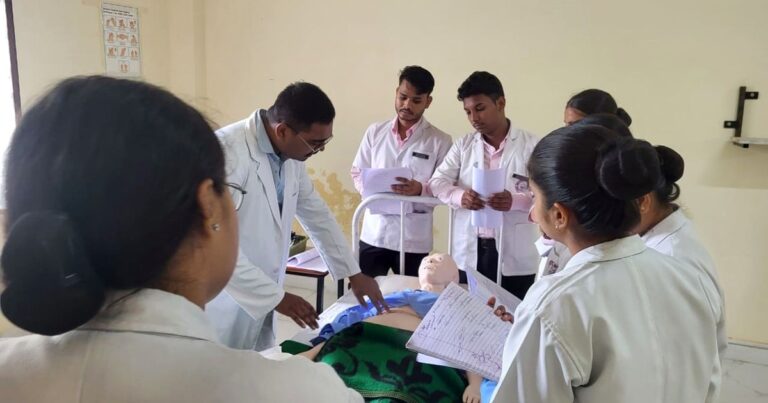
Auxiliary Nursing Midwifery (ANM) is a diploma-level undergraduate course focused on providing foundational knowledge and practical skills in nursing and midwifery. It prepares individuals to work as basic healthcare providers, primarily in rural and community health settings, assisting registered nurses and doctors.
The ANM program is crucial for strengthening primary healthcare services across India. Graduates are equipped to handle basic medical care, maternal and child health services, immunization programs, and health education. It’s a stepping stone for many into the broader nursing profession.
What is the eligibility for Auxiliary Nursing Midwifery (ANM) in 2026?
To be eligible for the Auxiliary Nursing Midwifery (ANM) course in 2026, candidates must have successfully completed their 10+2 (or equivalent) examination from a recognized board, typically with a minimum aggregate score. While specific requirements can vary by state and institution, the general criteria are as follows:
- Educational Qualification: Completion of 10+2 (Intermediate) in any stream (Arts, Science, Commerce) from a recognized board.
- Minimum Marks: Generally, a minimum of 40-50% aggregate marks in the 10+2 examination is required. Some institutions might have specific subject requirements, though often not mandatory for ANM.
- Age Limit: Candidates must typically be between 17 and 35 years of age as of December 31st of the admission year (i.e., December 31, 2026). Age relaxations may apply for reserved categories as per government norms.
- Medical Fitness: Applicants must be medically fit.
- Gender: ANM courses are predominantly for female candidates, though some states/institutions may admit male candidates. It’s advisable to check specific college notifications.
How long is the Auxiliary Nursing Midwifery (ANM) course?
The Auxiliary Nursing Midwifery (ANM) course is typically a 2-year diploma program, which includes a mandatory 6-month internship period. This structure ensures students gain both theoretical knowledge and essential practical experience in real healthcare settings.
What is the syllabus for Auxiliary Nursing Midwifery (ANM)?
The ANM syllabus is designed by the Indian Nursing Council (INC) and covers fundamental aspects of health, nursing, and midwifery. It includes subjects related to community health, maternal and child health, basic medical care, and health education.
ANM Course Structure and Key Subjects (Indicative)
The curriculum is divided into two years, with a strong emphasis on practical training and community health.
| Year | Key Subjects/Modules | Practical Training/Clinical Experience |
|---|---|---|
| Year 1 |
|
|
| Year 2 |
|
|
How much does Auxiliary Nursing Midwifery (ANM) cost in India for 2026?
The cost of pursuing an Auxiliary Nursing Midwifery (ANM) course in India for 2026 varies significantly between government and private institutions. Government colleges generally offer much lower fees due to subsidies, while private colleges have higher fees.
ANM Fee Ranges (Indicative for 2026)
| Institution Type | Annual Tuition Fees (INR) | Additional Costs (Hostel, Exam, etc.) |
|---|---|---|
| Government Colleges | ₹10,000 – ₹50,000 | ₹5,000 – ₹20,000 |
| Private Colleges | ₹50,000 – ₹2,00,000 | ₹20,000 – ₹50,000 |
These figures are approximate and can vary based on the state, college reputation, and facilities offered. It’s always recommended to check the specific fee structure of the colleges you are interested in.
What is the admission process for ANM in 2026?
The admission process for ANM in 2026 typically involves either direct admission based on 10+2 merit or through state-level entrance examinations. The process generally follows these steps:
- Application Form: Obtain and fill out the application form, either online or offline, from the respective college or state nursing board website.
- Entrance Exam (if applicable): Some states or private institutions conduct their own entrance exams. These usually test basic knowledge in Science, English, General Knowledge, and Aptitude.
- Merit List/Counselling: Based on 10+2 marks or entrance exam scores, a merit list is prepared. Shortlisted candidates are then called for counselling.
- Document Verification: During counselling, original documents (mark sheets, age proof, caste certificate, etc.) are verified.
- Admission & Fee Payment: Upon successful verification, candidates can secure admission by paying the required fees.
Key Dates for ANM Admissions 2026 (Tentative)
| Event | Tentative Timeline |
|---|---|
| Application Window | May – July 2026 |
| Entrance Exam (if any) | July – August 2026 |
| Merit List/Results | August – September 2026 |
| Counselling & Admissions | September – October 2026 |
| Session Commencement | October – November 2026 |
Is Auxiliary Nursing Midwifery (ANM) worth it for jobs in India?
Yes, Auxiliary Nursing Midwifery (ANM) is definitely worth it for jobs in India, especially for those looking for immediate employment in the healthcare sector with a relatively short course duration. ANM graduates play a vital role in the Indian healthcare system, particularly at the grassroots level.
Career Prospects and Job Roles for ANM Graduates
ANM graduates are in high demand, especially in government health programs and rural areas. Common job roles include:
- Auxiliary Nurse Midwife: Working in PHCs, CHCs, sub-centres, and rural hospitals.
- Community Health Worker: Engaging in health education, disease prevention, and family planning.
- Basic Health Worker: Assisting doctors and nurses in various clinical and administrative tasks.
- Home Nurse: Providing care to patients in their homes.
- Rural Health Worker: Focusing on health initiatives in remote areas.
- Female Health Worker: Often specifically involved in maternal and child health programs.
There is a consistent demand for ANMs due to government initiatives to strengthen primary healthcare and the overall shortage of healthcare professionals in India.
What is the average salary for an Auxiliary Nurse Midwife in India?
The average salary for an Auxiliary Nurse Midwife (ANM) in India can vary based on experience, employer (government vs. private), location, and specific role. Generally, fresh ANM graduates can expect a starting salary in a decent range.
ANM Salary Ranges (Indicative)
| Experience Level | Average Monthly Salary (INR) | Typical Employers |
|---|---|---|
| Fresher (0-2 years) | ₹12,000 – ₹20,000 | Government PHCs/CHCs, Small Private Clinics/Hospitals |
| Mid-Level (2-5 years) | ₹20,000 – ₹35,000 | District Hospitals, Larger Private Hospitals, NGOs |
| Experienced (5+ years) | ₹35,000 – ₹50,000+ | Senior roles in Government Health Programs, Specialized Clinics |
Salaries in government jobs often come with additional benefits like allowances, job security, and pension schemes, which might not be reflected in the base salary figures.
What is the difference between ANM and GNM?
The primary difference between ANM (Auxiliary Nursing Midwifery) and GNM (General Nursing and Midwifery) lies in their duration, depth of study, scope of practice, and career progression. GNM is a more advanced and comprehensive nursing diploma.
ANM vs. GNM: A Comparison
| Feature | ANM (Auxiliary Nursing Midwifery) | GNM (General Nursing and Midwifery) |
|---|---|---|
| Course Level | Diploma | Diploma |
| Duration | 2 years (including 6 months internship) | 3.5 years (including 6 months internship) |
| Eligibility | 10+2 (any stream, min 40-50%) | 10+2 (Science stream, PCB preferred, min 40-50%) |
| Focus | Basic healthcare, community health, maternal & child health, rural settings | Comprehensive nursing care, hospital-based care, advanced procedures |
| Scope of Practice | Assists registered nurses, provides basic care, works primarily in PHCs/sub-centres | Independent nursing practice, administers medication, performs complex procedures, works in hospitals |
| Career Progression | Can pursue GNM or B.Sc. Nursing (through lateral entry) | Can pursue B.Sc. Nursing (Post Basic), M.Sc. Nursing, specialized courses |
| Salary Potential | Lower starting salary, good for grassroots roles | Higher starting salary, broader career opportunities |
While ANM provides a quicker entry into the healthcare field, GNM offers a more robust foundation and wider career opportunities within hospitals and specialized units.
Can male candidates pursue ANM?
Historically, ANM was primarily designed for female candidates, especially given its strong focus on maternal and child health and midwifery. However, some states and institutions in India have begun to admit male candidates for the ANM course. It is essential for male applicants to check the specific eligibility criteria and admission notifications of the colleges or state nursing councils they are interested in, as policies can vary.
What are the career growth opportunities after ANM?
After completing ANM, graduates have several avenues for career growth and further education. The ANM diploma serves as a strong foundation for advancing in the nursing profession:
- Higher Education: ANMs can pursue a GNM (General Nursing and Midwifery) diploma, often with some credit transfers or a shorter duration. After GNM, they can further enroll in B.Sc. Nursing (Post Basic) or directly in B.Sc. Nursing (through lateral entry in some cases).
- Specialization: With experience, ANMs can specialize in areas like family planning, immunization, or specific community health programs.
- Government Sector: Opportunities to advance to supervisory roles within PHCs or CHCs with experience and further qualifications.
- Private Sector: Growth into senior support roles in private hospitals, clinics, or home healthcare agencies.
Frequently Asked Questions
Is ANM a government-recognized course?
Yes, ANM is a fully government-recognized diploma course in nursing and midwifery. It is approved by the Indian Nursing Council (INC) and state nursing councils, ensuring its validity and acceptance across India for employment and further studies.
Can I do ANM after 10th class?
No, the minimum educational qualification for ANM is 10+2 (Intermediate) from a recognized board. You cannot pursue ANM directly after completing 10th class.
Are there any entrance exams for ANM in 2026?
While many colleges offer admission based on 10+2 merit, several states and some private institutions conduct their own entrance exams for ANM admissions. It’s crucial to check the specific admission prospectus of your desired colleges or state nursing board for 2026.
What are the job prospects for ANM abroad?
While ANM is primarily recognized within India, some countries might accept ANM qualifications with additional bridging courses, licensing exams, or further education (like GNM or B.Sc. Nursing) to meet their nursing standards. Direct employment abroad as an ANM is less common than for GNM or B.Sc. Nurses.
Is ANM difficult to study?
ANM is considered a foundational nursing course. While it requires dedication, practical skills, and a compassionate approach, it is generally not considered as academically rigorous as GNM or B.Sc. Nursing. Students with a genuine interest in healthcare and community service usually find it manageable.
Can I open my own clinic after ANM?
No, ANM graduates are not authorized to open or run independent clinics. They work under the supervision of registered nurses or doctors and are trained to assist in healthcare delivery, not to provide independent medical diagnosis or treatment.
{“@context”: “https://schema.org”, “@type”: “FAQPage”, “mainEntity”: [{“@type”: “Question”, “name”: “Is ANM a government-recognized course?”, “acceptedAnswer”: {“@type”: “Answer”, “text”: “Yes, ANM is a fully government-recognized diploma course in nursing and midwifery. It is approved by the Indian Nursing Council (INC) and state nursing councils, ensuring its validity and acceptance across India for employment and further studies.”}}, {“@type”: “Question”, “name”: “Can I do ANM after 10th class?”, “acceptedAnswer”: {“@type”: “Answer”, “text”: “No, the minimum educational qualification for ANM is 10+2 (Intermediate) from a recognized board. You cannot pursue ANM directly after completing 10th class.”}}, {“@type”: “Question”, “name”: “Are there any entrance exams for ANM in 2026?”, “acceptedAnswer”: {“@type”: “Answer”, “text”: “While many colleges offer admission based on 10+2 merit, several states and some private institutions conduct their own entrance exams for ANM admissions. It’s crucial to check the specific admission prospectus of your desired colleges or state nursing board for 2026.”}}, {“@type”: “Question”, “name”: “What are the job prospects for ANM abroad?”, “acceptedAnswer”: {“@type”: “Answer”, “text”: “While ANM is primarily recognized within India, some countries might accept ANM qualifications with additional bridging courses, licensing exams, or further education (like GNM or B.Sc. Nursing) to meet their nursing standards. Direct employment abroad as an ANM is less common than for GNM or B.Sc. Nurses.”}}, {“@type”: “Question”, “name”: “Is ANM difficult to study?”, “acceptedAnswer”: {“@type”: “Answer”, “text”: “ANM is considered a foundational nursing course. While it requires dedication, practical skills, and a compassionate approach, it is generally not considered as academically rigorous as GNM or B.Sc. Nursing. Students with a genuine interest in healthcare and community service usually find it manageable.”}}, {“@type”: “Question”, “name”: “Can I open my own clinic after ANM?”, “acceptedAnswer”: {“@type”: “Answer”, “text”: “No, ANM graduates are not authorized to open or run independent clinics. They work under the supervision of registered nurses or doctors and are trained to assist in healthcare delivery, not to provide independent medical diagnosis or treatment.”}}]}