BA in Archaeology Entrance Exams 2026: Your Complete Guide
Nishit Kumar is a senior EdTech industry leader with over a decade of experience in building and scaling education platforms, shaping their product, content, and growth strategy. At…
Latest update: BA in Archaeology 2026 admissions & dates updated. Read more ›
Navigating the landscape of entrance exams for a BA in Archaeology in India can be complex. This comprehensive guide provides prospective students and parents with all the essential information for the 2026 admission cycle, covering eligibility, key entrance exams, preparation strategies, costs, and career outcomes in the fascinating field of archaeology.
What is a BA in Archaeology and Why Pursue It?
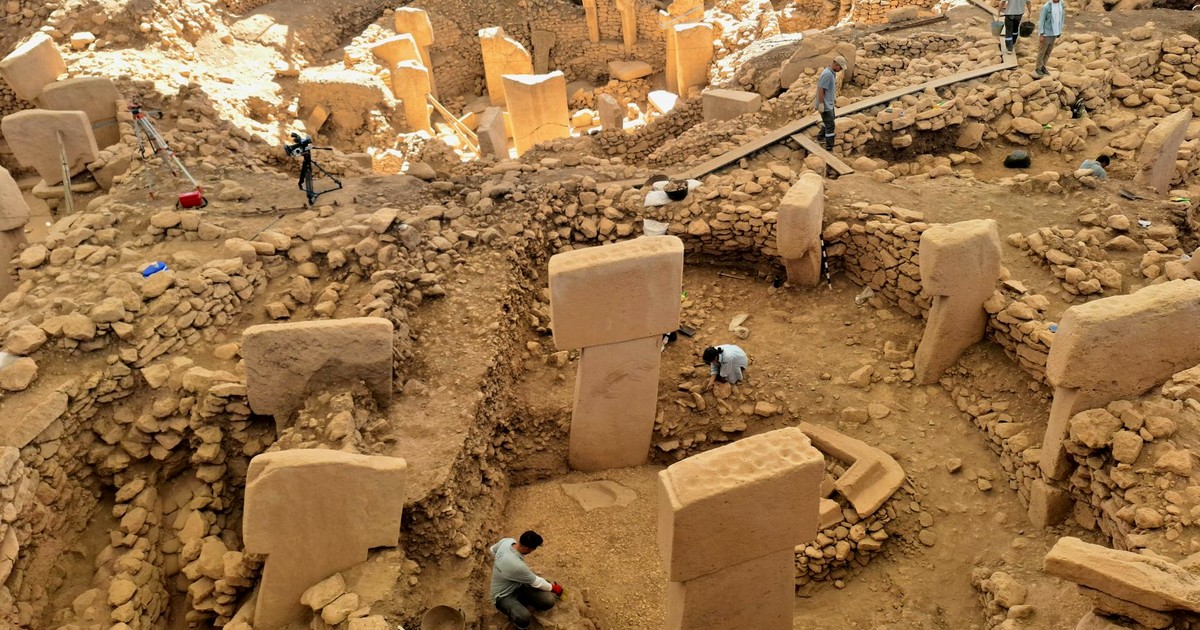
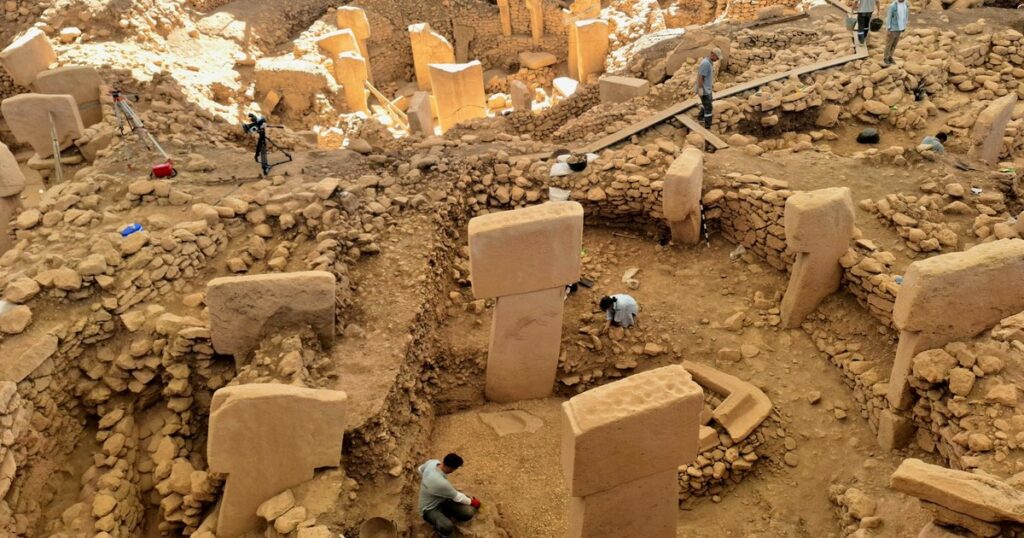
A BA in Archaeology is an undergraduate degree focused on the study of human history and prehistory through the excavation of sites and the analysis of artifacts and other physical remains. Students pursuing this Arts stream course learn about ancient civilizations, cultural evolution, archaeological methods, conservation, and heritage management.
The primary reason to pursue a BA in Archaeology is a deep interest in history, culture, and scientific investigation. It offers a unique blend of fieldwork, academic research, and the opportunity to contribute to our understanding of the past. Graduates often find roles in museums, heritage organizations, government archaeological departments, and research institutions.
What is the Eligibility for BA in Archaeology Entrance Exams in 2026?
To be eligible for BA in Archaeology entrance exams in 2026, candidates typically must have completed their 10+2 (or equivalent) examination from a recognized board, usually with a minimum aggregate score of 45-50%. While specific subject requirements can vary, an Arts stream background is generally preferred, though students from Science or Commerce streams with a keen interest are often also eligible.
Some universities might have specific age limits, though this is less common for undergraduate Arts programs. It’s crucial to check the individual eligibility criteria of each university or entrance exam you plan to apply for, as these can differ significantly.
Which are the Top Entrance Exams for BA in Archaeology in India?
The top entrance exams for BA in Archaeology in India are primarily university-specific or national-level tests conducted by prominent institutions. While there isn’t a single, universally mandated entrance exam for all BA Archaeology programs, the Common University Entrance Test (CUET) is becoming increasingly important for admissions to central universities.
Other notable entrance exams are conducted by individual universities like Banaras Hindu University (BHU), Aligarh Muslim University (AMU), and various state universities that offer specialized archaeology programs. Some private universities might also conduct their own aptitude tests or rely on 10+2 merit.
Common University Entrance Test (CUET) for BA in Archaeology
The CUET (UG) is a national-level entrance examination conducted by the National Testing Agency (NTA) for admission to various undergraduate programs in Central Universities and participating State/Deemed/Private Universities across India. For a BA in Archaeology, candidates typically need to appear for a combination of a Language, General Test, and Domain-Specific Subjects (e.g., History, Political Science, Geography, Sociology), depending on the university’s specific requirements.
| Exam Name | Conducting Body | Typical Application Period | Typical Exam Dates (2026) | Key Subjects for BA Archaeology |
|---|---|---|---|---|
| CUET (UG) | NTA | February – March | May – June | Language (English/Hindi), General Test, Domain Subjects (History, Political Science, Geography, etc.) |
| BHU UET (for BA Arts) | Banaras Hindu University | March – April | June | General Knowledge, Current Affairs, General Mental Ability, Numerical Ability, Language (English/Hindi) |
| AMU Entrance Exam (for BA Hons.) | Aligarh Muslim University | February – March | May – June | General English, Indo-Islamic Culture & Aligarh Movement, General Awareness & Current Affairs, Reasoning & Intelligence |
| University-Specific Tests | Various State/Private Universities | Varies (March-May) | Varies (May-July) | General Aptitude, English, General Knowledge, sometimes History/Social Sciences |
What is the Syllabus and Exam Pattern for BA in Archaeology Entrance Exams?
The syllabus for BA in Archaeology entrance exams generally focuses on assessing a candidate’s general aptitude, language proficiency, and knowledge of social sciences, particularly history and current affairs. While specific patterns vary, most exams include sections on:
- General Knowledge & Current Affairs: Covering national and international events, basic science, geography, and Indian history.
- General Mental Ability & Reasoning: Logical reasoning, analytical skills, and problem-solving.
- English Language & Comprehension: Grammar, vocabulary, reading comprehension, and basic writing skills.
- Numerical Ability: Basic mathematics up to Class 10 level.
- Domain-Specific Subjects (for CUET): If chosen, subjects like History, Political Science, Geography, or Sociology will be tested based on the NCERT Class 12 syllabus.
The exam pattern typically involves Multiple Choice Questions (MCQs), with a duration ranging from 90 minutes to 3 hours. There is often negative marking for incorrect answers, so candidates must be careful.
People Also Read


How to Prepare for BA in Archaeology Entrance Exams in 2026?
Effective preparation for BA in Archaeology entrance exams in 2026 involves a structured approach focusing on understanding the syllabus, consistent study, and practice. Here’s a step-by-step guide:
- Understand the Syllabus & Pattern: Thoroughly review the specific syllabus and exam pattern for each entrance exam you plan to take.
- Strengthen Fundamentals: Revise NCERT textbooks for Social Sciences (History, Geography, Political Science) from Class 9 to 12.
- Improve English & GK: Read newspapers daily (e.g., The Hindu, Indian Express) to enhance vocabulary, comprehension, and current affairs knowledge. Refer to general knowledge yearbooks.
- Practice Reasoning & Aptitude: Solve puzzles, logical reasoning questions, and quantitative aptitude problems regularly.
- Solve Previous Year Papers: This is crucial for understanding the exam’s difficulty level, common question types, and time management.
- Take Mock Tests: Regularly attempt full-length mock tests to simulate exam conditions and identify areas for improvement.
- Time Management: Develop a study schedule and stick to it. Allocate sufficient time to each section.
How Much Does BA in Archaeology Cost (Fees & Related Expenses)?
The cost of pursuing a BA in Archaeology in India varies significantly based on the type of institution (government vs. private) and its reputation. Generally, government universities and colleges offer more affordable fees compared to private institutions.
| Institution Type | Typical Annual Tuition Fee Range (INR) | Additional Expenses (Approx. Annual) |
|---|---|---|
| Government Universities/Colleges | ₹5,000 – ₹30,000 | ₹20,000 – ₹60,000 (Hostel, Books, Travel, etc.) |
| Private Universities/Colleges | ₹50,000 – ₹2,000,000+ | ₹50,000 – ₹1,50,000+ (Hostel, Books, Travel, etc.) |
Beyond tuition fees, students should budget for hostel charges (if applicable), study materials, fieldwork expenses (which can be significant in archaeology), travel, and personal expenses. Scholarships are available from various government and private bodies, which can help offset costs.
Is BA in Archaeology Worth It for Jobs and Career Prospects?
Yes, a BA in Archaeology can be a highly rewarding degree, particularly for those passionate about history and cultural heritage. While direct entry into high-paying corporate jobs might be less common than some other fields, it opens doors to specialized and impactful careers. The worth of the degree often increases significantly with further specialization (MA, PhD) and practical experience.
Career Prospects After BA in Archaeology
Graduates can find opportunities in various sectors:
- Archaeological Survey of India (ASI): Entry-level positions as Field Assistants, Junior Technical Assistants.
- State Archaeology Departments: Similar roles in state-level heritage bodies.
- Museums: Museum Curators, Collection Managers, Education Officers.
- Heritage Management Organizations: Working on conservation projects, site management.
- Research Institutions: Assisting in archaeological research projects.
- Academia: With further education (MA, PhD), teaching and research roles in universities.
- Private Consultancies: Environmental impact assessments, heritage impact studies.
Many roles require a Master’s degree for significant career progression, making a BA in Archaeology a strong foundation for further academic pursuits.
What is the Salary Expectation After a BA in Archaeology?
Salary expectations after a BA in Archaeology can vary widely based on the role, employer, experience, and further qualifications. Entry-level positions typically offer modest salaries, which tend to increase with experience and higher education.
| Job Role | Typical Entry-Level Annual Salary Range (INR) | Salary with 3-5 Years Experience (INR) |
|---|---|---|
| Field Assistant (ASI/State Dept.) | ₹2,00,000 – ₹3,50,000 | ₹3,50,000 – ₹6,00,000 |
| Museum Assistant/Educator | ₹1,80,000 – ₹3,00,000 | ₹3,00,000 – ₹5,50,000 |
| Research Assistant | ₹2,00,000 – ₹4,00,000 | ₹4,00,000 – ₹7,00,000 (often with MA) |
| Heritage Site Manager (Entry) | ₹2,50,000 – ₹4,50,000 | ₹4,50,000 – ₹8,00,000+ (often with MA) |
These figures are indicative and can be influenced by factors like the prestige of the institution, the candidate’s skills, and the specific location of employment. A Master’s degree often leads to significantly higher earning potential and more senior roles.
Explore more on FindMyCollege
Related pages for BA in Archaeology aspirants on findmycollege.com:
Frequently Asked Questions
Is a BA in Archaeology a good choice for someone interested in history?
Absolutely. A BA in Archaeology is an excellent choice for history enthusiasts, as it provides a hands-on, scientific approach to understanding the past through material culture, offering a unique perspective beyond textual history.
Can I pursue BA in Archaeology after a Science stream in 12th grade?
Yes, many universities allow students from the Science stream to pursue a BA in Archaeology, provided they meet the minimum aggregate marks. A strong interest in history and social sciences is key, as some programs might require a basic understanding of these subjects.
Are there any scholarships available for BA in Archaeology students?
Yes, various scholarships are available. These include government scholarships for economically weaker sections, merit-based scholarships offered by universities, and specific scholarships from cultural organizations or trusts promoting heritage studies. Students should research options specific to their state and institution.
What is the difference between BA in History and BA in Archaeology?
While both fields study the past, BA in History primarily relies on written records, documents, and secondary sources. BA in Archaeology focuses on material remains (artifacts, structures, human remains) recovered through excavation and scientific analysis to reconstruct past societies, often for periods without written records.
Do I need to be good at drawing or art for Archaeology?
While not a strict requirement, basic sketching skills can be beneficial for field documentation and illustrating artifacts. However, modern archaeology heavily relies on digital photography, GIS, and other technological tools, so artistic talent is less critical than observational skills and attention to detail.
What are the practical components of a BA in Archaeology program?
A BA in Archaeology typically includes significant practical components such as fieldwork (excavations, surveys), laboratory work (artifact analysis, conservation techniques), museum studies, and documentation practices. These hands-on experiences are crucial for developing core archaeological skills.