BA in Fine Arts Entrance Exams 2026: Your Complete Guide
Nishit Kumar is a senior EdTech industry leader with over a decade of experience in building and scaling education platforms, shaping their product, content, and growth strategy. At…
Latest update: BA in Fine Arts 2026 admissions & dates updated. Read more ›
Considering a Bachelor of Arts (BA) in Fine Arts in India for 2026? This comprehensive guide will walk you through everything you need to know about the BA in Fine Arts Entrance Exams, from eligibility and application processes to exam patterns, key dates, and career prospects. Understanding these entrance exams is crucial for securing admission to top institutions and kickstarting your creative journey.
What is a BA in Fine Arts?
A BA in Fine Arts (BFA or BVA in some institutions) is an undergraduate degree program focused on developing artistic skills, theoretical knowledge, and critical understanding across various visual art forms. It typically spans three to four years, depending on the university and curriculum.
Core Specialisations in Fine Arts
Students pursuing a BA in Fine Arts can specialise in a variety of disciplines, allowing them to hone specific artistic talents. Common specialisations include:
- Painting: Focuses on various painting techniques, mediums, and art history.
- Sculpture: Explores 3D art forms, materials like clay, metal, wood, and stone.
- Applied Arts: Combines artistic skills with commercial applications, such as advertising, graphic design, and illustration.
- Printmaking: Involves techniques like etching, lithography, screen printing, and woodcut.
- Art History and Appreciation: A theoretical specialisation focusing on the study of art movements, artists, and cultural contexts.
- Photography: Covers technical aspects, aesthetics, and various genres of photography.
What is the eligibility for BA in Fine Arts Entrance Exams in 2026?
To be eligible for BA in Fine Arts entrance exams in 2026, candidates generally must have completed their 10+2 (or equivalent) examination from a recognised board, with a minimum aggregate score, typically ranging from 45% to 50%. While specific subject requirements are rare, some colleges might prefer candidates with an arts background or a portfolio demonstrating artistic aptitude.
Age Limit and Other Criteria
Most universities do not impose an upper age limit for BA in Fine Arts admissions. However, it’s always advisable to check the specific prospectus of your target institution. Some colleges might also conduct an interview or portfolio review as part of their selection process.
What is the exam pattern for BA in Fine Arts entrance exams?
The exam pattern for BA in Fine Arts entrance exams typically comprises both theoretical and practical components, designed to assess a candidate’s general knowledge, artistic aptitude, observation skills, and creative potential. The exact structure varies by institution.
Common Components of Fine Arts Entrance Exams
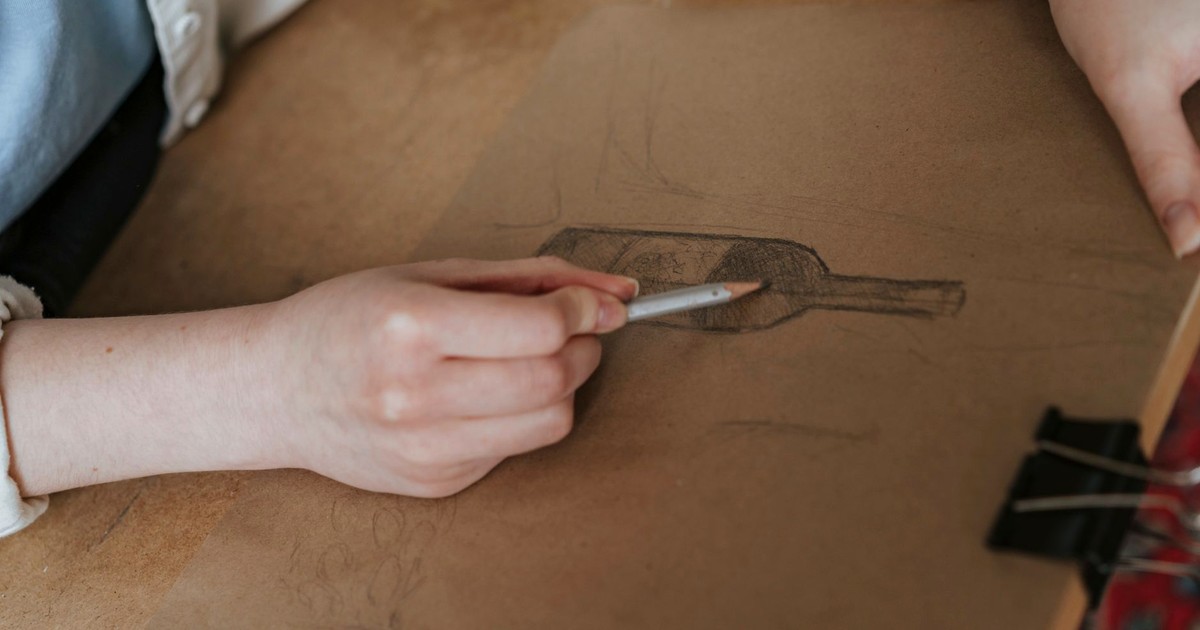
- Aptitude Test (Drawing/Sketching): This is a crucial practical component where candidates are asked to draw or sketch objects, figures, or compositions based on observation or imagination. It assesses perspective, proportion, shading, and overall artistic skill.
- General Knowledge & Current Affairs: Questions related to art history, famous artists, art movements, and general awareness.
- English Language/Verbal Ability: Tests comprehension, grammar, and vocabulary.
- Creative Writing/Essay: Candidates might be asked to write short essays on art-related topics or express their views on a given theme.
- Portfolio Review: Some top colleges require applicants to submit a portfolio of their previous artworks, which is then evaluated by a panel.
- Interview: A personal interview to assess communication skills, passion for art, and understanding of the chosen specialisation.
Typical Exam Pattern Overview
| Component | Description | Weightage (Approx.) | Duration (Approx.) |
|---|---|---|---|
| Practical Drawing/Sketching | Still life, object drawing, human figure, composition, imagination drawing | 50-70% | 1.5 – 3 hours |
| General Knowledge & Art Awareness | Art history, current affairs, famous artists, art forms | 10-20% | 30 – 60 minutes |
| Creative Aptitude/Mental Ability | Visual reasoning, abstract thinking, pattern recognition | 10-20% | 30 – 60 minutes |
| Portfolio Review/Interview (if applicable) | Assessment of previous work, passion, communication | Varies | 15 – 30 minutes |
When are the BA in Fine Arts Entrance Exam dates for 2026?
The application and examination dates for BA in Fine Arts entrance exams in 2026 will vary significantly by institution. Generally, application windows open between March and May, with exams conducted from May to July. It is crucial to monitor the official websites of your desired colleges for precise 2026 schedules.
Key Dates to Remember (Tentative 2026)
| Event | Tentative Period (2026) | Action Required |
|---|---|---|
| Application Start Date | March – April | Online registration, form filling |
| Application End Date | April – May | Submit forms, pay fees |
| Admit Card Release | Late May – Early June | Download and print admit card |
| Entrance Exam Dates | June – July | Appear for written/practical tests |
| Result Declaration | July – August | Check results online |
| Counselling/Admission | August | Document verification, fee payment |
How much does BA in Fine Arts cost in India (2026)?
The cost of a BA in Fine Arts in India varies widely depending on the type of institution (government vs. private) and its reputation. For 2026, annual fees can range from as low as ₹10,000 for government colleges to over ₹2,00,000 for private institutions.
Fee Structure Breakdown (Annual, Tentative 2026)
- Government Colleges/Universities: ₹10,000 – ₹50,000 per annum. These institutions are often subsidised and offer quality education at a lower cost.
- Private Colleges/Institutes: ₹80,000 – ₹2,50,000+ per annum. Private colleges often have better infrastructure, industry connections, and sometimes more specialised courses, but at a higher price point.
Additional costs may include hostel fees, study materials, art supplies, and examination fees.
Which are the top colleges for BA in Fine Arts in India?
India boasts several reputable institutions offering BA in Fine Arts, known for their strong faculty, infrastructure, and alumni networks. Some of the top colleges include:
- Faculty of Fine Arts, Maharaja Sayajirao University of Baroda, Vadodara: Renowned for its comprehensive curriculum.
- College of Art, Delhi University, Delhi: A prestigious institution with a rich history.
- Sir J.J. Institute of Applied Art, Mumbai: Particularly strong in applied arts.
- Visva-Bharati University, Santiniketan: Founded by Rabindranath Tagore, known for its unique approach to art education.
- Banaras Hindu University (BHU), Varanasi: Offers a well-regarded Fine Arts program.
- Jamia Millia Islamia, Delhi: Known for its diverse cultural environment and strong arts department.
Is BA in Fine Arts worth it for jobs and career outcomes?
Yes, a BA in Fine Arts can be a highly rewarding degree, offering a diverse range of career opportunities beyond traditional art fields. Graduates can find employment in creative industries, design, education, and even entrepreneurship, with potential for significant growth.
Career Paths and Average Salary Ranges (Entry-Level, Tentative)
| Career Role | Description | Average Annual Salary (INR) |
|---|---|---|
| Artist/Painter/Sculptor | Creates original artworks for exhibitions, commissions. | Variable (₹1.5 – ₹5 Lakhs+) |
| Graphic Designer | Designs logos, websites, marketing materials for businesses. | ₹2.5 – ₹5 Lakhs |
| Illustrator | Creates visual images for books, magazines, digital media. | ₹2 – ₹4.5 Lakhs |
| Art Teacher/Educator | Teaches art in schools, colleges, or private classes. | ₹2.5 – ₹6 Lakhs |
| Animator | Creates moving images for films, games, advertisements. | ₹3 – ₹6 Lakhs |
| Art Director (Entry-level) | Oversees visual style and images for various projects. | ₹3.5 – ₹7 Lakhs |
| Curator/Gallery Assistant | Manages art collections, organises exhibitions. | ₹2 – ₹4 Lakhs |
| Textile Designer | Designs patterns and prints for fabrics. | ₹2.5 – ₹5 Lakhs |
Salaries can significantly increase with experience, specialisation, and a strong portfolio. Many fine arts graduates also pursue freelance careers, offering flexibility and the potential for higher earnings based on their reputation and client base.
What is the difference between BA in Fine Arts and B.Des (Bachelor of Design)?
While both BA in Fine Arts and B.Des are creative degrees, the primary difference lies in their focus: BA in Fine Arts emphasises pure artistic expression and theoretical understanding, whereas B.Des is more geared towards problem-solving through design and commercial application.
Comparison Table: BA in Fine Arts vs. B.Des
| Feature | BA in Fine Arts | B.Des (Bachelor of Design) |
|---|---|---|
| Primary Focus | Artistic expression, aesthetics, art history, personal vision. | Problem-solving, user experience, functionality, commercial application. |
| Core Disciplines | Painting, Sculpture, Printmaking, Art History, Photography. | Graphic Design, Product Design, Fashion Design, UI/UX Design, Interior Design. |
| Outcome | Creation of art, critical analysis, art education. | Design solutions, prototypes, marketable products/services. |
| Entrance Exams | Focus on drawing, art aptitude, general art knowledge. | Focus on design aptitude, logical reasoning, creativity, general knowledge. |
| Career Paths | Artist, Art Teacher, Curator, Illustrator, Animator. | Graphic Designer, Product Designer, UX Designer, Fashion Designer, Architect (with further study). |
| Duration | Typically 3 years. | Typically 4 years. |
How to prepare for BA in Fine Arts Entrance Exams?
Preparing for BA in Fine Arts entrance exams requires a combination of developing artistic skills, enhancing general knowledge, and understanding the exam format. Here’s a step-by-step approach:
- Practice Drawing & Sketching Regularly: This is the most critical component. Practice still life, human figures, landscapes, and imaginative compositions. Focus on proportion, perspective, shading, and texture.
- Build a Strong Portfolio: If required, curate your best artworks showcasing diverse skills and mediums. Include sketches, paintings, digital art, and any other creative projects.
- Study Art History & General Knowledge: Familiarise yourself with major art movements, famous artists (Indian and international), art terminology, and current affairs related to art and culture.
- Improve Observation Skills: Pay attention to details in your surroundings. This helps in realistic drawing and understanding visual compositions.
- Practice Creative Aptitude Questions: Work on visual reasoning, abstract thinking, and problem-solving exercises.
- Read & Research: Stay updated with art news, visit art galleries, and read books/articles on art.
- Time Management: Practice completing sketches and theoretical questions within the stipulated time limits.
- Seek Guidance: Consider joining coaching classes or seeking mentorship from experienced artists or art teachers.
Are there any scholarships for BA in Fine Arts students?
Yes, several scholarships are available for BA in Fine Arts students, offered by government bodies, private organisations, and individual institutions. These scholarships can help cover tuition fees, art supplies, and living expenses.
Types of Scholarships:
- Merit-Based Scholarships: Awarded to students with excellent academic records or outstanding artistic talent demonstrated through portfolios or entrance exam scores.
- Need-Based Scholarships: Provided to economically disadvantaged students who demonstrate artistic potential.
- Government Scholarships: Schemes like the National Scholarship Portal often list scholarships for various undergraduate courses, including fine arts.
- Institutional Scholarships: Many colleges offer their own scholarships to deserving students.
- Private Organisation Scholarships: Foundations and art councils sometimes offer grants and scholarships to promote art education.
Students should actively research and apply for scholarships well in advance, checking eligibility criteria and application deadlines.
Explore more on FindMyCollege
Related pages for BA in Fine Arts aspirants on findmycollege.com:
Frequently Asked Questions
Is a portfolio mandatory for BA in Fine Arts admissions?
While not all colleges strictly mandate a portfolio, many top institutions and private colleges do require one as part of their admission process. It’s highly recommended to prepare a strong portfolio even if optional, as it significantly boosts your application.
Can I pursue BA in Fine Arts after completing Science or Commerce in 12th grade?
Yes, absolutely. Most BA in Fine Arts programs do not have specific subject requirements for 10+2. Students from Science or Commerce streams are equally eligible, provided they meet the minimum aggregate percentage and clear the entrance exams.
What subjects are taught in BA in Fine Arts?
Core subjects typically include Drawing, Painting, Sculpture, Art History, Aesthetics, Printmaking, and Applied Arts. Depending on specialisation, you might also study Photography, Digital Art, Illustration, and various art techniques.
Are there any online BA in Fine Arts courses available?
While some institutions offer diploma or certificate courses in fine arts online, a full-fledged BA in Fine Arts degree, especially one that focuses heavily on practical skills and studio work, is predominantly offered in an offline, on-campus format. Hybrid models might emerge, but hands-on learning remains central.
What is the scope for higher studies after BA in Fine Arts?
After a BA in Fine Arts, you can pursue higher education such as an MA in Fine Arts, Master of Design (M.Des), Master of Visual Arts (MVA), or even an MBA in Arts Management. These advanced degrees can lead to specialised roles in academia, curatorship, art therapy, or design leadership.
How important is the interview round in BA in Fine Arts admissions?
The interview round is quite important, especially for top colleges. It allows the admissions committee to assess your passion for art, communication skills, critical thinking, and whether your aspirations align with the program’s offerings. Be prepared to discuss your portfolio, artistic influences, and career goals.