BA Physical Education Syllabus India 2026 – CollegeInfo
Nishit Kumar is a senior EdTech industry leader with over a decade of experience in building and scaling education platforms, shaping their product, content, and growth strategy. At…
Latest update: BA in Physical Education 2026 admissions & dates updated. Read more ›
This page outlines the typical syllabus for a Bachelor of Arts (BA) in Physical Education program in India for the academic year 2026. This three-year undergraduate degree, falling under the Arts stream, focuses on the scientific study of physical activity, health, and sports.
Overview of BA Physical Education (Arts Stream)
The BA in Physical Education is a three-year undergraduate program designed to equip students with a strong foundation in the theoretical and practical aspects of physical education and sports. It emphasizes pedagogical skills, sports science, and health promotion, preparing graduates for roles in teaching, coaching, and fitness.
Program Duration and Structure
The program typically spans six semesters over three academic years, with each year comprising two semesters. The curriculum is a blend of core theoretical subjects, practical sessions, and elective courses, often including a mandatory internship or project in the final year.
Year-wise Syllabus Breakdown (2026)
The syllabus is structured to progressively build knowledge and skills, starting with foundational concepts and moving towards specialized areas. Below is a general outline of subjects covered across the three years.
First Year (Semesters I & II)
The first year focuses on introducing fundamental concepts in physical education, anatomy, and physiology. Students will gain an understanding of the human body’s response to exercise and the basics of various sports.
| Semester | Core Subjects | Practical/Skill-Based | Electives (Sample) |
|---|---|---|---|
| I | Foundations of Physical Education, Anatomy & Physiology, Health Education | Yoga & Meditation, Athletics (Track & Field), Gymnastics | Environmental Studies, Basic Computer Skills |
| II | Physiology of Exercise, Sports Psychology, Kinesiology | Team Sports (e.g., Basketball, Volleyball), Swimming, Indigenous Games | Communication Skills, Introduction to Sociology |
Second Year (Semesters III & IV)
The second year delves deeper into sports training, biomechanics, and the pedagogical aspects of physical education. Students will also explore sports management and advanced coaching techniques.
| Semester | Core Subjects | Practical/Skill-Based | Electives (Sample) |
|---|---|---|---|
| III | Sports Training Methods, Biomechanics & Sports Injuries, Sports Nutrition | Racket Sports (e.g., Badminton, Table Tennis), Combat Sports (e.g., Judo, Taekwondo), First Aid & Rehabilitation | Sports Journalism, Event Management Basics |
| IV | Methods in Physical Education, Sports Management, Adapted Physical Education | Advanced Athletics, Aerobics & Fitness Training, Outdoor & Adventure Activities | Public Health, Research Methodology Basics |
Third Year (Semesters V & VI)
The final year emphasizes specialized areas, research methodologies, and practical application through internships or projects. Students will refine their teaching and coaching skills and prepare for professional roles.
| Semester | Core Subjects | Practical/Skill-Based | Electives (Sample) |
|---|---|---|---|
| V | Measurement & Evaluation in Physical Education, Sports Sociology, Sports Technology | Officiating & Coaching Techniques, Advanced Yoga, Project/Dissertation | Sports Marketing, Entrepreneurship in Sports |
| VI | Curriculum Design in Physical Education, Professional Ethics in Sports, Research Project/Internship | Teaching Practice, Fitness Assessment & Prescription, Specialized Coaching | Guidance & Counseling, Disaster Management |
Key Features of the 2026 Syllabus
The 2026 syllabus for BA Physical Education in India incorporates contemporary trends in sports science and education. There is an increased focus on practical application, interdisciplinary studies, and the integration of technology in sports.
Emphasis on Practical Skills and Experiential Learning
A significant portion of the curriculum is dedicated to practical training, including participation in various sports, coaching techniques, and fitness assessments. Many institutions require mandatory internships or teaching practice to provide real-world experience.
Integration of Technology and Data Analytics
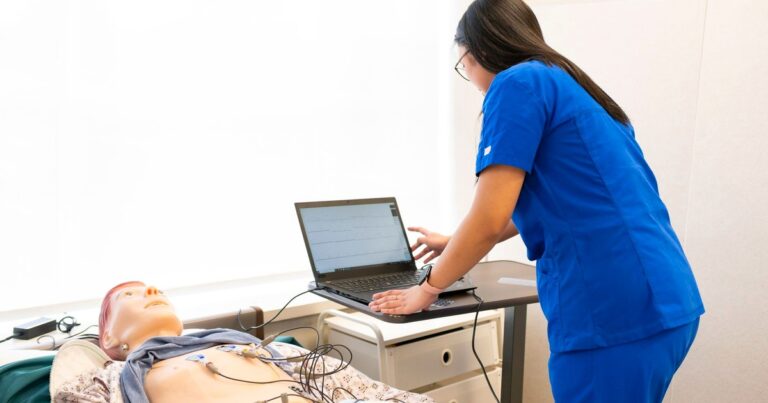
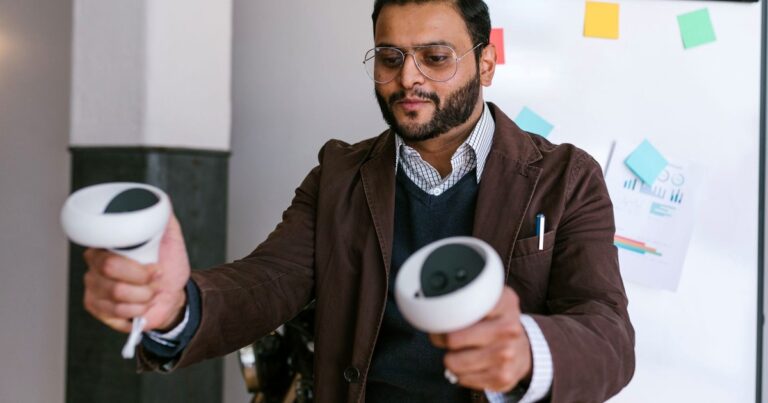
Modern physical education programs are increasingly integrating technology for performance analysis, fitness tracking, and sports management. Students may learn about sports analytics software, wearable technology, and digital teaching aids.
Career Prospects After BA Physical Education
Graduates with a BA in Physical Education have diverse career opportunities in education, sports, and fitness industries. Potential roles include physical education teachers, sports coaches, fitness trainers, sports administrators, and recreation managers.
Admission Requirements and Process
Admission to a BA in Physical Education program typically requires completion of 10+2 (or equivalent) from a recognized board, often with a minimum aggregate percentage ranging from 45% to 55%. Some colleges may also conduct physical fitness tests or entrance examinations.
Explore more on FindMyCollege
Related pages for BA in Physical Education aspirants on findmycollege.com:
Frequently Asked Questions
Q: What is the difference between a BA and a B.P.Ed. in Physical Education?
A: A BA in Physical Education is typically an undergraduate degree focusing on the academic and theoretical aspects, often under an Arts faculty, while a B.P.Ed. (Bachelor of Physical Education) is a professional degree specifically designed for those aspiring to be physical education teachers, often requiring a prior bachelor’s degree for admission.
Q: Are there any entrance exams for BA Physical Education in India?
A: While many colleges offer admission based on 10+2 merit, some universities or prominent institutions may conduct their own entrance exams, which might include a written test and/or a physical fitness assessment. It’s advisable to check individual college requirements.
Q: What are the career options after completing a BA in Physical Education?
A: Graduates can pursue careers as physical education teachers in schools, sports coaches, fitness trainers, sports administrators, recreation managers, and even sports journalists or commentators. Further studies like an M.P.Ed. or M.A. in Physical Education can open up academic and research roles.
Q: Is a BA in Physical Education suitable for someone interested in sports performance?
A: Yes, while it has a strong pedagogical component, the BA in Physical Education also covers sports science subjects like exercise physiology, biomechanics, and sports psychology, which are crucial for understanding and improving sports performance. It provides a solid foundation for further specialization in sports performance training.