Bachelor in Graphic Design Duration India 2026
Nishit Kumar is a senior EdTech industry leader with over a decade of experience in building and scaling education platforms, shaping their product, content, and growth strategy. At…
Latest update: Bachelor in Graphic Design 2026 admissions & dates updated. Read more ›
For aspiring designers in India, understanding the duration of a Bachelor in Graphic Design (B.Des Graphic Design) is crucial for academic and career planning. This comprehensive guide details the standard course length, factors influencing it, eligibility, fee structures, and career outcomes for the 2026 academic year.
What is the standard duration of a Bachelor in Graphic Design in India?
The standard duration for a Bachelor in Graphic Design (B.Des Graphic Design) in India is four years. This full-time undergraduate program is structured into eight semesters, with two semesters typically completed each academic year.
This four-year structure is designed to provide students with a comprehensive understanding of design principles, software proficiency, conceptual thinking, and practical application across various graphic design disciplines. The curriculum progressively builds from foundational art and design principles to advanced specializations and culminates in a final year project or thesis.
Is the Bachelor in Graphic Design duration the same across all Indian universities?
Yes, the Bachelor in Graphic Design (B.Des Graphic Design) program generally maintains a consistent duration of four years (eight semesters) across most recognized universities and design institutions in India. While the curriculum content and teaching methodologies may vary, the overall program length remains standard for full-time undergraduate degrees in graphic design.
However, it’s important to note that some institutions might offer related diplomas or certificate courses with shorter durations (e.g., 1-2 years), but these are distinct from a full-fledged Bachelor’s degree. Always verify the specific program title and duration directly with the institution.
What are the typical subjects covered in each year of the 4-year program?
The four-year Bachelor in Graphic Design program is meticulously structured to provide a holistic education, progressing from fundamental concepts to advanced specializations. Below is a general overview of subjects typically covered across the years:
Year 1: Foundation & Core Principles
- Introduction to Design: Basic design elements, principles, visual grammar.
- Drawing & Illustration: Freehand drawing, perspective, human anatomy, digital illustration basics.
- Color Theory: Understanding color psychology, schemes, and application.
- History of Art & Design: Evolution of design movements and their impact.
- Basic Software Skills: Introduction to Adobe Photoshop, Illustrator.
- Photography Basics: Composition, lighting, digital imaging.
Year 2: Intermediate Concepts & Application
- Typography: Principles of type, font selection, hierarchy, layout.
- Graphic Design Principles: Branding basics, logo design, visual identity.
- Web Design Fundamentals: HTML, CSS basics, UI/UX introduction.
- Packaging Design: Structure, materials, visual appeal.
- Advanced Software Skills: InDesign, CorelDRAW, advanced Photoshop/Illustrator.
- Design Research & Methodology: Understanding user needs, market analysis.
Year 3: Specialization & Advanced Techniques
- Motion Graphics: Animation principles, After Effects, video editing.
- UI/UX Design: User interface, user experience, wireframing, prototyping.
- Advertising Design: Campaign creation, copywriting, visual communication for marketing.
- Publication Design: Magazine, book, and editorial layout.
- Environmental Graphic Design: Signage, wayfinding, exhibition design.
- Electives: Students often choose electives based on their specialization interest.
Year 4: Professional Practice & Portfolio Development
- Advanced Portfolio Development: Curating and presenting design work.
- Professional Practice & Ethics: Client communication, intellectual property, business aspects of design.
- Internship/Industry Project: Practical experience in a design studio or company.
- Degree Project/Thesis: A major independent design project demonstrating comprehensive skills.
- Design Management: Project planning, team collaboration.
What is the eligibility for Bachelor in Graphic Design in India for 2026 admissions?
To be eligible for a Bachelor in Graphic Design program in India for 2026 admissions, candidates must typically meet the following criteria:
- Educational Qualification: Completion of 10+2 (or equivalent) from a recognized board.
- Minimum Marks: A minimum aggregate score, usually ranging from 45% to 50% in the 10+2 examination. Some premier institutions might have higher requirements.
- Age Limit: While not universally applied, some institutions may have an upper age limit, typically around 23-25 years for general category students.
- Entrance Exams: Most reputable design colleges require candidates to clear a national or institutional-level design entrance examination.
Key Entrance Exams for B.Des Graphic Design (2026 Tentative Dates)
Admission to top design colleges in India is primarily through competitive entrance exams. Here are some of the prominent ones:
| Entrance Exam | Conducting Body | Application Period (Tentative 2026) | Exam Date (Tentative 2026) | Focus Areas |
|---|---|---|---|---|
| UCEED | IIT Bombay | Sept – Nov 2025 | Jan 2026 | Design Aptitude, Visualisation, Creativity, Analytical Reasoning |
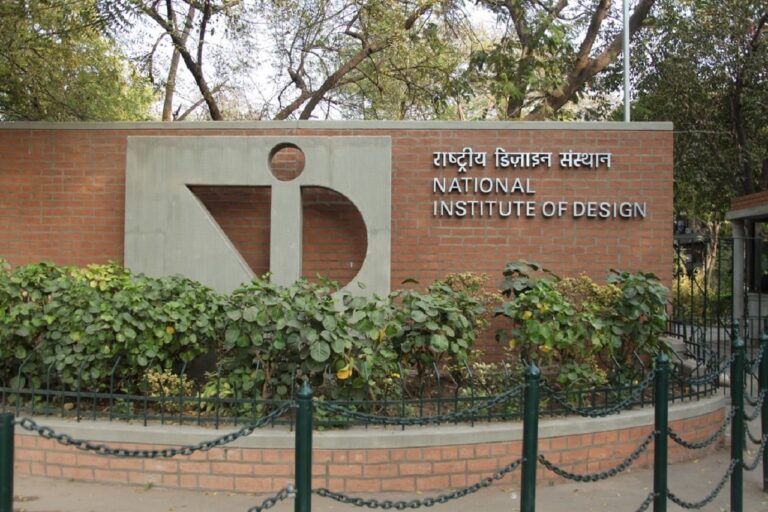
| NID DAT | National Institute of Design | Sept – Nov 2025 | Dec 2025 (Prelims), Apr 2026 (Mains) | Design Aptitude, General Knowledge, Creativity, Sketching |
| NIFT Entrance Exam | National Institute of Fashion Technology | Oct – Dec 2025 | Feb 2026 | Creative Ability Test (CAT), General Ability Test (GAT) |
| CEED (for M.Des, but B.Des students often take it later) | IIT Bombay | Sept – Nov 2025 | Jan 2026 | Visualisation, Logical Reasoning, Creativity, Design Sensitivity |
| SRMJEEM, LPUNEST, etc. | Private Universities | Varies (Dec 2025 – May 2026) | Varies (Jan – Jun 2026) | General Aptitude, Design Aptitude |
Beyond the written exam, many institutions also conduct a Situation Test, Studio Test, and/or a Personal Interview (PI) to assess a candidate’s practical skills, problem-solving abilities, and passion for design.
How much does a Bachelor in Graphic Design cost in India (2026 Fee Ranges)?
The cost of pursuing a Bachelor in Graphic Design in India varies significantly based on the type of institution (government vs. private), its reputation, location, and facilities. Here are the estimated annual fee ranges for 2026:
Annual Fee Ranges for B.Des Graphic Design (2026)
| Institution Type | Annual Fee Range (INR) | Key Factors Influencing Cost |
|---|---|---|
| Government/Public Institutions (e.g., NID, IITs offering B.Des) |
₹1,50,000 – ₹4,00,000 | Subsidized fees, high competition, excellent faculty & infrastructure. |
| Private Universities/Colleges (Tier 1 – Reputable) |
₹3,00,000 – ₹7,00,000+ | Modern infrastructure, industry collaborations, international exposure, placement support. |
| Private Universities/Colleges (Tier 2 – Emerging/Regional) |
₹1,50,000 – ₹3,50,000 | Varying infrastructure, regional focus, potentially lower brand recognition. |
Additional Costs: Students should also budget for:
- Study Materials: Art supplies, software subscriptions, books (₹10,000 – ₹30,000 per year).
- Hostel & Living Expenses: Varies greatly by city (₹80,000 – ₹2,50,000 per year).
- Laptop & Equipment: A high-performance laptop with design software is essential (initial investment of ₹80,000 – ₹2,00,000).
- Portfolio Development: Costs associated with printing, website, etc.
Is a Bachelor in Graphic Design worth it for jobs in India?
Yes, a Bachelor in Graphic Design is highly worth it for jobs in India, especially given the increasing demand for visual communication across all industries. With the rise of digital marketing, e-commerce, UI/UX, and content creation, skilled graphic designers are in constant demand.
The four-year program equips graduates with a strong portfolio and a diverse skill set, making them valuable assets in various sectors. Graduates can find roles in advertising agencies, design studios, IT companies, media houses, publishing firms, e-commerce platforms, and even start their own freelance ventures.
Career Prospects & Salary Ranges for B.Des Graphic Design Graduates
The career landscape for graphic designers is robust and diverse. Here are some common job roles and their estimated annual salary ranges for fresh graduates (0-2 years experience) in India:
| Job Role | Average Annual Salary Range (INR) | Key Responsibilities |
|---|---|---|
| Junior Graphic Designer | ₹2,50,000 – ₹4,50,000 | Creating visual concepts for logos, brochures, social media, websites under supervision. |
| UI/UX Designer (Entry-Level) | ₹3,00,000 – ₹5,50,000 | Designing user interfaces, wireframes, prototypes for web/mobile applications. |
| Web Designer | ₹2,80,000 – ₹4,80,000 | Designing layouts, visual elements, and user flow for websites. |
| Illustrator | ₹2,00,000 – ₹4,00,000 | Creating original illustrations for books, magazines, digital media. |
| Motion Graphic Designer | ₹3,50,000 – ₹6,00,000 | Creating animated graphics, video titles, and visual effects. |
| Brand Designer | ₹3,00,000 – ₹5,00,000 | Developing brand identities, style guides, and visual communication strategies. |
| Freelance Graphic Designer | Varies widely (Project-based) | Working independently on various projects for multiple clients. |
Salaries increase significantly with experience, specialization, and a strong portfolio. Senior designers, art directors, and design managers can earn upwards of ₹10-20 lakhs per annum.
Can I pursue a Bachelor in Graphic Design after completing a diploma in design?
Yes, it is often possible to pursue a Bachelor in Graphic Design after completing a diploma in design, though the exact admission process and credit transfer policies vary by institution. Some universities may offer lateral entry into the second or third year of the B.Des program for diploma holders, provided their diploma curriculum aligns with the degree program’s foundational years.
Students with a relevant diploma should inquire directly with their target universities about their specific lateral entry or credit transfer policies. A strong portfolio showcasing practical skills developed during the diploma will also be crucial for admission.
What are the pros and cons of a 4-year Bachelor in Graphic Design program?
A four-year Bachelor in Graphic Design program offers extensive benefits but also comes with certain considerations:
Pros:
- Comprehensive Education: Provides a deep dive into design theory, history, software, and practical application.
- Strong Portfolio Development: Ample time to build a diverse and professional portfolio, crucial for job placement.
- Specialization Opportunities: Allows students to explore various design domains and specialize in areas like UI/UX, motion graphics, branding, etc.
- Industry Exposure: Often includes internships, industry projects, and guest lectures, providing real-world experience.
- Enhanced Career Prospects: Graduates are generally preferred for higher-level positions and command better salaries.
- Networking: More opportunities to connect with peers, faculty, and industry professionals.
- Holistic Development: Fosters critical thinking, problem-solving, and communication skills beyond just technical proficiency.
Cons:
- Time Commitment: Four years is a significant time investment compared to shorter diploma or certificate courses.
- Higher Cost: Generally more expensive than shorter programs due to extended tuition and living expenses.
- Intensive Curriculum: Can be demanding, requiring continuous effort and dedication.
- Rapid Industry Changes: The design industry evolves quickly; continuous self-learning is necessary even after graduation to stay updated.
- Entry Barriers: Competitive entrance exams and portfolio reviews can make admission challenging.
Frequently Asked Questions
Is a B.Des in Graphic Design equivalent to a B.A. in Graphic Design?
While both are undergraduate degrees, a B.Des (Bachelor of Design) is typically more industry-focused and practical, emphasizing hands-on design skills, project work, and portfolio development. A B.A. (Bachelor of Arts) in Graphic Design might have a stronger theoretical, liberal arts, or humanities foundation, though practical components are still included. For a career directly in design, B.Des is generally preferred by employers.
Can I pursue a Master’s degree after a B.Des in Graphic Design?
Yes, absolutely. A B.Des in Graphic Design is an excellent foundation for pursuing a Master’s degree such as an M.Des (Master of Design) in various specializations (e.g., UI/UX, Animation, Product Design, Communication Design) or even an MBA with a focus on design management, both in India and abroad.
Are there part-time or distance learning options for a B.Des in Graphic Design?
Generally, a full-time, on-campus program is recommended for a B.Des in Graphic Design due to the intensive practical, studio-based learning, and collaborative nature of design education. While some universities might offer related diplomas or certificates via distance learning, a full Bachelor’s degree in Graphic Design is rarely offered in a purely part-time or distance mode by reputable institutions in India.
What software skills are essential for a B.Des Graphic Design student?
Essential software skills include proficiency in the Adobe Creative Suite: Photoshop (image editing), Illustrator (vector graphics), InDesign (page layout), and After Effects (motion graphics). Other valuable tools include Figma/Sketch (UI/UX), CorelDRAW, and 3D modeling software depending on specialization.
How important is a portfolio for B.Des admissions?
A portfolio is extremely important for B.Des admissions, especially for top design colleges. It showcases your creativity, observational skills, drawing abilities, and potential for design thinking. Even if not explicitly required for the initial application, a strong portfolio is often critical for the interview or studio test rounds.
What is the difference between Graphic Design and Visual Communication Design?
Graphic Design is a subset of Visual Communication Design. Graphic design primarily focuses on creating visual content to communicate messages, often for print and digital media (logos, brochures, websites). Visual Communication Design is a broader field that encompasses graphic design but also includes other forms of visual messaging like photography, illustration, animation, UI/UX, and even environmental design, focusing on how visual elements convey meaning and evoke responses.
Are there scholarships available for B.Des Graphic Design students?
Yes, many government and private institutions offer scholarships based on merit (academic performance, entrance exam scores), financial need, or specific categories (e.g., for female students, minority groups). Students should check the scholarship section of their target university’s website or national scholarship portals for available opportunities.