Bachelor of Social Work (BSW) Duration in India 2026
Nishit Kumar is a senior EdTech industry leader with over a decade of experience in building and scaling education platforms, shaping their product, content, and growth strategy. At…
Latest update: Bachelor of Social Work 2026 admissions & dates updated. Read more ›
Welcome to the comprehensive guide on the Bachelor of Social Work (BSW) duration in India for the academic year 2026. This page is designed for prospective students and parents seeking detailed information about the length of the BSW program, along with crucial insights into eligibility, admission processes, fees, and career opportunities. Understanding the program’s duration is key to planning your academic and professional journey in the impactful field of social work.
What is the standard duration of a Bachelor of Social Work (BSW) program in India?
The standard duration for a full-time Bachelor of Social Work (BSW) program in India is three years. This undergraduate degree is typically divided into six semesters, with two semesters per academic year.
The BSW program is designed to equip students with foundational knowledge, practical skills, and ethical principles required for professional social work practice. The three-year structure allows for a balanced curriculum covering theoretical concepts, fieldwork, and skill development workshops. Most universities and colleges across India adhere to this three-year full-time model, which is recognized by regulatory bodies and employers.
Are there different duration options for BSW, such as part-time or distance learning?
Yes, while the full-time BSW is typically three years, there are indeed different duration options available, particularly through distance learning or open universities, which can sometimes extend the program duration or offer more flexibility.
For instance, institutions like Indira Gandhi National Open University (IGNOU) offer a BSW program with a minimum duration of three years and a maximum duration of six years. This flexibility caters to working professionals or students who prefer to study at their own pace. Part-time BSW programs are less common in the traditional university setup but the distance learning mode effectively serves a similar purpose by allowing extended study periods.
What is the eligibility criteria for a 3-year BSW program in India for 2026?
The primary eligibility criterion for a 3-year BSW program in India for 2026 is successfully completing 10+2 (or equivalent) from a recognized board. Most institutions require a minimum aggregate percentage, typically ranging from 45% to 50%.
Some universities may also conduct entrance examinations or personal interviews as part of their selection process, especially for highly competitive programs. While there isn’t usually a specific stream requirement (Arts, Science, Commerce are all generally accepted), a genuine interest in social service and community development is often an unstated but crucial attribute.
Key Eligibility Requirements for BSW (2026 Admissions)
- Educational Qualification: Successful completion of 10+2 (or equivalent) from a recognized Indian or international board.
- Minimum Marks: Generally 45-50% aggregate in 10+2. Some top universities might have higher cut-offs.
- Age Limit: While many universities do not have a strict upper age limit, some might specify a maximum age (e.g., 22-25 years) for general category students, with relaxations for reserved categories.
- Entrance Exams: Some universities (e.g., Delhi University, TISS) may conduct their own entrance tests or consider national-level scores.
- Other Requirements: Good communication skills, empathy, and a commitment to social justice are highly valued.
How is the 3-year BSW curriculum structured across semesters?
The 3-year BSW curriculum is typically structured across six semesters, progressively building knowledge from foundational concepts to specialized areas and practical application. Each semester includes a mix of core social work subjects, allied disciplines, fieldwork, and sometimes elective courses.
The initial semesters focus on introducing students to social work philosophy, history, human behavior, and basic research methods. Later semesters delve into specific areas like social welfare administration, community organization, social policy, and various fields of practice (e.g., medical social work, psychiatric social work, child welfare). Fieldwork is an integral component, usually starting from the second or third semester, providing hands-on experience in real-world settings.
Typical BSW Semester-wise Subject Overview (Illustrative)
| Semester | Core Subjects | Practical/Fieldwork |
|---|---|---|
| Semester I | Introduction to Social Work, Indian Society, Psychology for Social Workers, Basic Sociology | Orientation to Fieldwork, Observation Visits |
| Semester II | Social Work with Individuals (Casework), Social Work with Groups (Group Work), Human Growth & Development, Social Problems in India | Concurrent Fieldwork Placement I |
| Semester III | Community Organization, Social Welfare Administration, Social Research Methods, Social Legislation | Concurrent Fieldwork Placement II |
| Semester IV | Social Policy & Planning, Counseling in Social Work, Health & Mental Health Social Work, Disaster Management | Concurrent Fieldwork Placement III |
| Semester V | Rural & Urban Community Development, Social Action & Advocacy, Gender & Development, Elective I | Concurrent Fieldwork Placement IV, Block Placement Preparation |
| Semester VI | Social Work Ethics & Values, Contemporary Issues in Social Work, Project Planning & Management, Elective II | Block Fieldwork Placement, Dissertation/Project Work |
How much does a 3-year BSW program cost in India (2026 fees)?
The cost of a 3-year BSW program in India for 2026 varies significantly depending on the type of institution, ranging from INR 15,000 to INR 60,000 per year for government colleges and INR 50,000 to INR 2,00,000 per year for private universities.
Government-funded universities and colleges generally have lower tuition fees due to subsidies. Private institutions, while offering potentially better infrastructure, smaller class sizes, or specific specializations, tend to have higher fees. These figures typically include tuition, library fees, and basic examination fees, but may not cover hostel charges, mess fees, or personal expenses.
Estimated BSW Fee Ranges (Annual, 2026)
| Institution Type | Annual Fee Range (INR) | Total 3-Year Fee Range (INR) |
|---|---|---|
| Government/State University | 15,000 – 60,000 | 45,000 – 1,80,000 |
| Private University/College | 50,000 – 2,00,000 | 1,50,000 – 6,00,000 |
| Distance Learning (e.g., IGNOU) | ~6,000 – 10,000 | ~18,000 – 30,000 (minimum 3 years) |
Is a 3-year BSW degree sufficient for entry-level social work jobs, or is an MSW necessary?
A 3-year BSW degree is generally sufficient for entry-level social work jobs in India, particularly in NGOs, community development projects, and some government schemes. However, an MSW (Master of Social Work) is often preferred and sometimes required for more specialized roles, supervisory positions, or higher-paying opportunities.
A BSW graduate can find roles such as Project Assistant, Community Mobilizer, Social Worker, Outreach Worker, or Program Coordinator in various sectors. An MSW, being a postgraduate degree, provides deeper theoretical knowledge, advanced practical skills, and often leads to roles like Program Manager, Counselor, Clinical Social Worker, or Policy Analyst. Many BSW graduates choose to gain some work experience before pursuing an MSW to enhance their career trajectory.
What are the career prospects and average salaries after completing a 3-year BSW?
After completing a 3-year BSW, graduates can find diverse career prospects in both the public and private sectors, with average starting salaries typically ranging from INR 2.0 LPA to INR 4.5 LPA, depending on the role, organization, and location.
The social work field offers opportunities in NGOs, government welfare departments, hospitals, schools, correctional facilities, corporate social responsibility (CSR) initiatives, and international organizations. While starting salaries might be modest, the potential for growth and impact is significant. Experience and further education (like an MSW) can lead to substantial salary increases and more senior roles.
Common BSW Job Roles & Estimated Starting Salaries (Annual)
| Job Role | Estimated Starting Salary (INR LPA) | Key Responsibilities |
|---|---|---|
| Community Mobilizer | 2.0 – 3.5 | Engaging with communities, facilitating participation, identifying needs. |
| Project Assistant/Coordinator | 2.5 – 4.0 | Supporting project implementation, data collection, reporting. |
| Social Worker (NGO/Hospital) | 2.5 – 4.5 | Direct client support, counseling, resource linkage, case management. |
| Outreach Worker | 2.0 – 3.0 | Reaching out to vulnerable populations, awareness campaigns. |
| CSR Executive (Entry-level) | 3.0 – 5.0 | Assisting in corporate social responsibility initiatives. |
Can I pursue a BSW after completing a diploma or vocational course?
Generally, admission to a BSW program requires a 10+2 qualification. However, some universities might consider candidates with a relevant diploma (e.g., in social service, community development) after 10th standard, provided they meet specific criteria or clear an entrance examination. It’s crucial to check the individual university’s admission guidelines, as policies can vary. In most cases, a diploma is not directly equivalent to 10+2 for BSW admission without additional bridging courses or specific university recognition.
What are the advantages of a 3-year BSW over other undergraduate degrees?
A 3-year BSW offers distinct advantages for students passionate about social change, including early exposure to practical fieldwork, development of strong interpersonal and communication skills, and a direct pathway to a career in the social sector. Unlike many other general undergraduate degrees, BSW is a professional course that integrates theory with extensive practical training through fieldwork placements, making graduates job-ready. It also provides a strong foundation for further studies in social work (MSW) or related fields like public health, rural development, or human resources.
Explore more on FindMyCollege
Related pages for Bachelor of Social Work aspirants on findmycollege.com:
Frequently Asked Questions
Is BSW a good course for someone interested in psychology?
Yes, BSW can be a good course for someone interested in psychology, especially applied psychology and counseling. Social work heavily incorporates psychological principles to understand human behavior, mental health, and therapeutic interventions. While not a pure psychology degree, it provides a practical context for applying psychological knowledge in real-world social settings and often includes subjects like human growth and development, counseling, and mental health social work.
Can I do an MSW directly after a BSW?
Yes, a BSW degree is the most direct and preferred pathway to pursue an MSW (Master of Social Work). Most universities offering MSW programs require a BSW or an equivalent bachelor’s degree in a related social science field. A BSW provides the necessary foundational knowledge and practical experience, making the transition to an MSW seamless and highly beneficial for career advancement in social work.
Are there any entrance exams for BSW admissions in 2026?
While many colleges admit BSW students based on 10+2 merit, some prominent universities and institutions may conduct their own entrance exams for 2026 admissions. Examples include Delhi University (DUET for some courses), Tata Institute of Social Sciences (TISS – though primarily for MSW, some integrated programs might exist), and other state-level university common entrance tests. It’s essential to check the specific admission brochure of your target institutions.
What is the difference between BSW and BA (Sociology)?
The main difference is that BSW is a professional degree focused on practical intervention and direct social work practice, while BA (Sociology) is an academic degree focused on the theoretical study of society, social structures, and human behavior. BSW includes extensive fieldwork and skill-building for working with individuals, groups, and communities, whereas BA (Sociology) emphasizes research, analysis, and understanding social phenomena from a theoretical perspective. While both are related to social sciences, their objectives and career outcomes differ significantly.
Can I get a government job after BSW?
Yes, you can get government jobs after completing a BSW. Opportunities exist in various government departments and schemes related to social welfare, child development, women empowerment, tribal welfare, health, and rural development. Roles might include Social Welfare Officer, Child Protection Officer, Project Coordinator for government schemes, or positions in municipal corporations. However, competition can be high, and an MSW is often preferred for higher-level government positions.
Is fieldwork compulsory in a BSW program?
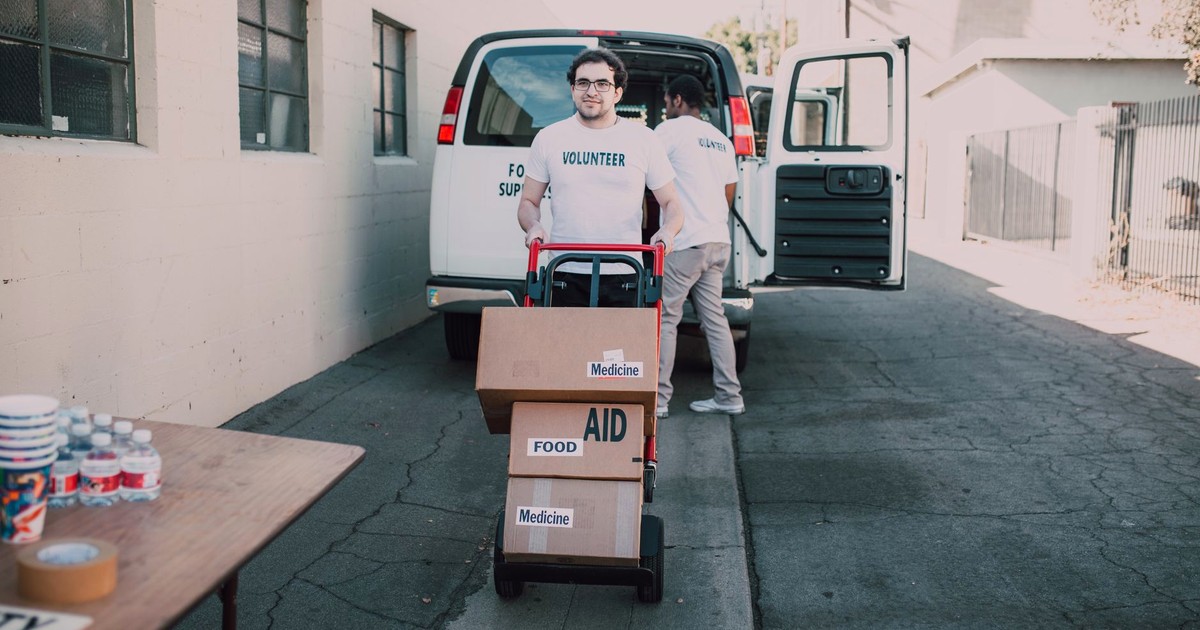
Yes, fieldwork is an integral and compulsory component of almost all BSW programs in India. It is considered the ‘laboratory’ of social work education, providing students with hands-on experience in applying theoretical knowledge to real-life situations. Fieldwork typically involves concurrent placements throughout the semesters and a block placement, supervised by both college faculty and agency supervisors, ensuring practical skill development and ethical practice.