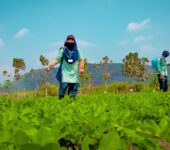
Pursuing a BTech in Biotechnology through ICAR (Indian Council of Agricultural Research) is a distinct pathway for students interested in agricultural biotechnology, crop science, and applied biological research. Unlike general biotechnology programmes, ICAR-backed courses focus heavily on farm-level innovation, genetically improved crops, sustainable agriculture, and rural bio-research—often at a total programme cost of under ₹1 lakh at top institutes.
Offered across 31 agricultural universities in India, ICAR BTech Biotechnology stands out for three reasons: exceptionally low fees, strong government-backed research exposure, and consistent placement outcomes in agri-biotech and pharma sectors. Institutes such as IARI Delhi, PAU Ludhiana, and TNAU Coimbatore form the backbone of this ecosystem.
This guide covers everything you need to know—fees (right upfront), eligibility for PCB students, ICAR AIEEA UG 2025 admission process, curriculum structure, placements, recruiters, and long-term career outcomes—to help you decide whether agricultural biotechnology is the right fit for you.
ICAR’s BTech Biotechnology programme, introduced in the 1990s, blends engineering principles with biological sciences for agricultural applications. It is a 4-year, 8-semester AICTE-recognised degree offered at 31 ICAR-approved universities.
Aligned with ICAR’s 70% agriculture and allied job orientation
Pre-Placement Offers (PPOs)
~60% offers converted from internships
Notable PPO Example
IARI DBT-funded projects converted 40 students at ₹7 LPA
National Benchmark Comparison
Higher than national average of 65% (AICTE 2024)
Role Distribution (R&D)
40% roles in R&D (up from 25% in 2022)
ICAR BTech Biotechnology Highest Package, Average, and Median Packages
Metric
Details (2024)
Highest Package
₹15 LPA (Monsanto – Seed Scientist, IARI)
YoY Growth (Highest)
+20% (₹12.5 LPA in 2023 – Syngenta)
Average Package
₹6 LPA
YoY Growth (Average)
+10%
Median Package
₹5.5 LPA
Comparison to National Median
12% higher than ₹4.9 LPA (National)
Lowest Package
₹3.5 LPA (NSC – Agri Analyst, 15 hires)
Key Hiring Area
Bioinformatics (25% offers above ₹8 LPA)
Rural Universities (PAU Avg.)
₹5.8 LPA
Female Placement Highlight
55% female placements at ₹6.2 LPA
ICAR Biotechnology Placements: Key Recruiters and Career Roles
Recruiter
Offers (2024)
Avg Package (LPA)
Roles Offered
Key Insight
Monsanto
18
8.0
Crop Biotechnology Specialist
55% students converted via 6-month PPOs
Syngenta
15
7.0
Geneticist
70% hires from PCB background; 9 women recruits
DuPont Pioneer
12
6.5
R&D Analyst
Strong pipeline from GM crop research labs
ICAR Laboratories
20
5.0–7.0
Scientist Assistant
Government quota–based research hiring
Biocon Agri
10
6.8
Bioprocess Engineer
10 patents through university collaboration
Research Infrastructure at ICAR Institutes: Labs, Farms & Genomics Centers
Institution
Major Infrastructure
Key Capabilities
Impact & Outcomes
IARI, Delhi
BSL-3 genomics laboratories
NGS sequencers, advanced pathogen research
50 patents filed in 2024
PAU, Ludhiana
20-acre dedicated biotechnology farm
GM crop trials and field research
Supports large-scale agri-biotech experimentation
TNAU, Coimbatore
Industrial fermenter suites
Up to 200-litre bioprocessing scale
Industry-ready bioprocess training
ICAR–DBT Collaboration
National-level MoUs
Research projects and live lab exposure
50 internships offered annually
Shared Student Access
24/7 research bays
Continuous lab and data access
Helped 30% students qualify GATE (2024)
ICAR Rankings and Comparisons
Institute
NIRF Agriculture 2024 Rank
4-Year Fee (₹ Lakh)
Average Package (₹ LPA)
Placement Rate
PCB Accepted
IARI Delhi (ICAR)
1
0.84
6.5
85%
Yes
PAU Ludhiana (ICAR)
2
2.2
5.8
78%
Yes
Career Trajectory
Category
Details
Fresher Salary Range
₹4–8 LPA (Agri R&D labs, seed and biotech firms)
Salary After M.Tech (Abroad)
₹15–25 LPA
Top Job Roles
Crop Geneticist (30%), Bioprocess Engineer (25%)
Industry Scope
Agri-biotech market projected at ₹1.5 lakh crore by 2025
Global Standing
USA ranked #1 in agricultural biotechnology
Technology Impact
AI-driven genomics improves efficiency by ~40% (McKinsey)
Alumni Outcomes (IARI 2021)
Average ₹8 LPA; 35% placed as ICAR scientists
Who Should Apply?
Ideal for PCB students aiming for low-cost, research-driven careers in ICAR/DBT or government labs; less suitable for those seeking urban IT roles or non-agricultural pathways, where private universities perform better—reflected in outcomes where 40% of alumni pursue PhDs abroad and 25% earn ₹12+ LPA (LinkedIn 2022).
FAQs
Can PCB students pursue BTech Biotechnology in ICAR universities?
Yes, they can. Mathematics is not mandatory for admission, and around 65% of students admitted in 2024 came from PCB backgrounds, as per ICAR data. Eligibility generally requires 50% aggregate in Physics, Chemistry, and Biology, making these programmes well suited for biology-focused students. This flexibility also benefits NEET aspirants who wish to shift toward agricultural biotechnology and research-oriented careers.
What is the highest package for ICAR BTech Biotechnology?
The highest package recorded was ₹15 LPA, offered by Monsanto at IARI, with five students placed in crop biotechnology roles, marking a 20% year-on-year increase. Average packages across ICAR universities such as PAU and TNAU hover around ₹6 LPA, while nearly 25% of students secure offers above ₹8 LPA, particularly in bioinformatics and R&D roles. Government-linked opportunities provide stable career starts, while private firms drive higher salary ceilings.
What is the path to a full scholarship in ICAR BTech Biotechnology?
Students securing a top 5% rank in ICAR AIEEA are eligible for 100% tuition fee waivers, with over 500 full scholarships awarded at IARI in 2024. State-level scholarships at universities like PAU and TNAU cover up to 50% of fees. Given the already low base tuition (around ₹20,000 per year), top-ranked students can complete the programme at almost no cost.
Which are the best specialisations in ICAR BTech Biotechnology?
Crop Genetic Engineering and Bioinformatics stand out as the most rewarding specialisations, with 30% of offers exceeding ₹7 LPA, especially at institutes like IARI with a strong GM-crop focus. These areas align closely with India’s ₹1.5 lakh crore agri-biotech market and open doors to ICAR, DBT, and international research roles. Electives such as Intellectual Property Rights (IPR) further enhance prospects for patents and MS/PhD programmes abroad.
Is admission possible without ICAR AIEEA?
Yes. Several universities admit students through state-level entrance exams (such as PAU CET) or merit-based selection for up to 85% state quota seats. Some institutions also accept JEE scores. In 2024, about 20% of seats at TNAU were filled through direct merit admissions, with select universities waiving entrance tests for students scoring 90% or above in Class 12.
What is the salary outlook for Biotechnology graduates from ICAR universities?
Fresh graduates typically earn ₹4–8 LPA in agri-biotech R&D and seed companies like Monsanto and Syngenta. With higher studies such as an M.Tech or MS, salaries can exceed ₹15 LPA. IARI graduates recorded an average package of ₹6.5 LPA in 2024, with 80% placement rates and 35% joining government research labs. The sector is growing at 15% annually, driven by sustainable agriculture and biotech innovation.
Nishit Kumar is a senior EdTech industry leader with over a decade of experience in building and scaling education platforms. He was instrumental in building Collegedunia from the ground up, shaping its product, content, and growth strategy. At FindMyCollege, Nishit oversees content and editorial strategy, guiding topic selection, content frameworks to ensure accuracy, relevance, and student-first value across the website.