Master of Extension Education (MEE) India 2026: Overview
Nishit Kumar is a senior EdTech industry leader with over a decade of experience in building and scaling education platforms, shaping their product, content, and growth strategy. At…
Latest update: Master of Extension Education 2026 admissions & dates updated. Read more ›
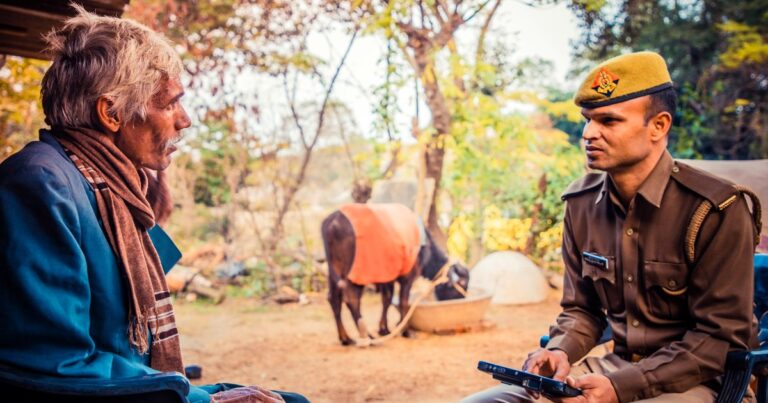
Welcome to the comprehensive overview of the Master of Extension Education (MEE) program in India for the academic year 2026. This page is designed for prospective students and parents seeking detailed information about this postgraduate degree, offered under the Arts stream, focusing on community development, rural upliftment, and the dissemination of knowledge and technology to various target groups.
What is Master of Extension Education (MEE)?
The Master of Extension Education (MEE) is a postgraduate program that focuses on the principles and practices of educating and empowering communities, particularly in rural and agricultural settings, to adopt new technologies, improve livelihoods, and achieve sustainable development. It blends aspects of social sciences, communication, rural development, and adult education.
This interdisciplinary course equips graduates with skills in needs assessment, program planning, implementation, monitoring, and evaluation, essential for working with government agencies, NGOs, international organizations, and corporate social responsibility (CSR) initiatives. The curriculum emphasizes practical application and fieldwork, preparing students to be effective change agents.
What is the eligibility for Master of Extension Education (MEE) in India?
To be eligible for the Master of Extension Education (MEE) program in India, candidates typically need a Bachelor’s degree in any discipline from a recognized university, often with a minimum aggregate score. While a background in Agriculture, Rural Development, Social Work, or Arts is advantageous, many universities accept graduates from diverse fields.
General Eligibility Criteria:
- Educational Qualification: A Bachelor’s degree (e.g., BA, BSc, BSW, B.Tech, B.Sc. Ag.) from a recognized university.
- Minimum Marks: Generally, a minimum of 45-50% aggregate marks in the Bachelor’s degree is required. Some top institutions might have higher cut-offs.
- Age Limit: There is usually no specific age limit for postgraduate courses like MEE, though some universities might have their own internal guidelines.
- Entrance Exams: Many universities require candidates to qualify in a national or university-level entrance examination.
What is the admission process for MEE and key dates for 2026?
The admission process for MEE typically involves an application, an entrance examination, and sometimes a personal interview or group discussion. Key dates for 2026 will vary by institution, but generally follow a similar timeline.
Typical Admission Process Steps:
- Application Submission: Candidates apply online or offline to their chosen universities.
- Entrance Examination: Appear for the required entrance exam (e.g., CUET PG, university-specific tests).
- Merit List/Shortlisting: Universities release merit lists based on entrance exam scores and academic performance.
- Interview/Group Discussion (if applicable): Shortlisted candidates may undergo further selection rounds.
- Counseling & Document Verification: Selected candidates attend counseling, verify documents, and pay fees.
Tentative MEE Admission Dates 2026 (General):

| Event | Tentative Dates (2026) | Notes |
|---|---|---|
| Application Period Starts | March – April | Varies by university; check individual websites. |
| Application Period Ends | May – June | Deadlines are strict. |
| Entrance Exam Dates | June – July | CUET PG usually in June. |
| Result Declaration | July – August | Post-exam; check university portals. |
| Counseling/Interviews | August | For shortlisted candidates. |
| Admission & Fee Payment | August – September | Final admission process. |
| Classes Commence | September | Start of the academic year. |
How much does Master of Extension Education (MEE) cost in India?
The cost of a Master of Extension Education (MEE) program in India varies significantly depending on the type of institution – government-funded universities are generally more affordable than private universities. Fees typically range from INR 20,000 to INR 2,00,000 per annum.
MEE Fee Ranges (Annual):
| Institution Type | Annual Fee Range (INR) | Additional Costs |
|---|---|---|
| Government/State Universities | 20,000 – 80,000 | Hostel, Mess, Exam Fees, Study Material |
| Private Universities/Institutes | 80,000 – 2,00,000+ | Hostel, Mess, Exam Fees, Project Costs, International Exposure (if any) |
These figures are indicative and can change. It’s crucial to check the specific fee structure of the universities you are interested in for 2026.
What is the syllabus and key subjects in Master of Extension Education?
The MEE syllabus is designed to provide a comprehensive understanding of extension principles, communication strategies, and rural development. It typically covers core subjects in extension methodologies, program planning, communication, and research methods, alongside electives.
Typical MEE Syllabus Structure (Semester-wise):
| Semester | Core Subjects | Electives/Practical Components |
|---|---|---|
| Semester I |
|
|
| Semester II |
|
|
| Semester III |
|
|
| Semester IV |
|
|
Is Master of Extension Education (MEE) worth it for jobs in India?
Yes, a Master of Extension Education (MEE) is highly worth it for jobs in India, especially for those passionate about social impact, rural development, and community engagement. The demand for skilled professionals in development sectors, NGOs, government schemes, and CSR initiatives is consistently strong.
Graduates find roles where they can directly contribute to societal betterment, bridging the gap between knowledge and practice. The interdisciplinary nature of the course prepares students for diverse challenges in the field.
What are the career prospects and salary after MEE?
After completing an MEE, graduates have excellent career prospects in various sectors, including government, non-profit organizations, international agencies, and corporate social responsibility (CSR) departments. The roles are primarily focused on community development, project management, and communication.
Common Job Roles and Salary Ranges (Annual, INR):
| Job Role | Description | Average Annual Salary (INR) |
|---|---|---|
| Extension Officer/Specialist | Works with government agricultural departments or rural development agencies to disseminate information and technology. | 3,00,000 – 6,00,000 |
| Project Coordinator/Manager | Manages development projects for NGOs, focusing on planning, implementation, and monitoring. | 3,50,000 – 7,00,000 |
| Rural Development Officer | Employed by banks, government bodies, or microfinance institutions to facilitate rural growth. | 3,00,000 – 5,50,000 |
| Community Development Worker | Works directly with communities to identify needs, build capacity, and implement local initiatives. | 2,80,000 – 5,00,000 |
| CSR Executive/Manager | Manages corporate social responsibility programs for companies, focusing on community outreach and impact. | 4,00,000 – 8,00,000 |
| Program Officer (NGO/INGO) | Designs and oversees specific programs for non-governmental or international non-governmental organizations. | 4,00,000 – 9,00,000+ |
Salaries can vary based on experience, organization type (local NGO vs. international agency), location, and specific skills. With experience, leadership roles and higher salaries are attainable.
MEE vs. MSW vs. MBA (Rural Management): Which is better?
Choosing between MEE, MSW (Master of Social Work), and MBA (Rural Management) depends on your specific career goals and interests, as each program offers a distinct focus within the broader domain of social and rural development.
Comparison Table: MEE vs. MSW vs. MBA (Rural Management)
| Feature | Master of Extension Education (MEE) | Master of Social Work (MSW) | MBA (Rural Management) |
|---|---|---|---|
| Primary Focus | Dissemination of knowledge, technology adoption, community empowerment, program planning & evaluation. | Direct intervention, counseling, advocacy, social justice, individual/group/community casework. | Business principles applied to rural markets, agribusiness, microfinance, rural marketing, supply chain. |
| Key Skills Developed | Communication, program design, needs assessment, adult learning, rural development strategies. | Counseling, crisis intervention, advocacy, policy analysis, therapeutic techniques, community organizing. | Strategic planning, marketing, finance, operations, leadership, business analytics in rural context. |
| Typical Roles | Extension Officer, Project Coordinator, Rural Development Officer, CSR Executive, Program Officer. | Social Worker, Counselor, Community Organizer, HR Manager (social sector), Policy Advocate. | Rural Marketing Manager, Agribusiness Manager, Microfinance Analyst, Supply Chain Manager (rural). |
| Ideal For | Those interested in educating, empowering, and facilitating change in communities, especially rural. | Those passionate about direct service, helping vulnerable populations, and addressing social issues. | Those aiming for management roles in rural enterprises, agribusiness, or development finance. |
| Interdisciplinary Blend | Sociology, Communication, Agriculture, Education, Economics. | Psychology, Sociology, Law, Public Health, Ethics. | Management, Economics, Agriculture, Marketing, Finance. |
If your passion lies in educating communities, facilitating the adoption of new practices, and managing development programs, MEE is the ideal choice. If you prefer direct intervention and counseling, MSW is better. If you aim for management and business roles within the rural sector, MBA (Rural Management) is more suitable.
Frequently Asked Questions
Is MEE a good course for government jobs?
Yes, MEE is an excellent course for government jobs, particularly in departments related to agriculture, rural development, social welfare, and community outreach. Graduates are well-suited for roles like Extension Officer, Rural Development Officer, and various positions in state and central government schemes.
What is the duration of the Master of Extension Education program?
The Master of Extension Education (MEE) is typically a two-year postgraduate program, divided into four semesters. Some universities may offer a slightly different structure, but two years is the standard duration.
Are there any scholarships available for MEE students?
Yes, many universities and government bodies offer scholarships for postgraduate students, including those pursuing MEE. These can be merit-based, need-based, or specific to certain categories (e.g., SC/ST/OBC). Students should check with their chosen university’s financial aid office and national scholarship portals.
Do I need an agricultural background for MEE?
While an agricultural background can be beneficial, it is generally not mandatory for MEE. Many universities accept graduates from any discipline (Arts, Science, Commerce, Engineering) as long as they meet the minimum aggregate marks. The course curriculum often includes foundational knowledge for non-agricultural backgrounds.
What are the top colleges offering MEE in India?
Some of the prominent institutions offering MEE or similar programs in Extension Education include various State Agricultural Universities (SAUs), Central Universities, and other reputed institutions like the Indian Agricultural Research Institute (IARI), Banaras Hindu University (BHU), and several state universities with strong social science departments.
What is the scope of MEE abroad?
The scope of Extension Education abroad is significant, particularly in developing countries and international development agencies. MEE graduates can pursue higher studies (Ph.D.) or work with international NGOs, UN agencies (like FAO, UNDP), and bilateral development organizations focused on rural development, food security, and community empowerment globally.
What skills are essential for a successful career in Extension Education?
Essential skills for a successful career in Extension Education include strong communication (both verbal and written), interpersonal skills, empathy, problem-solving, project management, leadership, cultural sensitivity, and the ability to work effectively with diverse community groups.