
MPT Eligibility 2026 (Paramedical) – India College Info
Nishit Kumar is a senior EdTech industry leader with over a decade of experience in building and scaling education platforms, shaping their product, content, and growth strategy. At…
Latest update: MPT 2026 admissions & dates updated. Read more ›
Welcome to the comprehensive guide on MPT Eligibility 2026 for students aspiring to pursue a Master of Physiotherapy (MPT) in India. This page provides detailed information on academic requirements, age limits, admission processes, and everything you need to know to secure your spot in this rewarding paramedical field.
What is MPT and Why is Eligibility Important?
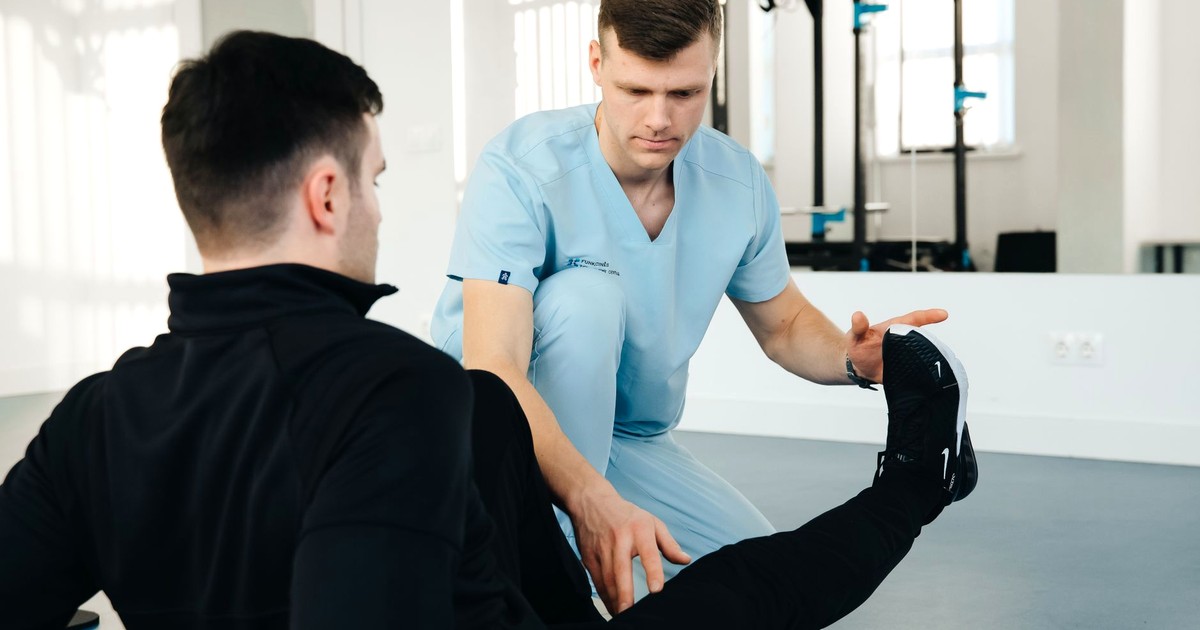
MPT, or Master of Physiotherapy, is a postgraduate paramedical program designed to provide advanced knowledge and skills in various physiotherapy specializations. It builds upon the foundational understanding gained during a Bachelor of Physiotherapy (BPT) degree, preparing professionals for specialized clinical practice, research, and academic roles. Understanding MPT eligibility is crucial because it dictates whether a candidate can even apply for the course, ensuring they meet the minimum academic and professional standards required for advanced study in physiotherapy.
What is the basic eligibility for MPT in India for 2026 admissions?
The basic eligibility for MPT in India for 2026 admissions requires candidates to hold a Bachelor of Physiotherapy (BPT) degree from a recognized university, typically with a minimum aggregate score of 50% to 55%. Additionally, most institutions mandate a compulsory internship period as part of the BPT curriculum.
To be eligible for MPT in 2026, prospective students must have successfully completed their BPT degree. The BPT program must be from an institution recognized by the Indian Association of Physiotherapists (IAP) or a similar regulatory body. While the minimum percentage varies slightly between universities, a score above 50% is generally the baseline. Some prestigious institutions might set a higher bar, often around 55% or even 60%.
Is there an age limit for MPT admission in 2026?
Generally, there is no upper age limit for MPT admission in India for the 2026 academic year. Most universities do not impose an age restriction, allowing candidates of all ages who meet the academic criteria to apply.
While a few specific government scholarships or institutional quotas might have age-related clauses, for general admission to MPT programs, age is typically not a barrier. This makes MPT an accessible option for both recent graduates and working professionals looking to specialize or advance their careers in physiotherapy.
What are the specific academic requirements for MPT 2026?
The specific academic requirements for MPT 2026 primarily include a BPT degree with a minimum aggregate percentage and the completion of a mandatory internship. Some universities may also require specific subjects studied at the undergraduate level or a minimum score in an entrance examination.
- BPT Degree: A Bachelor of Physiotherapy (BPT) degree from a university recognized by the University Grants Commission (UGC) and the Indian Association of Physiotherapists (IAP).
- Minimum Marks: An aggregate of 50% to 55% in the BPT program. For reserved categories (SC/ST/OBC), this percentage might be relaxed by 5%.
- Internship: Completion of a compulsory 6-month to 1-year rotational internship after the BPT degree, as prescribed by the university or regulatory body. Proof of internship completion is usually required at the time of admission.
- Entrance Exam: Many top universities conduct their own entrance examinations for MPT admission. Performance in these exams is a critical eligibility factor.
- Registration: Some states or institutions may require provisional or permanent registration with a State Physiotherapy Council or the IAP.
Do I need to take an entrance exam for MPT 2026, and what is the pattern?
Yes, most reputable universities and colleges offering MPT programs require candidates to clear an entrance examination for 2026 admissions. These exams assess a candidate’s fundamental knowledge of physiotherapy subjects.
The pattern of MPT entrance exams typically includes multiple-choice questions (MCQs) covering subjects studied during the BPT curriculum. Common subjects include Anatomy, Physiology, Pathology, Pharmacology, Biomechanics, Kinesiology, Electrotherapy, Exercise Therapy, and various clinical physiotherapy specializations. Some exams may also include sections on general aptitude or English language skills. The duration usually ranges from 90 to 180 minutes.
Typical MPT Entrance Exam Pattern & Dates (2026 Tentative)
| Aspect | Details |
|---|---|
| Exam Type | Mostly Objective (MCQs) |
| Subjects Covered | Anatomy, Physiology, Pathology, Pharmacology, Biomechanics, Kinesiology, Electrotherapy, Exercise Therapy, Physiotherapy Specializations (Orthopaedics, Neurology, Cardiopulmonary, Community), Research Methodology |
| Total Questions | Typically 100-150 questions |
| Marking Scheme | +1 or +4 for correct, -0.25 or -1 for incorrect (negative marking common) |
| Duration | 1.5 to 3 hours |
| Tentative Application Period | March – May 2026 |
| Tentative Exam Dates | May – July 2026 |
| Tentative Result Dates | June – August 2026 |
What are the common MPT specializations available in India?
MPT programs in India offer a wide range of specializations, allowing physiotherapists to focus on specific areas of practice. Common specializations include Musculoskeletal Physiotherapy, Neurological Physiotherapy, Cardiopulmonary Physiotherapy, Sports Physiotherapy, Community Based Rehabilitation, and Paediatric Physiotherapy.
- MPT in Musculoskeletal Physiotherapy: Focuses on conditions affecting bones, joints, muscles, ligaments, and tendons.
- MPT in Neurological Physiotherapy: Deals with patients suffering from neurological disorders like stroke, Parkinson’s disease, spinal cord injuries.
- MPT in Cardiopulmonary Physiotherapy: Specializes in rehabilitation for heart and lung conditions.
- MPT in Sports Physiotherapy: Concentrates on injury prevention, management, and rehabilitation for athletes.
- MPT in Community Based Rehabilitation (CBR): Focuses on providing physiotherapy services in community settings, often for underserved populations.
- MPT in Paediatric Physiotherapy: Specializes in the assessment and treatment of children with developmental, congenital, or acquired conditions.
- MPT in Geriatric Physiotherapy: Focuses on the unique needs of older adults.
- MPT in Women’s Health Physiotherapy: Addresses conditions specific to women across their lifespan.
How much does an MPT course cost in India (2026 fees)?
The cost of an MPT course in India for 2026 varies significantly based on the type of institution (government vs. private) and its reputation, ranging from approximately INR 30,000 to INR 3,00,000 per annum.
Government colleges generally have lower fees due to subsidies, making them a more affordable option. Private universities, while offering potentially better infrastructure or specific specializations, typically charge higher tuition fees. Additional costs may include hostel fees, examination fees, and study materials.
MPT Fee Range (Annual, 2026 Tentative)
| Institution Type | Approximate Annual Fee Range (INR) |
|---|---|
| Government Colleges/Universities | INR 30,000 – INR 1,00,000 |
| Private Colleges/Universities | INR 1,00,000 – INR 3,00,000+ |
Is MPT worth it for jobs and salary prospects in India?
Yes, pursuing an MPT is generally worth it for enhanced job prospects and higher salary potential in India, especially for those seeking specialized roles, academic positions, or aiming for private practice. An MPT degree significantly boosts a physiotherapist’s career trajectory.
With an MPT, graduates are qualified for specialized roles in hospitals, rehabilitation centers, sports clinics, and even academic institutions. The demand for specialized physiotherapists is growing, leading to better remuneration. While a BPT graduate might start with an average salary, an MPT graduate can command a significantly higher package due to their advanced skills and expertise.
Average MPT Salary by Role (Annual, Post-MPT, Tentative)
| Job Role | Approximate Annual Salary Range (INR) |
|---|---|
| Specialist Physiotherapist | INR 3,50,000 – INR 8,00,000+ |
| Clinical Instructor/Lecturer | INR 3,00,000 – INR 6,00,000 |
| Rehabilitation Manager | INR 5,00,000 – INR 10,00,000+ |
| Sports Physiotherapist | INR 4,00,000 – INR 9,00,000+ |
| Researcher | INR 4,00,000 – INR 8,00,000 |
| Private Practitioner (Self-employed) | Highly variable, potential for INR 6,00,000 – INR 15,00,000+ |
What is the admission process for MPT in 2026?
The admission process for MPT in 2026 typically involves applying to universities, appearing for an entrance examination, participating in counseling or an interview, and finally, document verification and fee payment.
- Application: Fill out the online or offline application form for your chosen universities, usually available from March to May 2026.
- Entrance Exam: Appear for the university’s MPT entrance exam (May-July 2026). Some institutions might accept national-level scores if applicable.
- Merit List/Shortlisting: Based on entrance exam scores and BPT academic performance, a merit list is prepared, and candidates are shortlisted.
- Counseling/Interview: Shortlisted candidates may be called for a counseling session or a personal interview to assess their communication skills, subject knowledge, and motivation.
- Document Verification: Original documents (BPT mark sheets, internship certificate, caste certificate if applicable, identity proof) are verified.
- Fee Payment: Upon successful verification and selection, candidates pay the admission fees to confirm their seat.
Explore more on FindMyCollege
Related pages for MPT aspirants on findmycollege.com:
Frequently Asked Questions
Can I pursue MPT without an internship?
No, generally, completing a mandatory 6-month to 1-year internship after your BPT degree is a strict eligibility requirement for MPT admissions in India. This practical experience is considered crucial for advanced studies.
Is a BPT degree from an open university valid for MPT?
A BPT degree from an open university might be valid for MPT if the university is recognized by the UGC and the BPT program itself is approved by the IAP. However, it’s essential to check with the specific MPT-offering institution as some may prefer regular BPT degrees.
Are there any scholarships available for MPT students?
Yes, some government schemes, private trusts, and individual universities offer scholarships for MPT students based on merit, financial need, or specific categories (e.g., for students from economically weaker sections or reserved categories). You should check university websites and government scholarship portals.
What is the duration of the MPT course?
The MPT course is typically a 2-year postgraduate program, divided into four semesters.
Can I do MPT after a Diploma in Physiotherapy?
No, a Diploma in Physiotherapy is usually not sufficient for MPT eligibility. A full Bachelor of Physiotherapy (BPT) degree is almost universally required as the foundational qualification.
What is the difference between MPT and PhD in Physiotherapy?
MPT is a Master’s degree focused on advanced clinical practice and specialization, while a PhD in Physiotherapy is a doctoral degree focused on extensive research and contribution to the academic and scientific body of physiotherapy knowledge. MPT is a prerequisite for PhD.
Are there distance learning options for MPT?
Currently, MPT is predominantly offered as a full-time, on-campus program due to its intensive practical and clinical components. Distance learning options for MPT are very rare and generally not recognized by regulatory bodies for clinical practice.
What documents are required for MPT admission?
Key documents include BPT mark sheets and degree certificate, internship completion certificate, transfer certificate, migration certificate, caste certificate (if applicable), identity proof (Aadhar card), passport-size photographs, and entrance exam scorecard.



![M.Sc Mathematics Eligibility India 2026 – [College Name]](https://articles.findmycollege.com/wp-content/uploads/2026/07/msc-mathematics-eligibility-criteria-2026-cover-2-768x403.jpg)







