M.Sc Biochemistry Syllabus India 2026 – Science Stream
Nishit Kumar is a senior EdTech industry leader with over a decade of experience in building and scaling education platforms, shaping their product, content, and growth strategy. At…
Latest update: M.Sc in Biochemistry 2026 admissions & dates updated. Read more ›
The M.Sc in Biochemistry program in India for 2026 offers an advanced curriculum designed to deepen understanding of the chemical processes within living organisms. This two-year postgraduate degree, typically under the Science stream, prepares students for research, academic, and industry roles.
Core Subjects in M.Sc Biochemistry (2026)
The core subjects provide a foundational and advanced understanding of biochemical principles, molecular mechanisms, and analytical techniques. These compulsory courses cover essential areas such as enzymology, metabolism, molecular biology, and biophysical chemistry.
- Advanced Enzymology: Focuses on enzyme kinetics, mechanisms of action, regulation, and industrial applications.
- Metabolic Pathways and Regulation: Covers major metabolic pathways (carbohydrate, lipid, protein, nucleic acid metabolism) and their intricate regulatory mechanisms.
- Molecular Biology and Genetic Engineering: Explores DNA replication, transcription, translation, gene expression regulation, and recombinant DNA technology.
- Biophysical Chemistry and Spectroscopy: Introduces principles of thermodynamics, kinetics, and various spectroscopic techniques (UV-Vis, Fluorescence, NMR, Mass Spectrometry) used in biochemical analysis.
- Cell Biology and Signal Transduction: Delves into cellular organization, organelles, cell cycle, and mechanisms of intercellular communication.
- Immunology: Studies the components and functions of the immune system, antigen-antibody interactions, and immunological techniques.
- Bioinformatics and Computational Biology: Introduces tools and databases for sequence analysis, protein structure prediction, and drug design.
Elective Subjects and Specializations
Students can choose from a range of elective subjects to specialize in areas of interest, allowing for tailored learning paths. Common specializations include Medical Biochemistry, Plant Biochemistry, Industrial Biochemistry, and Clinical Biochemistry.
Common Elective Options:
- Medical Biochemistry and Clinical Diagnostics
- Plant Biochemistry and Biotechnology
- Industrial Biochemistry and Fermentation Technology
- Neurobiochemistry
- Environmental Biochemistry
- Nutritional Biochemistry
- Pharmacology and Toxicology
- Structural Biology
Practical Components and Lab Work
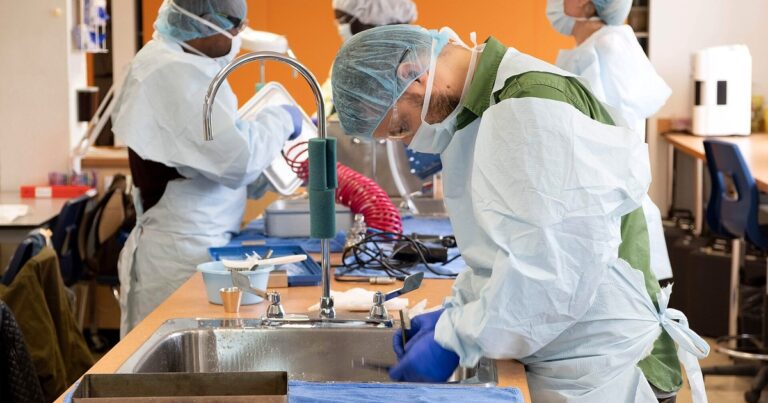
Practical components are integral to the M.Sc Biochemistry curriculum, providing hands-on experience with modern biochemical techniques. Students spend a significant portion of their time in laboratories, learning to apply theoretical knowledge.
Typical practical sessions include:
- Protein purification and characterization (chromatography, electrophoresis)
- Enzyme kinetics experiments
- Molecular cloning and gene expression studies
- Spectrophotometric and fluorometric assays
- Cell culture techniques
- Immunological assays (ELISA, Western Blot)
Research Project and Dissertation
A mandatory research project and dissertation in the final year allow students to conduct independent research under faculty supervision. This capstone experience hones research skills, critical thinking, and scientific writing.
Students typically work on a novel research problem, collect and analyze data, and present their findings in a written dissertation and an oral defense. This prepares them for doctoral studies or R&D roles.
Typical Semester-wise Breakdown (Illustrative)
The M.Sc Biochemistry program is generally structured into four semesters, with a balanced mix of theory, practicals, and research. The following table provides an illustrative breakdown of subjects across semesters.
| Semester | Core Theory Subjects | Core Practical Subjects | Elective/Specialization |
|---|---|---|---|
| Semester I | Advanced Enzymology, Metabolic Pathways & Regulation | Biochemical Techniques Lab I | N/A |
| Semester II | Molecular Biology & Genetic Engineering, Biophysical Chemistry | Molecular Biology Lab, Biophysical Chemistry Lab | Elective I |
| Semester III | Cell Biology & Signal Transduction, Immunology, Bioinformatics | Cell & Immunology Lab, Bioinformatics Lab | Elective II, Research Project (Initiation) |
| Semester IV | Advanced Topics in Biochemistry (Seminar based) | Advanced Biochemical Techniques Lab | Elective III, Research Project (Completion & Dissertation) |
Career Prospects After M.Sc Biochemistry
Graduates with an M.Sc in Biochemistry have diverse career opportunities in various sectors, including research, healthcare, pharmaceuticals, and academia. The strong scientific foundation prepares them for roles requiring analytical and problem-solving skills.
- Research Scientist: In academic institutions, government labs, or private R&D companies.
- Biochemist: In pharmaceutical, biotechnology, food, or chemical industries.
- Clinical Biochemist: In hospitals and diagnostic laboratories.
- Lecturer/Professor: In colleges and universities (after qualifying NET/SET).
- Quality Control/Assurance Specialist: In manufacturing industries.
- Scientific Writer/Editor: For scientific publications and journals.
Eligibility Criteria and Admission Process (2026)
To be eligible for an M.Sc in Biochemistry in 2026, candidates typically need a Bachelor’s degree in Science with Biochemistry, Chemistry, Biology, Microbiology, or Biotechnology as a major subject. Admission often involves an entrance examination followed by an interview.
Minimum marks required in the qualifying examination usually range from 50% to 60% for general category candidates, with relaxations for reserved categories as per government norms.
Explore more on FindMyCollege
Related pages for M.Sc in Biochemistry aspirants on findmycollege.com:
Frequently Asked Questions
Q: What is the duration of the M.Sc Biochemistry course in India?
A: The M.Sc Biochemistry course in India is typically a two-year postgraduate program, divided into four semesters.
Q: Is a research project compulsory in M.Sc Biochemistry?
A: Yes, most M.Sc Biochemistry programs in India include a compulsory research project and dissertation in the final year, which is crucial for developing research skills.
Q: What are the common entrance exams for M.Sc Biochemistry?
A: Common entrance exams include university-specific tests (e.g., DUET, BHU PET, JNU CEE) and sometimes national-level exams like GATE (for certain institutions or fellowships), though GATE is primarily for M.Tech/Ph.D.
Q: Can I pursue a Ph.D. after M.Sc Biochemistry?
A: Absolutely. An M.Sc in Biochemistry is an excellent foundation for pursuing a Ph.D. in biochemistry, molecular biology, biotechnology, or related life science fields.
Q: What is the average fee for M.Sc Biochemistry in India?
A: The average fee for M.Sc Biochemistry in India can range from INR 20,000 to INR 1,50,000 per annum, depending on whether it’s a government or private institution and the facilities offered.