B.Sc in Radiology And Imaging Technology Full Form (2026)
Nishit Kumar is a senior EdTech industry leader with over a decade of experience in building and scaling education platforms, shaping their product, content, and growth strategy. At…
Latest update: B.Sc in Radiology And Imaging Technology 2026 admissions & dates updated. Read more ›
Welcome to the comprehensive guide for students and parents interested in the B.Sc in Radiology And Imaging Technology Full Form course in India for the 2026 academic year. This page provides an in-depth look at what this science stream degree entails, covering everything from its core definition to career outcomes, eligibility criteria, and financial considerations.
What is the Full Form of B.Sc in Radiology And Imaging Technology?
The full form of B.Sc in Radiology And Imaging Technology is Bachelor of Science in Radiology And Imaging Technology. This undergraduate degree program focuses on training students in the principles and practices of medical imaging techniques, preparing them to work as skilled radiographers and imaging technologists in healthcare settings.
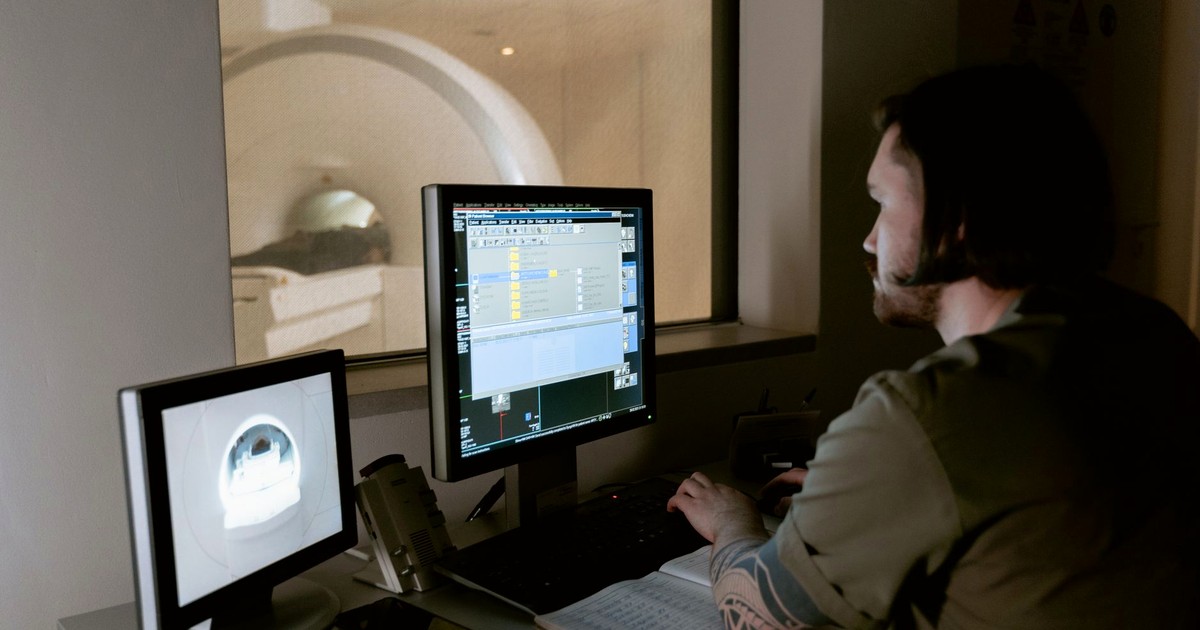
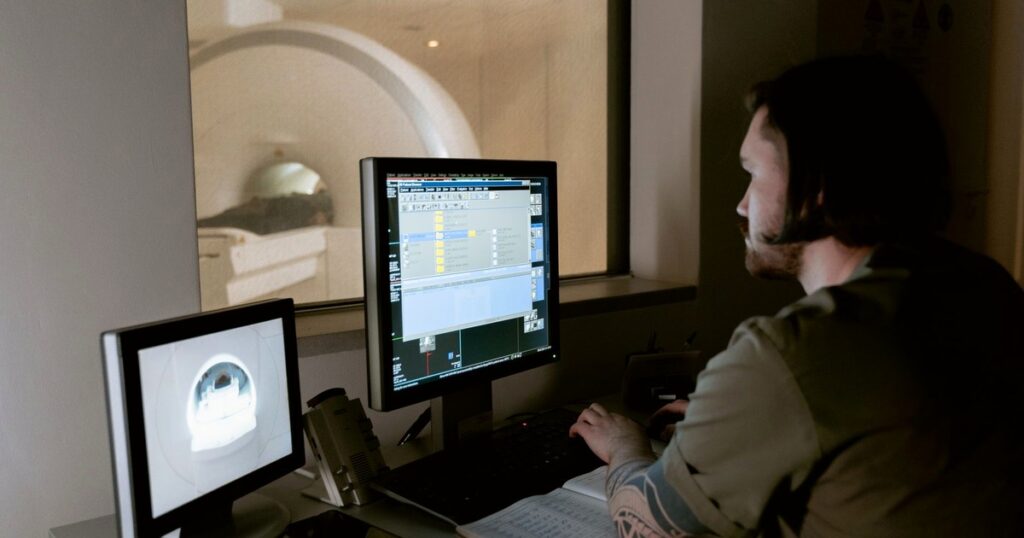
This 3 to 4-year (depending on the institution and curriculum structure, often including an internship) professional course falls under the Science stream and is designed for students who have completed their 10+2 with a strong foundation in Physics, Chemistry, and Biology. Graduates play a crucial role in diagnosing diseases by operating sophisticated imaging equipment such as X-ray machines, CT scanners, MRI machines, and ultrasound devices.
What Does a B.Sc in Radiology And Imaging Technology Course Cover?
A B.Sc in Radiology And Imaging Technology course covers a broad spectrum of subjects related to medical imaging, patient care, and radiation safety. The curriculum is designed to provide both theoretical knowledge and practical skills essential for a successful career in diagnostic imaging.
Students learn about human anatomy and physiology, various imaging modalities, radiation physics, patient positioning, image processing, and quality control. The program also emphasizes ethical practices, communication skills, and the importance of patient safety in a clinical environment. Practical training and internships are integral components, allowing students to gain hands-on experience in real hospital settings.
Typical B.Sc in Radiology And Imaging Technology Syllabus (Semester-wise)
While specific subjects may vary slightly between universities, the core curriculum generally includes:
- Year 1: Human Anatomy, Physiology, Radiation Physics, Basic Radiographic Techniques, Medical Ethics, Computer Applications.
- Year 2: Radiographic Positioning, Special Radiographic Procedures, Image Processing & Quality Control, Pathology, Pharmacology, Ultrasound Imaging.
- Year 3: CT Scan Techniques, MRI Techniques, Nuclear Medicine, Radiation Safety & Protection, Patient Care & Hospital Practice, Research Methodology.
- Optional 4th Year/Internship: Advanced Imaging Modalities, Clinical Training, Project Work, Specialization Electives.
What is the Eligibility for B.Sc in Radiology And Imaging Technology in 2026?
To be eligible for the B.Sc in Radiology And Imaging Technology program in 2026, candidates must typically have completed their 10+2 (or equivalent) examination with Physics, Chemistry, and Biology (PCB) as compulsory subjects. Most institutions require a minimum aggregate score, usually ranging from 45% to 50% in the qualifying examination.
Some colleges may also consider candidates with Physics, Chemistry, and Mathematics (PCM) if they have a strong interest in the field, but PCB is generally preferred due to the biological and medical aspects of the course. Age limits, if any, are usually around 17 years as of December 31st of the admission year. Admission is often based on merit in the 10+2 exams or through entrance examinations conducted by individual universities or state bodies.
How to Apply for B.Sc in Radiology And Imaging Technology Admissions in 2026?
Applying for B.Sc in Radiology And Imaging Technology admissions in 2026 typically involves several steps, including researching colleges, checking eligibility, applying online, appearing for entrance exams (if required), and participating in counseling.
The application process usually begins in the months of April to June for most colleges. Students should keep an eye on official college websites and national/state entrance exam portals for specific dates and guidelines.
Typical Application Process & Key Dates (2026 Tentative)
| Stage | Description | Tentative 2026 Dates |
|---|---|---|
| Research & Shortlist | Identify colleges offering the program, check eligibility & entrance exam requirements. | Jan – March 2026 |
| Application Form Release | Online application forms become available on college/exam websites. | April – May 2026 |
| Application Deadline | Last date to submit the completed application form. | May – June 2026 |
| Admit Card Release | For entrance exams, admit cards are issued. | June 2026 |
| Entrance Exam (if applicable) | Appear for university/state-level entrance tests. | June – July 2026 |
| Result Declaration | Results of qualifying exams/entrance tests are announced. | July 2026 |
| Counseling & Admission | Merit-based counseling, document verification, and fee payment. | July – August 2026 |
| Classes Begin | Commencement of the academic session. | August – September 2026 |
How Much Does B.Sc in Radiology And Imaging Technology Cost in India?
The cost of pursuing a B.Sc in Radiology And Imaging Technology in India varies significantly depending on the type of institution (government vs. private), its reputation, and location. Generally, government colleges offer the course at a much lower fee compared to private universities.
For government colleges, the annual fees can range from INR 10,000 to INR 50,000. In contrast, private institutions typically charge between INR 50,000 to INR 2,50,000 per annum. These figures usually cover tuition fees but may not include hostel charges, examination fees, or other miscellaneous expenses. Scholarships are available based on merit or financial need at many institutions.
Is B.Sc in Radiology And Imaging Technology Worth It for Jobs?
Yes, a B.Sc in Radiology And Imaging Technology is a highly valuable degree for job prospects, offering a stable and in-demand career in the growing healthcare sector. Graduates are essential members of the diagnostic team, and their skills are continuously required in hospitals, diagnostic centers, and clinics.
The demand for skilled radiographers and imaging technologists is on the rise due to advancements in medical technology and an increasing need for accurate disease diagnosis. The course provides specialized skills that are not easily replaceable, leading to good employment opportunities both in India and abroad. Continuous learning and specialization can further enhance career growth and earning potential.
Career Prospects and Salary After B.Sc in Radiology And Imaging Technology
Graduates can find employment in various roles within the healthcare industry. Initial salaries depend on the employer, location, and individual skills, but tend to grow significantly with experience and further specialization.
| Job Role | Description | Average Starting Salary (INR per annum) | Average Mid-Career Salary (INR per annum) |
|---|---|---|---|
| Radiographer/Radiology Technologist | Operates X-ray, CT, MRI machines to capture diagnostic images. | 2.5 – 4.5 Lakhs | 5 – 10 Lakhs |
| MRI Technologist | Specializes in operating Magnetic Resonance Imaging equipment. | 3 – 5 Lakhs | 6 – 12 Lakhs |
| CT Scan Technologist | Specializes in operating Computed Tomography scanners. | 3 – 5 Lakhs | 6 – 12 Lakhs |
| Ultrasound Technologist/Sonographer | Performs ultrasound examinations. | 2.8 – 4.8 Lakhs | 5.5 – 11 Lakhs |
| Application Specialist | Trains medical staff on new imaging equipment for manufacturers. | 4 – 7 Lakhs | 8 – 15 Lakhs |
| Diagnostic Imaging Manager | Manages operations of a radiology department (with experience). | 7 – 15 Lakhs+ | 15 – 25 Lakhs+ |
B.Sc in Radiology And Imaging Technology vs. Other Paramedical Courses
B.Sc in Radiology And Imaging Technology stands out among paramedical courses due to its high specialization and direct involvement in diagnostic processes. While other paramedical courses like B.Sc in Medical Laboratory Technology (MLT) or B.Sc in Operation Theatre Technology (OTT) are also vital, Radiology and Imaging Technology offers a unique blend of technology operation and patient interaction focused on visual diagnosis.
MLT focuses on laboratory tests and analysis of bodily fluids, while OTT focuses on assisting surgeons in the operating room. Radiology, on the other hand, deals with creating images of the internal body, requiring a different skill set involving physics, radiation safety, and precise equipment handling. The choice depends on a student’s interest in technology, patient interaction, and specific diagnostic areas.
What are the Pros and Cons of B.Sc in Radiology And Imaging Technology?
Like any specialized degree, B.Sc in Radiology And Imaging Technology comes with its own set of advantages and disadvantages that prospective students should consider.
Pros:
- High Demand: Constant need for skilled professionals in hospitals and diagnostic centers.
- Good Salary: Competitive starting salaries with significant growth potential.
- Specialized Skills: Acquires unique technical skills in operating advanced medical equipment.
- Direct Patient Impact: Plays a crucial role in disease diagnosis and patient care.
- Career Stability: Healthcare sector offers relative job security.
- Opportunities for Further Study: Can pursue M.Sc, PG Diploma, or specialized certifications.
Cons:
- Radiation Exposure: While safety protocols are strict, there’s inherent exposure to radiation.
- Shift Work: Often involves working in shifts, including nights, weekends, and holidays.
- Physically Demanding: Requires standing for long periods, assisting patients, and operating heavy equipment.
- Continuous Learning: Need to stay updated with rapidly evolving technology and techniques.
- Stressful Environment: Working in a medical setting can be high-pressure.
Explore more on FindMyCollege
Related pages for B.Sc in Radiology And Imaging Technology aspirants on findmycollege.com:
Frequently Asked Questions