B.Tech Electrical Engineering Online/Distance India 2026
Nishit Kumar is a senior EdTech industry leader with over a decade of experience in building and scaling education platforms, shaping their product, content, and growth strategy. At…
Latest update: B.Tech in Electrical Engineering 2026 admissions & dates updated. Read more ›
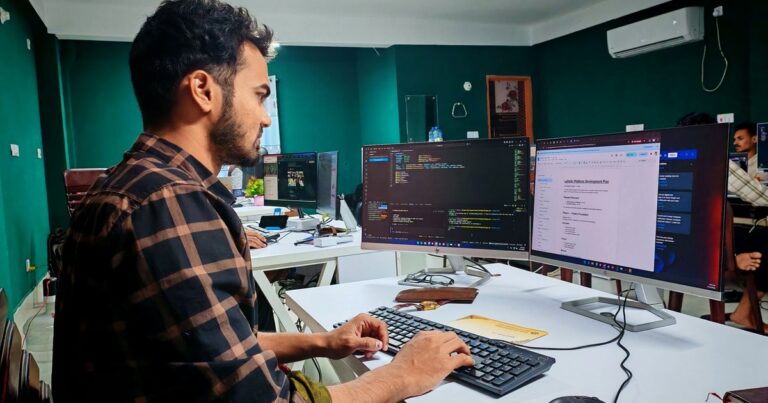
Pursuing a B.Tech in Electrical Engineering through distance or online learning in India for the 2026 academic year offers a flexible pathway to a coveted engineering degree. These programs are designed for working professionals, students in remote areas, or those seeking an alternative to traditional on-campus education, providing the same academic rigor and industry-relevant curriculum.
What is B.Tech Electrical Engineering (Distance/Online)?
A B.Tech in Electrical Engineering (Distance/Online) is an undergraduate degree program that allows students to study the principles of electricity, electronics, and electromagnetism remotely. This format provides the flexibility to learn at one’s own pace while still gaining comprehensive knowledge in power systems, control systems, signal processing, and more.
Why Choose Distance/Online B.Tech Electrical Engineering in India?
Choosing a distance or online B.Tech in Electrical Engineering in India offers significant advantages, including flexibility, cost-effectiveness, and the ability to balance studies with work or other commitments. It provides access to quality education for a broader demographic, breaking geographical barriers.
- Flexibility: Study anytime, anywhere, fitting education around your personal and professional life.
- Cost-Effective: Often lower tuition fees and reduced living expenses compared to on-campus programs.
- Accessibility: Ideal for students in remote areas or those with mobility challenges.
- Career Advancement: Enhance your qualifications and open new career opportunities without career breaks.
Eligibility Criteria for 2026 Admissions
To be eligible for a B.Tech Electrical Engineering (Distance/Online) program in India for 2026, candidates typically need to have completed 10+2 with Physics, Chemistry, and Mathematics (PCM) as core subjects. A minimum aggregate score, usually ranging from 45% to 60%, is required, varying by institution.
Key Eligibility Requirements:
- Educational Qualification: Successful completion of 10+2 (or equivalent) from a recognized board.
- Mandatory Subjects: Physics, Chemistry, and Mathematics (PCM) are compulsory.
- Minimum Marks: An aggregate score between 45% and 60% in PCM, depending on the university’s specific requirements.
- Entrance Exams: Some universities may require scores from national or state-level engineering entrance exams (e.g., JEE Main) or conduct their own aptitude tests.
Admission Process for 2026
The admission process for distance/online B.Tech Electrical Engineering in 2026 generally involves online application submission, document verification, and sometimes an entrance exam or interview. Prospective students should check individual university websites for specific deadlines and procedures.
Typical Steps:
- Online Application: Fill out the application form on the university’s official website.
- Document Submission: Upload scanned copies of academic transcripts, identity proof, and photographs.
- Entrance Exam/Merit: Admission may be based on 10+2 merit, an entrance exam score (if applicable), or a university-specific aptitude test.
- Fee Payment: Pay the application and initial tuition fees upon selection.
Syllabus and Course Structure
The B.Tech Electrical Engineering (Distance/Online) syllabus is designed to mirror traditional on-campus programs, covering fundamental and advanced topics in electrical engineering over 4 years. It includes core subjects, electives, practical simulations, and project work.
Core Subjects Typically Include:
- Engineering Mathematics
- Engineering Physics & Chemistry
- Basic Electrical & Electronics Engineering
- Circuit Theory
- Electromagnetic Fields
- Power Systems
- Control Systems
- Digital Signal Processing
- Microprocessors and Microcontrollers
- Electrical Machines
- Power Electronics
- Renewable Energy Systems
Practical components are often facilitated through virtual labs, simulation software, and sometimes optional on-campus workshops.
Top Colleges/Universities Offering Distance/Online B.Tech Electrical Engineering in India (2026)
While fully online B.Tech degrees are still evolving in India, several institutions offer blended learning, executive B.Tech programs, or diploma-to-degree pathways for working professionals in Electrical Engineering. Prospective students should verify the accreditation and recognition of the specific program for 2026.
Note: As of 2026, AICTE and UGC regulations for fully online B.Tech degrees are still developing. Many programs are currently offered in a blended mode, executive format, or through lateral entry for diploma holders. Always verify the latest accreditation status.
| Institution Name | Program Type | Approx. Annual Fees (INR) | Key Features |
|---|---|---|---|
| BITS Pilani (Work Integrated Learning Programs) | B.Tech (for working professionals) | ₹1,50,000 – ₹2,50,000 | Industry-focused curriculum, virtual labs, flexible schedule. |
| IIT Madras (Online Degree Programs – BSc in EE) | BSc in Electronic Systems (pathway to B.Tech) | ₹50,000 – ₹1,50,000 | Foundation for advanced studies, strong faculty, flexible entry/exit. |
| IGNOU (B.Tech through Lateral Entry for Diploma Holders) | B.Tech (Lateral Entry) | ₹30,000 – ₹60,000 | Nationwide reach, affordable, self-learning materials. |
| Amrita Vishwa Vidyapeetham (Online Programs) | B.Tech (Blended/Executive format) | ₹1,00,000 – ₹2,00,000 | Strong industry ties, modern curriculum, project-based learning. |
Career Prospects After B.Tech Electrical Engineering (Distance/Online)
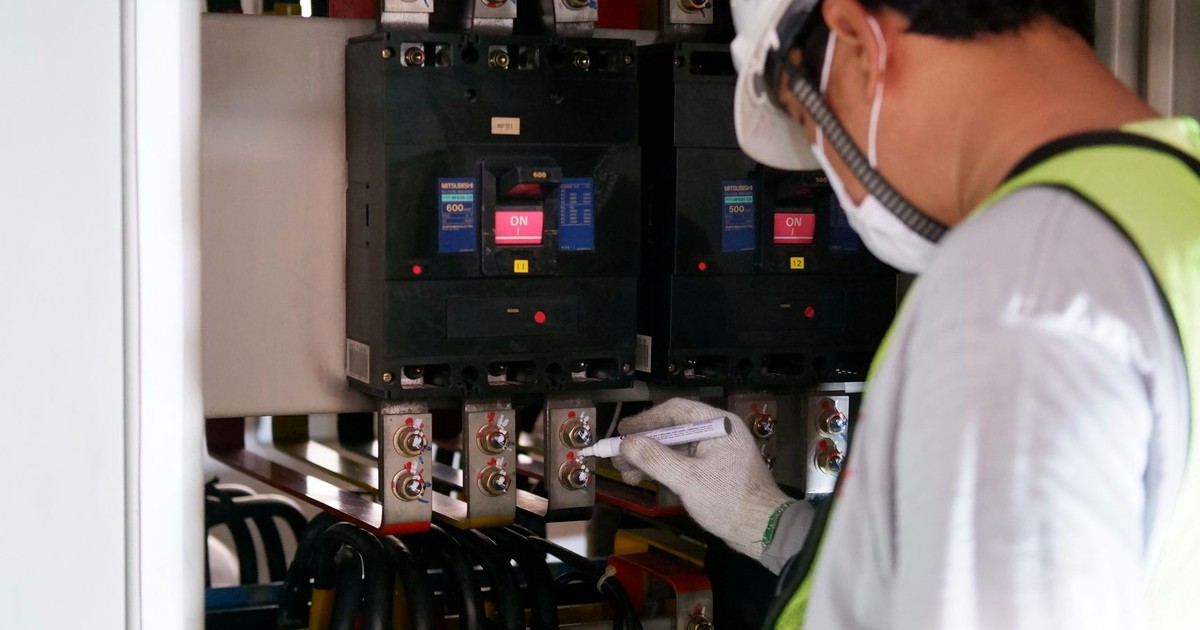
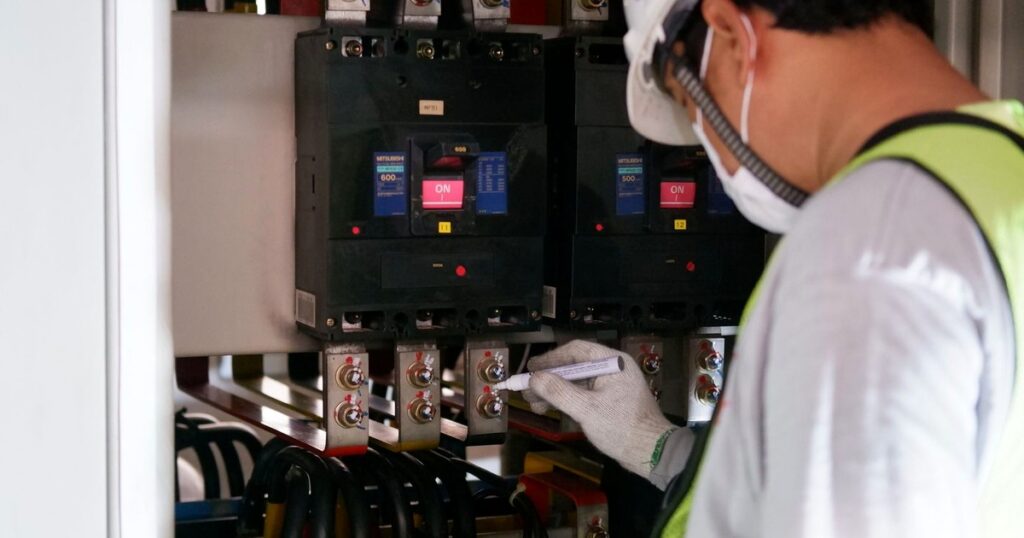
Graduates of B.Tech Electrical Engineering (Distance/Online) programs in India have diverse career opportunities in various sectors, including power generation, transmission, distribution, electronics manufacturing, telecommunications, and automation. The demand for skilled electrical engineers remains consistently high.
Potential Job Roles:
- Electrical Engineer
- Power Systems Engineer
- Control Systems Engineer
- Electronics Engineer
- Design Engineer
- Research and Development Engineer
- Maintenance Engineer
- Project Engineer
- Automation Engineer
Salaries for fresh graduates can range from ₹3,00,000 to ₹6,00,000 per annum, increasing significantly with experience and specialization.
Future Scope and Industry Relevance
The field of Electrical Engineering continues to evolve rapidly, with significant advancements in renewable energy, smart grids, electric vehicles, and IoT. A B.Tech in Electrical Engineering, even through distance learning, equips graduates with the skills to contribute to these cutting-edge technologies and drive innovation.
- Renewable Energy: Design and implementation of solar, wind, and hydro power systems.
- Smart Grids: Development of intelligent power distribution networks.
- Electric Vehicles: Design of EV powertrains, charging infrastructure, and battery management systems.
- Automation & Robotics: Control system design for industrial automation.
- IoT & Embedded Systems: Development of smart devices and interconnected systems.
Explore more on FindMyCollege
Related pages for B.Tech in Electrical Engineering aspirants on findmycollege.com:
Frequently Asked Questions