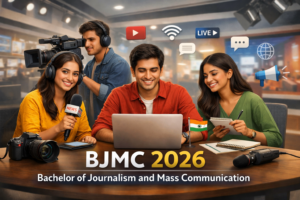

Bachelor of Journalism and Mass Communication (BJMC) 2026 Overview
Nishit Kumar is a senior EdTech industry leader with over a decade of experience in building and scaling education platforms, shaping their product, content, and growth strategy. At…
Latest update: Bachelor of Journalism and Mass Communication 2026 admissions & dates updated. Read more ›
Welcome to the comprehensive overview of the Bachelor of Journalism and Mass Communication (BJMC) program in India for the academic year 2026. This page is designed to provide prospective students and their parents with a deep understanding of the BJMC course, covering everything from eligibility and admission processes to career opportunities and financial considerations. If you’re considering a dynamic career in media, communication, or journalism, this guide will help you make an informed decision.
What is the Bachelor of Journalism and Mass Communication (BJMC) course?
The Bachelor of Journalism and Mass Communication (BJMC) is an undergraduate degree program that provides students with a foundational understanding of various aspects of media, communication, and journalism. It equips students with theoretical knowledge and practical skills essential for a career in print, electronic, and digital media, advertising, public relations, and corporate communication.
The BJMC curriculum typically spans three years, divided into six semesters, and covers a wide array of subjects including reporting, editing, media ethics, communication theories, public relations, advertising, film studies, and digital media production. The program aims to develop critical thinking, analytical abilities, and effective communication skills, preparing graduates for the evolving media landscape.
What is the eligibility for Bachelor of Journalism and Mass Communication in India for 2026?
To be eligible for the Bachelor of Journalism and Mass Communication program in India for 2026, candidates must have successfully completed their 10+2 (or equivalent) examination from a recognized board. While specific percentage requirements vary by institution, most colleges require a minimum aggregate score, typically ranging from 45% to 50%.
There are generally no specific stream restrictions (Science, Commerce, Arts) for BJMC admissions, making it accessible to students from diverse academic backgrounds. Some universities might also consider performance in an entrance examination as part of their eligibility criteria. Age limits, if any, are usually specified by individual institutions, though many do not impose one.
What is the admission process for BJMC in 2026 and what are the key entrance exams?
The admission process for BJMC in 2026 typically involves either direct admission based on 10+2 merit or through a combination of an entrance examination and subsequent counseling/interview rounds. Many reputed universities and colleges conduct their own entrance exams to assess a candidate’s aptitude for media studies.
Key entrance exams for BJMC in India include:
- IPU CET (Indraprastha University Common Entrance Test): For admission to BJMC programs in colleges affiliated with Guru Gobind Singh Indraprastha University, Delhi.
- SET (Symbiosis Entrance Test): For admission to Symbiosis Institute of Media and Communication (SIMC), Pune.
- CUET (Common University Entrance Test): Increasingly adopted by central universities for various undergraduate programs, including BJMC.
- Christ University Entrance Test: For admission to Christ University, Bangalore.
- Manipal Entrance Test (MET): For admission to Manipal Institute of Communication (MIC).
The entrance exams generally test general awareness, current affairs, English language proficiency, logical reasoning, and media aptitude. Following the exam, shortlisted candidates may undergo a personal interview (PI) and/or group discussion (GD) round.
Key BJMC Entrance Exam Dates & Pattern (Tentative 2026)
| Entrance Exam | Application Period (Tentative) | Exam Date (Tentative) | Exam Pattern Highlights |
|---|---|---|---|
| IPU CET | March – April 2026 | May – June 2026 | MCQ-based: English Language & Comprehension, General Awareness, Reasoning, Media Aptitude. |
| SET | January – April 2026 | May 2026 | MCQ-based: General English, Quantitative Aptitude, General Awareness, Analytical & Logical Reasoning. |
| CUET | February – March 2026 | May 2026 | MCQ-based: General Test (General Knowledge, Current Affairs, General Mental Ability, Numerical Ability, Quantitative Reasoning, Logical & Analytical Reasoning) + English Language. |
| Christ University ET | December 2025 – April 2026 | April – May 2026 | MCQ-based: English, General Knowledge, Reasoning, Data Analysis & Interpretation, Media Aptitude. Followed by Micro Presentation & PI. |
How much does a Bachelor of Journalism and Mass Communication cost in India (2026 fees)?
The cost of pursuing a Bachelor of Journalism and Mass Communication in India for 2026 varies significantly based on the type of institution (government vs. private), its reputation, and location. Generally, government colleges and universities offer BJMC programs at a much lower fee structure compared to private institutions.
BJMC Fee Ranges (Annual, Tentative 2026)
| Institution Type | Annual Fee Range (INR) | Key Factors Influencing Cost |
|---|---|---|
| Government/Public Universities | ₹10,000 – ₹50,000 | Subsidized education, state funding, basic facilities. |
| Private Colleges/Universities | ₹70,000 – ₹3,00,000+ | Infrastructure, faculty expertise, industry tie-ups, practical labs, international collaborations. |
These figures typically cover tuition fees and basic amenities. Additional costs may include hostel fees, examination fees, study materials, practical workshop charges, and personal expenses.
People Also Read

What are the specializations offered in BJMC and what subjects will I study?
While BJMC provides a broad foundation, many programs offer opportunities to specialize or focus on specific areas of media and communication, particularly in the later semesters. Common specializations or areas of focus include:
- Print Journalism: Focusing on newspaper, magazine, and online article writing, editing, and layout.
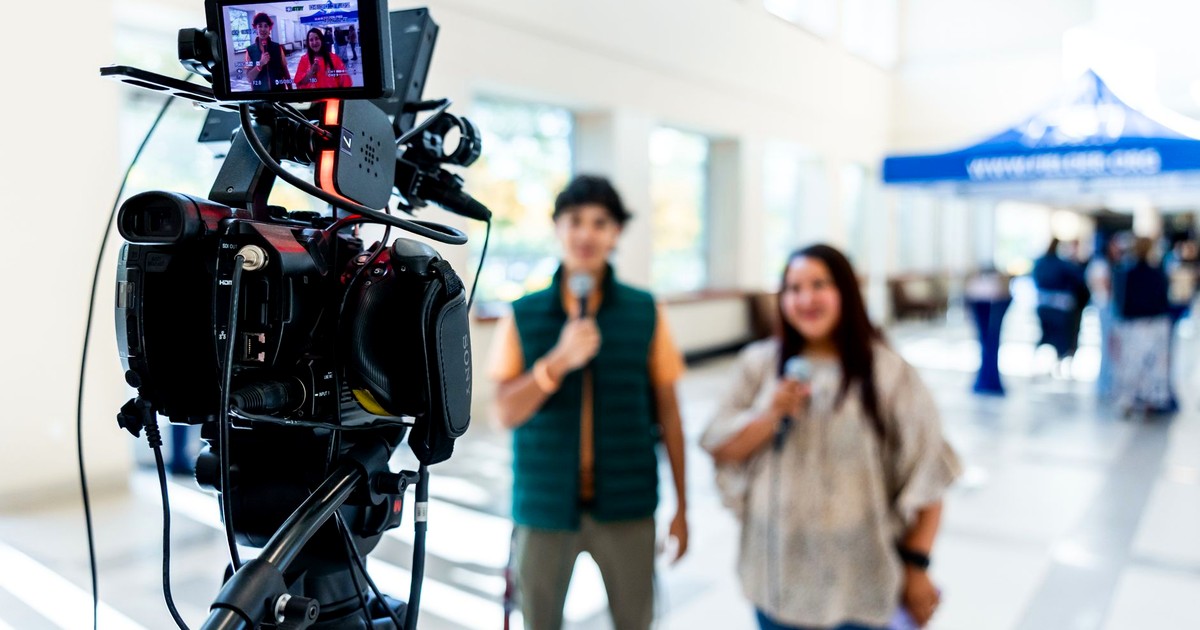
- Broadcast Journalism: Training in television and radio news production, reporting, anchoring, and scriptwriting.
- Digital Media & New Media: Emphasizing content creation for online platforms, social media management, web journalism, and multimedia storytelling.
- Advertising: Covering principles of advertising, campaign planning, creative strategy, and media buying.
- Public Relations (PR): Focusing on corporate communication, crisis management, media relations, and brand building.
- Film & Television Production: Introduction to filmmaking, scriptwriting, direction, and post-production.
Typical BJMC Subject List (Semester-wise, indicative)
| Semester 1 & 2 | Semester 3 & 4 | Semester 5 & 6 |
|---|---|---|
| Introduction to Journalism | Reporting & Editing for Print | Media Laws & Ethics |
| Communication Theories | Broadcast Journalism (TV & Radio) | Advertising & Brand Management |
| History of Media | Public Relations & Corporate Comm. | Digital Media & Web Journalism |
| English Language & Writing Skills | Photography & Videography | Research Methodology in Media |
| Computer Applications for Media | Media Management | Specialized Reporting (e.g., Sports, Business) |
| Basic Graphics & Design | Radio Production | Film Studies & Appreciation |
Many programs also include internships, practical workshops, and project work to provide hands-on experience.
Is Bachelor of Journalism and Mass Communication worth it for jobs in 2026? What are the career prospects and salary expectations?
Yes, a Bachelor of Journalism and Mass Communication can be a highly rewarding degree for jobs in 2026, especially given the rapid expansion of digital media and the increasing demand for skilled communicators. The media industry is dynamic and constantly evolving, creating diverse opportunities for BJMC graduates.
Graduates can find employment in various sectors, including traditional media (newspapers, magazines, TV channels, radio stations), digital media companies, advertising agencies, public relations firms, corporate communication departments, content creation agencies, and even as independent journalists or content creators.
Common Job Roles & Salary Expectations (Annual, Entry-Level, Tentative 2026)
| Job Role | Description | Average Annual Salary Range (INR) |
|---|---|---|
| Reporter/Correspondent | Gathering news, conducting interviews, writing news stories for print/broadcast/digital. | ₹2,00,000 – ₹4,50,000 |
| Content Writer/Editor | Creating and editing written content for websites, blogs, social media, marketing materials. | ₹2,50,000 – ₹5,00,000 |
| Public Relations Executive | Managing public image, media relations, press releases, event management for clients/organizations. | ₹2,80,000 – ₹5,50,000 |
| Social Media Manager | Developing and executing social media strategies, creating content, analyzing performance. | ₹3,00,000 – ₹6,00,000 |
| Advertising Executive | Assisting in campaign planning, client servicing, creative development for advertising. | ₹2,50,000 – ₹5,00,000 |
| Video Editor/Producer (Junior) | Editing video footage, assisting in production for TV, digital platforms, corporate videos. | ₹2,20,000 – ₹4,80,000 |
Salaries can vary significantly based on the employer’s size, location, the candidate’s skills, practical experience (internships), and portfolio. With experience and further specialization (e.g., a Master’s degree), salary potential increases substantially.
BJMC vs. BA in Journalism: What’s the difference and which is better?
While often used interchangeably, BJMC (Bachelor of Journalism and Mass Communication) and BA in Journalism (or BA in Mass Communication) can have subtle differences, primarily in their emphasis and curriculum structure. BJMC is generally considered a more professionally oriented and application-focused degree, while a BA in Journalism might lean more towards theoretical and academic aspects.
- BJMC: Often includes a stronger emphasis on practical skills, hands-on training, media production, and industry-specific tools. It’s designed to directly prepare students for various roles in the media industry.
- BA in Journalism/Mass Communication: May offer a broader liberal arts foundation alongside media studies, potentially delving deeper into communication theories, media history, and cultural studies. Practical components are present but might be less intensive than in a dedicated BJMC program.
Which is better depends on your career goals:
- Choose BJMC if you are keen on immediately entering the media industry with practical skills in reporting, editing, production, advertising, or PR.
- Choose BA in Journalism/Mass Communication if you prefer a more academic approach, wish to explore the theoretical underpinnings of media, or are considering pursuing higher education (Master’s, PhD) in media studies.
It’s crucial to examine the specific curriculum of each program offered by a college, as many institutions now blend elements of both, making the distinction less rigid.
What are the top colleges for BJMC in India for 2026?
Several institutions across India are renowned for their BJMC programs, offering excellent faculty, infrastructure, and industry exposure. While rankings can fluctuate, some consistently highly-rated colleges include:
- Indian Institute of Mass Communication (IIMC), Delhi: Though primarily known for PG diplomas, some affiliated institutions offer UG.
- Symbiosis Institute of Media and Communication (SIMC), Pune: Highly regarded for its comprehensive media programs.
- Christ University, Bangalore: Known for its strong academic rigor and practical exposure.
- Guru Gobind Singh Indraprastha University (GGSIPU), Delhi: Many affiliated colleges offer BJMC, popular in the NCR region.
- Manipal Institute of Communication (MIC), Manipal: Offers a strong curriculum with good industry connections.
- Amity School of Communication, Noida: Part of Amity University, known for its modern infrastructure and diverse specializations.
- Xavier Institute of Communications (XIC), Mumbai: Offers various media courses, including a strong focus on practical training.
- Delhi University (DU) Colleges: Some DU colleges offer BA (Hons) Journalism, which is highly sought after.
When choosing a college, consider factors like faculty experience, infrastructure (labs, studios), industry tie-ups, internship opportunities, placement records, and student reviews.
Frequently Asked Questions
Can I pursue BJMC after completing my 12th in Science or Commerce?
Yes, absolutely. BJMC programs in India are generally open to students from all streams – Science, Commerce, and Arts – provided they meet the minimum aggregate percentage requirement in their 10+2 examination. Your stream in 12th standard does not restrict your eligibility for BJMC.
Are internships mandatory in BJMC?
While not always explicitly mandatory for degree completion in all universities, internships are highly recommended and often integrated into the curriculum of most reputable BJMC programs. They provide invaluable practical experience, industry exposure, and networking opportunities, significantly enhancing employability.
What is the scope of higher education after BJMC?
After completing BJMC, graduates can pursue various postgraduate degrees such as Master of Arts (MA) in Journalism and Mass Communication, Master of Communication and Journalism (MCJ), MBA in Media Management, or specialized PG diplomas in areas like advertising, public relations, film studies, or digital marketing. These advanced degrees can lead to more specialized roles and higher earning potential.
Is BJMC a difficult course?
The difficulty of BJMC depends on an individual’s aptitude and interest. It requires strong communication skills, creativity, critical thinking, and a keen interest in current affairs and media trends. While it involves theoretical learning, a significant portion is practical, requiring hands-on work with media tools and techniques. Students who are passionate about media generally find it engaging and manageable.
What skills are essential for a successful career after BJMC?
Key skills for success after BJMC include excellent written and verbal communication, critical thinking, research skills, digital literacy, adaptability to new technologies, strong ethical judgment, networking abilities, and a solid understanding of current affairs and societal issues. Practical skills in software like Adobe Creative Suite (Photoshop, Premiere Pro) are also highly beneficial.
Can I do BJMC through distance learning or online mode?
Yes, several universities and institutions offer BJMC or equivalent programs through distance learning or online modes. These options provide flexibility for students who cannot attend regular on-campus classes. However, it’s important to check the recognition of the degree and the practical components offered, as hands-on experience is crucial in media studies.
What is the difference between BJMC and BMM (Bachelor of Mass Media)?
BJMC (Bachelor of Journalism and Mass Communication) and BMM (Bachelor of Mass Media) are very similar and often cover overlapping content. BMM is more commonly offered by universities in Maharashtra and tends to have a broader scope, encompassing advertising, PR, and film studies more extensively from the start, alongside journalism. BJMC might have a slightly stronger initial focus on journalism, but both degrees aim to provide a comprehensive understanding of mass communication. The specific curriculum of the college is more important than the degree title.