Bachelor in Media Science (Science Stream) India 2026: Scope & Career
Nishit Kumar is a senior EdTech industry leader with over a decade of experience in building and scaling education platforms, shaping their product, content, and growth strategy. At…
Latest update: Bachelor in Media Science 2026 admissions & dates updated. Read more ›
The Bachelor in Media Science (B.Sc. in Media Science) is an evolving undergraduate program designed for students with a strong aptitude for both scientific inquiry and creative communication. This comprehensive guide details the Bachelor in Media Science Scope & Career prospects in India for 2026, covering everything from eligibility to salary expectations.
What is Bachelor in Media Science (Science Stream)?
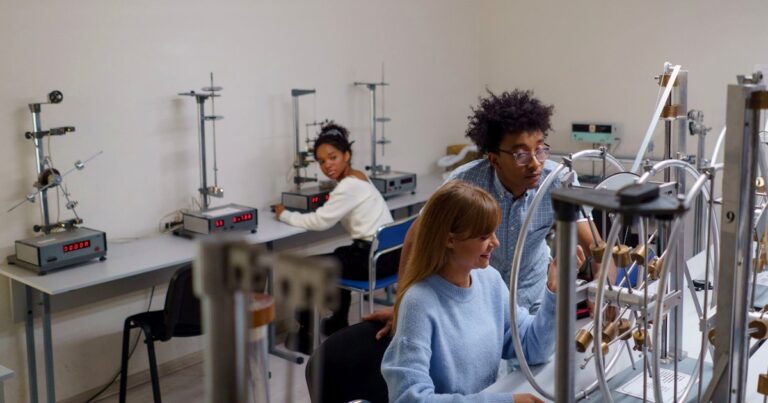
Bachelor in Media Science (Science Stream) is an interdisciplinary undergraduate degree that blends scientific principles and analytical methodologies with the art and practice of media production, communication, and technology. Unlike traditional arts-focused media courses, this program emphasizes the technical, computational, and research-oriented aspects of media, preparing graduates for roles in media technology, data analytics, digital content creation, and scientific communication.
Why Choose Bachelor in Media Science (Science Stream) in 2026?
Choosing a B.Sc. in Media Science in 2026 is highly relevant due to the increasing convergence of technology and media, the demand for data-driven insights in communication, and the rise of new media platforms requiring technical expertise. This program equips students with a unique skill set that bridges the gap between scientific understanding and effective media application, making them highly adaptable to future industry trends.
What is the eligibility for Bachelor in Media Science (Science Stream)?
The primary eligibility criterion for Bachelor in Media Science (Science Stream) is successful completion of 10+2 (or equivalent) with a strong emphasis on Science subjects, typically Physics, Chemistry, and Mathematics (PCM) or Physics, Chemistry, and Biology (PCB), from a recognized board. Many institutions also require a minimum aggregate percentage, often ranging from 50% to 60%, and may conduct entrance examinations.
Specific requirements can vary by institution, but generally include:
- Academic Qualification: 10+2 pass with Science stream (PCM/PCB) from a recognized board.
- Minimum Marks: An aggregate of 50-60% in 10+2, with specific subject requirements (e.g., 50% in Mathematics for certain specializations).
- Entrance Exams: Some top universities conduct their own entrance tests (e.g., CUET, SET, specific university entrance exams) that assess general aptitude, English proficiency, logical reasoning, and sometimes basic science knowledge.
- Age Limit: Generally, there is no upper age limit, but some institutions might have specific criteria.
How much does Bachelor in Media Science (Science Stream) cost in India?
The cost of a Bachelor in Media Science (Science Stream) in India varies significantly based on the type of institution (government vs. private), its reputation, and location. Fees can range from approximately ₹30,000 per year at government colleges to ₹3,000,000 or more for the entire course at top-tier private universities.
Here’s a general breakdown of fee ranges for 2026:
| Institution Type | Annual Fee Range (INR) | Total Course Fee Range (3 Years) (INR) |
|---|---|---|
| Government/Public Universities | ₹30,000 – ₹1,00,000 | ₹90,000 – ₹3,00,000 |
| Private Universities/Colleges | ₹1,50,000 – ₹10,00,000+ | ₹4,50,000 – ₹30,00,000+ |
Additional costs include hostel fees, examination fees, study materials, and project expenses.
What are the specializations in Bachelor in Media Science (Science Stream)?
Bachelor in Media Science (Science Stream) offers several specializations that allow students to focus on specific areas where science and media intersect. These specializations equip graduates with targeted skills for niche roles in the evolving media landscape.
Common specializations include:
- Digital Media Technology: Focuses on the technical aspects of digital content creation, web development, app design, and media software.
- Data Analytics in Media: Emphasizes the collection, analysis, and interpretation of media consumption data, audience behavior, and campaign effectiveness using statistical tools.
- Science Communication: Trains students to effectively communicate complex scientific concepts to general audiences through various media platforms.
- Computational Media: Explores the use of algorithms, artificial intelligence, and machine learning in media production, interactive experiences, and content personalization.
- Broadcast Technology & Engineering: Deals with the technical infrastructure of television, radio, and streaming platforms, including signal processing and transmission.
- Visual Effects (VFX) & Animation Technology: Focuses on the scientific and technical principles behind creating realistic visual effects and animated content.
Is Bachelor in Media Science (Science Stream) worth it for jobs in India?
Yes, Bachelor in Media Science (Science Stream) is increasingly worth it for jobs in India, especially for students interested in the technical, analytical, and innovative aspects of media. The unique blend of scientific rigor and media understanding makes graduates highly sought after in sectors demanding data-driven strategies, technological expertise, and effective communication.
The program’s value lies in preparing students for future-proof roles in:
- Digital Transformation: As industries digitize, the need for professionals who understand both technology and communication grows.
- Data-Driven Decisions: Media companies increasingly rely on data to understand audiences, optimize content, and measure impact.
- Emerging Technologies: Expertise in AI, VR/AR, and computational media is crucial for innovation.
- Specialized Communication: Bridging the gap between scientists/engineers and the public.
What are the career options and salary expectations after Bachelor in Media Science (Science Stream)?
Graduates of Bachelor in Media Science (Science Stream) have diverse career options across various industries, including media and entertainment, IT, marketing, education, and research. The salary expectations are competitive and grow significantly with experience and specialization.
Here are some prominent career roles and their approximate annual salary ranges in India for freshers (0-2 years experience) in 2026:
| Job Role | Description | Average Fresher Salary Range (INR Lakhs/Annum) |
|---|---|---|
| Digital Marketing Analyst | Analyzes campaign performance, audience data, and market trends for digital strategies. | 3.0 – 6.0 |
| Content Strategist (Tech/Science) | Develops content plans for technical or scientific topics across various platforms. | 3.5 – 7.0 |
| Media Data Scientist/Analyst | Extracts insights from media consumption data, audience behavior, and trends. | 4.0 – 8.0 |
| UX/UI Designer (Media Focus) | Designs user-friendly interfaces for media applications, websites, and interactive platforms. | 3.0 – 6.5 |
| Broadcast Technologist | Manages and maintains technical equipment for TV, radio, or streaming broadcasts. | 3.0 – 5.5 |
| VFX Artist/Animator (Technical) | Creates visual effects or animations using specialized software and technical understanding. | 3.0 – 6.0 |
| Technical Writer/Editor | Creates clear and concise documentation for technical products, services, or scientific research. | 2.8 – 5.5 |
| Social Media Manager (Analytics-driven) | Manages social media presence, focusing on data-driven engagement and growth. | 2.5 – 5.0 |
With 3-5 years of experience, these salaries can easily double or triple, especially in specialized roles like Media Data Scientist or Senior Content Strategist.
Bachelor in Media Science vs. B.Sc. in Mass Communication: Which is better?
The choice between Bachelor in Media Science (Science Stream) and B.Sc. in Mass Communication depends entirely on a student’s aptitude and career aspirations. Bachelor in Media Science is better for those with a strong science background and interest in the technical, analytical, and computational aspects of media, while B.Sc. in Mass Communication is better for those focused on traditional media production, journalism, and public relations with a broader, less technical scope.
Here’s a comparison to help differentiate:
| Feature | Bachelor in Media Science (Science Stream) | B.Sc. in Mass Communication |
|---|---|---|
| Primary Focus | Technical, analytical, computational, and scientific aspects of media. | Traditional media production, journalism, advertising, PR, communication theory. |
| Eligibility (10+2) | Science stream (PCM/PCB) often mandatory. | Any stream (Arts, Commerce, Science) usually accepted. |
| Core Subjects | Media Technology, Data Analytics, Programming for Media, Science Communication, VFX Tech. | Journalism, TV Production, Radio Production, Advertising, PR, Media Ethics, Communication Theory. |
| Skill Set Developed | Data analysis, coding, technical problem-solving, scientific communication, digital tools. | Writing, reporting, editing, videography, public speaking, campaign management. |
| Ideal For | Tech-savvy individuals, aspiring data analysts, media technologists, science communicators. | Aspiring journalists, filmmakers, PR professionals, advertisers, content creators. |
| Career Paths | Media Data Scientist, Digital Marketing Analyst, UX/UI Designer, Broadcast Technologist. | Journalist, Reporter, Editor, PR Executive, Advertising Executive, TV Producer. |
What are the top colleges for Bachelor in Media Science (Science Stream) in India?
While Bachelor in Media Science (Science Stream) is a relatively newer and specialized offering, several institutions are emerging as leaders in this domain, often under different names like B.Sc. in Digital Media or B.Sc. in Media Technology. Top colleges typically offer strong industry linkages, modern infrastructure, and a curriculum that integrates science and media effectively.
Some prominent institutions and universities known for strong media or science-integrated programs (or their affiliated colleges) include:
- Symbiosis International University (Pune) – Offers B.Sc. (Media Studies) with a strong technical focus.
- Manipal Academy of Higher Education (Manipal) – Known for its communication and media programs with technical integration.
- Amity University (Noida, various campuses) – Offers B.Sc. in Animation & Visual Graphics, B.Sc. in Media Technology.
- Lovely Professional University (Phagwara) – Offers B.Sc. (Hons.) in Animation & Multimedia.
- University of Calcutta (Kolkata) – Some affiliated colleges offer B.Sc. in Media Science.
- Christ University (Bengaluru) – While primarily B.A. Mass Comm, some courses integrate technology.
It’s crucial to check the specific curriculum of each institution to ensure it aligns with the ‘Science Stream’ focus you are seeking.
Future Scope and Higher Education after Bachelor in Media Science (Science Stream)
The future scope for Bachelor in Media Science (Science Stream) graduates is robust, driven by the continuous evolution of digital media and technology. Graduates can pursue various higher education options to specialize further and enhance their career prospects.
Higher education options include:
- Master of Science (M.Sc.) in Media Technology: Specializing in advanced media software, AI in media, or broadcast engineering.
- Master of Science (M.Sc.) in Data Science/Analytics: Focusing on big data, machine learning, and statistical modeling in media and other sectors.
- Master of Business Administration (MBA) in Media Management: For those aspiring to leadership roles in media organizations, combining technical knowledge with business acumen.
- Master of Arts (M.A.) in Digital Media/Communication: If a student wishes to pivot slightly towards the creative or strategic aspects with a strong technical foundation.
- Postgraduate Diploma (PGD) courses: In specialized areas like VFX, Animation, Web Design, or Digital Marketing.
The interdisciplinary nature of the B.Sc. in Media Science makes graduates highly adaptable, allowing them to pursue diverse postgraduate paths in technology, communication, and management.
Explore more on FindMyCollege
Related pages for Bachelor in Media Science aspirants on findmycollege.com:
Frequently Asked Questions
What subjects are covered in Bachelor in Media Science (Science Stream)?
Subjects typically include Media Technology, Digital Content Creation, Data Analytics for Media, Web Development, Graphic Design, Communication Theories, Media Law & Ethics, Programming for Media, Science Communication, and often electives in areas like VFX, Animation, or AI in Media.
Are there internships available during the Bachelor in Media Science course?
Yes, most reputable Bachelor in Media Science programs strongly emphasize practical experience and include mandatory or optional internships. These can be with media houses, digital marketing agencies, IT companies with media divisions, research institutions, or production studios.
What is the difference between B.Sc. Media Science and B.Tech Media Technology?
B.Sc. Media Science is typically a 3-year undergraduate program focusing on the scientific principles and analytical aspects of media. B.Tech Media Technology is a 4-year engineering degree, more deeply rooted in engineering principles, software development, and hardware aspects of media systems, often requiring a stronger JEE/engineering entrance exam background.
Can I pursue a Bachelor in Media Science if I had Biology instead of Math in 10+2?
Yes, many institutions accept PCB students for Bachelor in Media Science, especially for specializations like Science Communication, Health Communication, or environmental media. However, for specializations heavily reliant on computational aspects (e.g., Data Analytics, Programming for Media), some basic math proficiency might be required or offered as remedial courses.
What kind of projects can I expect in Bachelor in Media Science?
Projects can range from developing a media analytics dashboard, creating a short film with advanced VFX, designing an interactive media application, producing a science documentary, developing a web portal for a specific niche, or conducting research on media consumption patterns.
What are the soft skills important for a career after Bachelor in Media Science?
Crucial soft skills include critical thinking, problem-solving, communication (both written and verbal), teamwork, adaptability, creativity, attention to detail, and a strong understanding of ethical considerations in media and data handling.