Bachelor of Prosthetics and Orthotics (BPO) Distance Learning India 2026
Latest update: Bachelor of Prosthetics and Orthotics 2026 admissions & dates updated. Read more ›
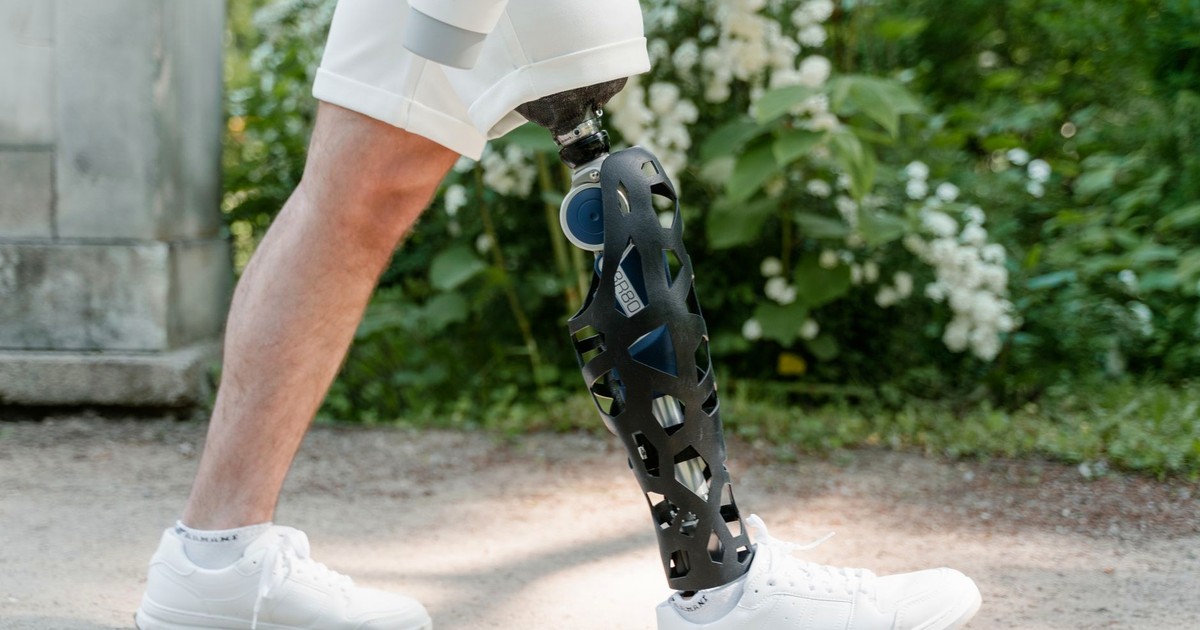
The Bachelor of Prosthetics and Orthotics (BPO) is a specialized undergraduate paramedical course focused on the design, fabrication, and fitting of artificial limbs (prosthetics) and supportive devices (orthotics). While traditionally offered as a full-time, campus-based program due to its practical and hands-on nature, the concept of ‘distance’ or ‘online’ BPO in India for 2026 requires careful clarification.
This comprehensive guide addresses all aspects of pursuing a BPO degree, specifically examining the feasibility and structure of distance learning options.
Is Bachelor of Prosthetics and Orthotics (BPO) available via Distance Learning or Online in India for 2026?
As of 2026, a full-fledged Bachelor of Prosthetics and Orthotics (BPO) degree is generally NOT available through a purely distance learning or online mode in India. The nature of the BPO curriculum, which heavily emphasizes practical training, clinical rotations, hands-on fabrication, and direct patient interaction, makes it unsuitable for a completely online delivery. Regulatory bodies like the Rehabilitation Council of India (RCI) mandate extensive practical components that cannot be replicated remotely.
However, some institutions might offer hybrid models or certificate/diploma courses with online theoretical components, but a full bachelor’s degree requires significant on-campus practical engagement. Students should be wary of programs claiming to offer a complete BPO degree entirely online, as these may not be recognized by relevant professional bodies.
What is the Eligibility Criteria for Bachelor of Prosthetics and Orthotics (BPO)?
To be eligible for a Bachelor of Prosthetics and Orthotics (BPO) program in India, candidates must typically have completed their 10+2 (or equivalent) examination with Physics, Chemistry, and Biology (PCB) as compulsory subjects. Some institutions may also accept Mathematics as an alternative to Biology or as an additional subject.
- Minimum Marks: A minimum aggregate score, usually ranging from 45% to 50% in the qualifying examination, is required.
- Age Limit: Candidates generally need to be at least 17 years old by December 31st of the admission year. There is usually no upper age limit.
- Entrance Exams: Admission is often based on merit in the qualifying examination or through state/national level entrance exams.
How much does Bachelor of Prosthetics and Orthotics (BPO) cost in India?
The cost of a Bachelor of Prosthetics and Orthotics (BPO) program in India varies significantly based on the type of institution (government vs. private) and its location. Since full distance learning BPO is not common, these figures primarily reflect on-campus programs.
Government colleges generally have lower fees due to subsidies, while private institutions charge higher fees to cover operational costs and infrastructure. The fee structure typically includes tuition fees, examination fees, laboratory charges, and other miscellaneous expenses.
BPO Fee Range (Annual)
| Institution Type | Annual Fee Range (INR) |
|---|---|
| Government Colleges | ₹20,000 – ₹80,000 |
| Private Colleges | ₹80,000 – ₹3,00,000+ |
These figures are indicative for 2026 and can vary. Additional costs for hostel, mess, and study materials would be extra.
What is the Syllabus and Course Structure for BPO?
The Bachelor of Prosthetics and Orthotics (BPO) is a 4-year undergraduate program, including a mandatory 6-month to 1-year internship. The syllabus is designed to provide a strong foundation in medical sciences, engineering principles, and clinical practice relevant to prosthetics and orthotics.
Key subjects include Anatomy, Physiology, Biomechanics, Material Science, Prosthetic and Orthotic Technology, Rehabilitation Medicine, and Clinical Practice. The curriculum progressively moves from theoretical knowledge to practical application and patient management.
Typical BPO Syllabus Overview (Semesters 1-4)
| Semester | Core Subjects | Practical/Lab Focus |
|---|---|---|
| Semester 1 | Human Anatomy, Physiology, Basic Engineering, Workshop Technology | Anatomy Dissection, Basic Workshop Skills |
| Semester 2 | Biomechanics, Material Science, Applied Mechanics, Psychology | Material Testing, Basic Fabrication Techniques |
| Semester 3 | Pathology, Pharmacology, Prosthetic Science I, Orthotic Science I | Lower Limb Prosthetics Lab, Spinal Orthotics Lab |
| Semester 4 | Rehabilitation Medicine, Prosthetic Science II, Orthotic Science II, Clinical Practice I | Upper Limb Prosthetics Lab, Lower Limb Orthotics Lab, Patient Assessment |
Subsequent semesters (5-8) delve deeper into advanced prosthetics and orthotics, surgical procedures, research methodology, and extensive clinical rotations/internships.
People Also Read

Which are the Top Colleges for Bachelor of Prosthetics and Orthotics in India?
Several reputable institutions in India offer Bachelor of Prosthetics and Orthotics programs. These colleges are recognized by the Rehabilitation Council of India (RCI) and provide comprehensive practical training. Since distance learning is not the primary mode, these are primarily on-campus institutions.
- All India Institute of Physical Medicine and Rehabilitation (AIIPMR), Mumbai: A premier institute with extensive clinical facilities.
- National Institute for Locomotor Disabilities (NILD), Kolkata: Another leading government institution.
- Indian Institute of Health Education and Research (IIHER), Patna: Offers a well-regarded BPO program.
- Christian Medical College (CMC), Vellore: Known for its strong paramedical and rehabilitation programs.
- SVNIRTAR (Swami Vivekanand National Institute of Rehabilitation Training and Research), Cuttack: A national-level institute dedicated to rehabilitation.
- Various private universities: Many private universities across states like Maharashtra, Karnataka, and Uttar Pradesh also offer RCI-approved BPO courses.
Prospective students should always verify RCI approval before applying to any BPO program.
What are the Career Prospects and Salary after BPO? Is it worth it for jobs?
Yes, a Bachelor of Prosthetics and Orthotics (BPO) is a highly specialized and rewarding career path with excellent job prospects in India and abroad. The demand for qualified prosthetists and orthotists is consistently growing due due to increasing road accidents, congenital deformities, diabetes-related amputations, and an aging population requiring mobility aids.
Graduates can work in various settings, including government and private hospitals, rehabilitation centers, specialized clinics, manufacturing units for prosthetic and orthotic devices, and even start their own practice. There is also scope for higher studies (Master’s, PhD) and research.
Typical Job Roles and Salary Ranges (Annual, Entry to Mid-Level)
| Job Role | Description | Annual Salary Range (INR) |
|---|---|---|
| Prosthetist & Orthotist | Designs, fabricates, fits, and maintains prosthetic limbs and orthotic devices for patients. | ₹3,00,000 – ₹7,00,000 |
| Clinical Specialist | Works in hospitals/clinics, assessing patients, prescribing devices, and providing follow-up care. | ₹3,50,000 – ₹8,00,000 |
| Rehabilitation Therapist | Part of a multidisciplinary team, assisting in patient rehabilitation plans. | ₹2,50,000 – ₹6,00,000 |
| Product Specialist (Manufacturing) | Works with manufacturers, involved in design, development, and quality control of devices. | ₹4,00,000 – ₹9,00,000 |
| Researcher/Academician | Engages in research and teaching in academic institutions (often requires higher degrees). | ₹4,00,000 – ₹10,00,000+ |
Salaries can significantly increase with experience, specialization, and working in metropolitan cities or abroad.
What are the Pros and Cons of Pursuing BPO?
Understanding the advantages and disadvantages can help students make an informed decision about pursuing a Bachelor of Prosthetics and Orthotics.
Pros of BPO
- High Demand: Consistent and growing demand for skilled professionals.
- Rewarding Career: Directly impacts patients’ quality of life, offering immense job satisfaction.
- Specialized Field: Less competition compared to more common medical/paramedical fields.
- Good Earning Potential: Competitive salaries, especially with experience and specialization.
- Entrepreneurship Opportunities: Scope to open private clinics or manufacturing units.
- Interdisciplinary Knowledge: Combines medical science, engineering, and patient care.
Cons of BPO
- Physically Demanding: Involves hands-on work, lifting, and standing for long periods.
- Emotionally Challenging: Working with patients who have experienced trauma or disability can be emotionally taxing.
- Extensive Practical Training: Requires significant time in labs and clinical settings, making pure distance learning unfeasible.
- Continuous Learning: Requires staying updated with new technologies and materials.
- Limited Institutions: Fewer colleges offer BPO compared to other paramedical courses.
Explore more on FindMyCollege
Related pages for Bachelor of Prosthetics and Orthotics aspirants on findmycollege.com:
Frequently Asked Questions
Is BPO recognized by the Rehabilitation Council of India (RCI)?
Yes, all legitimate Bachelor of Prosthetics and Orthotics (BPO) programs in India must be recognized and approved by the Rehabilitation Council of India (RCI). RCI registration is mandatory for practicing as a qualified prosthetist and orthotist in India.
Can I pursue BPO after 10th standard?
No, the Bachelor of Prosthetics and Orthotics (BPO) is an undergraduate degree program that requires completion of 10+2 (or equivalent) with Physics, Chemistry, and Biology (or sometimes Math) as core subjects. There are no direct BPO admissions after the 10th standard.
Are there any diploma courses in Prosthetics and Orthotics?
Yes, some institutions offer Diploma in Prosthetics and Orthotics (DPO) programs, which are typically shorter (2-3 years) and focus more on technical skills. These may have different eligibility criteria and career scopes compared to the full bachelor’s degree.
What is the difference between Prosthetics and Orthotics?
Prosthetics deals with the design, fabrication, and fitting of artificial limbs (prostheses) to replace missing body parts (e.g., artificial legs, arms). Orthotics deals with the design, fabrication, and fitting of supportive devices (orthoses) to support, align, prevent, or correct deformities, or improve the function of existing body parts (e.g., braces for spine, ankle-foot orthoses).
Can I get a government job after BPO?
Yes, BPO graduates are eligible for government jobs in various capacities, including positions in government hospitals, rehabilitation centers, and institutes under the Ministry of Health & Family Welfare or Ministry of Social Justice & Empowerment. These positions are often secured through competitive examinations.
What are the higher study options after BPO?
After completing BPO, graduates can pursue higher education such as a Master of Prosthetics and Orthotics (MPO), Master of Science (M.Sc.) in Rehabilitation Sciences, or even a Ph.D. These advanced degrees can lead to roles in academia, research, or specialized clinical practice.
Is an internship mandatory for BPO?
Yes, a mandatory internship (typically 6 months to 1 year) is an integral part of the Bachelor of Prosthetics and Orthotics curriculum. This hands-on clinical training is crucial for developing practical skills and gaining real-world experience in patient care and device fabrication.