B.Sc in Allied Health Sciences India 2026: Comprehensive Overview
Nishit Kumar is a senior EdTech industry leader with over a decade of experience in building and scaling education platforms, shaping their product, content, and growth strategy. At…
Latest update: B.Sc in Allied Health Sciences 2026 admissions & dates updated. Read more ›
Welcome to the comprehensive overview of the B.Sc in Allied Health Sciences program in India for the academic year 2026. This page is designed for prospective students and their parents, offering a detailed look into this vital and rapidly growing field within healthcare. Allied Health Sciences encompass a broad range of diagnostic, technical, and therapeutic professions that are crucial for the effective functioning of modern healthcare systems.
What is B.Sc in Allied Health Sciences?
A B.Sc in Allied Health Sciences is an undergraduate degree program that prepares students for a diverse array of non-physician healthcare roles. These professionals work collaboratively with doctors, nurses, and other healthcare providers to diagnose, evaluate, and treat diseases, as well as to prevent illness and promote health.
The program focuses on equipping students with specialized knowledge and practical skills in various medical disciplines, moving beyond traditional medical and nursing roles. Graduates play a critical role in patient care, often specializing in areas such as medical laboratory technology, radiography, optometry, physiotherapy, occupational therapy, and many more.
What is the eligibility for B.Sc in Allied Health Sciences in 2026?
To be eligible for a B.Sc in Allied Health Sciences in 2026, candidates must typically have completed their 10+2 (or equivalent) examination with a science stream, specifically with Physics, Chemistry, and Biology (PCB) as core subjects. A minimum aggregate percentage, usually ranging from 45% to 60%, is generally required, though this varies by institution.
Some institutions may also consider candidates with Physics, Chemistry, and Mathematics (PCM) for specific specializations like Medical Imaging Technology, but PCB is the most common and widely accepted combination. Age limits, if any, are usually specified by individual colleges or entrance exam bodies. For instance, some state-level entrance exams might have a lower age limit of 17 years as of December 31st of the admission year.
What are the key specializations available in B.Sc Allied Health Sciences?
The B.Sc in Allied Health Sciences offers a wide array of specializations, allowing students to focus on specific areas of healthcare. These specializations are designed to meet the diverse needs of the healthcare industry.
- B.Sc Medical Laboratory Technology (MLT): Focuses on diagnosing diseases by analyzing body fluids, tissues, and other biological samples.
- B.Sc Radiography/Medical Imaging Technology (MIT): Involves operating imaging equipment like X-ray, CT, MRI, and ultrasound to create diagnostic images.
- B.Sc Optometry: Deals with eye care, including vision testing, prescribing corrective lenses, and detecting eye diseases.
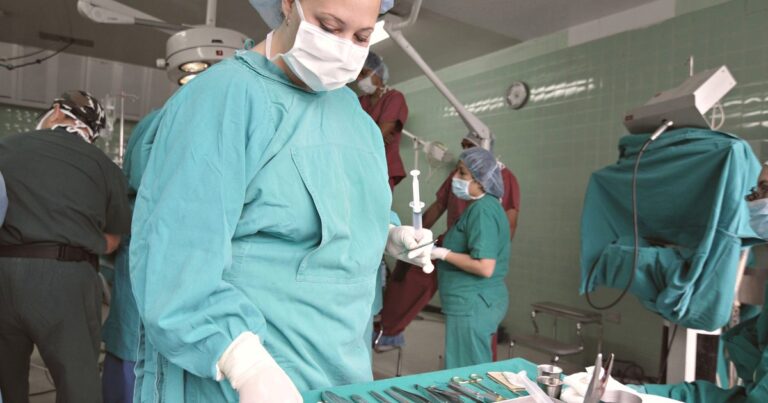
- B.Sc Operation Theatre Technology (OTT): Trains students to assist surgeons and anaesthetists in the operating room, managing equipment and maintaining sterility.
- B.Sc Renal Dialysis Technology (RDT): Specializes in operating dialysis machines and assisting patients with kidney failure.
- B.Sc Perfusion Technology: Focuses on operating heart-lung machines during cardiac surgeries.
- B.Sc Anesthesia Technology: Assists anaesthesiologists in administering anesthesia and monitoring patients during surgery.
- B.Sc Respiratory Therapy: Treats patients with cardiopulmonary disorders, managing breathing equipment and therapies.
- B.Sc Cardiac Technology: Specializes in assisting cardiologists with diagnostic and interventional cardiac procedures.
How much does B.Sc in Allied Health Sciences cost in India (2026)?
The cost of pursuing a B.Sc in Allied Health Sciences in India for 2026 varies significantly between government and private institutions. Government colleges generally offer much lower fees due to subsidies, while private colleges have higher fees reflecting their infrastructure and facilities.

| Institution Type | Annual Fee Range (INR) | Total Course Fee Range (approx. 3 years) |
|---|---|---|
| Government Colleges/Universities | ₹15,000 – ₹70,000 | ₹45,000 – ₹2,10,000 |
| Private Colleges/Universities | ₹80,000 – ₹3,50,000 | ₹2,40,000 – ₹10,50,000 |
These figures are indicative and can vary based on the specific specialization chosen, the college’s reputation, location, and additional charges like examination fees, hostel fees, and laboratory charges. Scholarships are often available for meritorious students or those from economically weaker sections.
What is the admission process for B.Sc Allied Health Sciences in 2026?
The admission process for B.Sc Allied Health Sciences in 2026 typically involves either direct admission based on 10+2 merit or through state/national level entrance examinations. The specific process depends on the institution.
- Entrance Examinations: Many reputable universities and state medical faculties conduct their own entrance exams. These usually test knowledge in Physics, Chemistry, and Biology from the 10+2 syllabus. Examples include NEET (for some medical colleges offering AHS), various state CETs (Common Entrance Tests), and university-specific exams.
- Application: Candidates need to fill out online application forms, usually available from March to June for the academic year starting in July/August.
- Admit Card: Issued for entrance exam candidates, typically 1-2 weeks before the exam date.
- Entrance Exam: Conducted usually between May and July.
- Results & Merit List: Declared a few weeks after the exam.
- Counseling/Interview: Shortlisted candidates are called for counseling based on their merit rank. This may involve document verification and choice filling for specializations/colleges. Some private institutions might conduct a personal interview.
- Admission & Fee Payment: Final admission is granted upon successful document verification and payment of the first installment of fees.
It is crucial to check the specific admission brochure of your target colleges for exact dates and procedures for 2026.
Is B.Sc in Allied Health Sciences worth it for jobs and career prospects?
Yes, a B.Sc in Allied Health Sciences is highly worth it for jobs and offers excellent career prospects due to the increasing demand for skilled healthcare professionals. The allied health sector is one of the fastest-growing segments globally, driven by an aging population, rising chronic diseases, and advancements in medical technology.
Graduates find employment in hospitals, diagnostic centers, specialized clinics, public health agencies, research institutions, and even in academic settings. The roles are diverse, critical, and offer significant job satisfaction. Furthermore, there are ample opportunities for further education (M.Sc, PhD) and specialization, leading to advanced roles and better salaries.
Career Opportunities and Salary Ranges (Indicative, 2026)
Salaries for Allied Health professionals vary based on specialization, experience, location, and the type of employer (government vs. private, small clinic vs. large corporate hospital). Entry-level salaries are generally competitive and grow significantly with experience.
| Specialization/Role | Entry-Level Annual Salary (INR) | Mid-Career Annual Salary (INR) |
|---|---|---|
| Medical Laboratory Technologist | ₹2,00,000 – ₹4,00,000 | ₹4,00,000 – ₹8,00,000+ |
| Radiographer/Imaging Technologist | ₹2,50,000 – ₹4,50,000 | ₹4,50,000 – ₹9,00,000+ |
| Optometrist | ₹2,50,000 – ₹5,00,000 | ₹5,00,000 – ₹10,00,000+ |
| Operation Theatre Technologist | ₹2,00,000 – ₹3,50,000 | ₹3,50,000 – ₹7,00,000+ |
| Renal Dialysis Technologist | ₹2,20,000 – ₹4,00,000 | ₹4,00,000 – ₹8,00,000+ |
| Perfusion Technologist | ₹3,00,000 – ₹6,00,000 | ₹6,00,000 – ₹12,00,000+ |
How does B.Sc Allied Health Sciences compare to MBBS or B.Sc Nursing?
B.Sc Allied Health Sciences differs significantly from MBBS and B.Sc Nursing in terms of scope, duration, and career path, offering a distinct and equally vital role in healthcare.
- MBBS (Bachelor of Medicine, Bachelor of Surgery): This is a 5.5-year undergraduate medical degree that qualifies individuals to become doctors (physicians). It involves extensive clinical training and allows for independent diagnosis, treatment, and surgery. Allied Health professionals work under the supervision or in collaboration with doctors.
- B.Sc Nursing: This is a 4-year undergraduate degree focused on direct patient care, administering medication, monitoring vital signs, and providing emotional support. Nurses are frontline caregivers. Allied Health professionals often specialize in diagnostic, technical, or therapeutic support roles that complement nursing care.
Allied Health Sciences offer a quicker entry into specialized healthcare roles (typically 3-4 years) with a strong focus on technical and diagnostic skills, often requiring less extensive patient interaction than nursing but more specialized technical expertise than general medical practice.
What are the top colleges for B.Sc in Allied Health Sciences in India?
Several institutions across India are renowned for their B.Sc in Allied Health Sciences programs, offering excellent infrastructure, faculty, and clinical exposure. While rankings can fluctuate, some consistently top choices include:
- All India Institute of Medical Sciences (AIIMS), Delhi (and other AIIMS branches)
- Postgraduate Institute of Medical Education and Research (PGIMER), Chandigarh
- Christian Medical College (CMC), Vellore
- Manipal Academy of Higher Education (MAHE), Manipal
- SRM Institute of Science and Technology, Chennai
- KGMU (King George’s Medical University), Lucknow
- JIPMER (Jawaharlal Institute of Postgraduate Medical Education and Research), Puducherry
- Armed Forces Medical College (AFMC), Pune (for specific courses)
- Various state government medical colleges and universities
When choosing a college, consider factors like accreditation, clinical tie-ups, faculty expertise, infrastructure, placement records, and alumni network.
Frequently Asked Questions
What is the duration of the B.Sc Allied Health Sciences course?
The B.Sc in Allied Health Sciences is typically a 3-year undergraduate program. However, some specializations, particularly those with a mandatory internship component, might extend to 3.5 or 4 years in total.
Are there any entrance exams for B.Sc Allied Health Sciences?
Yes, many prominent universities and state medical faculties conduct their own entrance examinations for admission to B.Sc Allied Health Sciences programs. These exams usually test Physics, Chemistry, and Biology knowledge from the 10+2 syllabus. Some institutions also accept NEET scores for certain allied health courses.
Can I pursue higher studies after B.Sc Allied Health Sciences?
Absolutely. After completing a B.Sc in Allied Health Sciences, you can pursue various postgraduate programs such as M.Sc in your specialized field (e.g., M.Sc MLT, M.Sc Radiography), MBA in Hospital Administration, or even Ph.D programs for research and academic careers.
What is the scope of B.Sc Allied Health Sciences abroad?
The scope for B.Sc Allied Health Sciences graduates abroad is excellent. Many countries, particularly in North America, Europe, and the Middle East, have a high demand for skilled allied health professionals. Graduates may need to clear licensing exams or fulfill specific registration requirements in the destination country.
Is a B.Sc Allied Health Sciences degree recognized globally?
Yes, degrees from reputable Indian institutions are generally recognized globally. However, specific recognition and licensing requirements vary by country and even by state/province within a country. It’s advisable to research the regulatory bodies of your target country for precise information.
What subjects are covered in B.Sc Allied Health Sciences?
While core subjects like Anatomy, Physiology, Pathology, Microbiology, and Biochemistry are common across most specializations, each specialization will have its unique set of subjects. For instance, MLT will focus on Hematology and Clinical Pathology, while Radiography will cover Radiation Physics and Imaging Techniques.
Can I get a government job after B.Sc Allied Health Sciences?
Yes, there are numerous government job opportunities for B.Sc Allied Health Sciences graduates. These include positions in government hospitals, primary health centers, medical colleges, public health programs, and various research institutions. Government jobs often offer good job security and benefits.
What is the difference between paramedical and allied health sciences?
While often used interchangeably, ‘paramedical’ traditionally referred to professionals who assist doctors in emergency situations (e.g., paramedics). ‘Allied Health Sciences’ is a broader and more modern term encompassing a wider range of diagnostic, technical, and therapeutic healthcare professions that support the medical team in various capacities, not just emergencies. Many paramedical courses are now categorized under Allied Health Sciences.