B.Sc in Biochemistry Admission 2026: Your Complete Guide
Nishit Kumar is a senior EdTech industry leader with over a decade of experience in building and scaling education platforms, shaping their product, content, and growth strategy. At…
Latest update: B.Sc in Biochemistry 2026 admissions & dates updated. Read more ›
Welcome to the comprehensive guide for B.Sc in Biochemistry Admission 2026 in India. This page is designed to answer all your questions, from eligibility criteria and application processes to career prospects and fee structures, ensuring you have all the information needed to make an informed decision about pursuing this dynamic science stream.
What is B.Sc in Biochemistry?
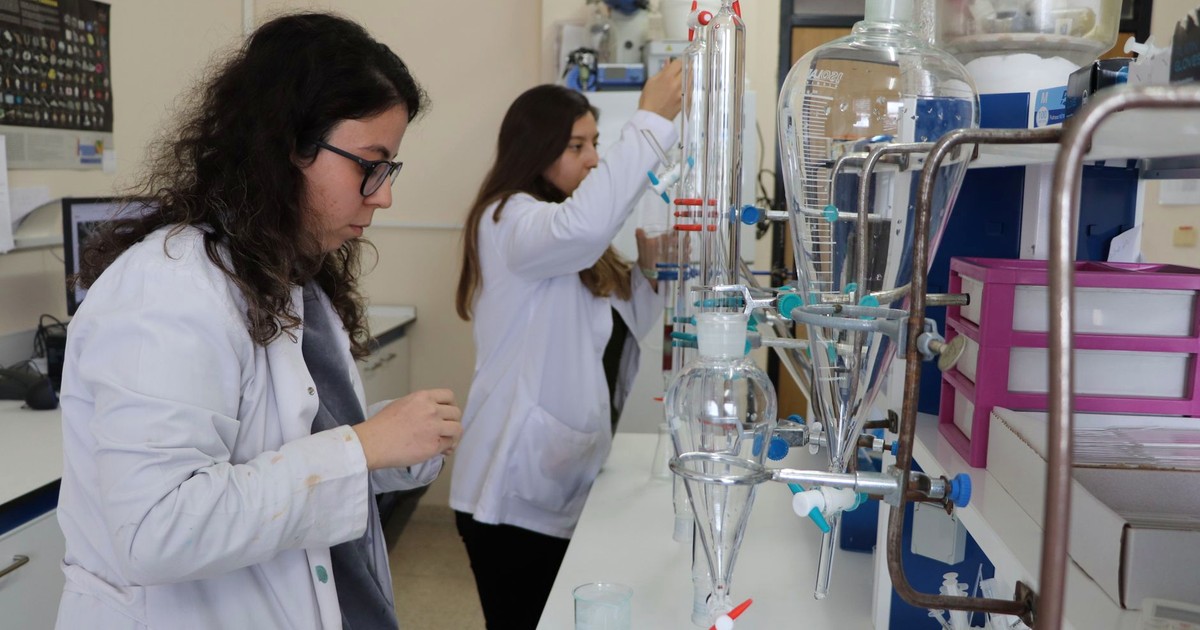
B.Sc in Biochemistry is an undergraduate science program that focuses on the chemical processes within living organisms. It combines biology and chemistry to explore molecular mechanisms, cellular functions, and the chemical basis of life, preparing students for diverse roles in research, healthcare, and industry.
What is the eligibility for B.Sc in Biochemistry Admission 2026?
To be eligible for B.Sc in Biochemistry Admission 2026, candidates must have successfully completed their 10+2 (or equivalent) examination with Physics, Chemistry, and Biology (PCB) or Physics, Chemistry, Mathematics, and Biology (PCMB) as core subjects from a recognized board. Most colleges require a minimum aggregate score, typically ranging from 45% to 60% in the qualifying examination.
- Academic Qualification: 10+2 or equivalent from a recognized board.
- Required Subjects: Physics, Chemistry, and Biology are mandatory. Some institutions may also accept candidates with PCMB.
- Minimum Marks: Generally 45-60% aggregate in 10+2, varying by institution.
- Age Limit: While most colleges do not have an upper age limit, some may specify a minimum age (e.g., 17 years as of December 31, 2026).
How do I apply for B.Sc in Biochemistry Admission 2026? (Application Process)
The application process for B.Sc in Biochemistry Admission 2026 typically involves several steps: researching colleges, checking eligibility, filling out online application forms, submitting required documents, and paying the application fee. Most admissions are based on merit (10+2 scores), while some top universities may conduct entrance examinations.
Step-by-Step Application Process:
- Research Colleges: Identify colleges offering B.Sc Biochemistry and check their specific admission criteria, application deadlines, and entrance exam requirements (if any).
- Check Eligibility: Ensure you meet the minimum academic qualifications and subject requirements.
- Online Application: Visit the official website of your chosen colleges and fill out the online application form accurately.
- Upload Documents: Scan and upload necessary documents such as mark sheets (10th, 12th), transfer certificate, migration certificate, passport-sized photographs, and signature.
- Pay Application Fee: Complete the application by paying the non-refundable application fee online.
- Admit Card (if applicable): For entrance exams, download your admit card once released.
- Entrance Exam (if applicable): Appear for the university/college-specific entrance examination.
- Merit List/Counselling: Colleges will release merit lists based on 10+2 scores or entrance exam results. Shortlisted candidates will be called for counselling or document verification.
- Admission Confirmation: Pay the admission fee to confirm your seat.
What are the key dates for B.Sc in Biochemistry Admission 2026?
Key dates for B.Sc in Biochemistry Admission 2026 vary significantly between universities and states. However, general timelines for application periods, entrance exams, and merit list announcements can be anticipated as follows:
| Event | Tentative Timeline (2026) | Notes |
|---|---|---|
| Application Start Date | April – May 2026 | Varies by college/university; some may start earlier. |
| Application End Date | May – June 2026 | Strict deadlines; apply well in advance. |
| Entrance Exam Dates (if applicable) | June – July 2026 | For universities conducting their own tests (e.g., DUET, BHU UET). |
| Merit List/Result Announcement | July – August 2026 | Based on 10+2 scores or entrance exam results. |
| Counselling/Document Verification | August 2026 | Multiple rounds may occur. |
| Classes Commence | August – September 2026 | Start of the academic year. |
Note: These dates are indicative and subject to change. Always refer to the official college websites for the most accurate and up-to-date information.
How much does B.Sc in Biochemistry cost in India? (Fee Structure)
The cost of pursuing a B.Sc in Biochemistry in India varies widely depending on the type of institution (government vs. private), its reputation, and location. Generally, government colleges offer significantly lower fees compared to private institutions.
| Type of Institution | Annual Fee Range (INR) | Total Course Fee (3 Years) (INR) |
|---|---|---|
| Government Colleges/Universities | ₹5,000 – ₹50,000 | ₹15,000 – ₹1,50,000 |
| Private Colleges/Universities | ₹50,000 – ₹2,50,000+ | ₹1,50,000 – ₹7,50,000+ |
These figures typically cover tuition fees, laboratory charges, and library fees. Additional costs may include hostel fees, mess charges, examination fees, and personal expenses.
Which are the top colleges for B.Sc in Biochemistry in India?
Several esteemed institutions across India offer excellent B.Sc in Biochemistry programs, known for their strong faculty, research facilities, and academic rigor. Some of the top colleges include:
- University of Delhi (various colleges like Hindu College, Miranda House, Hansraj College)
- Banaras Hindu University (BHU), Varanasi
- University of Hyderabad, Hyderabad
- Aligarh Muslim University (AMU), Aligarh
- Jawaharlal Nehru University (JNU), Delhi (offers M.Sc in Life Sciences with specialization, direct B.Sc not common)
- Presidency University, Kolkata
- St. Xavier’s College, Mumbai
- Christ University, Bangalore
- Loyola College, Chennai
- Madras Christian College (MCC), Chennai
When choosing a college, consider factors like faculty expertise, research opportunities, infrastructure, placement records, and accreditation.
Is B.Sc in Biochemistry worth it for jobs? (Career Prospects & Salary)
Yes, a B.Sc in Biochemistry is a highly valuable degree that opens doors to a wide array of career opportunities in diverse sectors, including healthcare, pharmaceuticals, biotechnology, food science, and research. The demand for skilled biochemists is consistently growing, especially with advancements in molecular biology and genetic engineering.
Career Paths After B.Sc in Biochemistry:
- Research Assistant/Associate: Work in academic institutions, government labs, or private R&D firms.
- Lab Technician/Analyst: Perform tests and analyses in clinical labs, forensic labs, or quality control departments.
- Biotechnologist: Develop new products and processes in areas like genetic engineering, drug discovery, and agriculture.
- Pharmaceutical Sales/Marketing: Promote and sell pharmaceutical products.
- Food Scientist/Technologist: Work in food processing, quality control, and product development.
- Medical Coder/Transcriptionist: Apply scientific knowledge in healthcare administration.
- Further Studies: Pursue M.Sc, Ph.D., MBA, or even competitive exams like UPSC, State PSCs.
Average Salary Ranges for B.Sc Biochemistry Graduates (Entry-Level):
| Job Role | Average Annual Salary (INR) | Key Sectors |
|---|---|---|
| Lab Technician/Analyst | ₹2.0 – ₹4.0 Lakhs | Healthcare, Pharma, Food, Research |
| Research Assistant | ₹2.5 – ₹4.5 Lakhs | Academia, Biotech, Pharma R&D |
| Biotechnologist (Entry) | ₹2.5 – ₹5.0 Lakhs | Biotech, Pharma, Agriculture |
| Medical Coder | ₹2.0 – ₹3.5 Lakhs | Healthcare IT, Hospitals |
| Quality Control Executive | ₹2.5 – ₹4.0 Lakhs | Pharma, Food, Chemical Industries |
Salaries can significantly increase with experience, higher education (M.Sc, Ph.D.), and specialization.
B.Sc in Biochemistry vs. B.Sc in Microbiology vs. B.Sc in Biotechnology: Which is better?
Choosing between B.Sc in Biochemistry, Microbiology, and Biotechnology depends on your specific interests and career aspirations. All three are interdisciplinary science streams, but they focus on different aspects of biological sciences.
| Feature | B.Sc in Biochemistry | B.Sc in Microbiology | B.Sc in Biotechnology |
|---|---|---|---|
| Primary Focus | Chemical processes and molecular mechanisms within living organisms. | Study of microorganisms (bacteria, viruses, fungi) and their impact. | Application of biological principles and organisms to create products/processes. |
| Core Subjects | Organic Chemistry, Physical Chemistry, Molecular Biology, Genetics, Metabolism, Enzymology. | Bacteriology, Virology, Immunology, Mycology, Microbial Genetics, Industrial Microbiology. | Genetic Engineering, Immunology, Cell Biology, Bioprocess Technology, Bioinformatics. |
| Key Skills Developed | Analytical thinking, lab techniques (spectroscopy, chromatography), understanding of metabolic pathways. | Microbial culture, identification, staining techniques, disease diagnosis, public health. | Recombinant DNA tech, cell culture, fermentation, bioinformatics tools, product development. |
| Ideal For Students Who… | Love chemistry and want to understand life at a molecular level. | Are fascinated by microscopic life and its role in health, disease, and environment. | Are interested in applying science to solve real-world problems and develop new technologies. |
| Career Paths | Research, Pharma, Healthcare, Food Science, Diagnostics. | Clinical labs, Food & Dairy, Pharma, Environmental, Public Health. | Biotech R&D, Pharma, Agriculture, Food Processing, Bioinformatics. |
Biochemistry provides a foundational understanding of life’s chemical basis. Microbiology specializes in the world of microbes. Biotechnology is more application-oriented, leveraging biological systems for practical uses. Your choice should align with your passion for a particular aspect of life sciences.
What is the syllabus for B.Sc in Biochemistry?
The B.Sc in Biochemistry syllabus is designed to provide a strong foundation in chemistry, biology, and their intersection. It typically covers core concepts in organic and inorganic chemistry, cell biology, genetics, molecular biology, metabolism, and analytical techniques. The curriculum often includes practical laboratory sessions to complement theoretical learning.
Typical B.Sc Biochemistry Syllabus (Semester-wise Overview):
- Semester 1: Inorganic Chemistry, Organic Chemistry, Cell Biology, Biophysical Chemistry, Lab Practicals.
- Semester 2: Physical Chemistry, Analytical Techniques, Principles of Genetics, Microbiology, Lab Practicals.
- Semester 3: Enzymology, Metabolism I (Carbohydrates & Lipids), Molecular Biology I, Immunology, Lab Practicals.
- Semester 4: Metabolism II (Proteins & Nucleic Acids), Gene Expression, Clinical Biochemistry, Plant Biochemistry, Lab Practicals.
- Semester 5: Genetic Engineering, Bioinformatics, Nutritional Biochemistry, Environmental Biochemistry, Elective I, Lab Practicals.
- Semester 6: Industrial Biochemistry, Pharmacology, Research Methodology, Elective II, Project Work/Dissertation, Lab Practicals.
Specific subjects and their distribution may vary slightly across different universities.
Explore more on FindMyCollege
Related pages for B.Sc in Biochemistry aspirants on findmycollege.com:
Frequently Asked Questions
Is an entrance exam required for B.Sc in Biochemistry Admission 2026?
While many colleges admit students based on 10+2 merit, some central universities and top private institutions may conduct their own entrance exams (e.g., CUET for central universities, or university-specific tests) for B.Sc in Biochemistry Admission 2026. Always check the specific requirements of your target colleges.
Can I pursue an M.Sc after B.Sc in Biochemistry?
Yes, a B.Sc in Biochemistry is an excellent foundation for pursuing an M.Sc in Biochemistry, Biotechnology, Microbiology, Molecular Biology, Genetics, or even related fields like Food Science or Clinical Research. An M.Sc significantly enhances career prospects and opens doors to research and academic roles.
What are the job prospects abroad after B.Sc in Biochemistry?
Job prospects abroad for B.Sc Biochemistry graduates are promising, especially in countries with strong biotech and pharmaceutical industries like the USA, Canada, UK, Germany, and Australia. However, a master’s degree (M.Sc or Ph.D.) is often preferred for higher-level research and specialized roles internationally.
Are there any scholarships available for B.Sc Biochemistry students?
Yes, various scholarships are available for B.Sc Biochemistry students, including merit-based scholarships offered by colleges, government scholarships (e.g., National Scholarship Portal, state-specific schemes), and private organization scholarships. Eligibility criteria vary, often based on academic performance and financial need.
What is the difference between Biochemistry and Medical Biochemistry?
Biochemistry is a broad field studying chemical processes in living organisms. Medical Biochemistry is a specialized branch that focuses specifically on the biochemical processes relevant to human health and disease, including diagnostics, pathology, and drug action. While B.Sc Biochemistry covers fundamentals, Medical Biochemistry is often a specialization at the M.Sc or Ph.D. level, or integrated into medical courses.
Can I get into medicine (MBBS) after B.Sc in Biochemistry?
Direct entry into MBBS after B.Sc Biochemistry is not standard in India. To pursue MBBS, you typically need to qualify NEET-UG after 10+2 with PCB. However, a B.Sc in Biochemistry can be a strong foundation for related fields like paramedical courses, or for pursuing an M.Sc and then potentially a Ph.D. in medical research, or even preparing for competitive exams like NEET-PG after an MBBS degree.
What soft skills are important for a biochemist?
Beyond scientific knowledge, important soft skills for a biochemist include critical thinking, problem-solving, attention to detail, strong analytical skills, effective written and oral communication, teamwork, and ethical conduct in research. These skills are crucial for success in laboratory and research environments.