B.Sc Biotechnology Distance / Online in India 2026: Is It Possible, Colleges, Fees & Eligibility
Latest update: B.Sc in Biotechnology 2026 admissions & dates are being updated. Read more ›
B.Sc Biotechnology in distance or online mode is only partly possible in India, because biotechnology is a laboratory-intensive science. Under UGC (Open and Distance Learning & Online) rules, a fully online B.Sc Biotechnology degree is not permitted; the subject can be pursued in distance (ODL) mode only when the compulsory practicals are completed face-to-face at a study or learning centre.
This page explains what is and is not allowed in 2026, which universities offer the distance route, indicative fees, eligibility and career scope, so you can decide whether the distance path fits you or whether a regular programme is better.
Can You Do B.Sc Biotechnology Through Distance or Online Mode?
Short answer: You can pursue B.Sc Biotechnology in distance (ODL) mode with in-person labs, but a 100% online B.Sc Biotechnology is not UGC-approved. The University Grants Commission classifies biotechnology among practical/lab-intensive subjects, and its regulations state that such programmes cannot be delivered entirely online or in pure distance mode unless some components are physical and face-to-face.
In practice, this means:
- Theory papers (microbiology, genetics, molecular biology, biochemistry) can be studied through self-learning material and online classes.
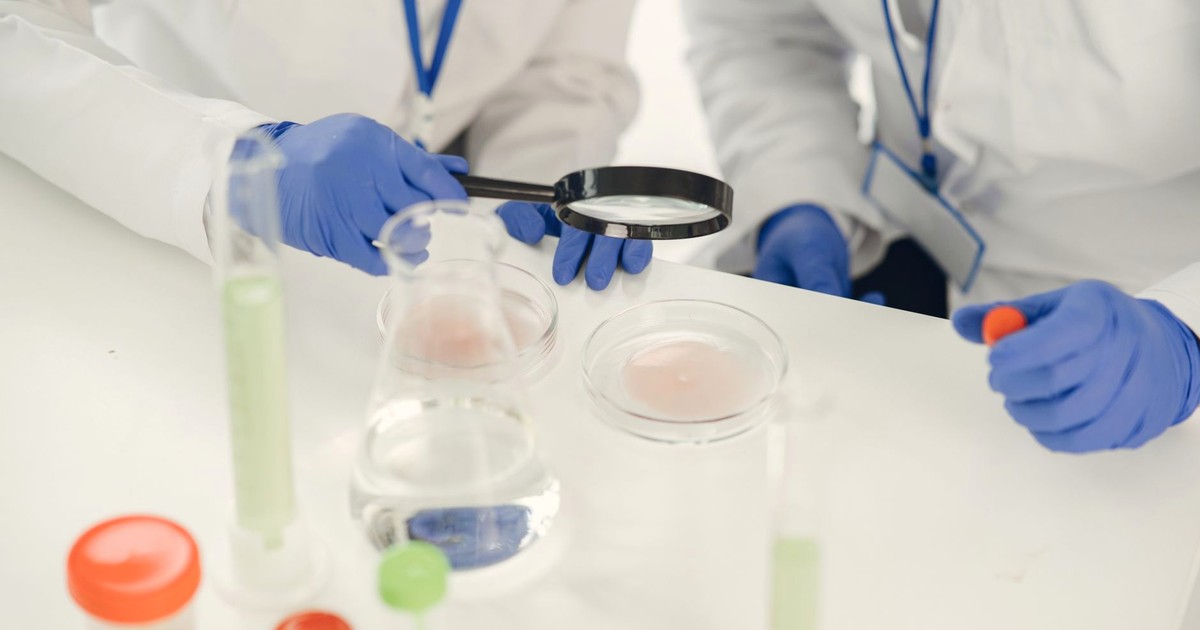
- Practical / lab work must be done in person, usually as a short mandatory contact programme at the university’s study centre or campus.
- A degree marketed as “fully online B.Sc Biotechnology, no labs” should be treated with caution and verified on the official UGC-DEB portal before paying any fee.
If you want the complete picture of what the course covers, read the full B.Sc Biotechnology course details guide, which explains the regular (on-campus) structure this distance mode is compared against.
Distance / Online B.Sc Biotechnology at a Glance (2026)
The table below summarises how the distance route typically works in India. Figures are indicative ranges compiled from open-university and distance-education sources and vary by institution.
| Parameter | Details (Distance / ODL Mode) |
|---|---|
| Course level | Undergraduate (Bachelor of Science) |
| Mode allowed | Distance/ODL with compulsory in-person practicals; not fully online |
| Minimum duration | 3 years (6 semesters) |
| Maximum duration | Up to 6 years at open universities such as IGNOU |
| Eligibility | 10+2 with science subjects (PCB/PCM), usually 45-50% aggregate |
| Entrance exam | Usually not required; direct/merit admission |
| Indicative fees | Rs 15,000 – Rs 50,000 per year |
| Admission window | Twice a year (January and July sessions at many open universities) |
Eligibility for Distance B.Sc Biotechnology
Answer-first: To take admission in a distance B.Sc Biotechnology programme you generally need to have passed 10+2 (Class 12) in the science stream with Physics, Chemistry and Biology (or Mathematics), typically with a 45-50% aggregate. Most open and distance universities admit students on merit, and there is usually no upper age limit and no entrance test.
- Academic qualification: 10+2 with a science combination from a recognised board.
- Minimum marks: Commonly 45-50% aggregate; some open universities relax this for their own general B.Sc streams.
- Age: No upper age limit at most open universities.
- Entrance exam: Not required for ODL/distance admission at the majority of institutions.
Eligibility mirrors the regular programme in most respects; you can cross-check the on-campus criteria and admission flow in the course details guide.
Distance B.Sc Biotechnology Fees in India
Answer-first: Distance-mode B.Sc Biotechnology is cheaper than the regular on-campus route, typically costing between Rs 15,000 and Rs 50,000 per year depending on the university, against Rs 40,000-Rs 2,00,000+ per year for regular private colleges. Open universities such as IGNOU keep annual fees on the lower end.
| Type of institution | Indicative annual fee (Distance) |
|---|---|
| Central/state open universities (e.g., IGNOU-type) | Rs 6,000 – Rs 15,000 |
| Private universities (ODL/distance wing) | Rs 20,000 – Rs 50,000 |
| Practical / study-centre charges (one-time or per year) | Rs 2,000 – Rs 8,000 (indicative) |
Note that most open universities charge a separate small registration/development fee in the first year. For a full breakdown of regular versus distance costs, see the dedicated B.Sc Biotechnology fees in India page.
Universities Offering Distance B.Sc Biotechnology
Answer-first: A limited set of open and private universities offer B.Sc Biotechnology (or a B.Sc with a life-sciences/biotechnology major) through distance/ODL mode with in-person practicals. Open universities like IGNOU offer general and life-sciences B.Sc streams that include biotechnology-related content, while several private universities run ODL science programmes. Always confirm current approval on the UGC-DEB portal before enrolling.
- Verify UGC-DEB entitlement: Only institutions listed on the DEB portal for the specific programme and academic year are valid.
- Check the practical arrangement: Confirm where and how the mandatory lab component is conducted.
- Compare with regular colleges: If you can attend campus, a regular degree usually carries stronger placement and research value.
To explore recognised regular institutions alongside the distance option, browse the B.Sc Biotechnology colleges in India list, the wider set of BSC colleges in India, and the top Science colleges in India.
Distance vs Regular B.Sc Biotechnology
Answer-first: Choose distance mode for flexibility and lower cost if you are working or cannot relocate; choose the regular on-campus mode if you want strong lab exposure, campus placements and a research pathway. Biotechnology is skill- and lab-driven, so the regular route generally offers better career outcomes.
| Factor | Distance / ODL | Regular (On-campus) |
|---|---|---|
| Fees | Lower (Rs 15,000-50,000/yr) | Higher (Rs 40,000-2,00,000+/yr) |
| Lab exposure | Limited, contact-programme based | Continuous, hands-on |
| Flexibility | High; self-paced | Fixed timetable |
| Placements | Minimal campus support | Structured placement cell |
| Best for | Working professionals, second degree | Full-time students, research aspirants |
For a deeper comparison across biotechnology degree types, see B.Sc vs B.Tech Biotechnology.
Career Scope After Distance B.Sc Biotechnology
Answer-first: A distance B.Sc Biotechnology can lead to entry-level roles in labs, quality control, sales and academics, and it is a valid base for higher study such as M.Sc Biotechnology. However, because employers value practical lab skills, distance graduates often strengthen their profile with additional hands-on training or a postgraduate degree.
- Entry roles: lab assistant, QC/QA trainee, research assistant, biotech sales and academic support roles.
- Higher study: M.Sc Biotechnology, M.Sc Microbiology, or allied life-sciences master’s programmes.
- Industries: pharmaceuticals, food and agriculture, diagnostics, research labs and education.
For expected pay bands see the biotechnology salary in India guide, and for a full career map read the scope of B.Sc Biotechnology.
Should You Choose Distance B.Sc Biotechnology?
Distance mode makes sense if you are working, cost-conscious, or already have lab exposure and mainly need the qualification. If your goal is a research or core-biotech career, the regular on-campus programme is strongly preferable because of continuous lab practice and placement support.
In all cases, enrol only in a UGC-DEB entitled programme and confirm how the compulsory practical component will be delivered before you pay.
Explore more on FindMyCollege
Related pages for B.Sc in Biotechnology aspirants on findmycollege.com: