B.Sc Cardiac Technology Distance/Online in India 2026
Latest update: B.Sc in Cardiac Technology 2026 admissions & dates updated. Read more ›
Pursuing a B.Sc in Cardiac Technology via Distance or Online learning in India for 2026 offers a flexible pathway for aspiring paramedical professionals. This comprehensive guide addresses all crucial aspects, from eligibility and course structure to career opportunities and financial considerations, helping students and parents make informed decisions.
What is B.Sc in Cardiac Technology (Distance/Online)?
B.Sc in Cardiac Technology (Distance/Online) is an undergraduate paramedical program designed to train students in assisting cardiologists with diagnostic and therapeutic procedures related to heart conditions. While the core curriculum mirrors that of a regular B.Sc Cardiac Technology course, the distance/online format allows for greater flexibility in learning, often combining self-study modules with virtual classes and mandatory practical/clinical training components.
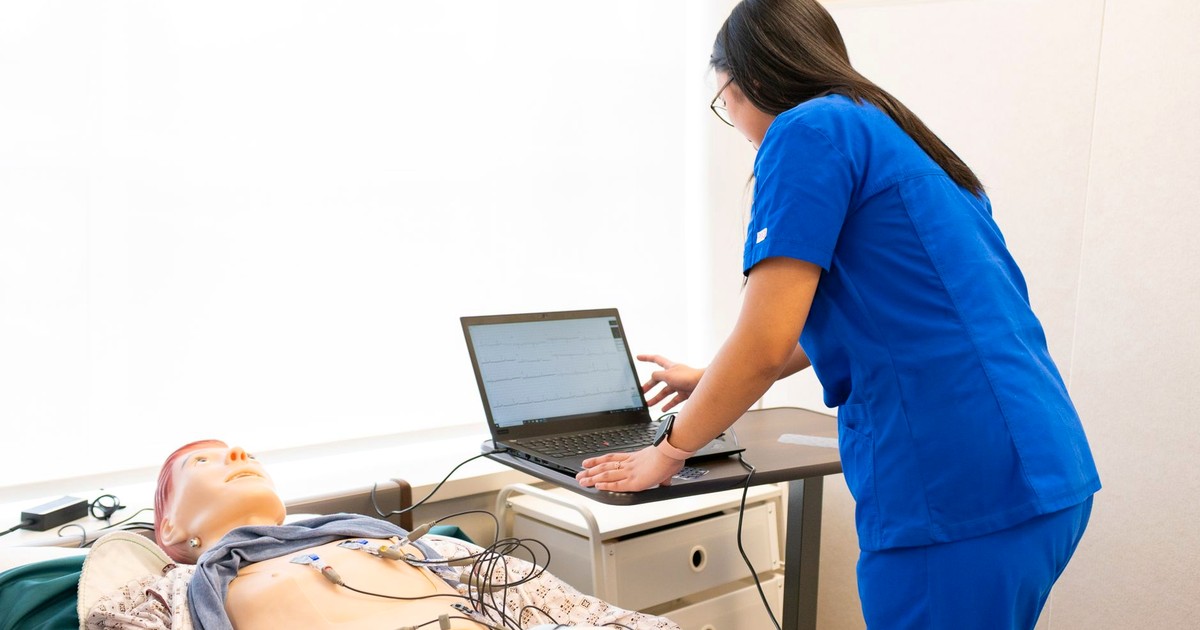
This program equips students with essential skills in operating cardiac equipment, performing ECGs, echocardiograms, stress tests, and assisting in catheterization labs and cardiac surgeries. The distance mode is particularly beneficial for working professionals or those who cannot attend traditional on-campus classes, provided they can commit to the compulsory practical training sessions.
Is B.Sc Cardiac Technology available via Distance/Online learning in India?
Yes, B.Sc Cardiac Technology is available through distance and online learning modes in India, though it’s crucial to understand the nuances. While the theoretical components can be delivered online, the practical and clinical training is an indispensable part of the curriculum and must be completed in person at affiliated hospitals or labs. Prospective students should verify the accreditation and practical training arrangements of any institution offering this course in a distance or online format.
What is the eligibility for B.Sc in Cardiac Technology Distance/Online?
The eligibility criteria for B.Sc in Cardiac Technology Distance/Online are generally similar to the regular on-campus program, focusing on a strong science background. Candidates must have completed their 10+2 (or equivalent) examination with Physics, Chemistry, and Biology as core subjects.
- Educational Qualification: 10+2 or equivalent from a recognized board.
- Mandatory Subjects: Physics, Chemistry, and Biology. Some institutions may also require Mathematics.
- Minimum Marks: Typically, a minimum aggregate of 45-50% in the qualifying examination is required, though this can vary by institution.
- Age Limit: Some colleges may have a minimum age requirement, usually 17 years as of December 31st of the admission year.
- Entrance Exams: While not universally mandatory for distance programs, some universities might conduct their own entrance tests or consider NEET scores for merit-based admissions, especially for integrated practical training components.
How long does B.Sc Cardiac Technology Distance/Online take to complete?
A B.Sc in Cardiac Technology Distance/Online typically takes 3 years to complete, mirroring the duration of its regular counterpart. This includes both the theoretical coursework and the mandatory practical/clinical training. Some programs might also include an additional 6-12 months of internship, making the total duration up to 3.5 or 4 years.
What is the syllabus for B.Sc Cardiac Technology Distance/Online?
The syllabus for B.Sc Cardiac Technology Distance/Online is comprehensive, covering foundational medical sciences and specialized cardiac technology subjects. The curriculum is designed to provide a strong theoretical base and practical skills. The practical components are usually conducted in affiliated hospitals or labs during scheduled contact sessions.
Typical Syllabus Structure (Semester-wise)
| Year/Semester | Core Subjects | Practical/Clinical Focus |
|---|---|---|
| Year 1 / Sem 1 & 2 | Anatomy, Physiology, Biochemistry, Pathology, Microbiology, Fundamentals of Cardiac Technology | Basic Lab Techniques, ECG Interpretation (Intro), Patient Communication |
| Year 2 / Sem 3 & 4 | Pharmacology, Medical Ethics, Applied Cardiac Technology, Cardiovascular Diseases, Echocardiography Principles | Advanced ECG, Stress Testing, Basic Echocardiography, Catheterization Lab Procedures (Observation) |
| Year 3 / Sem 5 & 6 | Cardiac Pharmacology, Interventional Cardiology, Cardiac Electrophysiology, Cardiac Surgery Technology, Research Methodology | Advanced Echocardiography, Cardiac Catheterization Assistance, Pacemaker Implantation Assistance, ICU Monitoring |
How much does B.Sc Cardiac Technology Distance/Online cost in India?
The cost of B.Sc Cardiac Technology Distance/Online in India can vary significantly based on the institution’s reputation, infrastructure, and whether it’s a government or private university. Generally, distance learning programs tend to be more affordable than their on-campus counterparts, but the practical training fees must be factored in.
Fee Ranges for 2026 Admissions
| Institution Type | Annual Fee Range (INR) | Total Course Fee (Approx. 3 Years) (INR) |
|---|---|---|
| Government/Public Universities | ₹20,000 – ₹60,000 | ₹60,000 – ₹1,80,000 |
| Private Universities/Institutions | ₹50,000 – ₹1,50,000+ | ₹1,50,000 – ₹4,50,000+ |
These figures typically include tuition fees, study materials, and examination fees. Additional costs may include practical training fees, clinical rotation charges, and personal expenses.
What are the career prospects after B.Sc Cardiac Technology Distance/Online?
Graduates of B.Sc Cardiac Technology Distance/Online have promising career prospects in the healthcare sector, particularly in cardiology departments. The demand for skilled cardiac technologists is consistently high due to the increasing prevalence of cardiovascular diseases.
Common Job Roles and Average Salary Ranges (Entry to Mid-Level)
| Job Role | Description | Average Annual Salary (INR) |
|---|---|---|
| Cardiac Technologist | Assists cardiologists in diagnostic tests (ECG, Echo, Stress Test) and interventional procedures. | ₹2.5 Lakhs – ₹5.0 Lakhs |
| Echocardiographer | Specializes in performing and interpreting echocardiograms. | ₹3.0 Lakhs – ₹6.0 Lakhs |
| Cath Lab Technologist | Works in catheterization labs, assisting during angiography, angioplasty, and stent procedures. | ₹3.5 Lakhs – ₹7.0 Lakhs |
| Cardiovascular Technologist | A broader role encompassing various cardiac diagnostic and therapeutic procedures. | ₹2.8 Lakhs – ₹5.5 Lakhs |
| Medical Sonographer (Cardiac) | Operates ultrasound equipment to create images of the heart. | ₹3.0 Lakhs – ₹6.5 Lakhs |
Salaries can vary based on experience, employer (private hospital, government hospital, diagnostic center), city, and additional certifications.
Is B.Sc Cardiac Technology Distance/Online worth it for jobs?
Yes, B.Sc Cardiac Technology Distance/Online can be highly worth it for jobs, provided the program is from a recognized university and includes robust, mandatory practical training. Employers prioritize practical skills and hands-on experience in this field. The flexibility of distance learning allows individuals, especially those already working in healthcare, to upgrade their qualifications without interrupting their careers. The growing demand for cardiac care professionals ensures good employment opportunities.
What are the pros and cons of B.Sc Cardiac Technology Distance/Online?
Understanding the advantages and disadvantages is crucial for making an informed decision about pursuing B.Sc Cardiac Technology through distance or online learning.
Pros:
- Flexibility: Allows students to study at their own pace and schedule, ideal for working professionals or those with other commitments.
- Affordability: Generally lower tuition fees compared to traditional on-campus programs.
- Accessibility: Opens up educational opportunities for students in remote areas or those who cannot relocate.
- Self-Paced Learning: Students can spend more time on challenging topics and less on familiar ones.
- Career Advancement: Enables existing healthcare workers to gain a specialized degree and advance their careers.
Cons:
- Mandatory Practical Training: Requires physical presence for labs and clinical rotations, which might still necessitate travel and time commitment.
- Self-Discipline Required: Success heavily relies on the student’s ability to manage time and stay motivated without direct supervision.
- Limited Peer Interaction: Less opportunity for spontaneous discussions and networking with classmates and faculty compared to on-campus.
- Technology Dependence: Requires reliable internet access and basic computer literacy.
- Perception: Some employers might still prefer candidates from traditional full-time programs, though this is changing with the recognition of quality online education.
How to choose the best B.Sc Cardiac Technology Distance/Online program?
Choosing the right program is critical for a successful career. Consider the following factors:
- Accreditation: Ensure the university and program are recognized by the University Grants Commission (UGC) and other relevant medical/paramedical councils in India.
- Practical Training: Verify the details of mandatory practical and clinical training – duration, location, affiliated hospitals, and supervision. This is non-negotiable for a paramedical course.
- Faculty Expertise: Research the qualifications and experience of the faculty members.
- Curriculum: Compare the syllabus with industry standards and ensure it covers all essential aspects of cardiac technology.
- Student Support: Look for robust online support systems, including academic counseling, technical assistance, and career services.
- Alumni Network & Placements: Investigate the institution’s track record for student placements and the success of its alumni.
- Technology & Learning Platform: Assess the quality and user-friendliness of the online learning management system (LMS).
- Fees & Financial Aid: Understand the complete fee structure and inquire about scholarship or installment options.
Explore more on FindMyCollege
Related pages for B.Sc in Cardiac Technology aspirants on findmycollege.com:
Frequently Asked Questions
Is NEET required for B.Sc Cardiac Technology Distance/Online?
NEET is generally not a mandatory requirement for direct admission to B.Sc Cardiac Technology Distance/Online programs. However, some universities might consider NEET scores for merit-based admissions or as an optional criterion, especially if their practical training components are highly integrated with their medical college. Always check the specific requirements of your chosen institution.
Can I pursue B.Sc Cardiac Technology Distance/Online after 10th?
No, you cannot pursue B.Sc Cardiac Technology Distance/Online directly after 10th grade. The minimum eligibility criterion is completion of 10+2 (or equivalent) with Physics, Chemistry, and Biology as core subjects.
Are there any entrance exams for B.Sc Cardiac Technology Distance/Online?
While many distance/online programs offer direct admission based on 10+2 marks, some reputable universities may conduct their own entrance exams to assess a candidate’s aptitude for the course. It’s essential to check the admission guidelines of each institution you are interested in.
What is the difference between B.Sc Cardiac Technology and B.Sc Cardiovascular Technology?
B.Sc Cardiac Technology and B.Sc Cardiovascular Technology are often used interchangeably and cover very similar ground. Both programs train students to assist in diagnosing and treating heart and vascular conditions. Some institutions might use one term over the other, but the core curriculum and career outcomes are largely the same, focusing on the entire cardiovascular system.
What are the practical training requirements for distance B.Sc Cardiac Technology?
Practical training is a compulsory and critical component of any B.Sc Cardiac Technology program, including distance learning. This typically involves scheduled, in-person sessions at affiliated hospitals or diagnostic centers for hands-on experience with equipment, patient interaction, and assisting in procedures. The duration and frequency of these practical sessions will be specified by the university and must be completed to obtain the degree.
Can I get a government job after B.Sc Cardiac Technology Distance/Online?
Yes, graduates of B.Sc Cardiac Technology Distance/Online from UGC-recognized universities are eligible for government jobs, provided they meet all other criteria (e.g., age, experience). Government hospitals and healthcare institutions regularly recruit cardiac technologists. The key is to ensure your degree is from an accredited institution and includes proper practical training.
What are the higher study options after B.Sc Cardiac Technology?
After completing B.Sc Cardiac Technology, you can pursue higher education options such as M.Sc in Cardiac Technology, M.Sc in Cardiovascular Technology, or other related master’s degrees in allied health sciences. You can also opt for specialized certifications in areas like echocardiography, interventional cardiology, or cardiac electrophysiology to enhance your skills and career prospects.
Is B.Sc Cardiac Technology a good course for females?
Yes, B.Sc Cardiac Technology is an excellent course for females. The healthcare sector, including paramedical fields, offers diverse and rewarding opportunities for women. The role of a cardiac technologist requires precision, attention to detail, and strong communication skills, all of which are well-suited to female professionals. The work environment is typically clinical and professional, offering a respected career path.