B.Sc in Optometry Distance/Online in India 2026
Latest update: B.Sc in Optometry 2026 admissions & dates updated. Read more ›
Optometry, a vital paramedical stream, focuses on eye and vision care. For aspiring professionals in India seeking flexibility, the B.Sc in Optometry Distance / Online mode offers a compelling alternative to traditional on-campus programs. This comprehensive guide for 2026 details everything students and parents need to know about pursuing this degree remotely.
Is B.Sc in Optometry available through Distance or Online learning in India for 2026?
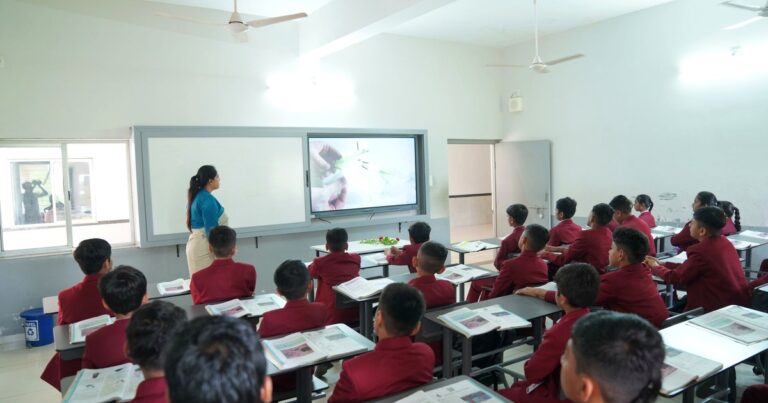
As of 2026, a full-fledged B.Sc in Optometry program is generally NOT offered in a purely Distance or Online learning format by UGC-approved universities in India. The nature of optometry, which requires extensive practical training, clinical rotations, and hands-on patient interaction, makes it unsuitable for a complete remote delivery model. While some universities might offer certificate courses or bridge programs with online components, the core B.Sc degree demands significant in-person practical exposure.
However, it’s crucial to distinguish between a fully online degree and programs that might incorporate blended learning or offer theoretical components online. For a B.Sc in Optometry, the practical and clinical components are non-negotiable and must be completed in a physical setting, typically at an affiliated hospital or clinic.
Why is a full B.Sc in Optometry Online/Distance Learning program uncommon?
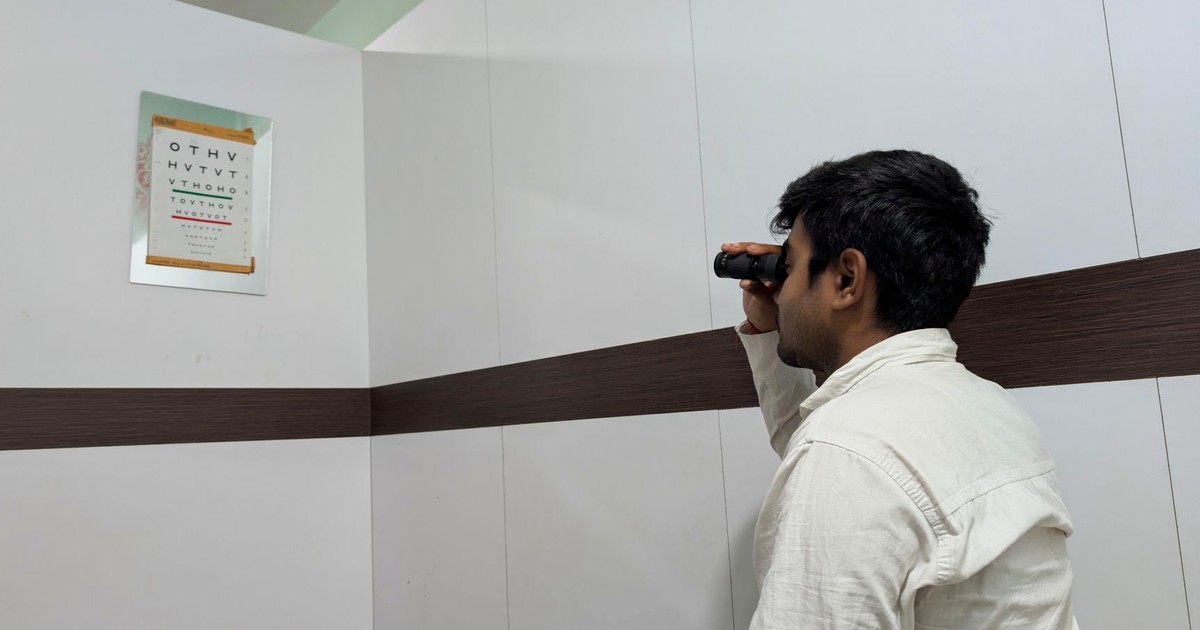
The primary reason for the scarcity of purely online B.Sc Optometry programs lies in the curriculum’s inherent practical demands. Optometry is a hands-on profession that requires students to master diagnostic techniques, operate specialized equipment, perform refractions, fit contact lenses, and manage various ocular conditions directly with patients. These skills cannot be effectively acquired or assessed through a remote learning environment alone.
- Clinical Training: Students need supervised clinical experience in real-world settings.
- Equipment Handling: Proficiency in using ophthalmoscopes, retinoscopes, phoropters, slit lamps, and other instruments requires physical practice.
- Patient Interaction: Developing communication and patient management skills is crucial and learned best through direct interaction.
- Regulatory Requirements: Professional bodies and regulatory councils (like the Indian Optometric Association) often mandate specific hours of practical and clinical training for licensure.
What are the alternatives if I cannot pursue a full-time B.Sc in Optometry?
If a full-time, on-campus B.Sc in Optometry is not feasible, consider these alternatives:
- Blended Learning Programs: Some institutions might offer a blended model where theoretical classes are delivered online, but mandatory practical sessions, workshops, and clinical rotations must be attended in person. These are still rare for the full B.Sc degree but might exist for diploma or certificate courses.
- Part-time On-Campus Programs: A few universities might offer part-time B.Sc Optometry programs designed for working professionals, which still require regular physical attendance for practicals and theory.
- Diploma in Optometry (D.Opt): Diplomas are shorter (2-3 years) and often have slightly less stringent practical requirements than a full degree, though practical training remains essential. Some might have more flexible schedules.
- Certificate Courses: Online certificate courses in specific areas of optometry (e.g., Ophthalmic Assistant, Contact Lens Fitting Basics) are available but do not equate to a B.Sc degree.
- Post-Basic B.Sc Optometry: For those already holding a Diploma in Optometry, some universities offer a ‘lateral entry’ or ‘post-basic’ B.Sc program, which might have some flexibility, but again, practical components are mandatory.
What is the eligibility criteria for B.Sc in Optometry (including blended/part-time options)?
The eligibility criteria for B.Sc in Optometry, even for programs with some flexibility, remain largely consistent with traditional full-time courses:
- Educational Qualification: Candidates must have passed 10+2 (or equivalent) from a recognized board.
- Mandatory Subjects: Physics, Chemistry, and Biology (PCB) are almost always mandatory. Some institutions may accept Physics, Chemistry, and Mathematics (PCM) with a strong preference for PCB.
- Minimum Marks: A minimum aggregate of 45-50% in the qualifying examination is typically required, though this can vary by institution.
- Age Limit: Some universities might have a minimum age limit (e.g., 17 years as of December 31st of the admission year).
- Entrance Exams: Many reputable institutions conduct their own entrance exams (e.g., NEET, AIIMS, JIPMER, or university-specific tests) for admission.
What is the typical syllabus and course structure for B.Sc in Optometry?
The B.Sc in Optometry is typically a 3-year undergraduate program, often followed by a 1-year internship (total 4 years). The syllabus covers a broad range of subjects essential for comprehensive eye care. Even in blended formats, the core curriculum remains the same.
Typical B.Sc Optometry Syllabus (Semester-wise Example)
| Semester | Core Subjects | Practical/Clinical Focus |
|---|---|---|
| Year 1 (Sem 1 & 2) | General Anatomy, General Physiology, Ocular Anatomy, Ocular Physiology, Physical Optics, Geometrical Optics, Basic Biochemistry, English & Communication Skills | Basic Ophthalmic Instruments, Visual Acuity Measurement, Refraction Principles |
| Year 2 (Sem 3 & 4) | Ophthalmic Optics, Ocular Pharmacology, Ocular Microbiology, Clinical Optometry I, Dispensing Optics, Binocular Vision, Public Health & Community Optometry | Retinoscopy, Subjective Refraction, Lens Neutralization, Contact Lens Handling |
| Year 3 (Sem 5 & 6) | Clinical Optometry II, Low Vision Aids, Pediatric Optometry, Geriatric Optometry, Advanced Contact Lenses, Ophthalmic Instruments & Investigation, Systemic Diseases & Eye | Advanced Refraction, Slit Lamp Examination, Tonometry, Fundus Examination, Case History Taking, Clinical Rotations |
| Year 4 (Internship) | Full-time supervised clinical practice in various departments (e.g., Refraction, Contact Lens, Low Vision, Glaucoma, Cataract) | Patient Management, Diagnostic Procedures, Dispensing, Surgical Assisting (limited) |
How much does a B.Sc in Optometry (blended/part-time) cost in India?
The fee structure for B.Sc in Optometry can vary significantly based on the type of institution (government vs. private), its reputation, and location. While purely online degrees are rare, blended or part-time options, if available, would likely fall within similar ranges to full-time programs due to the mandatory practical components.
Estimated Fee Ranges for B.Sc in Optometry (2026)
| Institution Type | Annual Fee Range (INR) | Total Course Fee (Approx. 4 Years) |
|---|---|---|
| Government Colleges/Universities | ₹20,000 – ₹80,000 | ₹80,000 – ₹3,20,000 |
| Private Colleges/Universities | ₹80,000 – ₹3,00,000+ | ₹3,20,000 – ₹12,00,000+ |
These figures are indicative and can change. Additional costs include examination fees, hostel fees (if applicable for practicals), study materials, and clinical rotation charges.
Is B.Sc in Optometry worth it for jobs and career prospects in India?
Yes, a B.Sc in Optometry is a highly valuable degree with excellent job prospects in India. The demand for qualified optometrists is steadily increasing due to a growing awareness of eye health, an aging population, and the rise of lifestyle diseases impacting vision. Graduates can find employment in diverse settings.
Career Prospects and Average Salary Ranges (Post-Internship, 2026)
- Optometrist in Hospitals/Clinics: Work alongside ophthalmologists, perform refractions, diagnose common eye conditions, and assist in pre/post-operative care.
- Retail Optometrist: Work in optical stores, conduct eye exams, prescribe corrective lenses, and fit contact lenses.
- Contact Lens Specialist: Focus on fitting and managing various types of contact lenses.
- Low Vision Specialist: Help patients with irreversible vision loss maximize their remaining vision using specialized aids.
- Ophthalmic Assistant/Technician: Support ophthalmologists in various diagnostic and therapeutic procedures.
- Academician/Researcher: Pursue higher education (M.Opt, Ph.D.) and work in teaching or research.
- Entrepreneurship: Open your own optical store or independent optometry clinic.
| Job Role | Average Annual Salary Range (INR) |
|---|---|
| Entry-Level Optometrist | ₹2,50,000 – ₹4,50,000 |
| Experienced Optometrist (3-5 years) | ₹4,50,000 – ₹8,00,000 |
| Senior/Specialist Optometrist | ₹8,00,000 – ₹15,00,000+ |
Salaries are highly dependent on location, employer, experience, and specialization. Optometrists in metro cities or those with specialized skills often command higher remuneration.
What are the pros and cons of pursuing a B.Sc in Optometry (even in a blended format)?
Pros:
- High Demand: Consistent need for eye care professionals.
- Rewarding Career: Directly impacts people’s quality of life by preserving and improving vision.
- Diverse Work Settings: Hospitals, clinics, retail, private practice, academia.
- Good Earning Potential: Especially with experience and specialization.
- Professional Autonomy: Optometrists often have significant independence in their practice.
- Blended Learning Flexibility (if available): Allows for managing other commitments during theoretical study.
Cons:
- No Pure Online Degree: The lack of a fully online option means significant in-person commitment is unavoidable.
- Rigorous Curriculum: Demands strong scientific understanding and practical skills.
- Long Study Duration: 3 years of academic study plus 1 year of mandatory internship.
- Continuous Learning: The field evolves rapidly, requiring ongoing professional development.
- Initial Investment: Tuition fees can be substantial, especially in private institutions.
- Clinical Demands: Requires precision, patience, and good communication skills with patients.
How do I choose the right institution for B.Sc in Optometry in India?
When selecting an institution for B.Sc in Optometry, especially considering any blended or part-time options, focus on these critical factors:
- UGC/Regulatory Approval: Ensure the university/college is recognized by the University Grants Commission (UGC) and any relevant paramedical councils.
- Affiliation: Check its affiliation with a reputable university.
- Clinical Attachments: This is paramount. The institution must have strong tie-ups with well-equipped eye hospitals or clinics for mandatory practical and internship training.
- Faculty Expertise: Look for experienced faculty with strong academic and clinical backgrounds.
- Infrastructure: Access to modern labs, diagnostic equipment, and a well-stocked library.
- Placement Records: Investigate their track record for placing graduates in good hospitals or optical chains.
- Curriculum: Ensure the syllabus is up-to-date and comprehensive.
- Student-Faculty Ratio: A lower ratio often indicates better individual attention.
- Fees and Scholarships: Compare fees and inquire about scholarship opportunities.
Explore more on FindMyCollege
Related pages for B.Sc in Optometry aspirants on findmycollege.com:
Frequently Asked Questions
Can I get a B.Sc Optometry degree from abroad online and practice in India?
It is generally very difficult to practice in India with a purely online B.Sc Optometry degree from abroad. Indian regulatory bodies typically require degrees from recognized institutions with mandatory practical and clinical training, which online degrees often lack. Equivalence and recognition can be a significant hurdle.
Are there any entrance exams for B.Sc Optometry in India?
Yes, many prominent universities and colleges conduct their own entrance exams for B.Sc Optometry. Some may also consider scores from national-level exams like NEET (for some medical/paramedical courses) or state-level common entrance tests. Always check the specific institution’s admission brochure for details.
What is the difference between an Optometrist and an Ophthalmologist?
An Optometrist (B.Sc Optometry) is a primary eye care provider who diagnoses, treats, and manages diseases, injuries, and disorders of the visual system, and prescribes corrective lenses. An Ophthalmologist (MBBS + MS/MD Ophthalmology) is a medical doctor who specializes in eye and vision care, qualified to perform eye surgery, diagnose and treat all eye diseases, and prescribe medication.
Can I pursue M.Sc Optometry after B.Sc Optometry?
Yes, after completing a B.Sc in Optometry, you can pursue a Master of Science (M.Sc) in Optometry. This postgraduate degree allows for specialization in areas like Contact Lenses, Low Vision, Binocular Vision, or Ophthalmic Dispensing, and opens doors to academic and research careers.
What are the key skills required to be a successful Optometrist?
Key skills include strong analytical and problem-solving abilities, excellent communication and interpersonal skills, attention to detail, manual dexterity, empathy, and a solid understanding of optics and human anatomy/physiology.
Is an internship mandatory for B.Sc Optometry?
Yes, a mandatory 1-year internship (often integrated into the 4-year program structure) is a crucial component of the B.Sc Optometry curriculum in India. It provides essential hands-on clinical experience under supervision, which is vital for professional competence and often required for licensure.