Bachelor in Textile Design Admission 2026 India – Comprehensive Guide
Aayush is a writer and content strategist who turns personal stories into brand narratives. With an experience spanning diverse industries, rely on his writing for simplifying complex subjects…
Latest update: Bachelor in Textile Design 2026 admissions & dates updated. Read more ›
Welcome to the definitive guide for Bachelor in Textile Design Admission 2026 in India. This comprehensive resource is designed for aspiring students and their parents, covering every aspect from eligibility criteria and application processes to career outcomes and financial considerations. Textile Design is a dynamic field blending art, science, and technology to create fabrics, patterns, and textile products. If you have a passion for creativity, an eye for detail, and an interest in fashion or home decor, this program could be your ideal path.
What is Bachelor in Textile Design?
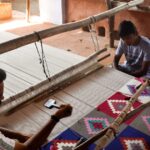
A Bachelor in Textile Design is an undergraduate program that focuses on the artistic and technical aspects of creating textiles, from fiber to finished product. Students learn about fabric construction, surface ornamentation, dyeing, printing, weaving, knitting, and digital textile design, preparing them for diverse roles in the textile and fashion industries.
What is the Eligibility for Bachelor in Textile Design Admission 2026?
To be eligible for Bachelor in Textile Design Admission 2026, candidates must typically have completed their 10+2 (or equivalent) examination from a recognized board with a minimum aggregate score, usually ranging from 45% to 50%. While specific subjects like Arts or Science are often preferred, many institutions accept students from any stream, emphasizing creative aptitude over academic stream.
- Educational Qualification: Successful completion of 10+2 or equivalent.
- Minimum Marks: Generally 45-50% aggregate in 10+2. Some top colleges might require higher.
- Age Limit: Most colleges do not have a strict upper age limit, but some might specify a maximum age (e.g., 23 years for general category).
- Entrance Exam: Mandatory for most reputable institutions (e.g., NIFT, NID, UCEED, CEED, DAT).
How to Apply for Bachelor in Textile Design Admission 2026?
Applying for Bachelor in Textile Design Admission 2026 involves a structured process, typically beginning with entrance exam registration, followed by college applications, and finally, counselling or interview rounds. The key is to stay updated with application deadlines and prepare thoroughly for entrance examinations.
Step-by-Step Application Process:
- Research Colleges & Exams: Identify target colleges and their required entrance exams (NIFT, NID, UCEED, etc.).
- Register for Entrance Exams: Apply online for the chosen entrance exams within the specified dates.
- Prepare for Exams: Focus on general aptitude, creative ability, and drawing skills.
- Appear for Exams: Take the entrance exams as scheduled.
- Check Results: Monitor official websites for exam results.
- Apply to Colleges: Once exam results are out, apply directly to colleges that accept those scores. Some colleges have their own application portals.
- Portfolio & Interview (if required): Prepare a strong portfolio of creative work and practice for personal interviews/group discussions.
- Counselling & Admission: Attend counselling sessions based on merit list, select your preferred college/course, and complete admission formalities by paying fees.
People Also Read



What are the Key Entrance Exams for Bachelor in Textile Design 2026?
Admission to top Bachelor in Textile Design programs in 2026 primarily relies on performance in national-level design entrance examinations. These exams assess a candidate’s creative aptitude, general knowledge, and problem-solving skills.
The most prominent entrance exams include:
- NIFT Entrance Exam: For admission to National Institute of Fashion Technology (NIFT) campuses.
- NID DAT (Design Aptitude Test): For admission to National Institute of Design (NID) campuses.
- UCEED (Undergraduate Common Entrance Exam for Design): For admission to IIT Bombay, IIT Delhi, IIT Guwahati, IIT Hyderabad, IIITDM Jabalpur, and other UCEED-accepting institutes.
- CEED (Common Entrance Examination for Design): Primarily for M.Des, but some institutes consider it for B.Des as well.
- Pearl Academy Entrance Exam: For admission to Pearl Academy.
- Symbiosis Entrance Exam for Design (SEED): For admission to Symbiosis Institute of Design (SID).
Typical Entrance Exam Pattern & Dates (Tentative 2026)
While specific dates vary, the application and exam cycle generally follows a similar pattern each year.
| Exam Name | Application Period (Tentative) | Exam Date (Tentative) | Exam Pattern Highlights |
|---|---|---|---|
| NIFT Entrance Exam | Oct – Dec 2025 | Jan – Feb 2026 | GAT (General Ability Test), CAT (Creative Ability Test) |
| NID DAT Prelims | Sep – Nov 2025 | Dec 2025 – Jan 2026 | Design Aptitude Test (Visualisation, Observation, Analysis, Creativity) |
| UCEED | Sep – Nov 2025 | Jan 2026 | Part A (NAT, MSQ, MCQ), Part B (Drawing Question) |
| SEED | Oct 2025 – Jan 2026 | Feb 2026 | Analytical Reasoning, General Knowledge, Visual Reasoning, Design Aptitude |
How Much Does Bachelor in Textile Design Cost? (Fee Ranges)
The cost of a Bachelor in Textile Design program in India varies significantly based on the type of institution (government vs. private) and its reputation. Generally, government colleges offer more affordable fees, while private institutions tend to be considerably more expensive.
| Institution Type | Annual Fee Range (INR) | Total Course Fee (Approx. 4 Years) |
|---|---|---|
| Government Colleges (NIFT, NID, IITs) | ₹1,50,000 – ₹3,00,000 | ₹6,00,000 – ₹12,00,000 |
| Private Colleges (Pearl, Symbiosis, Amity) | ₹3,00,000 – ₹7,00,000+ | ₹12,00,000 – ₹28,00,000+ |
These figures are indicative and may not include hostel, mess, material, or examination fees, which can add substantially to the overall cost. Scholarships are available at many institutions based on merit or financial need.
Is Bachelor in Textile Design Worth It for Jobs? (Career & Salary Outcomes)
Yes, a Bachelor in Textile Design is a highly valuable degree for securing diverse and creative jobs within the thriving textile, fashion, and home furnishing industries. Graduates are equipped with specialized skills that are in constant demand, leading to rewarding career paths.
The textile industry is one of the oldest and largest industries globally, constantly evolving with new technologies and sustainable practices. Graduates can find roles in:
- Fashion Houses & Apparel Brands
- Home Furnishing Companies
- Textile Mills & Manufacturing Units
- Export Houses
- Design Studios & Consultancies
- E-commerce & Retail
- Technical Textiles & R&D
Common Job Roles and Salary Ranges (Entry-Level to Mid-Level)
| Job Role | Average Annual Salary (INR) | Key Responsibilities |
|---|---|---|
| Textile Designer | ₹3,00,000 – ₹7,00,000 | Creating patterns, prints, weaves for fabrics, apparel, home textiles. |
| Fashion Designer (Textile Focus) | ₹3,50,000 – ₹8,00,000 | Designing garments with emphasis on fabric selection, drape, and texture. |
| Merchandiser (Textile/Fashion) | ₹3,00,000 – ₹6,50,000 | Bridging design and production, managing product lifecycle. |
| Fabric Quality Controller | ₹2,80,000 – ₹5,50,000 | Ensuring fabric quality meets industry standards and client specifications. |
| CAD Designer (Textile) | ₹3,20,000 – ₹6,00,000 | Using software to create and modify textile designs. |
| Surface Pattern Designer | ₹3,00,000 – ₹6,00,000 | Designing patterns for various surfaces beyond textiles (e.g., wallpaper, stationery). |
Salaries can vary based on the company, location, individual skills, and portfolio. With experience and a strong portfolio, designers can command significantly higher salaries and move into leadership or entrepreneurial roles.
Which are the Top Colleges for Bachelor in Textile Design in India?
India boasts several prestigious institutions offering excellent Bachelor in Textile Design programs. These colleges are known for their strong industry connections, experienced faculty, and state-of-the-art facilities.
- National Institute of Fashion Technology (NIFT): Various campuses (Delhi, Mumbai, Bengaluru, Kolkata, etc.) – Highly sought after for its comprehensive curriculum and industry exposure.
- National Institute of Design (NID): Ahmedabad, Gandhinagar, Bengaluru – Renowned for its holistic design education and focus on innovation.
- Indian Institutes of Technology (IITs): Specifically IIT Bombay (IDC School of Design), IIT Delhi, IIT Guwahati, IIT Hyderabad (through UCEED) – Offer B.Des programs with strong technical foundations.
- Symbiosis Institute of Design (SID), Pune: Known for its industry-oriented curriculum and strong placements.
- Pearl Academy: Various campuses (Delhi, Mumbai, Bengaluru, Jaipur) – Offers specialized courses and global exposure.
- Arch College of Design & Business, Jaipur: Focuses on practical skills and entrepreneurial development.
- Amity School of Fashion Technology, Noida: Part of Amity University, offering a blend of design and technology.
- JD Institute of Fashion Technology: Multiple campuses across India.
What is the Difference Between Textile Design and Fashion Design?
While often intertwined, Textile Design focuses on the creation of the fabric itself, including its structure, pattern, and surface embellishments, whereas Fashion Design concentrates on using existing or newly created textiles to design garments and accessories. A Textile Designer creates the canvas, and a Fashion Designer paints on it.
- Textile Design: Deals with fibers, yarns, weaves, knits, prints, dyes, and finishes. The output is a fabric or textile material.
- Fashion Design: Deals with silhouettes, garment construction, draping, pattern making, and styling using fabrics. The output is a clothing line or collection.
Many fashion designers have a strong understanding of textiles, and textile designers often work closely with fashion designers to bring their visions to life.
What are the Specializations within Textile Design?
Bachelor in Textile Design programs often allow students to specialize in various areas as they progress, catering to diverse interests and industry needs. Common specializations include:
- Print Design: Focuses on creating patterns and motifs for screen printing, digital printing, and other surface ornamentation techniques.
- Weave Design: Specializes in developing new fabric structures through weaving, considering yarn types, loom settings, and textural effects.
- Knit Design: Concentrates on creating knitted fabrics, understanding different knitting machines, stitches, and garment construction.
- Surface Embellishment: Involves techniques like embroidery, appliqué, beading, and other decorative methods to enhance fabric surfaces.
- Textile Technology & Innovation: Explores advanced materials, smart textiles, sustainable practices, and technical applications of textiles.
- Home Textiles: Focuses on designing fabrics for upholstery, curtains, bedding, rugs, and other interior applications.
Frequently Asked Questions
Is a portfolio required for Bachelor in Textile Design Admission 2026?
Yes, a strong portfolio showcasing your creative abilities, drawing skills, observation power, and understanding of color and form is often a crucial component for admission to top design colleges, especially after clearing the initial entrance exam. It demonstrates your potential beyond exam scores.
Can I pursue Bachelor in Textile Design after 12th Science?
Absolutely. Many Bachelor in Textile Design programs accept students from any stream (Science, Commerce, Arts) after 10+2. While a background in arts can be beneficial, your creative aptitude and performance in the design entrance exams are usually more critical than your 12th-grade stream.
What subjects are taught in Bachelor in Textile Design?
The curriculum typically includes subjects like Elements of Design, Principles of Design, Textile Science, Fabric Structure, Dyeing and Printing, Weaving Technology, Knitting Technology, CAD for Textiles, History of Textiles, Fashion Illustration, Surface Ornamentation, Sustainable Textiles, and various studio projects.
Are there distance learning options for Bachelor in Textile Design?
While some institutes might offer diploma or certificate courses in textile design through distance learning, a full-fledged Bachelor in Textile Design program, especially from reputable institutions, is predominantly offered in a regular, on-campus format due to the extensive practical, studio-based, and hands-on learning involved.
What are the career prospects for Textile Designers abroad?
Textile designers with a strong portfolio and relevant experience are in demand globally. Opportunities exist in international fashion houses, textile manufacturing hubs, design studios, and home furnishing companies in countries like the UK, USA, Germany, Italy, and China. A global perspective and understanding of international trends are beneficial.
What is the scope for entrepreneurship after Bachelor in Textile Design?
The scope for entrepreneurship is significant. Graduates can start their own textile design studios, launch independent fashion labels focusing on unique fabrics, create bespoke home furnishing lines, or develop sustainable textile products. Many programs include modules on business and entrepreneurship to equip students for this path.