DMLT vs DMRT, DRIT (2026): Which is Better?
Nishit Kumar is a senior EdTech industry leader with over a decade of experience in building and scaling education platforms, shaping their product, content, and growth strategy. At…
Latest update: Diploma in Medical Laboratory Technology 2026 admissions & dates updated. Read more ›
Diploma in Medical Laboratory Technology vs DMRT, DRIT: Quick Comparison (2026)
Students considering a career in paramedical sciences often weigh their options between various diploma courses. The Diploma in Medical Laboratory Technology (DMLT) is a popular choice, but it’s essential to compare it with other related fields like Diploma in Radiography Technology (DMRT) and Diploma in Renal Dialysis Technology (DRIT) to make an informed decision for 2026 admissions in India.
| Course Name | Duration | Eligibility | Avg Fees (INR) | Top Careers | Avg Starting Salary (INR) | Best For |
|---|---|---|---|---|---|---|
| Diploma in Medical Laboratory Technology (DMLT) | 2 Years | 10+2 with Science (PCB/PCM) | 50,000 – 2,00,000 | Lab Technician, Lab Technologist, Research Assistant | 1,80,000 – 3,00,000 | Those interested in disease diagnosis through lab analysis. |
| Diploma in Radiography Technology (DMRT) | 2 Years | 10+2 with Science (PCB/PCM) | 60,000 – 2,50,000 | Radiographer, X-ray Technician, CT Scan Technician | 2,00,000 – 3,50,000 | Those interested in medical imaging for diagnosis. |
| Diploma in Renal Dialysis Technology (DRIT) | 2-3 Years | 10+2 with Science (PCB) | 70,000 – 2,80,000 | Dialysis Technician, Renal Technologist | 2,20,000 – 3,80,000 | Those interested in assisting patients with kidney diseases. |
Diploma in Medical Laboratory Technology vs Diploma in Radiography Technology
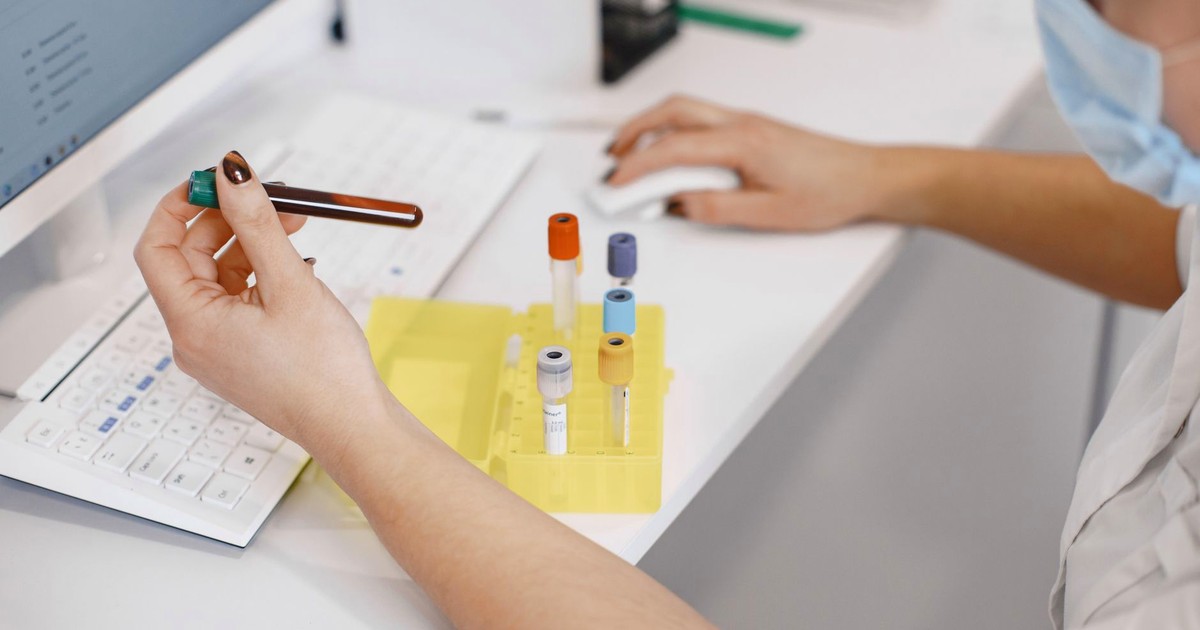
DMLT focuses on the analysis of body fluids, tissues, and other biological samples to diagnose diseases, involving extensive lab work and microscopy. In contrast, DMRT is centered on medical imaging techniques like X-rays, CT scans, and MRIs to visualize internal body structures. Career paths diverge significantly; DMLT graduates work in diagnostic labs, while DMRT professionals operate imaging equipment in hospitals and diagnostic centers. DMLT is ideal for those who prefer detailed analytical work in a lab setting, while DMRT suits individuals interested in technology-driven patient imaging.
Diploma in Medical Laboratory Technology vs Diploma in Renal Dialysis Technology
While DMLT involves broad diagnostic testing across various medical conditions, DRIT is a highly specialized field dedicated to the care of patients with kidney failure, specifically operating dialysis machines and monitoring patients during treatment. The core subjects and practical skills acquired are distinct; DMLT covers microbiology, pathology, and biochemistry, whereas DRIT focuses on nephrology, dialysis procedures, and patient care for renal conditions. DMLT offers a wider range of diagnostic roles, while DRIT provides a focused career in critical patient support. DMLT is better for those seeking diverse lab roles, while DRIT is perfect for individuals passionate about direct patient care in a specialized area.
Which one should you choose?
If you are fascinated by the microscopic world, enjoy analytical problem-solving, and prefer working in a laboratory environment to uncover the causes of diseases, the Diploma in Medical Laboratory Technology (DMLT) is an excellent choice. If your interest lies in operating advanced medical equipment to capture images of the human body for diagnostic purposes, and you enjoy a more patient-facing role within an imaging department, then the Diploma in Radiography Technology (DMRT) would be more suitable. For those with a strong inclination towards specialized patient care, particularly assisting individuals with chronic kidney conditions through life-sustaining treatments, the Diploma in Renal Dialysis Technology (DRIT) offers a rewarding and focused career path.
Explore more on FindMyCollege
Related pages for Diploma in Medical Laboratory Technology aspirants on findmycollege.com:
Frequently Asked Questions
Which diploma is easier to pursue, DMLT, DMRT, or DRIT?
The difficulty level is subjective and depends on individual aptitude. DMLT involves detailed theoretical knowledge of various lab tests and practical skills in sample analysis. DMRT requires understanding physics principles related to radiation and operating complex machinery. DRIT demands strong patient interaction skills and a deep understanding of kidney physiology and dialysis procedures. All require dedication and a scientific bent of mind.
Which course offers better salary prospects in India?
Starting salaries for all three diplomas are competitive, generally ranging from INR 1.8 LPA to 3.8 LPA. DRIT and DMRT often have slightly higher starting averages due to the specialized nature of the roles and direct patient interaction, but DMLT offers significant growth potential with experience and specialization.
Which diploma has better scope for government jobs?
All three diplomas have good scope for government jobs in India. Government hospitals, clinics, and research institutions regularly recruit Medical Lab Technicians (DMLT), Radiographers (DMRT), and Dialysis Technicians (DRIT). The availability of positions can vary by state and specific recruitment drives.
Can I pursue higher education after completing these diplomas?
Yes, after completing any of these diplomas, you can pursue higher education. Options include Bachelor’s degrees like B.Sc. in Medical Laboratory Technology, B.Sc. in Radiography, or B.Sc. in Dialysis Technology (often through lateral entry), which can further enhance career prospects and open doors to advanced roles.
Which course is more patient-facing?
DMRT and DRIT are generally more patient-facing than DMLT. Radiographers (DMRT) directly interact with patients to position them for imaging, while Dialysis Technicians (DRIT) provide continuous care and monitoring to patients during dialysis sessions. DMLT roles are primarily laboratory-based, with less direct patient interaction.
Is there a demand for these paramedical professionals in India?
Yes, there is a consistently high demand for skilled paramedical professionals in India across all these fields. With the expansion of healthcare infrastructure, increasing diagnostic needs, and a growing elderly population, the need for Medical Lab Technicians, Radiographers, and Dialysis Technicians continues to rise in both urban and rural areas.