Diploma in Optometry (Distance/Online) India 2026
Nishit Kumar is a senior EdTech industry leader with over a decade of experience in building and scaling education platforms, shaping their product, content, and growth strategy. At…
Latest update: Diploma in Optometry 2026 admissions & dates updated. Read more ›
Welcome to the comprehensive guide for the Diploma in Optometry (Distance / Online) program in India for the academic year 2026. This page is designed to answer all your questions regarding pursuing this paramedical course through flexible learning modes, helping you make an informed decision about your career in eye care.
What is a Diploma in Optometry (Distance / Online)?
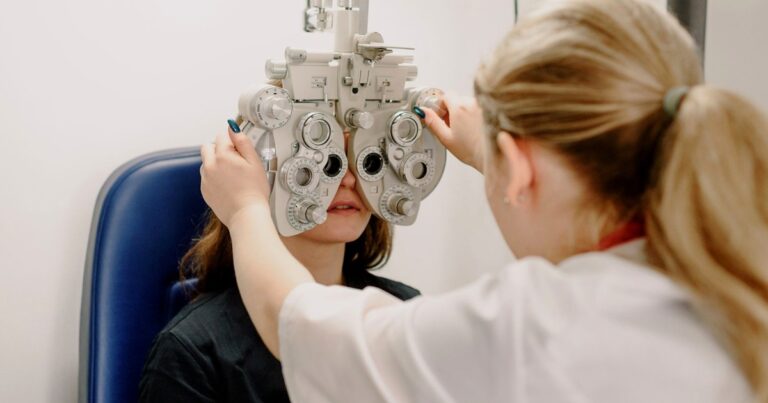
A Diploma in Optometry (Distance / Online) is a vocational paramedical course focused on eye care, offered through flexible learning formats that do not require daily on-campus attendance. This program equips students with fundamental knowledge and practical skills in vision testing, dispensing corrective lenses, and assisting ophthalmologists, making it ideal for those seeking to enter the optometry field with flexible study options.
The curriculum typically covers subjects like ocular anatomy, physiology, ophthalmic optics, contact lenses, and common eye diseases. While theoretical components are delivered online, many reputable distance programs incorporate mandatory practical training or workshops to ensure students gain essential hands-on experience, crucial for a paramedical profession.
Is a Distance Diploma in Optometry recognized in India?
Yes, a Distance Diploma in Optometry can be recognized in India, but its validity heavily depends on the accrediting body and the institution offering the program. Students must ensure the college is approved by relevant regulatory bodies such as the University Grants Commission (UGC) for distance education and, ideally, has affiliations that ensure the paramedical nature of the course is respected.
It is crucial to verify the accreditation status of the institution and the specific program before enrollment. Programs offered by state open universities or conventional universities with a dedicated distance education directorate are generally more recognized and accepted in the job market.
What is the eligibility for Diploma in Optometry (Distance / Online) in 2026?
The basic eligibility criteria for a Diploma in Optometry (Distance / Online) in 2026 typically require candidates to have completed their 10+2 (or equivalent) examination with Physics, Chemistry, and Biology (PCB) or Physics, Chemistry, and Mathematics (PCM) as core subjects. Some institutions may also accept vocational streams.
Specific requirements can vary by institution, with some colleges setting a minimum aggregate percentage (e.g., 40-50%) in the qualifying examination. There is generally no age limit for distance learning programs, making them accessible to a wide range of aspiring students.
Can I pursue a Diploma in Optometry (Distance) if I’m not from a science background?
Generally, no, a science background (PCB or PCM) in 10+2 is mandatory for most recognized Diploma in Optometry programs, including distance learning. This is because the curriculum involves fundamental concepts of physics (optics), chemistry (materials), and biology (human anatomy and physiology), which are critical for understanding eye care.
However, some vocational or skill-based short courses related to optical dispensing might be available without a strict science background, but these are not equivalent to a full Diploma in Optometry.
How much does a Diploma in Optometry (Distance / Online) cost in India?
The cost of a Diploma in Optometry (Distance / Online) in India can vary significantly based on the institution, ranging from affordable options at government-affiliated open universities to higher fees at private institutions. Generally, distance learning programs are more economical than their regular counterparts.
Fees typically cover tuition, study materials, online platform access, and sometimes examination fees. Practical training components, if mandatory, might incur additional costs or require travel to designated centers.
Average Fee Ranges for Diploma in Optometry (Distance / Online) – 2026
| Institution Type | Approximate Annual Fee Range (INR) | Notes |
|---|---|---|
| Government Open Universities (e.g., IGNOU) | ₹10,000 – ₹25,000 | Most affordable, widely recognized. |
| Private Colleges (Distance Mode) | ₹25,000 – ₹60,000 | Fees vary based on reputation, facilities, and practical components. |
| University Distance Education Directorates | ₹15,000 – ₹40,000 | Often good balance of recognition and affordability. |
What is the syllabus for a Distance Diploma in Optometry?
The syllabus for a Distance Diploma in Optometry is structured to provide a comprehensive understanding of eye care, mirroring the core subjects of a regular program. It is typically divided into semesters or modules, covering both theoretical knowledge and, where possible, practical applications.
Typical Subjects Covered (Semester-wise)
- Semester 1: General Anatomy & Physiology, Ocular Anatomy & Physiology, Geometrical Optics, Physical Optics, Basic Computer Skills.
- Semester 2: Ophthalmic Optics, Dispensing Optics, Refraction, Contact Lenses (Introduction), Ocular Pharmacology.
- Semester 3: Clinical Optometry, Low Vision Aids, Binocular Vision, Public Health & Community Optometry, Optometric Instruments.
- Semester 4: Ocular Diseases & Therapeutics, Advanced Contact Lenses, Pediatric Optometry, Optometric Practice Management, Clinical Training/Internship.
Practical components, often conducted through workshops or mandatory clinical postings, are crucial for developing hands-on skills in refraction, instrument handling, and patient interaction.
What are the career prospects after a Distance Diploma in Optometry?
A Distance Diploma in Optometry opens up various career opportunities in the eye care sector, similar to a regular diploma, provided the program is recognized and includes adequate practical training. Graduates can find roles in optical stores, eye clinics, hospitals, and even pursue self-employment.
Common Job Roles & Average Salary Ranges (Post-Diploma, India)
| Job Role | Description | Average Annual Salary Range (INR) |
|---|---|---|
| Optometry Assistant | Assists optometrists/ophthalmologists, performs basic vision screening, manages patient records. | ₹1.8 Lakhs – ₹3.0 Lakhs |
| Dispensing Optician | Helps patients choose frames, fits and dispenses corrective lenses, advises on lens types. | ₹2.0 Lakhs – ₹3.5 Lakhs |
| Optical Sales Executive | Works in optical retail, focusing on sales of eyewear, contact lenses, and accessories. | ₹1.5 Lakhs – ₹2.8 Lakhs |
| Refractionist | Performs basic refractive error measurements and assists in prescribing corrective lenses. | ₹2.2 Lakhs – ₹3.8 Lakhs |
Salaries can increase significantly with experience, additional certifications, and specialization. Graduates can also choose to pursue higher education, such as a Bachelor’s degree in Optometry (B.Optom), often with lateral entry options.
Is a Distance Diploma in Optometry worth it for jobs?
A Distance Diploma in Optometry can be worth it for jobs, especially for individuals seeking a flexible entry point into the paramedical field or those looking to upgrade their skills while working. Its value is maximized when the program is from a recognized institution and includes a strong practical component.
While some employers might prefer candidates from full-time, campus-based programs, the growing acceptance of online education and the critical need for skilled paramedical professionals mean that well-qualified distance learners can secure good positions. Networking, practical experience, and continuous skill development are key to success.
What are the pros and cons of studying Diploma in Optometry (Distance / Online)?
Studying a Diploma in Optometry (Distance / Online) offers distinct advantages and disadvantages that prospective students should consider before enrolling.
Pros:
- Flexibility: Study at your own pace and schedule, ideal for working professionals or those with other commitments.
- Affordability: Generally lower tuition fees compared to regular programs, saving on commuting and living costs.
- Accessibility: Allows students from remote areas or those unable to relocate to pursue quality education.
- Self-Paced Learning: Caters to different learning styles and speeds.
Cons:
- Limited Practical Exposure: The biggest challenge; hands-on clinical experience might be less comprehensive unless mandatory workshops/internships are well-structured.
- Self-Discipline Required: Requires strong motivation and time management skills.
- Networking Challenges: Fewer opportunities for direct interaction with peers and faculty.
- Employer Perception: Some employers might still prefer candidates from traditional, full-time programs.
- Accreditation Concerns: Crucial to verify recognition to ensure the diploma’s validity.
How to apply for a Diploma in Optometry (Distance / Online) in 2026?
Applying for a Diploma in Optometry (Distance / Online) in 2026 typically involves a straightforward online process. Here’s a general step-by-step guide:
- Research Institutions: Identify UGC-recognized universities or colleges offering the program in distance mode. Check their accreditation and program structure, especially for practical components.
- Check Eligibility: Verify that you meet the 10+2 science background and minimum percentage requirements.
- Visit Official Website: Navigate to the admissions section of your chosen institution’s distance education portal.
- Fill Application Form: Complete the online application form with accurate personal, academic, and contact details.
- Upload Documents: Submit scanned copies of your 10th and 12th mark sheets, identity proof, passport-sized photographs, and any other required certificates.
- Pay Application Fee: Pay the non-refundable application fee online through debit/credit card or net banking.
- Submit and Track: Submit the application and keep a record of the application number. You might receive an acknowledgment and further instructions via email.
- Admission Confirmation: Upon successful verification and selection (some institutions might have an entrance test or merit-based selection), you will receive an admission offer.
- Fee Payment & Enrollment: Pay the first installment of the course fee to confirm your enrollment.
Key Dates & Application Window (General Estimate for 2026)
Most distance education programs have two admission cycles per year:
- January Session: Applications typically open from September to November of the preceding year, with admissions closing by December.
- July Session: Applications typically open from March to May, with admissions closing by June.
Always refer to the specific institution’s official website for exact dates and deadlines for 2026.
Explore more on FindMyCollege
Related pages for Diploma in Optometry aspirants on findmycollege.com:
Frequently Asked Questions
Is an online Diploma in Optometry equivalent to a regular one?
While the curriculum is often similar, the equivalence largely depends on the recognition of the awarding institution and the practical training imparted. For job purposes, a well-structured distance program with mandatory practicals from a recognized university can be considered equivalent, but some employers might still differentiate.
Can I open my own optical store after a Distance Diploma in Optometry?
Yes, with a recognized Diploma in Optometry (distance or regular) and sufficient practical experience, you can open your own optical dispensing store. However, for full-fledged optometric practice, a Bachelor’s degree (B.Optom) is generally preferred or required.
Are there any entrance exams for Distance Diploma in Optometry?
Most institutions offering distance learning diplomas do not require a separate entrance exam. Admissions are typically merit-based, considering your 10+2 academic performance. However, some competitive private institutions might conduct a basic aptitude test.
What is the duration of a Distance Diploma in Optometry?
The standard duration for a Diploma in Optometry, whether regular or distance, is typically 2 years. Some institutions might offer a slightly extended flexible period for completion in distance mode.
Can I pursue higher studies after a Distance Diploma in Optometry?
Yes, after completing a recognized Diploma in Optometry, you can often pursue higher education. Many universities offer lateral entry into the second year of a Bachelor of Optometry (B.Optom) program for diploma holders, providing a pathway to advanced qualifications.
What kind of practical training is involved in a Distance Diploma in Optometry?
Practical training in distance programs often involves mandatory contact classes, workshops, or clinical postings at designated eye clinics or hospitals. These sessions are crucial for hands-on experience with optometric instruments, patient examination, and dispensing techniques. The duration and intensity of these practicals vary by institution.