Doctor of Physical Therapy (DPT) Duration in India 2026
Nishit Kumar is a senior EdTech industry leader with over a decade of experience in building and scaling education platforms, shaping their product, content, and growth strategy. At…
Latest update: Doctor of Physical Therapy 2026 admissions & dates updated. Read more ›
Welcome to the comprehensive guide on the Doctor of Physical Therapy (DPT) duration in India for 2026. This page is designed to provide prospective students and their parents with a detailed understanding of the DPT program’s length, structure, and all related aspects, helping you make informed decisions about your academic and career path in physical therapy.
What is the Doctor of Physical Therapy (DPT) Course Duration in India?
The Doctor of Physical Therapy (DPT) program in India typically has a duration of 4.5 years. This includes 4 years of academic study and 6 months (or 24 weeks) of compulsory rotatory internship. Some institutions may offer a 3-year post-baccalaureate DPT for students already holding a Bachelor of Physiotherapy (BPT) degree, though the 4.5-year direct entry DPT is more common for 10+2 graduates.
What is the difference between BPT and DPT duration?
The primary difference lies in the academic depth and clinical exposure. A Bachelor of Physiotherapy (BPT) is typically a 4.5-year program (4 years academic + 6 months internship), similar in length to the direct-entry DPT. However, the Doctor of Physical Therapy (DPT), particularly in its post-baccalaureate form, is designed as an advanced professional doctorate, often building upon a BPT degree to provide more advanced clinical reasoning, diagnostic skills, and research capabilities, usually taking an additional 2-3 years after BPT. For direct-entry DPT, the curriculum is structured to integrate this advanced learning over the 4.5 years.
What is the Eligibility Criteria for Doctor of Physical Therapy (DPT) in India?
To be eligible for the Doctor of Physical Therapy (DPT) program in India, candidates must have completed their 10+2 (or equivalent) examination with Physics, Chemistry, and Biology (PCB) as compulsory subjects. A minimum aggregate score, typically ranging from 50% to 60%, is required in these subjects. For post-baccalaureate DPT programs, a Bachelor of Physiotherapy (BPT) degree from a recognized university is mandatory.
- For Direct-Entry DPT (after 10+2):
- Successful completion of 10+2 or equivalent with Physics, Chemistry, and Biology.
- Minimum aggregate marks (e.g., 50% for General category, 45% for Reserved categories) in PCB.
- Minimum age of 17 years as of December 31st of the admission year.
- For Post-Baccalaureate DPT (after BPT):
- Bachelor of Physiotherapy (BPT) degree from a university recognized by the Indian Association of Physiotherapists (IAP).
- Minimum aggregate marks (e.g., 50-55%) in BPT.
- Some institutions may require a minimum of 1-2 years of clinical experience.
How is the DPT Course Structure and Syllabus Organized?
The 4.5-year DPT program is meticulously structured to provide a strong foundation in basic medical sciences, advanced physiotherapy techniques, clinical reasoning, and research methodology. The curriculum typically progresses from foundational subjects to specialized clinical applications and culminates in a compulsory internship.
Typical DPT Semester-wise Subjects (Illustrative)
The following table provides an illustrative breakdown of subjects across semesters for a direct-entry DPT program. Actual subjects may vary slightly by university.
| Year | Semester | Core Subjects | Practical/Clinical Focus |
|---|---|---|---|
| 1 | I & II | Anatomy, Physiology, Biochemistry, Psychology, Sociology, Basic Biomechanics | Basic Human Movement, Therapeutic Exercises Introduction |
| 2 | III & IV | Pathology, Microbiology, Pharmacology, Electrotherapy, Exercise Therapy, Kinesiology | Electrotherapy Modalities, Manual Therapy Basics, Clinical Observation |
| 3 | V & VI | Biomechanics & Kinesiology (Advanced), Orthopedic Physiotherapy, Neurological Physiotherapy, Cardiopulmonary Physiotherapy, Community Physiotherapy | Orthopedic Assessment & Treatment, Neuro-rehabilitation Techniques, Cardiopulmonary Rehab |
| 4 | VII & VIII | Sports Physiotherapy, Pediatric Physiotherapy, Geriatric Physiotherapy, Research Methodology & Biostatistics, Professional Ethics & Administration | Advanced Clinical Reasoning, Special Population Management, Research Project/Dissertation |
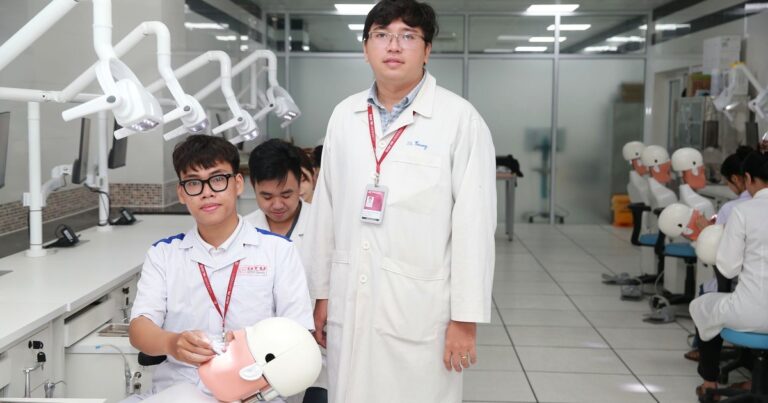
| 4.5 | Internship | Compulsory Rotatory Clinical Internship (24 weeks) | Hands-on patient care across various specialties (Orthopedics, Neurology, Cardio, Community) |
What is the Admission Process for DPT in India for 2026?
The admission process for DPT programs in India for 2026 typically involves entrance examinations followed by counseling. Some private institutions may offer direct admission based on 10+2 merit.
- Entrance Examination: Many universities conduct their own entrance exams (e.g., IPU CET, NEET for some states, specific university exams). These exams usually test knowledge in Physics, Chemistry, Biology, and sometimes General Aptitude.
- Application Submission: Candidates need to apply online or offline to their chosen universities within the specified deadlines.
- Merit List/Cut-off: Based on entrance exam scores or 10+2 marks, a merit list is prepared.
- Counseling/Interview: Shortlisted candidates are called for counseling, where they select colleges based on their rank. Some institutions might also conduct an interview.
- Document Verification & Fee Payment: Final admission is granted after successful document verification and payment of the first installment of fees.
Important Dates for DPT Admissions 2026 (Tentative)
| Event | Tentative Dates (2026) |
|---|---|
| Application Period (Entrance Exams) | March – May |
| Entrance Exam Dates | May – June |
| Result Declaration | June – July |
| Counseling/Admission | July – August |
| Classes Commence | August – September |
How Much Does Doctor of Physical Therapy (DPT) Cost in India?
The cost of pursuing a Doctor of Physical Therapy (DPT) in India varies significantly based on the type of institution (government vs. private) and its location. Generally, government colleges have lower fees compared to private universities.
- Government Colleges: Annual fees can range from INR 30,000 to INR 1,00,000.
- Private Colleges/Universities: Annual fees typically range from INR 1,00,000 to INR 5,00,000 or more.
These figures usually cover tuition fees but may not include hostel charges, examination fees, or other miscellaneous expenses, which can add another INR 50,000 to INR 1,50,000 annually.
Is Doctor of Physical Therapy (DPT) Worth It for Jobs and Career Prospects?
Yes, pursuing a Doctor of Physical Therapy (DPT) in India is generally considered a highly rewarding career choice with excellent job prospects and significant growth potential. The demand for qualified physiotherapists is consistently increasing due to an aging population, rising awareness of rehabilitation, and lifestyle-related disorders.
Career Opportunities After DPT
DPT graduates can find employment in a variety of settings:
- Hospitals: Government and private hospitals, multi-specialty clinics.
- Rehabilitation Centers: Specialized centers for neurological, orthopedic, cardiac, and sports rehabilitation.
- Sports Teams/Academies: Working with athletes for injury prevention and recovery.
- Private Practice: Establishing their own clinics.
- Educational Institutions: As faculty members or researchers.
- Community Health Centers: Providing services in rural and urban communities.
- Corporate Wellness Programs: Promoting ergonomics and employee health.
Average Salary for DPT Graduates in India (Entry-Level to Experienced)
Salaries for DPT graduates vary based on experience, location, and the type of employer. The DPT degree, with its advanced curriculum, often commands higher starting salaries compared to a BPT.
| Experience Level | Average Annual Salary Range (INR) | Typical Roles |
|---|---|---|
| Entry-Level (0-2 years) | 2,50,000 – 4,50,000 | Junior Physiotherapist, Clinical Intern |
| Mid-Level (3-7 years) | 4,50,000 – 8,00,000 | Senior Physiotherapist, Clinical Lead, Department Head (small clinic) |
| Experienced (8+ years) | 8,00,000 – 15,00,000+ | Chief Physiotherapist, Consultant Physiotherapist, Clinic Owner, Academician |
What are the Pros and Cons of a DPT Program?
Understanding the advantages and disadvantages can help students assess if the DPT program aligns with their career aspirations.
Pros of DPT
- Enhanced Clinical Skills: Deeper understanding of diagnostics, advanced treatment techniques, and clinical reasoning.
- Better Career Prospects: Often preferred for leadership roles and specialized positions.
- Higher Earning Potential: Generally commands higher salaries than BPT graduates.
- Global Recognition: DPT is increasingly becoming the entry-level standard in many developed countries, potentially aiding international career mobility.
- Scope for Specialization: Allows for advanced specialization in areas like sports, neurology, orthopedics, etc.
Cons of DPT
- Longer Duration (for post-BPT): If pursued after BPT, it adds several years to the total study period.
- Higher Cost: Generally more expensive than a BPT program, especially in private institutions.
- Intensive Curriculum: Demands rigorous academic and clinical commitment.
- Limited Direct Entry Options: While growing, direct-entry DPT programs are still fewer compared to BPT.
Explore more on FindMyCollege
Related pages for Doctor of Physical Therapy aspirants on findmycollege.com:
Frequently Asked Questions
Is DPT recognized by the Indian Association of Physiotherapists (IAP)?
Yes, for a DPT degree to be valid in India, it must be from a university or institution recognized by the Indian Association of Physiotherapists (IAP). Always verify the accreditation status of the college before admission.
Can I practice abroad after completing DPT in India?
While a DPT from India provides a strong foundation, practicing abroad often requires meeting specific licensing requirements of the host country, which may include additional examinations (e.g., NPTE for USA, PCE for Canada) and sometimes bridging courses or further education.
Are there any entrance exams specifically for DPT in India?
Yes, many universities conduct their own entrance exams for DPT admissions. Some states might consider NEET scores, while others have common entrance tests for allied health sciences. It’s crucial to check the specific requirements of your target universities.
What is the typical class size for a DPT program?
Class sizes can vary, but for DPT programs, they are often kept relatively small (e.g., 30-60 students per batch) to ensure adequate individual attention during practical sessions and clinical training.
Is there a difference in DPT duration for part-time vs. full-time study?
DPT programs in India are almost exclusively offered as full-time courses due to the intensive practical and clinical components. Part-time options are rare and would significantly extend the duration.
What kind of internship is required for DPT?
A compulsory rotatory clinical internship of 6 months (24 weeks) is required. This internship involves hands-on patient care and exposure to various specialties like orthopedics, neurology, cardiology, pediatrics, and community health, under the supervision of experienced physiotherapists.