Master in Media & Communication (Distance/Online) India 2026
Nishit Kumar is a senior EdTech industry leader with over a decade of experience in building and scaling education platforms, shaping their product, content, and growth strategy. At…
Latest update: Master in Media & Communication 2026 admissions & dates updated. Read more ›
Pursuing a Master in Media & Communication (MM&C) through distance or online learning in India offers a flexible and accessible pathway for professionals and graduates looking to advance their careers in the dynamic media landscape. This comprehensive guide provides all the essential information for prospective students considering the MM&C Distance/Online program for the 2026 academic year.
What is a Master in Media & Communication (Distance / Online)?
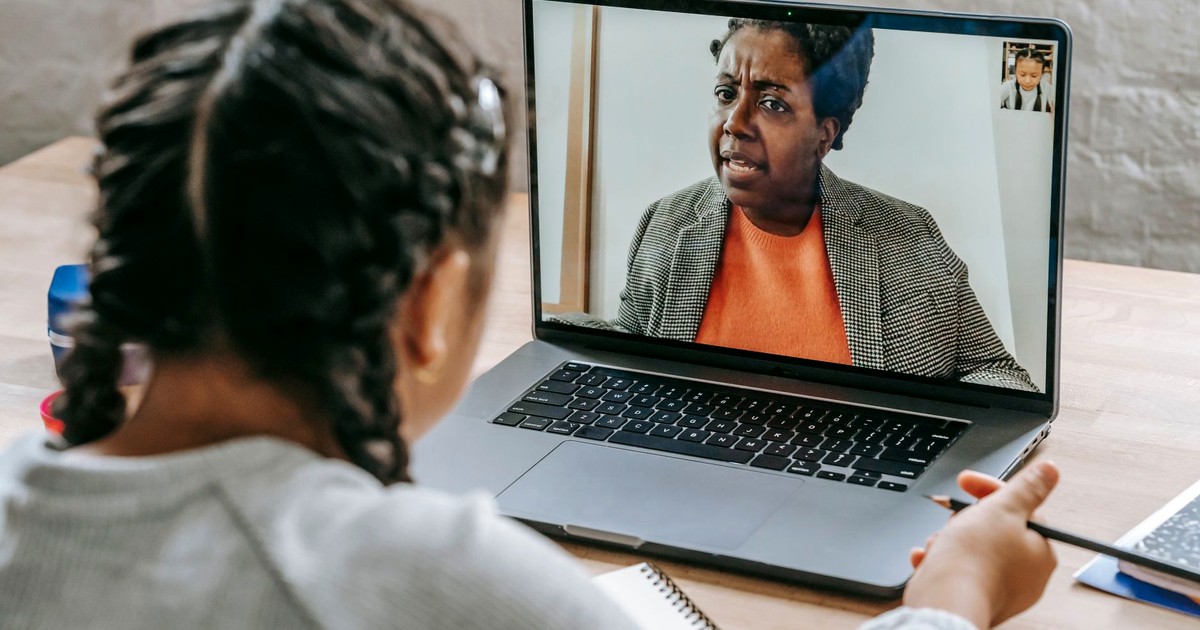
A Master in Media & Communication (MM&C) Distance/Online program is a postgraduate degree designed to equip students with advanced theoretical knowledge and practical skills in various facets of media, communication, and related industries, delivered entirely or predominantly through virtual platforms. This format allows students to study from anywhere, balancing their education with work or other commitments.
The curriculum typically covers areas such as journalism, public relations, advertising, digital media, corporate communication, media research, and media management. The online mode utilizes learning management systems (LMS), video lectures, online discussions, virtual assignments, and sometimes proctored online examinations.
What is the eligibility for Master in Media & Communication (Distance / Online)?
To be eligible for a Master in Media & Communication (Distance/Online) program, candidates generally need a bachelor’s degree in any discipline from a recognized university, often with a minimum aggregate percentage. Some institutions may prefer candidates with a background in media, journalism, communication, or arts, but it is not always a strict requirement.
- Educational Qualification: A Bachelor’s degree (10+2+3 or 10+2+4 pattern) in any discipline from a UGC-recognized university.
- Minimum Marks: Typically 45-50% aggregate marks in the qualifying bachelor’s degree. Some premier institutions might require higher percentages.
- Work Experience: While not always mandatory, some programs, especially those tailored for working professionals, may prefer or require 1-2 years of relevant work experience in media, communication, or related fields.
- Entrance Exams: Some universities may require candidates to clear an entrance exam (e.g., university-specific tests, or national-level exams if applicable for distance learning). However, many distance/online programs admit based on merit of the qualifying degree.
- English Proficiency: For programs taught in English, proficiency in the language is often assessed through the qualifying degree or sometimes through tests like IELTS/TOEFL for international students or specific university assessments.
How much does Master in Media & Communication (Distance / Online) cost in India?
The cost of a Master in Media & Communication (Distance/Online) program in India varies significantly based on the institution, its reputation, and whether it’s a government-affiliated or private university. Generally, distance learning programs are more affordable than their on-campus counterparts.
Fee Range for Master in Media & Communication (Distance / Online) 2026:
| Institution Type | Approximate Annual Fee Range (INR) | Total Program Fee Range (INR) |
|---|---|---|
| Government/Public Universities (e.g., IGNOU, State Open Universities) | ₹10,000 – ₹25,000 | ₹20,000 – ₹50,000 |
| Private Universities/Institutions | ₹30,000 – ₹80,000 | ₹60,000 – ₹1,60,000 |
| Premium Online/Hybrid Programs | ₹70,000 – ₹1,50,000+ | ₹1,40,000 – ₹3,00,000+ |
These figures typically include tuition fees, study materials, and examination fees. Additional costs might include application fees, project submission fees, or technology access fees.
What are the specializations available in Master in Media & Communication (Distance / Online)?
Master in Media & Communication (Distance/Online) programs offer a range of specializations allowing students to tailor their studies to specific career interests within the broad media and communication industry. Common specializations include:
- Digital Media & Marketing: Focuses on social media, SEO, content marketing, analytics, and online advertising.
- Journalism & Mass Communication: Covers print, broadcast, and digital journalism, reporting, editing, and media ethics.
- Public Relations & Corporate Communication: Deals with reputation management, media relations, crisis communication, and internal communication strategies.
- Advertising & Brand Management: Explores advertising strategies, creative development, media planning, and brand building.
- Media Management & Entrepreneurship: Focuses on the business aspects of media organizations, policy, and starting media ventures.
- Film & Television Studies: Some programs might offer modules on media production, scriptwriting, and media aesthetics.
Is Master in Media & Communication (Distance / Online) worth it for jobs and career advancement?
Yes, a Master in Media & Communication (Distance/Online) can be highly worth it for jobs and career advancement, especially for individuals seeking flexibility, upskilling, or a career transition into the media and communication sector. The value largely depends on the institution’s reputation, the quality of the curriculum, and the student’s proactive engagement.
The media industry is constantly evolving, with a high demand for skilled professionals in digital communication, content creation, PR, and marketing. An MM&C degree, even online, demonstrates advanced knowledge and commitment, making graduates competitive for roles such as:
- Digital Marketing Manager: Overseeing online campaigns, SEO, and social media.
- Content Strategist/Manager: Developing and managing content across various platforms.
- Public Relations Specialist/Manager: Managing public image and media relations for organizations.
- Journalist/Editor (Digital/Print/Broadcast): Reporting, writing, and editing news and features.
- Brand Manager: Developing and executing brand strategies.
- Media Planner/Buyer: Strategizing and purchasing advertising space.
- Corporate Communications Executive: Handling internal and external communications for companies.
What are the admission process and key dates for 2026?
The admission process for Master in Media & Communication (Distance/Online) programs typically involves online application, submission of documents, and sometimes an entrance exam or interview. Key dates for 2026 will vary by institution, but generally follow a similar pattern.
General Admission Process:
- Online Application: Fill out the application form on the university’s official distance learning portal.
- Document Submission: Upload scanned copies of academic transcripts (10th, 12th, Bachelor’s degree), identity proof, passport-sized photographs, and sometimes a Statement of Purpose (SOP) or Letters of Recommendation (LORs).
- Entrance Exam/Merit List: If an entrance exam is required, candidates will appear for it. Otherwise, admissions are based on the merit of the qualifying degree.
- Interview (if applicable): Some institutions might conduct a virtual interview.
- Fee Payment: Upon selection, pay the first installment or full program fee to confirm admission.
Tentative Key Dates for MM&C Distance/Online Admissions 2026 (General):
| Activity | Tentative Period (2026) | Remarks |
|---|---|---|
| Application Window (Jan Session) | October – December 2025 | For programs starting in January/February |
| Application Window (July Session) | April – June 2026 | For programs starting in July/August |
| Entrance Exam Dates (if applicable) | Varies by university; often in Dec/Jan or June/July | Check specific university notifications |
| Merit List/Admission Offers | Late Dec 2025 / Early Jan 2026 (Jan Session) | Late June / Early July 2026 (July Session) |
| Fee Payment & Enrollment | January 2026 (Jan Session) | July 2026 (July Session) |
Students are strongly advised to check the official websites of their preferred universities for exact dates and detailed admission guidelines for the 2026 academic year.
What are the pros and cons of Master in Media & Communication (Distance / Online)?
Choosing a Master in Media & Communication (Distance/Online) program comes with distinct advantages and disadvantages that prospective students should carefully consider.
Pros:
- Flexibility: Study at your own pace and schedule, ideal for working professionals or those with other commitments.
- Accessibility: Overcomes geographical barriers, allowing access to programs from top universities regardless of location.
- Cost-Effectiveness: Generally lower tuition fees compared to on-campus programs, plus savings on commuting, accommodation, and living expenses.
- Self-Paced Learning: Allows students to delve deeper into topics of interest and manage their learning journey effectively.
- Skill Development: Enhances self-discipline, time management, and digital literacy skills, which are highly valued in today’s job market.
- Diverse Cohort: Opportunity to interact with peers from various professional backgrounds and locations.
Cons:
- Lack of Face-to-Face Interaction: Limited direct interaction with faculty and peers, which might impact networking and collaborative learning experiences.
- Self-Discipline Required: Demands high levels of motivation and self-discipline to stay on track without the structured environment of a physical classroom.
- Technical Requirements: Requires reliable internet access and basic computer literacy; technical issues can disrupt learning.
- Perception: While improving, some employers might still perceive online degrees differently than traditional ones, though this is becoming less common for reputable institutions.
- Limited Practical Exposure: Hands-on experience in areas like studio production or field reporting might be less comprehensive than in traditional programs, though many online programs now incorporate virtual labs and project-based learning.
Explore more on FindMyCollege
Related pages for Master in Media & Communication aspirants on findmycollege.com:
Frequently Asked Questions
Is an online Master in Media & Communication degree recognized in India?
Yes, online Master in Media & Communication degrees from universities recognized by the University Grants Commission (UGC) and its Distance Education Bureau (DEB) are fully recognized in India for employment and further education purposes. Always verify the recognition status of the institution and program before enrolling.
Can I pursue a Master in Media & Communication (Distance / Online) after any bachelor’s degree?
Yes, most Master in Media & Communication (Distance/Online) programs accept graduates from any discipline. While a background in media or humanities can be advantageous, it is not typically a mandatory requirement. Strong communication skills and a genuine interest in the field are often more important.
What is the duration of the Master in Media & Communication (Distance / Online) program?
The standard duration for a Master in Media & Communication (Distance/Online) program in India is 2 years, divided into 4 semesters. However, some institutions may offer flexible completion options, allowing students to extend the duration up to 4-5 years.
Are there any entrance exams for Master in Media & Communication (Distance / Online)?
While many distance/online MM&C programs admit students based on their bachelor’s degree merit, some universities might conduct their own entrance tests. National-level exams are less common for purely distance/online programs, but it’s crucial to check the specific requirements of each university you apply to.
How do online classes and examinations work for MM&C?
Online classes typically involve pre-recorded video lectures, live virtual sessions, discussion forums, and digital study materials accessible through a Learning Management System (LMS). Examinations are often conducted online, either through proctored platforms (where you are monitored via webcam) or through assignment-based evaluations and project submissions.
What kind of support do distance learning students receive?
Distance learning students typically receive academic support through online forums, email communication with faculty, dedicated student support helplines, and sometimes virtual counseling sessions. Many programs also provide access to digital libraries and online resources.