M.Sc Microbiology Full Form & Course Details India 2026
Nishit Kumar is a senior EdTech industry leader with over a decade of experience in building and scaling education platforms, shaping their product, content, and growth strategy. At…
Latest update: M.Sc in Microbiology 2026 admissions & dates updated. Read more ›
The full form of M.Sc in Microbiology is Master of Science in Microbiology. This postgraduate degree focuses on the study of microorganisms, including bacteria, viruses, fungi, algae, and protozoa.
What is M.Sc in Microbiology?
M.Sc in Microbiology is a two-year postgraduate program designed for students who wish to delve deeper into the fascinating world of microorganisms and their applications. The curriculum typically covers advanced topics in microbial physiology, genetics, immunology, virology, industrial microbiology, and environmental microbiology.
Course Overview
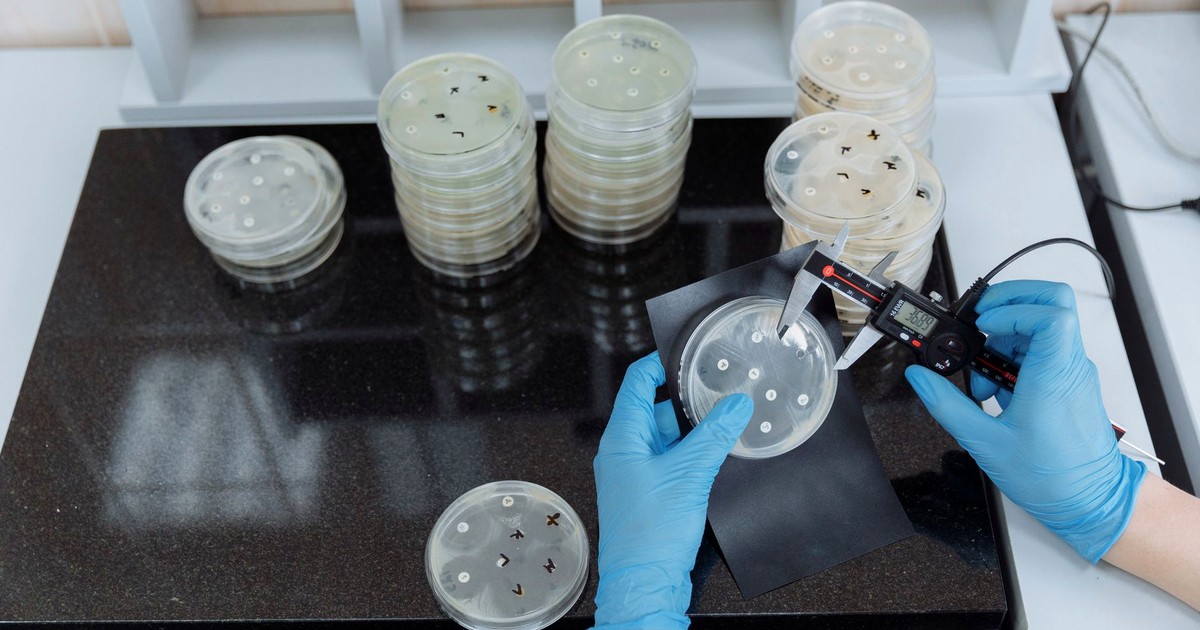
This program provides comprehensive theoretical knowledge and practical skills essential for research, diagnostics, and industrial applications. Students gain expertise in laboratory techniques, data analysis, and scientific communication relevant to the field of microbiology.
Eligibility Criteria for M.Sc Microbiology (2026)
To be eligible for an M.Sc in Microbiology in 2026, candidates typically need a Bachelor’s degree in Science with a focus on subjects like Microbiology, Biology, Biochemistry, Biotechnology, or related life science disciplines. A minimum aggregate score, usually ranging from 50% to 60%, is generally required from a recognized university.
Key Requirements
- Bachelor’s degree (B.Sc) in a relevant science stream.
- Minimum aggregate marks (e.g., 50-60%) in the qualifying examination.
- Some universities may require entrance exam scores.
- No age limit is typically imposed for this postgraduate course.
M.Sc Microbiology Course Duration and Structure
The M.Sc in Microbiology is a full-time, two-year postgraduate program, usually divided into four semesters. Each semester includes a mix of core subjects, elective options, practical laboratory sessions, and often a research project or dissertation in the final year.
Typical Semester Breakdown
The course structure is designed to build foundational knowledge in the initial semesters and then allow for specialization. Practical training is a significant component, ensuring students develop hands-on laboratory skills.
Admission Process for M.Sc Microbiology in India (2026)
Admission to M.Sc Microbiology programs in 2026 typically involves either direct admission based on undergraduate merit or through university-specific entrance examinations. Some prestigious institutions may also conduct personal interviews.
Steps for Admission
- Application submission (online or offline).
- Appearance in entrance exams (e.g., CUET PG, university-specific tests).
- Merit list declaration based on exam scores or undergraduate performance.
- Counseling and document verification.
- Fee payment and admission confirmation.
M.Sc Microbiology Fees in India (2026)
The average annual fees for an M.Sc in Microbiology in India for 2026 can range significantly, typically from INR 30,000 to INR 2,00,000 per annum, depending on the type of institution (government vs. private) and its reputation.
Fee Structure Comparison (Estimated 2026)
| Institution Type | Average Annual Fees (INR) | Key Factors Influencing Fees |
|---|---|---|
| Government Universities/Colleges | 30,000 – 80,000 | Subsidized education, state/central funding |
| Private Universities/Colleges | 70,000 – 2,00,000+ | Infrastructure, faculty, facilities, brand value |
| Deemed Universities | 60,000 – 1,80,000 | Autonomy, specialized courses, research focus |
Career Prospects After M.Sc in Microbiology
Graduates with an M.Sc in Microbiology have diverse career opportunities in various sectors, including healthcare, pharmaceuticals, food and beverage, environmental agencies, and research institutions. The demand for skilled microbiologists remains consistently high.
Job Roles and Sectors
- Research Scientist: In academic institutions, government labs, or private R&D.
- Microbiologist: In pharmaceutical companies, biotech firms, or diagnostic labs.
- Quality Control/Assurance Executive: In food, dairy, and beverage industries.
- Clinical Microbiologist: In hospitals and pathology labs.
- Environmental Microbiologist: In pollution control boards or environmental consultancies.
- Lecturer/Professor: In colleges and universities (after qualifying NET/SET).
- Food Safety Officer: Ensuring compliance with food safety standards.
Top Colleges for M.Sc Microbiology in India (2026)
India boasts numerous reputable institutions offering M.Sc in Microbiology, known for their strong faculty, research facilities, and industry connections. Some prominent names include the University of Delhi, Banaras Hindu University, Pune University, and various state universities.
Factors to Consider When Choosing a College
- Accreditation and rankings.
- Faculty expertise and research output.
- Laboratory facilities and equipment.
- Industry collaborations and placement records.
- Curriculum relevance and elective options.
Explore more on FindMyCollege
Related pages for M.Sc in Microbiology aspirants on findmycollege.com:
Frequently Asked Questions
Q: What is the full form of M.Sc in Microbiology?
A: The full form of M.Sc in Microbiology is Master of Science in Microbiology.
Q: What are the career options after M.Sc Microbiology?
A: After M.Sc Microbiology, you can pursue careers as a Research Scientist, Microbiologist, Quality Control Executive, Clinical Microbiologist, Environmental Microbiologist, or even a Lecturer/Professor.
Q: Is an M.Sc in Microbiology a good career choice in India?
A: Yes, an M.Sc in Microbiology is considered a good career choice in India due to increasing demand in healthcare, pharmaceuticals, food safety, and environmental sectors, offering diverse job roles and growth opportunities.
Q: What is the average salary for an M.Sc Microbiologist in India?
A: The average starting salary for an M.Sc Microbiologist in India can range from INR 2.5 LPA to INR 5 LPA, depending on the industry, experience, and the institution they graduated from. With experience, salaries can significantly increase.
Q: Do I need an entrance exam for M.Sc Microbiology admission in 2026?
A: Many universities and colleges in India require candidates to clear an entrance exam (e.g., CUET PG, or university-specific tests) for M.Sc Microbiology admission in 2026. However, some institutions may offer admission based purely on undergraduate merit.