BDS Distance/Online in India 2026: Eligibility, Fees, & Jobs
Nishit Kumar is a senior EdTech industry leader with over a decade of experience in building and scaling education platforms, shaping their product, content, and growth strategy. At…
Latest update: BDS 2026 admissions & dates updated. Read more ›
BDS Distance / Online in India 2026: A Comprehensive Guide
For aspiring dental professionals in India, the Bachelor of Dental Surgery (BDS) is the foundational undergraduate degree. However, a common query among students and parents is whether this demanding medical course can be pursued through distance or online learning modes. This comprehensive guide addresses all aspects of BDS Distance / Online in India for the 2026 academic year, covering eligibility, course structure, fees, career prospects, and crucial regulatory information.
Can BDS be done through Distance or Online Learning in India?
No, BDS (Bachelor of Dental Surgery) cannot be pursued through distance or online learning modes in India. The Dental Council of India (DCI), the statutory body regulating dental education and practice in the country, mandates that BDS is a full-time, campus-based professional course requiring extensive practical training, clinical exposure, and hands-on patient interaction. Online or distance learning formats are not recognized for BDS degrees in India.
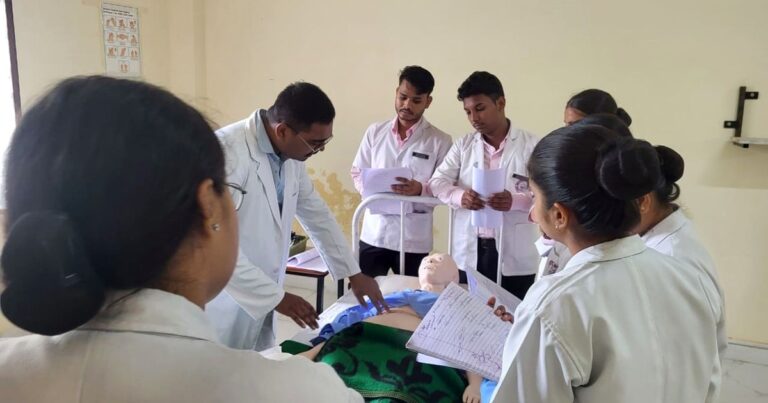
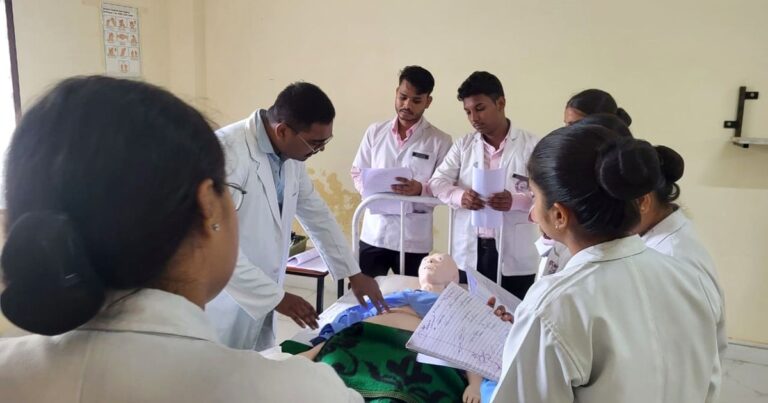
The nature of dental education necessitates direct supervision by experienced faculty, access to specialized dental equipment, and practical experience in treating patients. These critical components cannot be replicated effectively through virtual platforms. Any institution claiming to offer an ‘online’ or ‘distance’ BDS program in India would be operating outside DCI regulations, and such a degree would not be recognized for practice.
What is the Eligibility for a Regular BDS Course in India?
To be eligible for a regular, DCI-approved BDS course in India, candidates must meet specific academic and age criteria. Since distance/online BDS is not an option, these are the requirements for the standard program.
- Academic Qualification: Candidates must have passed the 10+2 examination or its equivalent with Physics, Chemistry, Biology/Biotechnology, and English as core subjects.
- Minimum Marks: A minimum aggregate of 50% marks in Physics, Chemistry, and Biology (PCB) is generally required for General category candidates. For SC/ST/OBC candidates, this requirement is usually relaxed to 40%.
- Age Limit: The candidate must have completed 17 years of age on or before December 31st of the admission year. There is generally no upper age limit for NEET-UG as per recent Supreme Court rulings, but individual colleges might have specific criteria.
- Entrance Examination: Admission to all BDS colleges in India is strictly based on the National Eligibility cum Entrance Test (NEET-UG) score.
What is the Admission Process for BDS in India (2026)?
The admission process for a regular BDS program in India is centralized and merit-based, primarily through the NEET-UG examination.
- NEET-UG Application: Candidates must apply for the NEET-UG examination, typically conducted by the National Testing Agency (NTA). The application window usually opens in February-March.
- NEET-UG Examination: Appear for the NEET-UG exam, generally held in May. This is a single national-level entrance test for admission to MBBS, BDS, AYUSH, and other medical courses.
- Results & Merit List: NTA declares NEET-UG results, usually in June. A national merit list is prepared based on scores.
- Counseling: Qualified candidates participate in counseling sessions conducted by the Medical Counselling Committee (MCC) for All India Quota seats (15%) and by respective State Counseling Authorities for State Quota seats (85%).
- College Allotment & Admission: Based on NEET rank, preferences, and seat availability, candidates are allotted colleges. They must then report to the allotted college for document verification and admission formalities.
Key Dates for NEET-UG 2026 (Tentative)
Please note these are highly tentative dates based on previous years’ patterns. Official dates will be released by NTA.
| Event | Tentative Date (2026) |
|---|---|
| NEET-UG Application Start | February 2026 |
| NEET-UG Application End | March 2026 |
| NEET-UG Exam Date | First Sunday of May 2026 |
| NEET-UG Result Declaration | June 2026 |
| Counseling (All India & State) | July – September 2026 |
How much does a Regular BDS Course Cost in India?
The cost of a regular BDS course in India varies significantly between government and private institutions. Since distance/online BDS is not an option, these figures apply to the standard full-time program.
- Government Colleges: Fees are considerably lower due to government subsidies. Annual fees can range from INR 20,000 to INR 1,00,000.
- Private Colleges: Fees are much higher and can range from INR 2,00,000 to INR 6,00,000 or more per annum. Deemed universities often have even higher fee structures.
These figures typically include tuition fees but may not cover hostel charges, examination fees, library fees, or other miscellaneous expenses, which can add substantially to the overall cost.
What is the Curriculum and Duration of a Regular BDS Program?
The BDS program is a comprehensive undergraduate course designed to equip students with the knowledge and skills required for dental practice. Its duration is 5 years, which includes 4 years of academic study and 1 year of compulsory rotating internship.
BDS Curriculum Overview (Typical Subjects)
The curriculum is structured to provide a strong foundation in basic medical sciences before moving to specialized dental subjects.
| Year | Key Subjects |
|---|---|
| 1st Year | General Human Anatomy, General Human Physiology & Biochemistry, Dental Anatomy & Histology, Dental Materials, Oral Biology |
| 2nd Year | General Pathology & Microbiology, General & Dental Pharmacology & Therapeutics, Oral Pathology & Oral Microbiology, Preclinical Conservative Dentistry, Preclinical Prosthodontics, Dental Materials |
| 3rd Year | General Medicine, General Surgery, Oral Pathology & Microbiology, Conservative Dentistry & Endodontics, Oral & Maxillofacial Surgery, Periodontology, Public Health Dentistry |
| 4th Year | Oral Medicine & Radiology, Pedodontics & Preventive Dentistry, Orthodontics & Dentofacial Orthopedics, Prosthodontics & Crown & Bridge, Conservative Dentistry & Endodontics, Periodontology, Oral & Maxillofacial Surgery |
| 5th Year (Internship) | Compulsory rotating internship across various dental specialties, gaining hands-on clinical experience. |
What are the Career Prospects and Salary after a Regular BDS?
A BDS degree opens up a wide array of career opportunities in both the public and private sectors. The field of dentistry is constantly evolving, offering diverse specializations and roles.
Career Paths for BDS Graduates:
- General Dental Practitioner: Most common path, involving setting up private practice or working in private clinics.
- Government Sector: Opportunities in government hospitals, community health centers, and dental departments of armed forces.
- Academics & Research: Teaching positions in dental colleges or research roles.
- Specialization (MDS): Pursuing a Master of Dental Surgery (MDS) in fields like Orthodontics, Oral & Maxillofacial Surgery, Periodontics, Endodontics, Pedodontics, Prosthodontics, etc., to become a specialist.
- Dental Consultant: Working with corporate dental chains or healthcare companies.
- Public Health Dentistry: Working on community dental health programs.
Average Salary Ranges for BDS Graduates (India)
Salaries can vary significantly based on experience, location, type of practice (government vs. private), and specialization.
| Role | Experience Level | Average Annual Salary Range (INR) |
|---|---|---|
| Junior Dentist / Intern | 0-1 Year | INR 1,80,000 – 3,60,000 |
| General Dentist | 1-5 Years | INR 3,00,000 – 7,00,000 |
| Experienced General Dentist | 5+ Years | INR 6,00,000 – 15,00,000+ (Private Practice can be much higher) |
| MDS Specialist | Post-MDS | INR 8,00,000 – 30,00,000+ (Highly variable by specialization and practice) |
Is BDS worth it for jobs and career growth in India?
Yes, a BDS degree is definitely worth it for jobs and career growth in India, provided it is pursued through a recognized, full-time program. The demand for dental healthcare professionals remains consistent, and with an increasing awareness of oral hygiene, the scope for dentists is expanding. While the initial years might involve establishing a practice or gaining experience, the long-term prospects, especially after specialization (MDS), are very rewarding both financially and professionally.
Career growth in dentistry often involves continuous learning, adopting new technologies, and potentially specializing. The ability to establish a private practice offers significant autonomy and earning potential.
Are there any alternatives to BDS if I cannot pursue a full-time course?
If a full-time BDS course is not feasible, there are limited but relevant alternatives in the dental and allied health fields, though none offer the same scope as a BDS degree.
- Dental Hygienist/Therapist Courses: These are diploma or certificate courses focusing on preventive dental care, oral hygiene instruction, and basic dental procedures. They are shorter in duration and less intensive than BDS.
- Dental Assistant Courses: These programs train individuals to assist dentists during procedures, manage dental offices, and sterilize instruments. They are typically short-term certificate courses.
- Medical Transcription/Coding (Dental Focus): While not direct dental practice, these roles can be pursued online and involve working with dental patient records.
It is crucial to understand that none of these alternatives allow an individual to practice as a dentist or perform complex dental procedures. They are supportive roles within the dental healthcare system.
Explore more on FindMyCollege
Related pages for BDS aspirants on findmycollege.com:
Frequently Asked Questions
Can I get a BDS degree from a foreign university online and practice in India?
No, a BDS degree obtained online from any foreign university will not be recognized by the Dental Council of India (DCI) for practicing dentistry in India. The DCI mandates a full-time, residential program for licensure.
Are there any bridge courses or lateral entry options for BDS through distance learning?
No, there are no bridge courses or lateral entry options for BDS through distance learning. The DCI regulations do not permit any such shortcuts for this professional degree.
What happens if I pursue an unrecognized online BDS course?
If you pursue an unrecognized online BDS course, your degree will not be valid for practicing dentistry in India. You will not be able to register with the State Dental Council or the DCI, making it impossible to work as a licensed dentist.
Is there any part-time BDS program available in India?
No, there are no part-time BDS programs available in India. BDS is strictly a full-time, intensive course requiring dedicated attendance and practical training.
Can I prepare for NEET-UG online for BDS admission?
Yes, you can certainly prepare for the NEET-UG examination online through various coaching platforms, online courses, and study materials. However, this online preparation is for the entrance exam, not for the BDS course itself.
What is the difference between BDS and MDS?
BDS (Bachelor of Dental Surgery) is an undergraduate degree, the primary qualification to practice as a general dentist. MDS (Master of Dental Surgery) is a postgraduate specialization degree pursued after BDS, allowing dentists to become specialists in fields like Orthodontics, Oral Surgery, etc.
Are there any diploma courses in dentistry that can be done online?
While some basic certificate courses in dental assisting or dental office management might be offered online by private institutions, these are not recognized by the DCI for clinical practice. Any diploma course allowing direct patient interaction or dental procedures would require a hands-on, in-person component and would not be fully online.