Bachelor of Fine Arts (BFA) Distance/Online in India 2026
Nishit Kumar is a senior EdTech industry leader with over a decade of experience in building and scaling education platforms, shaping their product, content, and growth strategy. At…
Latest update: Bachelor of Fine Arts 2026 admissions & dates updated. Read more ›
Pursuing a Bachelor of Fine Arts (BFA) through distance or online learning in India offers a flexible pathway for aspiring artists to hone their skills and earn a recognized degree without the constraints of traditional on-campus education. This comprehensive guide covers everything you need to know about BFA Distance/Online programs for the 2026 academic year, including eligibility, fees, specializations, and career opportunities.
What is Bachelor of Fine Arts (BFA) Distance/Online?
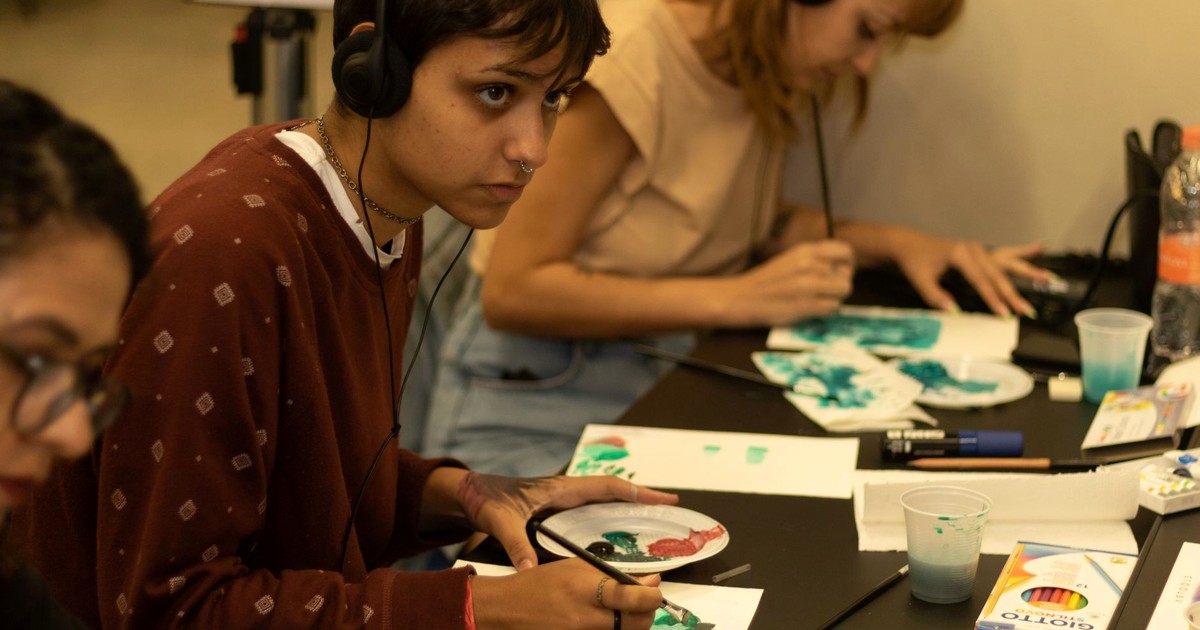
A Bachelor of Fine Arts (BFA) Distance/Online program is an undergraduate degree course focused on visual and performing arts, delivered through virtual platforms and self-study modules. It allows students to learn artistic techniques, theories, and history remotely, making it ideal for working professionals, students in remote areas, or those seeking flexible learning options.
These programs typically span 3-4 years, similar to their regular counterparts, and cover a wide array of subjects from drawing and painting to sculpture, digital art, and art history. The curriculum is designed to provide both theoretical knowledge and practical skills, often incorporating online workshops, virtual critiques, and project-based assessments.
What is the eligibility for Bachelor of Fine Arts Distance/Online?
To be eligible for a Bachelor of Fine Arts Distance/Online program, candidates generally need to have completed their 10+2 (or equivalent) examination from a recognized board, with a minimum aggregate score, typically ranging from 45% to 50%. Some institutions may also require an aptitude test or a portfolio submission to assess artistic potential.
Specific eligibility criteria can vary between universities, but the fundamental requirement remains a Senior Secondary Certificate. There is usually no age limit for distance learning BFA programs, making them accessible to a broad demographic of learners.
How much does Bachelor of Fine Arts Distance/Online cost in India?
The cost of a Bachelor of Fine Arts Distance/Online program in India is generally more affordable than traditional on-campus courses, with fees varying significantly between government and private institutions. Annual fees can range from INR 10,000 to INR 60,000, depending on the university and the specialization chosen.
Government-recognized open universities typically offer more economical options, while private institutions, especially those with advanced digital learning resources, might have higher fees. It’s important to factor in additional costs such as study materials, examination fees, and potential workshop charges.
BFA Distance/Online Fee Ranges (Annual – 2026 Estimates)
| Institution Type | Average Annual Fee Range (INR) | Key Factors Influencing Cost |
|---|---|---|
| Government/Open Universities (e.g., IGNOU) | 10,000 – 25,000 | Subsidized education, basic digital resources |
| Private Universities/Institutions | 25,000 – 60,000+ | Advanced online platforms, specialized faculty, industry tie-ups |
What specializations are available in BFA Distance/Online?
Bachelor of Fine Arts Distance/Online programs offer a diverse range of specializations, allowing students to focus on specific artistic disciplines. Common specializations include Painting, Applied Art, Sculpture, Digital Art, Photography, and Art History.
While practical subjects like sculpture might have limited distance options requiring some on-campus workshops, many specializations are well-suited for online delivery. Students should check the specific curriculum of each program to ensure it aligns with their artistic interests and career goals.
Popular BFA Distance/Online Specializations
- Painting: Focuses on various painting techniques, mediums, and art history.
- Applied Art: Combines fine art principles with commercial applications like advertising, graphic design, and illustration.
- Digital Art: Explores digital tools and software for creating art, including graphic design, animation, and digital illustration.
- Photography: Covers photographic techniques, digital editing, and visual storytelling.
- Art History & Theory: In-depth study of art movements, artists, and critical analysis.
People Also Read




Is Bachelor of Fine Arts Distance/Online worth it for jobs?
Yes, a Bachelor of Fine Arts Distance/Online degree can be highly valuable for job prospects, especially in the evolving creative industries. The worth of the degree largely depends on the student’s portfolio, practical skills, and networking efforts, rather than solely on the mode of study. Employers in the creative field prioritize demonstrable talent and a strong body of work.
Graduates can find opportunities in various sectors, including advertising, media, publishing, fashion, animation, gaming, and education. The flexibility of distance learning also allows students to gain practical experience or internships concurrently with their studies, enhancing their employability.
Career Prospects and Average Salary Ranges (Annual – 2026 Estimates)
| Job Role | Average Annual Salary Range (INR) | Key Responsibilities |
|---|---|---|
| Graphic Designer | 2.5 – 6 Lakhs | Creating visual concepts using computer software or by hand, to communicate ideas that inspire, inform, or captivate consumers. |
| Illustrator | 2 – 5 Lakhs | Creating images and designs for books, magazines, advertising, and digital media. |
| Animator | 3 – 7 Lakhs | Designing and creating motion graphics and visual effects for film, television, video games, and other media. |
| Art Teacher/Instructor | 2.5 – 5.5 Lakhs | Teaching art techniques and history in schools, colleges, or private institutions. |
| Web Designer | 3 – 6.5 Lakhs | Designing user interfaces and visual layouts for websites. |
| Photographer | 2 – 5 Lakhs | Capturing and editing images for various purposes, including commercial, editorial, and artistic. |
Note: Salaries are highly dependent on skill, experience, portfolio quality, location, and company. Entry-level salaries may be lower.
What are the admission process and key dates for BFA Distance/Online in 2026?
The admission process for BFA Distance/Online programs in 2026 typically involves online application, submission of academic documents, and in some cases, an entrance exam or portfolio review. Key dates vary by university, but applications generally open in the spring and close in the summer for the academic year starting in July/August.
General Admission Process Steps:
- Online Application: Fill out the application form on the university’s official website.
- Document Submission: Upload scanned copies of 10th and 12th-grade mark sheets, identity proof, and passport-sized photographs.
- Entrance Exam/Portfolio (if required): Some universities conduct an online aptitude test or require a digital portfolio submission.
- Fee Payment: Pay the application fee and, upon selection, the first installment of the tuition fee.
- Admission Confirmation: Receive confirmation of admission and access to the learning portal.
Tentative Key Dates for BFA Distance/Online Admissions 2026:
- Application Window: March – June 2026
- Entrance Exam/Portfolio Submission: May – July 2026 (if applicable)
- Merit List/Admission Offers: July – August 2026
- Session Commencement: August – September 2026
It is crucial to check the specific admission calendar of your chosen university for precise dates.
Which are the top colleges/universities offering BFA Distance/Online in India?
While a traditional BFA is often campus-based, several reputable institutions and open universities in India offer recognized Bachelor of Fine Arts or equivalent programs through distance or online modes. These institutions are known for their structured curriculum and support systems for remote learners.
- Indira Gandhi National Open University (IGNOU): A pioneer in distance education, IGNOU offers various arts-related courses, including a Bachelor of Arts (BA) with Fine Arts electives, and specific certificate/diploma courses in visual arts that can complement a BFA.
- Dr. B.R. Ambedkar Open University (BRAOU): Offers Bachelor of Arts programs with fine arts components.
- Karnataka State Open University (KSOU): Provides various undergraduate arts programs that may include fine arts subjects.
- Other State Open Universities: Many state open universities across India are developing or already offer arts programs with fine arts specializations suitable for distance learning.
It’s important to verify the accreditation and recognition of the degree for professional purposes. Always check the University Grants Commission (UGC) and Distance Education Bureau (DEB) approvals for any distance learning program.
What are the advantages and disadvantages of BFA Distance/Online?
Opting for a BFA Distance/Online program comes with distinct advantages, primarily flexibility and affordability, but also presents certain challenges, particularly concerning practical, hands-on learning.
Advantages:
- Flexibility: Study at your own pace and schedule, ideal for working professionals or those with other commitments.
- Accessibility: Overcomes geographical barriers, allowing students from remote areas to pursue higher education in fine arts.
- Cost-Effective: Generally lower tuition fees and reduced living expenses compared to on-campus programs.
- Self-Paced Learning: Allows students to delve deeper into subjects of interest and revisit complex topics.
- Portfolio Development: Many programs emphasize practical projects, aiding in the creation of a strong professional portfolio.
Disadvantages:
- Lack of Hands-on Studio Experience: Limited direct access to physical studios, specialized equipment, and immediate faculty feedback.
- Self-Discipline Required: Demands high levels of motivation and time management skills.
- Networking Challenges: Fewer opportunities for in-person interaction with peers and faculty, which can impact networking.
- Practical Subject Limitations: Certain specializations like sculpture or printmaking may be harder to teach effectively online.
- Digital Divide: Requires reliable internet access and digital literacy.
Explore more on FindMyCollege
Related pages for Bachelor of Fine Arts aspirants on findmycollege.com:
Frequently Asked Questions
Is a BFA Distance/Online degree recognized by employers?
Yes, a BFA Distance/Online degree from a UGC-DEB approved university is generally recognized by employers. The key factor for employment in fine arts is often the quality of your portfolio and practical skills, which can be developed effectively through distance learning with dedication.
Can I pursue a Master’s degree after completing a BFA Distance/Online?
Yes, graduates of a recognized BFA Distance/Online program are eligible to pursue Master’s degrees (MFA or MA in Fine Arts/related fields) in India and abroad, provided they meet the specific admission criteria of the postgraduate program.
Are there any practical workshops or contact classes in BFA Distance/Online programs?
Some universities offering BFA Distance/Online programs may organize optional or mandatory practical workshops, contact classes, or summer camps at designated study centers to provide hands-on experience, especially for subjects requiring physical interaction. Students should inquire about these provisions.
What kind of technical requirements are there for online BFA?
Students typically need a reliable computer/laptop, a stable internet connection, a webcam, microphone, and access to relevant art software (e.g., Adobe Creative Suite for digital art) if specified by the curriculum. Basic digital literacy is also essential.
How is the practical component assessed in a BFA Distance/Online program?
Practical components are usually assessed through digital portfolio submissions, project-based assignments, online critiques, video demonstrations of techniques, and sometimes through practical examinations conducted at designated centers or via proctored online sessions.
Is an entrance exam compulsory for BFA Distance/Online admissions?
Not all universities require an entrance exam for BFA Distance/Online. Some may admit based on 10+2 merit, while others might conduct an online aptitude test or require a portfolio submission to gauge artistic ability. Always check the specific university’s admission guidelines.