B.Sc Optometry Syllabus 2026: Course Details, Fees & Jobs
Nishit Kumar is a senior EdTech industry leader with over a decade of experience in building and scaling education platforms, shaping their product, content, and growth strategy. At…
Latest update: B.Sc in Optometry 2026 admissions & dates updated. Read more ›
Welcome to the comprehensive guide for the B.Sc in Optometry Syllabus 2026 in India. This page is designed to provide prospective students and parents with a detailed overview of this paramedical undergraduate program, covering everything from course structure and eligibility to career prospects and financial considerations. Understanding the syllabus is crucial for making an informed decision about your academic and professional future in eye care.
What is B.Sc in Optometry?
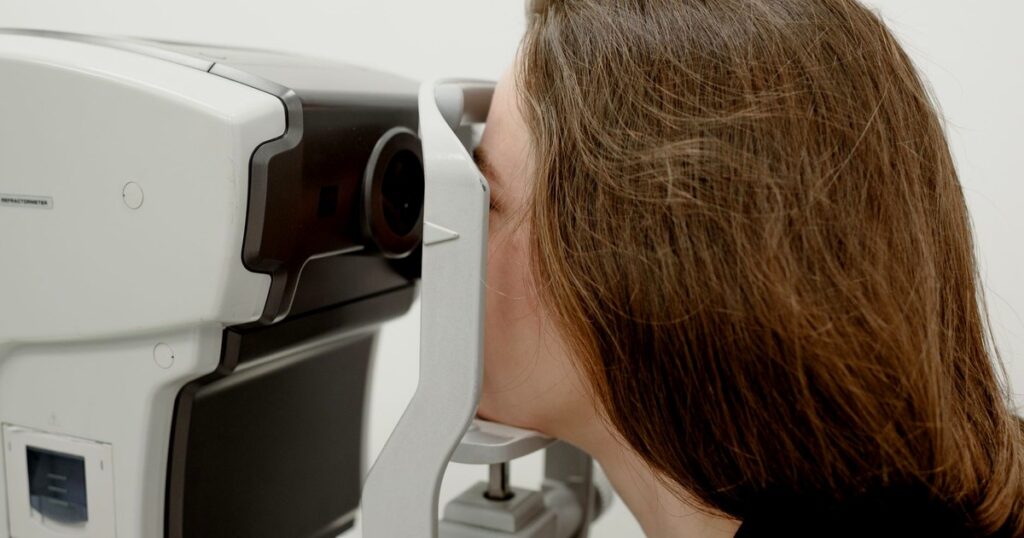
B.Sc in Optometry is a three-year undergraduate paramedical course focused on the study of the human eye, vision, visual systems, and related disorders. Graduates are trained to diagnose, manage, and treat various eye conditions, prescribe corrective lenses, and provide primary eye care services.
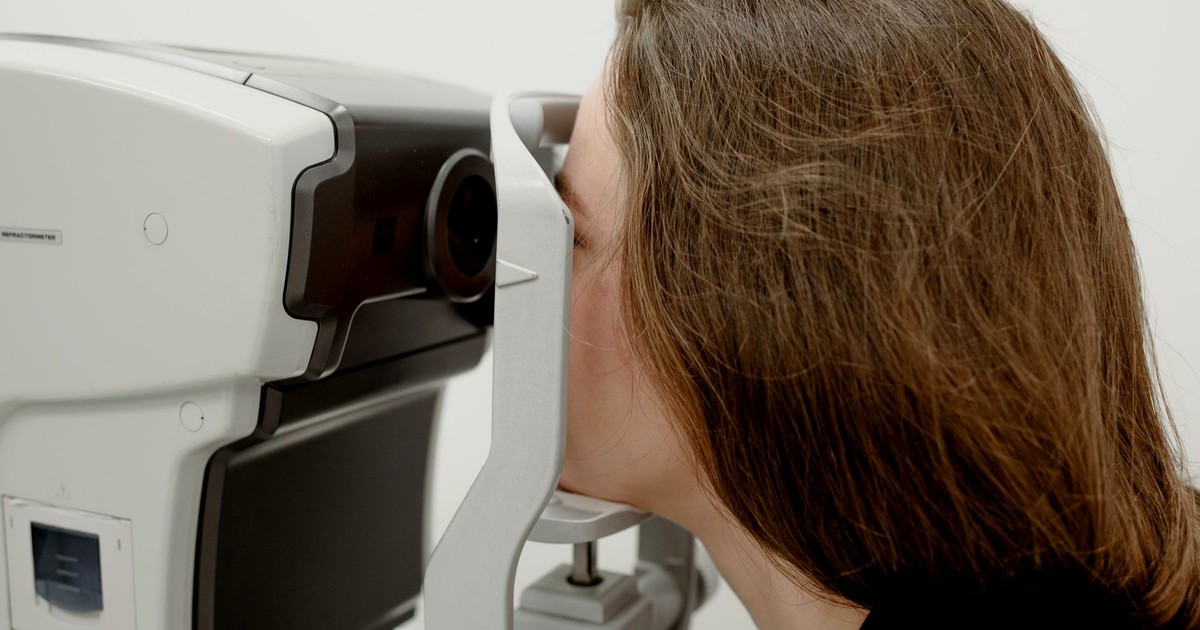
The program combines theoretical knowledge with practical clinical training, preparing students to become skilled optometrists. Optometrists play a vital role in the healthcare system by detecting eye diseases, prescribing spectacles and contact lenses, and rehabilitating patients with low vision.
What is the eligibility for B.Sc in Optometry in 2026?
To be eligible for B.Sc in Optometry in 2026, candidates must have successfully completed their 10+2 (or equivalent) examination with Physics, Chemistry, and Biology (PCB) or Physics, Chemistry, and Mathematics (PCM) as core subjects from a recognized board. Most colleges require a minimum aggregate score, typically ranging from 45% to 50%.
Some institutions may also conduct an entrance examination, followed by a counseling session. Age criteria might apply, with a minimum age of 17 years by December 31st of the admission year being common.
Are there any specific subject requirements for B.Sc Optometry?
Yes, the primary subject requirement is a strong foundation in Physics, Chemistry, and Biology (PCB). While some colleges might accept PCM students, PCB is generally preferred and often mandatory, as the curriculum heavily relies on biological and chemical principles related to the human eye. English is also a compulsory subject at the 10+2 level.
What is the B.Sc Optometry Syllabus and Course Structure?
The B.Sc Optometry syllabus is meticulously designed to provide a holistic understanding of ocular anatomy, physiology, optics, and clinical optometry. The course is typically divided into six semesters, with a mix of theoretical subjects, practical labs, and clinical rotations.
Semester-wise Breakdown of B.Sc Optometry Syllabus (Typical)
The following table provides a general overview of subjects covered across the semesters. Actual subjects may vary slightly between universities.
| Semester | Core Subjects | Practical/Clinical Components |
|---|---|---|
| Semester 1 | General Anatomy, General Physiology, Geometrical Optics, Physical Optics, Ocular Anatomy, Ocular Physiology | Optics Lab, Anatomy & Physiology Lab |
| Semester 2 | Visual Optics, Ophthalmic Optics, Biochemistry, Microbiology, Pathology, Environmental Studies | Ophthalmic Lens Lab, Biochemistry Lab |
| Semester 3 | Ocular Pharmacology, Dispensing Optics, Binocular Vision, Contact Lens I, Ophthalmic Instruments | Dispensing Lab, Ophthalmic Instruments Lab |
| Semester 4 | Systemic Diseases & Eye, Low Vision Aids, Public Health & Community Optometry, Contact Lens II, Clinical Optometry I | Contact Lens Lab, Clinical Rotations (Basic) |
| Semester 5 | Pediatric Optometry, Geriatric Optometry, Advanced Contact Lens, Clinical Optometry II, Investigative Optometry | Advanced Contact Lens Lab, Clinical Rotations (Intermediate) |
| Semester 6 | Ocular Diseases & Management, Vision Therapy, Practice Management & Ethics, Clinical Optometry III, Project Work/Internship | Clinical Rotations (Advanced), Project/Internship |
What are the key specializations or advanced topics in Optometry?
While B.Sc Optometry provides a broad foundation, students can specialize further through postgraduate studies (M.Optom) or certifications. Key advanced topics and potential specializations include Contact Lens Technology, Low Vision Rehabilitation, Pediatric Optometry, Ocular Disease Management, Sports Vision, and Vision Therapy. These areas allow optometrists to develop niche expertise and offer specialized services.
How much does B.Sc in Optometry cost in India (2026)?
The cost of pursuing B.Sc in Optometry in India varies significantly based on the type of institution (government vs. private) and its location. Generally, government colleges offer more affordable fees compared to private universities.
B.Sc Optometry Fee Ranges (Annual, 2026 Estimates)
| Institution Type | Annual Fee Range (INR) |
|---|---|
| Government Colleges/Universities | ₹20,000 – ₹80,000 |
| Private Colleges/Universities | ₹70,000 – ₹3,00,000+ |
These figures are approximate and do not include hostel fees, examination fees, or other miscellaneous charges. Scholarships and educational loans are often available to help manage the costs.
Which are the top entrance exams for B.Sc Optometry in 2026?
While many colleges offer direct admission based on 10+2 merit, several reputed institutions conduct their own entrance exams for B.Sc Optometry. Some common entrance exams or university-specific tests include:
- NEET (National Eligibility cum Entrance Test): Though primarily for MBBS/BDS, some state-level paramedical admissions might consider NEET scores for B.Sc Optometry.
- AIIMS Paramedical Entrance Exam: For admission to AIIMS institutions.
- JIPMER Paramedical Entrance Exam: For admission to JIPMER Puducherry.
- CET (Common Entrance Test): Various state-level CETs for paramedical courses.
- University-specific Entrance Exams: Many private and deemed universities conduct their own tests (e.g., Manipal University Entrance Exam, SRM Entrance Exam).
Typical Entrance Exam Pattern
Entrance exams usually consist of multiple-choice questions (MCQs) covering Physics, Chemistry, Biology (or Mathematics), and sometimes English/General Knowledge. The duration is typically 90-120 minutes.
Is B.Sc in Optometry worth it for jobs in India? What are the career prospects?
Yes, B.Sc in Optometry is a highly valuable degree with excellent job prospects in India and abroad due to the growing demand for eye care professionals. Graduates can find employment in various settings, including hospitals, optical stores, private clinics, and even start their own practice.
Common Job Roles and Average Salary (Annual, Entry-Level to Mid-Career)
| Job Role | Average Annual Salary Range (INR) | Key Responsibilities |
|---|---|---|
| Optometrist | ₹2.5 Lakh – ₹7 Lakh | Conducting eye exams, prescribing corrective lenses, diagnosing eye conditions. |
| Optician | ₹2 Lakh – ₹5 Lakh | Dispensing spectacles and contact lenses, assisting patients with frame selection. |
| Ophthalmic Assistant | ₹2 Lakh – ₹4.5 Lakh | Assisting ophthalmologists in patient care, performing diagnostic tests. |
| Contact Lens Specialist | ₹3 Lakh – ₹8 Lakh | Fitting and prescribing specialized contact lenses, patient education. |
| Low Vision Specialist | ₹3.5 Lakh – ₹9 Lakh | Helping patients with significant vision impairment maximize their remaining vision. |
| Refractionist | ₹2.2 Lakh – ₹6 Lakh | Performing refractions to determine precise spectacle prescriptions. |
Salaries can increase significantly with experience, specialization, and working in metropolitan areas or for reputed healthcare chains. Entrepreneurship is also a strong career path for optometrists.
B.Sc Optometry vs. Diploma in Optometry: Which is better?
Choosing between B.Sc Optometry and a Diploma in Optometry depends on your career aspirations and time commitment. B.Sc Optometry is generally considered superior as it is a more comprehensive, three-year undergraduate degree offering deeper theoretical knowledge and broader career opportunities, including higher education and specialized roles.
Comparison Table: B.Sc Optometry vs. Diploma in Optometry
| Feature | B.Sc in Optometry | Diploma in Optometry |
|---|---|---|
| Duration | 3 years (plus 6 months to 1 year internship in some cases) | 2 years |
| Level | Undergraduate Degree | Vocational/Diploma |
| Curriculum Depth | Comprehensive, in-depth theoretical and practical knowledge | More focused on practical skills, less theoretical depth |
| Eligibility | 10+2 with PCB/PCM (min 45-50%) | 10+2 with Science or sometimes 10th pass |
| Career Prospects | Broader roles, higher earning potential, eligibility for M.Optom | Limited roles, often as Ophthalmic Assistant or Optician |
| Further Education | Eligible for Master’s (M.Optom), PhD | Limited, may need bridge courses for degree programs |
For a long-term career in clinical optometry and advanced practice, the B.Sc degree is the recommended choice.
What are the pros and cons of pursuing B.Sc in Optometry?
Like any career path, B.Sc in Optometry has its advantages and disadvantages.
Pros of B.Sc in Optometry:
- High Demand: Constant need for eye care professionals due to increasing screen time and aging population.
- Diverse Career Paths: Work in hospitals, clinics, optical shops, research, or private practice.
- Good Earning Potential: Competitive salaries, especially with experience and specialization.
- Direct Patient Impact: Fulfilling career helping people improve their vision and quality of life.
- Entrepreneurship: Opportunity to open your own optical store or clinic.
- Global Recognition: Optometry is a recognized profession worldwide.
Cons of B.Sc in Optometry:
- Intensive Study: Requires strong understanding of science subjects and continuous learning.
- Long Working Hours: Can involve extended hours, especially in private practice or busy clinics.
- Initial Investment: Setting up a private practice requires significant capital.
- Competition: Growing number of graduates can lead to competition for prime positions.
- Continuous Education: Need to stay updated with new technologies and treatments.
Explore more on FindMyCollege
Related pages for B.Sc in Optometry aspirants on findmycollege.com:
Frequently Asked Questions
Is B.Sc Optometry a medical degree?
No, B.Sc Optometry is a paramedical degree, not a medical degree like MBBS. Optometrists are primary eye care providers who diagnose and manage common eye conditions, prescribe corrective lenses, and refer patients to ophthalmologists (medical doctors) for surgical or advanced medical treatment.
Can I open my own clinic after B.Sc Optometry?
Yes, after completing B.Sc Optometry and gaining sufficient practical experience, you can open your own optical store or independent optometry clinic. Many optometrists choose this entrepreneurial path.
What is the difference between an Optometrist and an Ophthalmologist?
An Optometrist (B.Sc Optometry) is a primary eye care provider who performs eye exams, prescribes corrective lenses, and diagnoses common eye conditions. An Ophthalmologist (MBBS + MS/MD in Ophthalmology) is a medical doctor who specializes in eye and vision care, qualified to perform eye surgery, diagnose and treat all eye diseases, and prescribe medication.
Are there internship requirements for B.Sc Optometry?
Many B.Sc Optometry programs include a mandatory internship period, typically 6 months to 1 year, integrated into the final year or after the completion of the three academic years. This practical training is crucial for gaining hands-on clinical experience.
Can I pursue higher studies after B.Sc Optometry?
Yes, after B.Sc Optometry, you can pursue a Master’s degree (M.Optom) for specialization, research, or teaching roles. Further options include PhD programs in Optometry or related visual sciences.
What skills are essential for a successful Optometrist?
Essential skills include strong analytical and problem-solving abilities, excellent communication and interpersonal skills, attention to detail, manual dexterity, empathy, and a commitment to continuous learning.
Is Mathematics compulsory for B.Sc Optometry?
While Physics and Chemistry are crucial, Biology is generally more important than Mathematics for B.Sc Optometry. Some colleges accept PCM, but PCB is often preferred or mandatory due to the biological nature of the human eye and its functions. A basic understanding of mathematics is helpful for optics calculations.
What is the scope of B.Sc Optometry abroad?
The scope for B.Sc Optometry graduates abroad is excellent, particularly in countries like the USA, Canada, UK, Australia, and New Zealand. However, you may need to clear licensing exams or complete bridging courses to practice in those countries, as regulatory requirements vary.