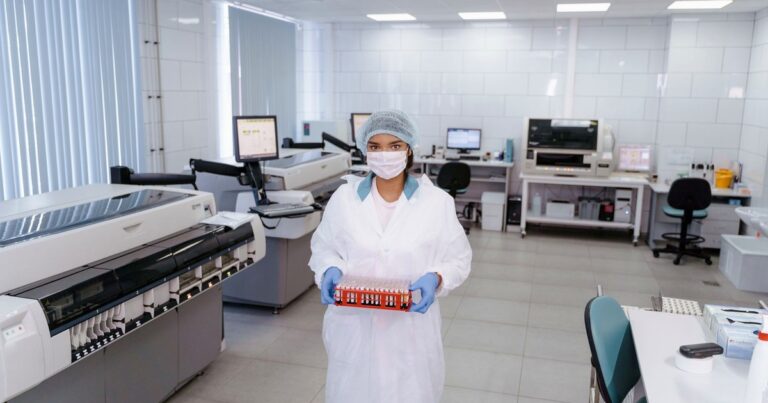
Diploma in Industrial Safety (DIS) Full Form & Course Guide 2026
Nishit Kumar is a senior EdTech industry leader with over a decade of experience in building and scaling education platforms, shaping their product, content, and growth strategy. At…
Latest update: Diploma in Industrial Safety 2026 admissions & dates updated. Read more ›
Welcome to the comprehensive guide for the Diploma in Industrial Safety (DIS) course in India for the academic year 2026. This page is designed to provide students and parents with a deep understanding of what the DIS course entails, its full form, eligibility criteria, career prospects, and much more. If you’re considering a career in occupational health and safety, this diploma is a crucial stepping stone.
What is the Full Form of DIS?
The full form of DIS is Diploma in Industrial Safety. This diploma program focuses on equipping individuals with the knowledge and skills necessary to identify, assess, and control hazards in industrial environments, ensuring the safety and well-being of workers.
What is the Diploma in Industrial Safety Course About?
The Diploma in Industrial Safety is a specialized vocational program designed to train professionals in the principles and practices of occupational health and safety management. It covers various aspects of safety engineering, risk assessment, hazard control, safety legislation, and emergency preparedness relevant to diverse industrial sectors.
Why is Industrial Safety Important?
Industrial safety is paramount to prevent accidents, injuries, and occupational diseases in workplaces. It ensures compliance with legal regulations, protects human lives, preserves company assets, and enhances productivity by fostering a safe working environment. Professionals with a Diploma in Industrial Safety play a critical role in achieving these objectives.
What is the Eligibility for Diploma in Industrial Safety in 2026?
The general eligibility criteria for the Diploma in Industrial Safety in 2026 typically require candidates to have completed their 10+2 (or equivalent) with a science background (Physics, Chemistry, Mathematics) from a recognized board. Some institutions may also accept candidates with a diploma in engineering or technology. Specific age limits or minimum percentage requirements might vary between colleges.
Are there any age limits for admission?
While most colleges do not impose strict upper age limits, some might have a minimum age requirement, typically 17 years, at the time of admission. It’s always advisable to check the specific college’s prospectus for precise details.
What if I don’t have a science background in 10+2?
For candidates without a science background in 10+2, some institutes might offer admission if they possess a relevant technical diploma (e.g., Diploma in Mechanical Engineering, Electrical Engineering) or have significant industrial experience. However, a science background is generally preferred and often mandatory.
How Long is the Diploma in Industrial Safety Course Duration?
The duration of the Diploma in Industrial Safety course typically ranges from one to two years, depending on the institution and the specific curriculum structure. Some programs are offered as full-time courses, while others may be available in part-time or distance learning formats.
What is the Syllabus and Subjects for Diploma in Industrial Safety?
The syllabus for the Diploma in Industrial Safety is comprehensive, covering a wide array of topics essential for effective safety management. It integrates theoretical knowledge with practical applications, often including industrial visits and project work.
Typical Subjects Covered:
- Introduction to Industrial Safety and Health
- Safety Management Systems
- Hazard Identification and Risk Assessment
- Fire Prevention and Protection
- Occupational Health and Hygiene
- Environmental Management
- Safety in Construction and Electrical Operations
- Ergonomics and Human Factors
- Safety Legislation and Compliance
- First Aid and Emergency Preparedness
- Industrial Psychology and Safety Culture
Sample Semester-wise Syllabus (Illustrative):
| Semester 1 | Semester 2 |
|---|---|
| Principles of Safety Management | Risk Management & Assessment |
| Industrial Hazards & Control Measures | Fire Safety & Emergency Planning |
| Occupational Health & Hygiene | Environmental Safety & Pollution Control |
| Safety Legislation & Standards | Construction & Electrical Safety |
| First Aid & Basic Life Support | Industrial Psychology & Ergonomics |
| Practical / Field Work | Project Work / Internship |
How Much Does Diploma in Industrial Safety Cost in 2026? (Fees)
The cost of pursuing a Diploma in Industrial Safety in 2026 varies significantly based on the type of institution (government vs. private), its reputation, and location. Generally, government colleges offer more affordable fees compared to private institutions.
Fee Ranges for DIS (Annual, Illustrative for 2026):
| Type of Institution | Annual Fee Range (INR) |
|---|---|
| Government Colleges / Polytechnics | ₹10,000 – ₹50,000 |
| Private Colleges / Institutes | ₹50,000 – ₹2,50,000+ |
These figures are indicative and subject to change. Additional costs may include examination fees, study materials, and hostel charges (if applicable).
Is Diploma in Industrial Safety Worth It for Jobs? (Career Prospects)
Yes, a Diploma in Industrial Safety is highly worth it for jobs, as it opens doors to a rapidly growing and essential field. Industries across various sectors are legally mandated and ethically driven to maintain high safety standards, creating a consistent demand for qualified safety professionals. Graduates can find roles in manufacturing, construction, oil & gas, chemicals, pharmaceuticals, IT, and many other sectors.
Common Job Roles After DIS:
- Safety Officer / Executive: Responsible for implementing safety policies, conducting inspections, and ensuring compliance.
- HSE (Health, Safety, Environment) Supervisor: Oversees safety practices on-site and manages environmental risks.
- Safety Inspector: Conducts audits and inspections to identify hazards and recommend corrective actions.
- Fire Safety Officer: Specializes in fire prevention, protection, and emergency response.
- Industrial Hygienist Assistant: Focuses on identifying and controlling workplace health hazards.
Average Salary Expectations (Entry-Level, Illustrative for 2026):
| Job Role | Average Annual Salary Range (INR) |
|---|---|
| Safety Officer / Executive | ₹2.5 Lacs – ₹4.5 Lacs |
| HSE Supervisor | ₹3.0 Lacs – ₹5.0 Lacs |
| Safety Inspector | ₹2.8 Lacs – ₹4.8 Lacs |
Salaries can significantly increase with experience, additional certifications (like NEBOSH, OSHA), and specialization. International opportunities also offer higher remuneration.
What are the Admission Process and Key Dates for 2026?
The admission process for the Diploma in Industrial Safety typically involves applying to individual colleges, followed by a merit-based selection or an entrance examination. Key dates for 2026 will vary by institution but generally follow a similar timeline.
General Admission Steps:
- Application Submission: Fill out the online or offline application form on the college’s official website.
- Entrance Exam (if applicable): Some colleges may conduct their own entrance tests.
- Merit List / Counseling: Based on 10+2 marks or entrance exam scores, a merit list is published, followed by counseling.
- Document Verification: Submit original documents for verification.
- Fee Payment: Pay the admission fees to confirm your seat.
Tentative Key Dates for 2026 (Illustrative):
- Application Period: April – June 2026
- Entrance Exams (if any): June – July 2026
- Merit List / Counseling: July – August 2026
- Classes Commence: August – September 2026
Students are strongly advised to check the official websites of their preferred colleges for precise and updated admission schedules for 2026.
Diploma in Industrial Safety vs. Other Safety Courses: Which is Better?
The choice between a Diploma in Industrial Safety and other safety courses depends on your career goals, existing qualifications, and desired depth of knowledge. Each course serves a specific purpose.
Comparison with Related Courses:
| Course Name | Duration | Focus | Ideal For |
|---|---|---|---|
| Diploma in Industrial Safety (DIS) | 1-2 Years | Comprehensive industrial safety management, practical application. | 10+2 Science students, those seeking entry to mid-level safety roles. |
| NEBOSH IGC (International General Certificate) | ~2 weeks – 3 months | Internationally recognized foundation in occupational safety and health. | Working professionals, those seeking global recognition, often taken after DIS. |
| B.Tech/B.E. in Fire & Safety Engineering | 4 Years | Engineering principles applied to fire and safety systems, design, and management. | 10+2 Science students aiming for engineering/design roles in safety. |
| Post Graduate Diploma in Industrial Safety (PGDIS) | 1 Year | Advanced safety management, often for graduates with prior experience or engineering degrees. | Graduates, engineers, or experienced professionals seeking advanced roles. |
The DIS provides a strong foundational and practical understanding, making it an excellent starting point for a career in industrial safety. NEBOSH IGC often complements DIS, enhancing global employability.
Top Colleges and Institutes Offering Diploma in Industrial Safety in India
Several reputable institutions across India offer the Diploma in Industrial Safety. When choosing a college, consider factors like accreditation, faculty expertise, infrastructure, industry tie-ups, and placement records.
Some Prominent Institutions (Illustrative):
- Regional Labour Institute (RLI) – various locations (e.g., Mumbai, Chennai, Kolkata)
- Central Labour Institute (CLI), Mumbai
- State Boards of Technical Education (Polytechnics) across various states
- National Institute of Fire and Safety Engineering (NIFSE)
- Various private colleges and universities offering vocational diplomas
It is crucial to research specific colleges and their affiliations for the 2026 academic year.
Explore more on FindMyCollege
Related pages for Diploma in Industrial Safety aspirants on findmycollege.com:
Frequently Asked Questions