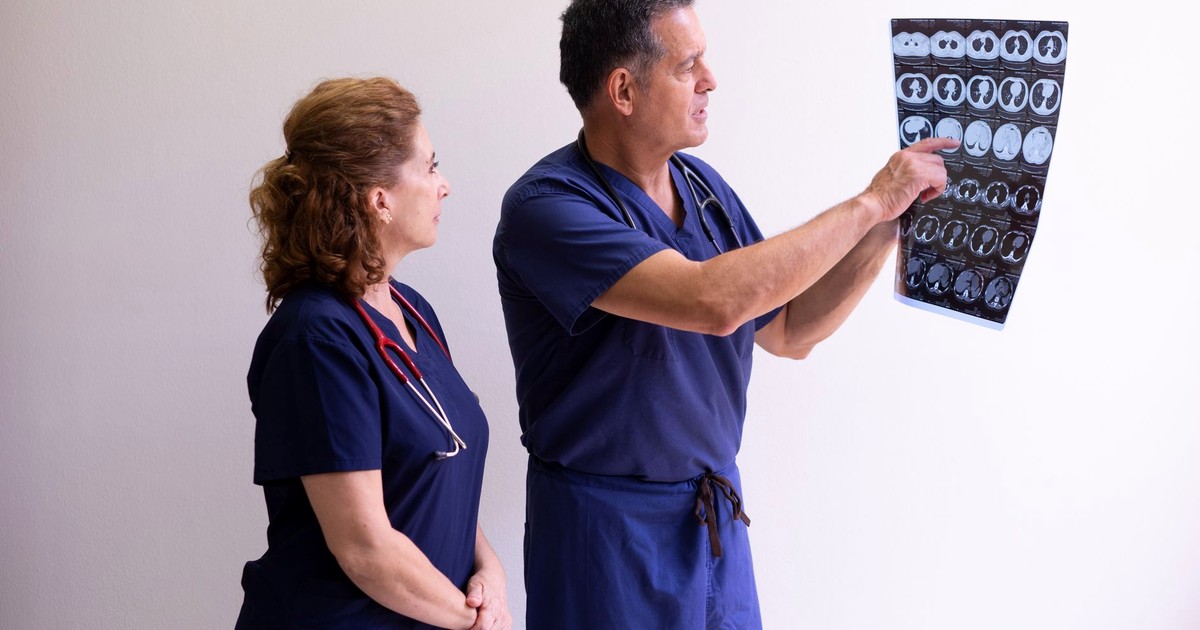
Diploma in X-Ray & Imaging Technology Duration (India 2026)
Nishit Kumar is a senior EdTech industry leader with over a decade of experience in building and scaling education platforms, shaping their product, content, and growth strategy. At…
Latest update: Diploma in X-Ray & Imaging Technology 2026 admissions & dates updated. Read more ›
The Diploma in X-Ray & Imaging Technology is a crucial paramedical course for students aspiring to work in diagnostic imaging. Understanding its duration, curriculum, and career implications is vital for prospective students and their parents. This comprehensive guide provides detailed information relevant to the 2026 academic year in India.
What is the Standard Duration of the Diploma in X-Ray & Imaging Technology in India?
The standard duration for the Diploma in X-Ray & Imaging Technology in India is typically 2 years. This full-time program is structured across four semesters, providing a comprehensive blend of theoretical knowledge and practical training essential for a career as an X-Ray Technician or Radiographer.
While 2 years is the most common duration, some institutions might offer slightly varied structures, such as 1.5-year accelerated programs or 3-year advanced diplomas (often incorporating an internship). However, the 2-year format remains the industry standard and is widely recognized by healthcare employers across India.
Does the Course Duration Include an Internship or Practical Training?
Yes, the 2-year duration of the Diploma in X-Ray & Imaging Technology almost always includes significant practical training and often a mandatory internship component. Practical exposure is integral to this paramedical course, ensuring students gain hands-on experience with various imaging modalities.
- In-course Practicals: Throughout the semesters, students engage in laboratory sessions and clinical rotations within the college’s affiliated hospitals or diagnostic centers.
- Mandatory Internship: Many colleges integrate a 3-6 month mandatory internship into the final semester or immediately after the academic coursework. This provides invaluable real-world experience in a clinical setting, working under the supervision of experienced radiographers and radiologists.
What is the Eligibility Criteria for the Diploma in X-Ray & Imaging Technology in 2026?
To be eligible for the Diploma in X-Ray & Imaging Technology in 2026, candidates must typically have completed their 10+2 (or equivalent) examination with Physics, Chemistry, and Biology (PCB) or Physics, Chemistry, and Mathematics (PCM) as core subjects. A minimum aggregate score, usually ranging from 45% to 50%, is also required.
Specific eligibility criteria can vary slightly between institutions and states. Some colleges might prefer PCB students due to the biological aspects of the human body and radiation effects, while others are open to PCM students who demonstrate a strong aptitude for science and technology. Age limits, if any, are generally between 17 and 35 years at the time of admission.
Are there any Age Limits or Specific Subject Requirements?
Yes, most institutions have specific age and subject requirements for admission to the Diploma in X-Ray & Imaging Technology:
- Age Limit: The minimum age is usually 17 years as of December 31st of the admission year. The upper age limit can range from 30 to 35 years, though some private colleges may have more flexible policies.
- Subject Requirements: A strong foundation in science is paramount. Physics is particularly important due to its relevance to radiation principles. Biology provides context for human anatomy and physiology, while Chemistry helps understand contrast agents and related medical compounds.
How is the Curriculum Structured for the 2-Year Diploma?
The 2-year Diploma in X-Ray & Imaging Technology curriculum is meticulously designed to cover fundamental and advanced concepts in radiography and imaging. It typically includes subjects like Human Anatomy & Physiology, Radiographic Physics, Radiation Protection, Imaging Techniques, and Patient Care.
The program progresses from foundational sciences to specialized imaging modalities, ensuring students develop both theoretical understanding and practical skills. The final semesters often focus on advanced techniques and extensive clinical practice.
Typical Semester-wise Subjects for Diploma in X-Ray & Imaging Technology
| Semester | Key Subjects | Focus Areas |
|---|---|---|
| Semester 1 | Human Anatomy & Physiology, General Physics, Basic Radiography, Patient Care & Ethics | Foundational sciences, introduction to X-ray principles, patient interaction |
| Semester 2 | Radiographic Physics, Darkroom Techniques, Positioning & Procedures, Radiation Protection | Detailed physics of radiation, film processing, standard X-ray views, safety protocols |
| Semester 3 | Advanced Radiographic Techniques, Special Procedures, Imaging Modalities (CT/MRI Intro), Quality Control | Contrast studies, introduction to advanced imaging, image quality assurance |
| Semester 4 | Clinical Practice & Internship, Digital Radiography, Image Processing, Emergency Procedures | Extensive hands-on training, modern digital imaging, critical care scenarios |
What are the Fee Ranges for the Diploma in X-Ray & Imaging Technology in 2026?
The fee structure for the Diploma in X-Ray & Imaging Technology in India varies significantly based on the type of institution (government vs. private) and its location. For 2026, prospective students can expect annual fees to range from approximately INR 15,000 to INR 1,50,000.
- Government Colleges: Fees are generally much lower, often ranging from INR 15,000 to INR 50,000 per year. These institutions are often subsidized and offer high-quality education at an affordable cost.
- Private Colleges/Universities: Fees are considerably higher, typically ranging from INR 50,000 to INR 1,50,000 per year, sometimes even more for top-tier private institutions with advanced facilities.
Additional costs may include examination fees, hostel charges, study materials, and clinical rotation expenses. It is always advisable to check the specific fee breakdown with the college’s admissions department.
Is the Diploma in X-Ray & Imaging Technology Worth It for Job Prospects?
Yes, the Diploma in X-Ray & Imaging Technology offers excellent job prospects in India, making it a highly valuable paramedical qualification. The demand for skilled X-Ray technicians and radiographers is consistently high across hospitals, diagnostic centers, and clinics, both in urban and rural areas.
Upon successful completion of the 2-year program, graduates are well-prepared for entry-level positions and can expect a stable career path with opportunities for growth and specialization. The healthcare sector is continuously expanding, ensuring sustained demand for imaging professionals.
Career Opportunities and Expected Salary Post-Diploma
Graduates of the Diploma in X-Ray & Imaging Technology can pursue various roles within the healthcare industry. Initial salaries depend on the employer (government vs. private), location, and individual skills, but there is significant scope for career progression.
| Job Role | Description | Average Annual Salary Range (INR) |
|---|---|---|
| X-Ray Technician | Operates X-ray equipment, positions patients, and processes images. | 2,00,000 – 4,50,000 |
| Radiographer | Performs various diagnostic imaging procedures (X-ray, CT, MRI assistance). | 2,50,000 – 5,50,000 |
| Imaging Technologist Assistant | Assists senior technologists with advanced imaging procedures. | 2,20,000 – 4,80,000 |
| CT/MRI Technician (Entry-Level) | Assists in operating CT/MRI scanners under supervision. | 2,80,000 – 6,00,000 |
With experience and further certifications, salaries can significantly increase, and individuals can move into supervisory or specialized roles.
Comparison: Diploma vs. Bachelor’s Degree in Radiography
While both the Diploma and Bachelor’s Degree in Radiography lead to careers in medical imaging, they differ significantly in duration, depth of study, and career progression. Understanding these differences is crucial for making an informed decision.
- Diploma in X-Ray & Imaging Technology (2 years): Focuses on practical skills and foundational knowledge, preparing students for immediate entry-level roles as X-Ray technicians. It’s a quicker entry into the workforce.
- Bachelor of Science (B.Sc.) in Radiography/Medical Imaging Technology (3-4 years): Offers a more in-depth theoretical understanding, advanced imaging techniques, research methodologies, and often includes a longer internship. Graduates typically have broader career opportunities, including supervisory roles, teaching, and further specialization in modalities like CT, MRI, or Nuclear Medicine.
For students seeking a faster entry into the paramedical field with a strong practical foundation, the Diploma is an excellent choice. For those aiming for higher academic qualifications, research roles, or leadership positions, a Bachelor’s degree is more suitable.
Explore more on FindMyCollege
Related pages for Diploma in X-Ray & Imaging Technology aspirants on findmycollege.com:
Frequently Asked Questions
What is the admission process for Diploma in X-Ray & Imaging Technology in 2026?
The admission process for the Diploma in X-Ray & Imaging Technology in 2026 typically involves applying directly to colleges, followed by a merit-based selection based on 10+2 marks. Some institutions may conduct a common entrance exam or an interview. Key dates for applications usually fall between May and July, with classes commencing in August/September.
Can I pursue higher education after completing the Diploma?
Yes, after completing the Diploma in X-Ray & Imaging Technology, you can pursue higher education. Many universities offer lateral entry into the second year of a B.Sc. in Radiography or Medical Imaging Technology program, allowing diploma holders to upgrade their qualifications and enhance their career prospects.
Are there any specialization options within the Diploma course?
The 2-year Diploma itself is a foundational course in general radiography. While it introduces various imaging modalities, it doesn’t typically offer deep specializations. Specializations in areas like CT, MRI, Ultrasound, or Nuclear Medicine are usually pursued through advanced diplomas, postgraduate diplomas, or bachelor’s/master’s degrees after gaining initial experience.
What are the key skills required to succeed in this field?
Key skills for success in X-Ray & Imaging Technology include strong attention to detail, good communication skills (for patient interaction), technical aptitude for operating equipment, understanding of human anatomy, ability to work under pressure, and a commitment to patient safety and ethical practices.
Is the Diploma in X-Ray & Imaging Technology recognized by medical councils?
The recognition of the Diploma in X-Ray & Imaging Technology depends on the affiliating body of the institution. Many diplomas are recognized by state paramedical councils or universities, which ensures their validity for employment. Always verify the accreditation and recognition status of the college and its program before admission.
What are the job prospects abroad after this Diploma?
While the Diploma in X-Ray & Imaging Technology provides a strong foundation, pursuing a career abroad often requires additional qualifications, certifications, or a Bachelor’s degree, depending on the country’s specific licensing requirements. Some countries may recognize the diploma with sufficient work experience, but a degree generally offers more direct pathways for international employment.