DM in Gastroenterology Syllabus 2026: Course, Eligibility, Jobs
Nishit Kumar is a senior EdTech industry leader with over a decade of experience in building and scaling education platforms, shaping their product, content, and growth strategy. At…
Latest update: DM in Gastroenterology 2026 admissions & dates updated. Read more ›
Welcome to the definitive guide for the DM in Gastroenterology Syllabus 2026 in India. This page provides a comprehensive overview for aspiring medical professionals seeking to specialize in the diagnosis and treatment of digestive system disorders. We cover everything from eligibility criteria and the detailed course curriculum to career opportunities and financial considerations, ensuring you have all the information needed to make an informed decision.
What is DM in Gastroenterology?
DM in Gastroenterology is a highly specialized, three-year postgraduate super-specialty medical degree focused on the study of the digestive system and its diseases. It equips medical graduates with advanced knowledge and practical skills in managing conditions affecting the esophagus, stomach, small intestine, large intestine, liver, pancreas, and gallbladder.
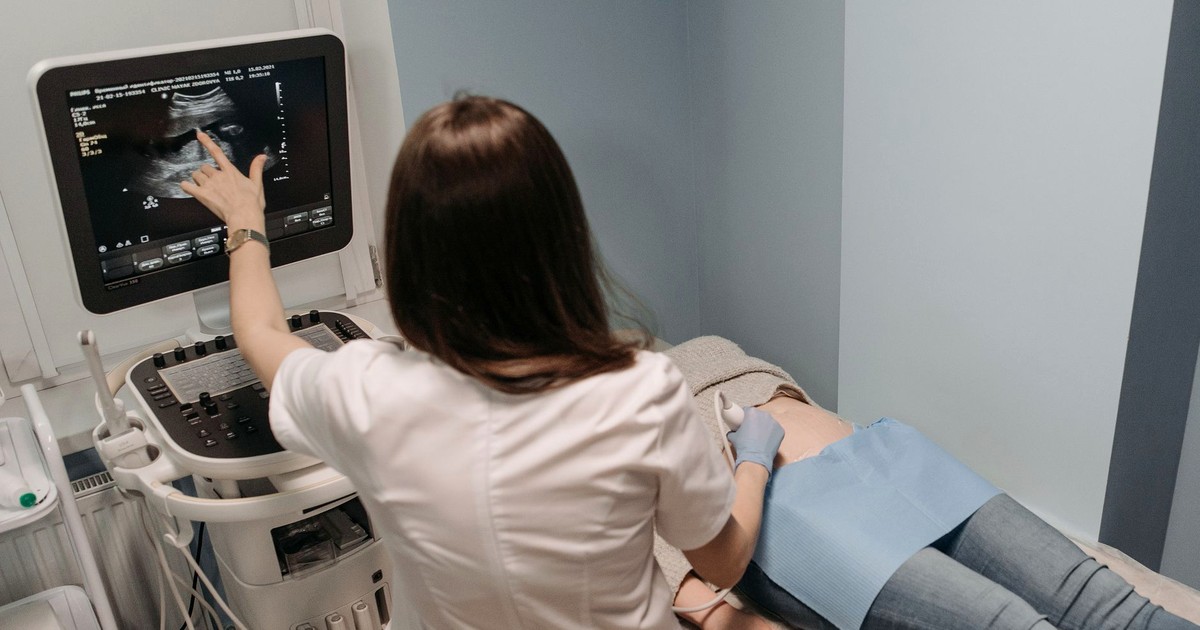
The program involves intensive clinical training, research, and theoretical instruction, preparing specialists to perform diagnostic and therapeutic endoscopic procedures, interpret complex imaging, and manage a wide range of gastrointestinal and hepatobiliary disorders. It is a crucial qualification for doctors aspiring to become consultants in gastroenterology.
What is the Eligibility for DM in Gastroenterology in India?
To be eligible for DM in Gastroenterology, candidates must possess a Doctor of Medicine (MD) degree in General Medicine from a university recognized by the National Medical Commission (NMC) of India. Additionally, candidates must have successfully completed their MBBS degree and internship.
Specific eligibility criteria may vary slightly between institutions, but the MD in General Medicine is a universal prerequisite. Some institutions might also consider MD in Pediatrics for certain super-specialty courses, though for Gastroenterology, MD General Medicine is standard. Candidates must also clear the NEET SS entrance examination.
What is the Syllabus and Course Structure for DM in Gastroenterology?
The DM in Gastroenterology syllabus is meticulously designed to provide a deep understanding of gastrointestinal and hepatobiliary diseases, diagnostic techniques, and therapeutic interventions. The three-year program is typically divided into six semesters, combining theoretical knowledge with extensive practical and clinical training.
Year 1: Foundations and Basic Gastroenterology
- Basic Sciences: Anatomy, Physiology, Biochemistry, Pathology, Microbiology, Pharmacology relevant to the GI tract and liver.
- Clinical Gastroenterology: Approach to common GI symptoms (dysphagia, dyspepsia, abdominal pain, diarrhea, constipation, jaundice).
- Diagnostic Modalities: Introduction to endoscopy (upper GI, colonoscopy), imaging (ultrasound, CT, MRI of abdomen), basic laboratory tests.
- Hepatology Basics: Liver function tests, viral hepatitis (A, B, C, E), alcoholic liver disease.
- Emergency Gastroenterology: GI bleeding, acute pancreatitis, acute liver failure.
Year 2: Advanced Clinical Gastroenterology and Hepatology
- Advanced Endoscopy: ERCP, EUS (introduction), therapeutic endoscopy (polypectomy, variceal ligation).
- Inflammatory Bowel Disease (IBD): Crohn’s disease, ulcerative colitis – diagnosis and management.
- Pancreaticobiliary Diseases: Chronic pancreatitis, gallstone disease, pancreatic tumors.
- Advanced Hepatology: Cirrhosis and its complications (ascites, encephalopathy, HRS), hepatocellular carcinoma, liver transplantation (principles).
- Motility Disorders: Achalasia, gastroparesis, IBS.
- Pediatric Gastroenterology: Basic concepts and common conditions.
Year 3: Super-specialty Training, Research, and Procedures
- Advanced Therapeutic Endoscopy: ESD, POEM, enteroscopy, advanced EUS.
- Interventional Hepatology: TIPS, liver biopsy techniques.
- Nutritional Gastroenterology: Malabsorption syndromes, parenteral and enteral nutrition.
- Gastrointestinal Oncology: Diagnosis and management of GI cancers (esophageal, gastric, colorectal, pancreatic, liver).
- Research & Thesis: Mandatory dissertation/thesis submission based on original research.
- Clinical Rotations: Intensive rotations in specialized units, emergency services, and outpatient clinics.
Throughout the three years, residents participate in daily ward rounds, case presentations, journal clubs, seminars, and hands-on training in endoscopic procedures. They are also expected to engage in teaching junior residents and medical students.
What are the Key Entrance Exams for DM in Gastroenterology in 2026?
The primary entrance examination for DM in Gastroenterology admissions in India is the National Eligibility cum Entrance Test for Super Specialty (NEET SS). This national-level examination is conducted annually by the National Board of Examinations in Medical Sciences (NBEMS).
Some institutions, particularly AIIMS and JIPMER, may conduct their own entrance examinations for a limited number of seats, but NEET SS is the most common pathway. Candidates must register for NEET SS, appear for the exam, and then participate in the counseling process based on their rank.
NEET SS 2026 Tentative Schedule & Pattern
| Aspect | Details |
|---|---|
| Application Period | July – August 2025 |
| Admit Card Release | September 2025 |
| Exam Date | September – October 2025 |
| Result Declaration | October – November 2025 |
| Counseling | November – December 2025 |
| Exam Mode | Computer Based Test (CBT) |
| Total Questions | 150 (Part A: 60, Part B: 90) |
| Total Marks | 600 |
| Marking Scheme | +4 for correct, -1 for incorrect |
| Duration | 2.5 hours (150 minutes) |
| Syllabus Focus | Part A: General Medicine (MD level); Part B: Gastroenterology (super-specialty level) |
How Much Does DM in Gastroenterology Cost in India?
The cost of pursuing a DM in Gastroenterology varies significantly depending on the type of institution (government vs. private) and whether the candidate secures a sponsored seat. Government colleges generally have much lower fees compared to private institutions.
DM in Gastroenterology Fee Ranges (Annual)
| Institution Type | Annual Fee Range (INR) | Stipend (Monthly, INR) |
|---|---|---|
| Government Colleges | ₹15,000 – ₹1,50,000 | ₹60,000 – ₹1,20,000 |
| Private Colleges/Deemed Universities | ₹5,00,000 – ₹30,00,000+ | ₹30,000 – ₹70,000 (may vary, some offer no stipend) |
It’s important to note that most government DM programs offer a substantial monthly stipend, which often covers living expenses and sometimes even the nominal tuition fees. Private colleges, while having higher fees, may also offer stipends, but these are generally lower and not always guaranteed.
Is DM in Gastroenterology Worth It for Jobs and Career Prospects?
Yes, DM in Gastroenterology is highly worth it for job prospects and career growth in India. There is a significant and growing demand for qualified gastroenterologists due to the increasing prevalence of digestive diseases, lifestyle changes, and improved diagnostic capabilities.
Graduates can find lucrative employment opportunities in various settings, including:
- Government Hospitals: As consultants, senior residents, or faculty.
- Private Hospitals & Corporate Chains: High demand for specialists in large multi-specialty hospitals.
- Teaching & Research: As professors or researchers in medical colleges and research institutions.
- Private Practice/Clinics: Establishing independent clinics or joining group practices.
- International Opportunities: With relevant licensing, opportunities exist abroad.
The specialization offers a challenging yet rewarding career path with excellent earning potential and the satisfaction of treating complex conditions.
What is the Salary of a DM in Gastroenterology Specialist in India?
The salary of a DM in Gastroenterology specialist in India is among the highest in the medical field, reflecting the high demand and specialized skill set. Salaries vary based on experience, location, type of employer, and individual practice.
Average Salary Ranges for Gastroenterologists (Annual)
| Experience Level | Government Hospital (INR) | Private Hospital (INR) | Private Practice (INR) |
|---|---|---|---|
| Fresh Graduate (0-2 years) | ₹12,00,000 – ₹20,00,000 | ₹18,00,000 – ₹30,00,000 | ₹20,00,000 – ₹40,00,000+ |
| Mid-Career (3-7 years) | ₹20,00,000 – ₹35,00,000 | ₹30,00,000 – ₹60,00,000 | ₹40,00,000 – ₹80,00,000+ |
| Senior/Experienced (8+ years) | ₹35,00,000 – ₹60,00,000+ | ₹60,00,000 – ₹1,50,00,000+ | ₹80,00,000 – ₹2,00,00,000+ |
These figures are indicative and can fluctuate. Gastroenterologists performing a high volume of complex endoscopic procedures or having a strong referral base in private practice can earn significantly more.
What are the Top Colleges for DM in Gastroenterology in India?
India boasts several prestigious institutions offering high-quality DM in Gastroenterology programs. Admission to these colleges is highly competitive, primarily through NEET SS.
- All India Institute of Medical Sciences (AIIMS), New Delhi
- Postgraduate Institute of Medical Education and Research (PGIMER), Chandigarh
- Jawaharlal Institute of Postgraduate Medical Education and Research (JIPMER), Puducherry
- Sanjay Gandhi Postgraduate Institute of Medical Sciences (SGPGIMS), Lucknow
- Institute of Liver and Biliary Sciences (ILBS), New Delhi
- Christian Medical College (CMC), Vellore
- Seth GS Medical College and KEM Hospital, Mumbai
- Maulana Azad Medical College (MAMC), New Delhi
- Grant Medical College and Sir JJ Group of Hospitals, Mumbai
- King George’s Medical University (KGMU), Lucknow
DM in Gastroenterology vs. Other Super-specialties: How to Choose?
Choosing a super-specialty is a significant decision. DM in Gastroenterology offers a unique blend of clinical medicine, procedural skills (endoscopy), and the opportunity to manage both acute and chronic conditions. It appeals to those who enjoy diagnostic challenges, hands-on procedures, and a broad spectrum of diseases.
Comparison with other DM/MCh streams:
- DM Cardiology: Focuses on heart diseases, involves interventional procedures (angiography, angioplasty). Similar demand, high procedural volume.
- DM Nephrology: Specializes in kidney diseases, including dialysis and transplantation. Less procedural, more chronic disease management.
- DM Neurology: Deals with brain, spinal cord, and nerve disorders. Primarily diagnostic and medical management, less procedural.
- MCh Surgical Gastroenterology: A surgical super-specialty focusing on operative management of GI diseases. Requires a Master of Surgery (MS) as a prerequisite.
The choice often comes down to personal interest in a specific organ system, preference for medical vs. surgical management, and inclination towards procedural work.
Explore more on FindMyCollege
Related pages for DM in Gastroenterology aspirants on findmycollege.com:
Frequently Asked Questions
What is the duration of the DM in Gastroenterology course?
The DM in Gastroenterology course is a full-time, three-year postgraduate super-specialty program.
Can I pursue DM in Gastroenterology after MD in Pediatrics?
While MD in General Medicine is the standard prerequisite, some institutions may consider MD in Pediatrics for DM in Pediatric Gastroenterology. For adult Gastroenterology, MD General Medicine is almost universally required.
Are there any age limits for DM in Gastroenterology admission?
Generally, there are no specific upper age limits for DM admissions in India, but candidates must meet all other eligibility criteria.
What is the difference between DM Gastroenterology and MCh Surgical Gastroenterology?
DM Gastroenterology is a medical super-specialty focused on non-surgical diagnosis and treatment of digestive diseases, requiring an MD in General Medicine. MCh Surgical Gastroenterology is a surgical super-specialty focused on operative management, requiring an MS in General Surgery.
Is a stipend provided during the DM in Gastroenterology program?
Yes, most government medical colleges and some private institutions provide a monthly stipend to DM residents, which can range significantly depending on the institution and state.
What are the career opportunities after DM in Gastroenterology?
Graduates can work as consultants in government or private hospitals, establish their own practice, join academic institutions as faculty, or pursue research roles. The demand for gastroenterologists is high across India.
How competitive is admission to DM in Gastroenterology?
Admission to DM in Gastroenterology is highly competitive, as it is one of the most sought-after super-specialties. A strong performance in NEET SS is crucial for securing a seat in top institutions.