Doctorate of Medicine in Biochemistry: Scope & Career India 2026
Nishit Kumar is a senior EdTech industry leader with over a decade of experience in building and scaling education platforms, shaping their product, content, and growth strategy. At…
Latest update: Doctorate of Medicine in Biochemistry 2026 admissions & dates updated. Read more ›
A Doctorate of Medicine (MD) in Biochemistry is a postgraduate medical degree focused on the chemical processes within living organisms, particularly humans, and their application in understanding health and disease. This specialized program equips medical graduates with advanced knowledge and research skills to contribute significantly to diagnostics, research, and medical education in India.
What is the Scope of MD Biochemistry in India for 2026?
The scope of MD Biochemistry in India for 2026 is expanding, driven by advancements in medical diagnostics, personalized medicine, and pharmaceutical research. Graduates are essential in clinical laboratories, academic institutions, and the burgeoning biotechnology and pharmaceutical sectors, playing a crucial role in disease diagnosis, monitoring, and drug development.
Clinical Applications and Diagnostics
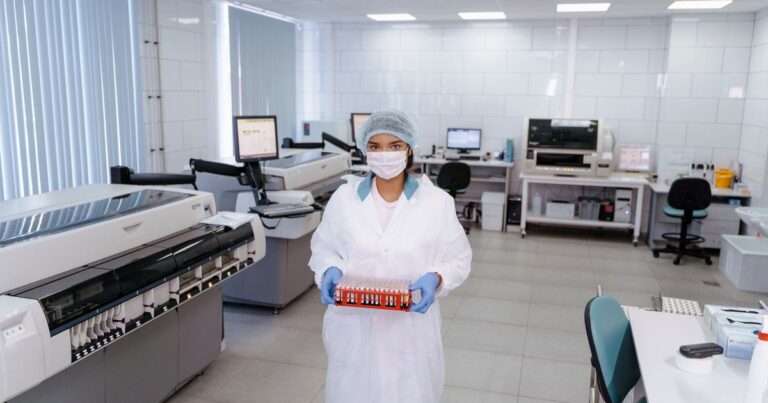
MD Biochemistry specialists are vital in clinical laboratories, interpreting biochemical tests that aid in diagnosing and managing a wide range of diseases, including metabolic disorders, endocrine dysfunctions, and organ-specific pathologies. Their expertise ensures accurate and timely diagnostic support for clinicians.
Research and Development Opportunities
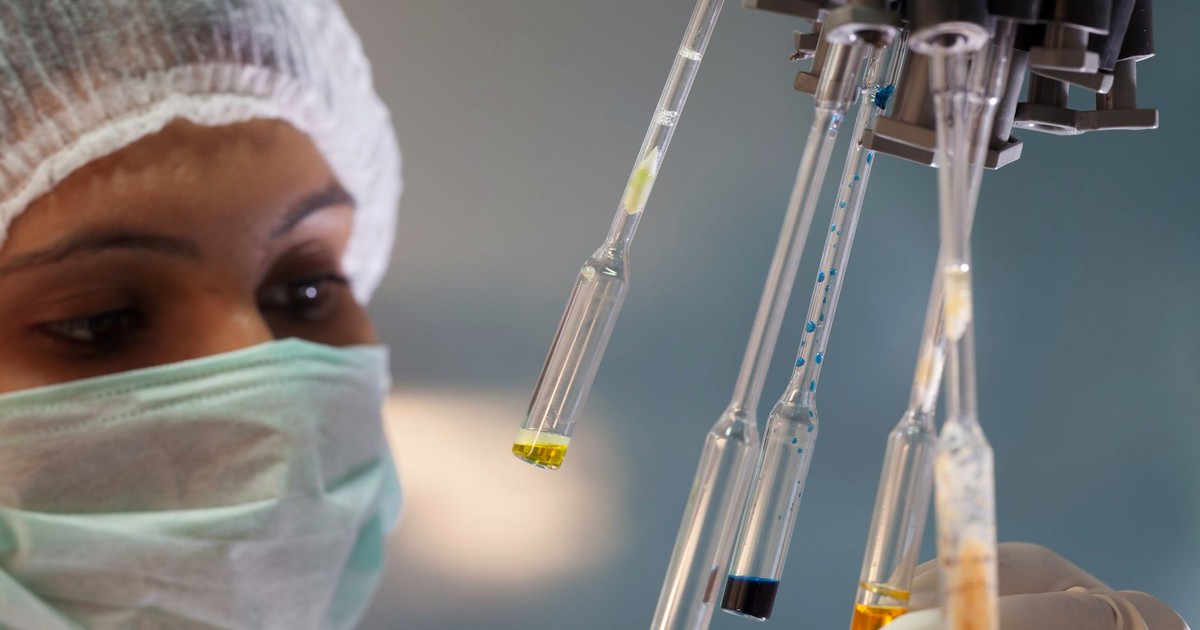
The field offers significant opportunities in medical research, focusing on understanding disease mechanisms, developing new diagnostic markers, and contributing to drug discovery. Researchers in biochemistry are at the forefront of genetic research, proteomics, and metabolomics, pushing the boundaries of medical science.
Academic and Teaching Roles
Many MD Biochemistry graduates pursue careers in academia, teaching medical students and residents the fundamental principles of biochemistry and its clinical relevance. They also mentor future researchers and contribute to curriculum development in medical colleges.
What are the Career Opportunities After MD Biochemistry in India?
Graduates of MD Biochemistry have diverse career opportunities across various sectors, including healthcare, academia, research, and industry. The demand for skilled biochemists is consistently high, ensuring stable and rewarding career paths.
Top Career Profiles and Roles
- Clinical Biochemist/Lab Director: Oversees clinical laboratory operations, ensures quality control, and interprets complex biochemical results.
- Medical Faculty/Professor: Teaches biochemistry to medical students, conducts research, and participates in academic administration.
- Research Scientist: Works in pharmaceutical companies, biotechnology firms, or government research institutes, focusing on drug development, disease mechanisms, or diagnostic tool innovation.
- Consultant Biochemist: Provides expert advice to hospitals, diagnostic centers, or healthcare organizations on biochemical testing and interpretation.
- Drug Development Scientist: Involved in the preclinical and clinical stages of drug discovery and development within the pharmaceutical industry.
Average Salary Expectations for MD Biochemistry Graduates (2026)
Salaries for MD Biochemistry graduates in India vary based on experience, employer type (government vs. private), and location. Entry-level positions typically offer a competitive starting salary, which significantly increases with experience and specialization.
| Job Role | Average Annual Salary Range (INR) – Entry Level (0-2 years) | Average Annual Salary Range (INR) – Mid-Career (5-10 years) |
|---|---|---|
| Clinical Biochemist | ₹6,00,000 – ₹10,00,000 | ₹12,00,000 – ₹25,00,000+ |
| Medical Faculty/Lecturer | ₹7,00,000 – ₹12,00,000 | ₹15,00,000 – ₹30,00,000+ |
| Research Scientist | ₹5,50,000 – ₹9,50,000 | ₹10,00,000 – ₹22,00,000+ |
| Drug Development Scientist | ₹6,50,000 – ₹11,00,000 | ₹13,00,000 – ₹28,00,000+ |
What is the Eligibility for Doctorate of Medicine in Biochemistry?
To be eligible for an MD in Biochemistry program in India, candidates must possess an MBBS degree from a recognized institution and complete their compulsory rotating internship. Admission is primarily through national-level entrance examinations.
Essential Eligibility Criteria
- Educational Qualification: Candidates must hold an MBBS degree recognized by the Medical Council of India (MCI) or the National Medical Commission (NMC).
- Internship: Completion of a compulsory one-year rotating internship is mandatory.
- Registration: Provisional or permanent registration with the State Medical Council or MCI/NMC is required.
- Entrance Exam: Qualification in a national-level postgraduate medical entrance examination, primarily NEET PG.
Age Limit and Domicile Requirements
There is generally no upper age limit for MD admissions in India. Domicile requirements may apply for state quota seats in government colleges, where a certain percentage of seats are reserved for candidates from the respective state.
How to Get Admission to MD Biochemistry in 2026?
Admission to MD Biochemistry programs in India for 2026 is predominantly through the NEET PG examination, followed by counseling conducted at national and state levels.
NEET PG 2026: The Primary Entrance Exam
The National Eligibility cum Entrance Test (NEET PG) is the single entrance examination for admission to MD/MS/PG Diploma courses across India. Candidates must qualify this exam with a minimum percentile to be eligible for counseling.
NEET PG 2026 Tentative Schedule & Pattern
| Aspect | Details (Tentative for 2026) |
|---|---|
| Application Period | October – November 2025 |
| Admit Card Release | February 2026 |
| Exam Date | March 2026 (First/Second Week) |
| Result Declaration | April 2026 |
| Counseling Begins | May 2026 |
| Exam Mode | Computer-Based Test (CBT) |
| Total Questions | 200 Multiple Choice Questions |
| Total Marks | 800 |
| Marking Scheme | +4 for correct, -1 for incorrect, 0 for unattempted |
| Syllabus | MBBS curriculum (Pre-Clinical, Para-Clinical, Clinical subjects) |
Counseling Process
Post NEET PG results, candidates participate in counseling rounds:
- All India Quota (AIQ) Counseling: Conducted by the Medical Counselling Committee (MCC) for 50% of seats in government medical colleges and all seats in deemed/central universities.
- State Quota Counseling: Conducted by respective state authorities for the remaining 50% of seats in government medical colleges and private medical colleges within the state.
How Much Does MD Biochemistry Cost in India?
The cost of pursuing an MD in Biochemistry in India varies significantly between government and private medical colleges. Government colleges generally have much lower fees due to subsidies.
Fee Structure (Annual) for 2026
- Government Medical Colleges: ₹50,000 – ₹2,00,000 per annum.
- Private Medical Colleges: ₹5,00,000 – ₹25,00,000 per annum.
- Deemed Universities: ₹10,00,000 – ₹35,00,000 per annum (often higher).
These figures are indicative and can vary based on the specific institution, location, and any additional charges like hostel fees, examination fees, or security deposits.
Is MD Biochemistry Worth It for Jobs and Career Growth?
Yes, MD Biochemistry is a highly worthwhile specialization for career growth and job prospects in India. The increasing complexity of diagnostics, the rise of personalized medicine, and the continuous need for medical educators and researchers ensure a strong demand for qualified biochemists.
Pros of Pursuing MD Biochemistry
- High Demand: Essential for clinical diagnostics, research, and medical education.
- Diverse Career Paths: Opportunities in hospitals, academia, research labs, and pharmaceutical industries.
- Intellectual Stimulation: Involves deep scientific inquiry and problem-solving.
- Contribution to Healthcare: Directly impacts patient care through accurate diagnosis and research into disease mechanisms.
- Stable & Respectable Profession: Offers job security and high regard within the medical community.
Cons to Consider
- Less Patient Interaction: Compared to clinical branches, direct patient interaction is limited, which might not suit all medical graduates.
- Competitive Admissions: Securing a seat in top government colleges requires a very high NEET PG rank.
- Research-Intensive: A significant part of the role involves laboratory work and research, which requires patience and meticulousness.
MD Biochemistry vs. MD Pathology: Which is Better for Me?
Both MD Biochemistry and MD Pathology are paraclinical branches crucial for diagnostics, but they differ in their primary focus. Choosing between them depends on your interest in specific diagnostic methodologies and career aspirations.
| Aspect | MD Biochemistry | MD Pathology |
|---|---|---|
| Primary Focus | Chemical processes, metabolic pathways, enzyme assays, hormone analysis, molecular diagnostics. | Tissue diagnosis (histopathology), cell diagnosis (cytopathology), hematology, microbiology, immunology. |
| Diagnostic Tools | Automated analyzers, spectrophotometers, chromatography, electrophoresis, PCR. | Microscopy, immunohistochemistry, flow cytometry, gross examination. |
| Key Contribution | Understanding disease at a molecular and metabolic level, quantitative analysis. | Identifying structural and cellular changes caused by disease, qualitative and quantitative analysis. |
| Typical Work Environment | Clinical biochemistry lab, research lab, academic department. | Histopathology lab, cytology lab, hematology lab, blood bank, academic department. |
| Research Areas | Metabolic disorders, genetic diseases, drug metabolism, biomarker discovery. | Cancer biology, infectious diseases, autoimmune disorders, forensic pathology. |
| Patient Interaction | Minimal direct patient interaction. | Minimal direct patient interaction. |
If you are fascinated by the intricate chemical reactions within the body, molecular diagnostics, and quantitative analysis, MD Biochemistry might be a better fit. If you are more inclined towards microscopic examination of tissues and cells, identifying structural changes, and a broader range of diagnostic areas including hematology and microbiology, MD Pathology could be more appealing.
Explore more on FindMyCollege
Related pages for Doctorate of Medicine in Biochemistry aspirants on findmycollege.com:
Frequently Asked Questions
What is the duration of the MD Biochemistry course?
The MD Biochemistry course is a three-year postgraduate program after completing MBBS and a one-year compulsory rotating internship.
Are there any sub-specializations after MD Biochemistry?
While MD Biochemistry itself is a specialization, graduates can further focus on areas like molecular diagnostics, clinical toxicology, inherited metabolic disorders, or nutritional biochemistry through fellowships or focused research.
Which are the top colleges for MD Biochemistry in India?
Some of the top institutions for MD Biochemistry in India include AIIMS (Delhi, Jodhpur, etc.), PGIMER Chandigarh, JIPMER Puducherry, Christian Medical College (CMC) Vellore, Maulana Azad Medical College Delhi, and Seth GS Medical College Mumbai.
Can an MD Biochemist open their own diagnostic lab?
Yes, an MD Biochemist is qualified to establish and direct a clinical biochemistry laboratory. They are responsible for the overall management, quality control, and interpretation of biochemical tests.
What is the role of an MD Biochemist in a hospital?
In a hospital, an MD Biochemist primarily works in the clinical pathology/biochemistry laboratory. Their role involves supervising biochemical testing, ensuring accuracy and quality, interpreting complex results for clinicians, and contributing to hospital committees related to laboratory services.
Is MD Biochemistry a demanding course?
Yes, MD Biochemistry is a demanding course that requires a strong foundation in basic sciences, meticulous laboratory skills, and a keen interest in research and diagnostics. It involves extensive study, practical training, and often a thesis or dissertation.