MD Pathology vs MD Microbiology vs MD Biochemistry (2026)
Nishit Kumar is a senior EdTech industry leader with over a decade of experience in building and scaling education platforms, shaping their product, content, and growth strategy. At…
Latest update: Doctorate of Medicine in Pathology 2026 admissions & dates updated. Read more ›
Doctorate of Medicine in Pathology vs MD Microbiology vs MD Biochemistry: Quick Comparison (2026)
| Course | Duration | Eligibility | Avg Fees (INR) | Top Careers | Avg Starting Salary (INR) | Best For |
|---|---|---|---|---|---|---|
| Doctorate of Medicine in Pathology | 3 Years | MBBS with one-year rotating internship | 50,000 – 15,00,000 | Pathologist, Lab Director, Medical Examiner, Researcher | 6,00,000 – 18,00,000 | Diagnosing diseases through tissue/fluid analysis, research, lab management |
| Doctorate of Medicine in Microbiology | 3 Years | MBBS with one-year rotating internship | 50,000 – 12,00,000 | Medical Microbiologist, Infection Control Officer, Virologist, Immunologist | 5,00,000 – 15,00,000 | Identifying infectious agents, infection control, public health, vaccine research |
| Doctorate of Medicine in Biochemistry | 3 Years | MBBS with one-year rotating internship | 30,000 – 10,00,000 | Clinical Biochemist, Researcher, Academician, Medical Writer | 4,00,000 – 12,00,000 | Understanding molecular basis of disease, metabolic disorders, drug development |
| Doctorate of Medicine in General Medicine | 3 Years | MBBS with one-year rotating internship | 1,00,000 – 25,00,000 | General Physician, Consultant Physician, Intensivist, Diabetologist | 8,00,000 – 25,00,000 | Direct patient care, diagnosis and non-surgical management of adult diseases |
Doctorate of Medicine in Pathology vs Doctorate of Medicine in Microbiology
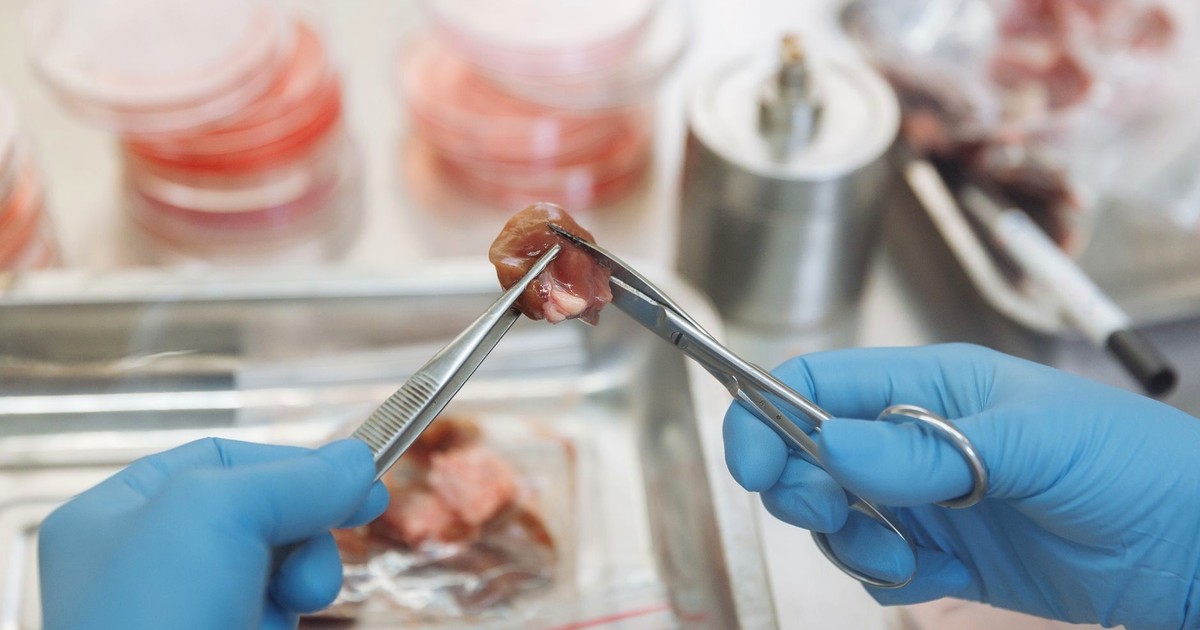
MD Pathology focuses on the diagnosis of diseases through the examination of tissues, organs, bodily fluids, and autopsies, providing crucial insights for patient management. MD Microbiology, on the other hand, specializes in the study of microorganisms (bacteria, viruses, fungi, parasites) and their role in infectious diseases, focusing on identification, antibiotic susceptibility, and infection control. While both are lab-based, Pathology is broader in diagnostic scope, whereas Microbiology is deeply specialized in infectious agents. MD Pathology suits those interested in comprehensive disease diagnosis and forensic aspects, while MD Microbiology is ideal for those passionate about combating infectious diseases and public health.
Doctorate of Medicine in Pathology vs Doctorate of Medicine in Biochemistry
MD Pathology is primarily a diagnostic specialty, interpreting cellular and tissue changes to identify diseases, including cancer, inflammatory conditions, and genetic disorders. MD Biochemistry delves into the chemical and molecular processes within the body, focusing on metabolic pathways, enzyme functions, and the biochemical basis of diseases like diabetes or thyroid disorders. Pathology offers a direct diagnostic role with significant patient impact through reports, while Biochemistry often supports diagnosis by analyzing blood and urine parameters and contributes more to research on disease mechanisms. MD Pathology is for those who enjoy macroscopic and microscopic examination for diagnosis, while MD Biochemistry is for those fascinated by the molecular underpinnings of health and disease.
Doctorate of Medicine in Pathology vs Doctorate of Medicine in General Medicine
MD Pathology is a non-clinical, diagnostic specialty where the pathologist works behind the scenes, analyzing samples and providing reports that guide patient treatment. MD General Medicine is a clinical specialty involving direct patient interaction, diagnosis, and non-surgical management of a wide range of adult diseases. General Medicine offers immediate patient care and follow-up, while Pathology provides the foundational diagnostic evidence for that care. MD Pathology is suitable for individuals who prefer laboratory work, research, and a less patient-facing role, whereas MD General Medicine is for those who thrive on direct patient contact, clinical problem-solving, and managing diverse medical conditions.
Which one should you choose?
If you are fascinated by disease diagnosis through microscopic and macroscopic examination, enjoy lab work, and prefer a role that provides critical diagnostic insights without direct patient interaction, Doctorate of Medicine in Pathology is an excellent choice. If your interest lies in identifying and combating infectious agents, understanding epidemiology, and contributing to public health, MD Microbiology would be more suitable. For those intrigued by the molecular and chemical basis of diseases, metabolic disorders, and laboratory analysis of biochemical markers, MD Biochemistry is the ideal path. If you aspire to be a frontline clinician, directly diagnose and manage a wide array of patient illnesses, and enjoy patient interaction, then MD General Medicine is the best fit.
Explore more on FindMyCollege
Related pages for Doctorate of Medicine in Pathology aspirants on findmycollege.com:
Frequently Asked Questions
Which MD course is easier to get into in India?
Generally, MD Pathology, MD Microbiology, and MD Biochemistry might have slightly lower cut-offs compared to highly competitive clinical branches like MD General Medicine or MD Radiology, making them potentially easier to secure a seat in, especially in government colleges. However, competitiveness varies yearly based on the number of seats and applicant pool.
Which MD specialization offers a higher average starting salary?
MD General Medicine typically offers a higher average starting salary due to direct patient care and consultation fees. Among the diagnostic branches, MD Pathology often commands a better starting salary than MD Microbiology or MD Biochemistry, especially with opportunities in private diagnostic labs and hospitals.
Which MD course is better for government jobs in India?
All these MD specializations have good prospects for government jobs. MD Pathology and MD Microbiology are crucial for medical colleges, district hospitals, and public health laboratories. MD General Medicine has a very high demand in government hospitals and primary health centers across India. MD Biochemistry also finds roles in government medical colleges and research institutions.
Can I switch from one MD specialty to another after starting?
Switching MD specialties after starting is generally not straightforward and often requires reapplying for the NEET PG exam and securing a fresh admission in the desired specialty. This means losing the time and effort invested in the initial course. It’s crucial to make an informed decision before commencing your MD program.
Which MD course has better research opportunities?
All three diagnostic MD courses – Pathology, Microbiology, and Biochemistry – offer significant research opportunities, particularly in academic institutions and specialized research centers. MD Microbiology is excellent for infectious disease research, vaccine development, and antibiotic resistance. MD Biochemistry is strong in metabolic disorders and drug discovery. MD Pathology offers research avenues in cancer biology, genetic diseases, and disease mechanisms.
Which MD specialization is best for starting a private practice or lab?
MD Pathology is exceptionally well-suited for starting a private diagnostic laboratory, as it forms the backbone of all lab investigations. MD Microbiology can also lead to specialized microbiology labs. MD General Medicine allows for private clinics and consultation practices. MD Biochemistry typically supports existing labs or research setups rather than independent private practice.
What is the scope of MD Pathology in India for 2026?
The scope of MD Pathology in India remains robust and is expected to grow. With increasing awareness, advanced diagnostic technologies, and a rising burden of chronic and infectious diseases, the demand for skilled pathologists in hospitals, private diagnostic chains, and research institutions is consistently high. Telepathology and molecular pathology are also emerging areas offering new opportunities.
Which course involves more patient interaction?
MD General Medicine involves the most direct and extensive patient interaction, as it is a clinical specialty. MD Pathology, MD Microbiology, and MD Biochemistry are primarily laboratory-based specialties with minimal to no direct patient interaction, focusing instead on analyzing samples and providing diagnostic reports.