DM in Pulmonary Medicine Eligibility 2026 – India
Nishit Kumar is a senior EdTech industry leader with over a decade of experience in building and scaling education platforms, shaping their product, content, and growth strategy. At…
Latest update: DM in Pulmonary Medicine 2026 admissions & dates updated. Read more ›
This comprehensive guide details the eligibility criteria for the DM in Pulmonary Medicine course in India for the 2026 academic year. Aspiring medical postgraduates will find in-depth information on educational qualifications, entrance examinations, age limits, application processes, and crucial dates to successfully pursue this super-specialty.
What is DM in Pulmonary Medicine?
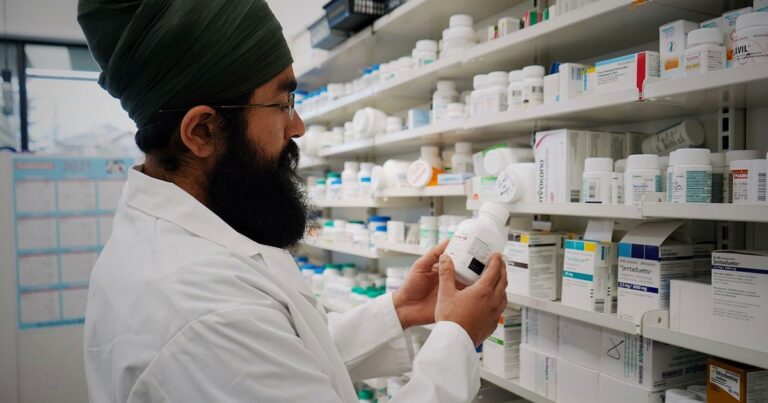
DM in Pulmonary Medicine is a three-year super-specialty postgraduate medical degree focused on the diagnosis, treatment, and prevention of diseases affecting the lungs and respiratory system. It covers a wide range of conditions, including asthma, COPD, tuberculosis, interstitial lung diseases, lung cancer, and sleep-related breathing disorders. The curriculum integrates advanced clinical training, research methodologies, and hands-on experience with sophisticated diagnostic and therapeutic procedures.
What is the Eligibility for DM in Pulmonary Medicine in India for 2026?
To be eligible for DM in Pulmonary Medicine in India for the 2026 academic session, candidates must possess a Doctor of Medicine (MD) degree in General Medicine or Tuberculosis & Respiratory Diseases (Pulmonary Medicine) from a university recognized by the National Medical Commission (NMC) of India. Additionally, candidates must have successfully cleared a national-level super-specialty entrance examination.
Educational Qualification: The Mandatory MD Degree
The primary and non-negotiable eligibility criterion is the completion of an MD degree in one of the following specialties:
- MD (General Medicine)
- MD (Tuberculosis & Respiratory Diseases), also known as MD (Pulmonary Medicine)
This degree must be obtained from an institution recognized by the National Medical Commission (NMC) and completed by the specified cut-off date for the 2026 admission cycle (typically before the counseling process begins).
Entrance Examination: The Gateway to Super-Specialty
Admission to DM in Pulmonary Medicine programs is predominantly through a national-level super-specialty entrance examination. The most prominent examination is:
- National Eligibility cum Entrance Test (NEET-SS) 2026: Conducted by the National Board of Examinations in Medical Sciences (NBEMS), NEET-SS is the single entrance examination for admission to all DM/MCh/DrNB super-specialty courses in India.
Candidates must qualify for NEET-SS 2026 by securing the prescribed minimum percentile (usually 50th percentile for General category, 45th for PwD, and 40th for SC/ST/OBC) to be eligible for counseling and admission.
Age Limit and Other Criteria
Generally, there is no upper age limit for pursuing DM in Pulmonary Medicine in India. However, some institutions (especially government-funded ones) or specific state quotas might have their own age-related guidelines, though this is rare for super-specialty courses. Key additional criteria include:
- Medical Registration: Candidates must possess a permanent or provisional registration certificate from the NMC or a State Medical Council.
- Internship Completion: While not directly an eligibility for DM, the MD degree itself requires a completed internship.
- Indian Nationality: Most seats are reserved for Indian nationals. Overseas Citizens of India (OCI) and Persons of Indian Origin (PIO) may be eligible for certain quotas. Foreign nationals typically have separate admission processes.
What is the NEET-SS 2026 Exam Pattern and Key Dates?
The NEET-SS 2026 examination will follow a specific pattern and timeline. It is crucial for aspirants to be aware of these details for effective preparation.
NEET-SS 2026 Exam Pattern Overview
The NEET-SS exam for DM in Pulmonary Medicine will consist of 100 multiple-choice questions (MCQs), divided into two parts:
- Part A (40% weightage): Questions from the feeder broad specialty (General Medicine or Pulmonary Medicine).
- Part B (60% weightage): Questions from the super-specialty (Pulmonary Medicine).
The exam duration is typically 2 hours (120 minutes). Each correct answer usually fetches 4 marks, while incorrect answers incur a negative marking of 1 mark. Unattempted questions carry no penalty.
Tentative NEET-SS 2026 Key Dates
While official dates for 2026 are yet to be announced, based on previous years, candidates can expect the following tentative timeline:
| Event | Tentative Dates (2026) |
|---|---|
| Application Form Release | July – August 2026 |
| Application Deadline | August – September 2026 |
| Admit Card Release | September 2026 |
| NEET-SS Exam Date | September – October 2026 |
| Result Declaration | October – November 2026 |
| Counseling Rounds | November 2026 – January 2027 |
Note: These dates are provisional and subject to change. Candidates are advised to regularly check the official NBEMS website for the most accurate and updated information.
How Much Does DM in Pulmonary Medicine Cost in India (2026)?
The cost of pursuing DM in Pulmonary Medicine in India varies significantly based on the type of institution – government vs. private colleges. Government colleges are substantially more affordable due to subsidies, while private institutions charge higher tuition fees.
Fee Structure: Government vs. Private Colleges
Here’s an estimated range for the annual tuition fees for DM in Pulmonary Medicine:
| Institution Type | Annual Tuition Fee Range (INR) | Additional Costs (Approx. Annual) |
|---|---|---|
| Government Colleges | ₹15,000 – ₹1,50,000 | ₹50,000 – ₹2,00,000 (Hostel, Mess, Exam Fees, etc.) |
| Private Colleges/Deemed Universities | ₹8,00,000 – ₹30,00,000+ | ₹1,00,000 – ₹5,00,000+ (Hostel, Mess, Exam Fees, etc.) |
Note: These are approximate ranges for 2026. Fees can vary based on specific college, state, and whether the seat is under management quota or government quota in private institutions. Stipends are often provided in government colleges, which can offset some living expenses.
Is DM in Pulmonary Medicine Worth It for Jobs and Salary?
Yes, DM in Pulmonary Medicine is a highly specialized and rewarding super-specialty with excellent job prospects and competitive salaries in India. The increasing prevalence of respiratory diseases, environmental factors, and lifestyle changes ensures a consistent demand for skilled pulmonologists.
Career Prospects and Roles
After completing DM in Pulmonary Medicine, graduates can pursue various roles:
- Consultant Pulmonologist: In private hospitals, corporate hospitals, or government hospitals.
- Critical Care Specialist: Managing patients in ICU with respiratory failure.
- Interventional Pulmonologist: Specializing in bronchoscopy, thoracoscopy, and other procedures.
- Sleep Medicine Specialist: Diagnosing and treating sleep-related breathing disorders.
- Academics and Research: As faculty in medical colleges or researchers in institutions.
- Private Practice: Setting up their own clinics.
Salary Expectations for Pulmonologists in India
Salaries for DM Pulmonologists are highly attractive and depend on experience, location, type of hospital, and negotiation skills.
| Experience Level | Average Annual Salary Range (INR) |
|---|---|
| Fresh DM Graduate (0-2 years) | ₹12,00,000 – ₹25,00,000 |
| Mid-Career (3-7 years) | ₹20,00,000 – ₹45,00,000 |
| Experienced/Senior Consultant (8+ years) | ₹35,00,000 – ₹80,00,000+ |
Note: These figures are indicative and can vary significantly. Pulmonologists in metropolitan cities and corporate hospitals often command higher salaries.
DM in Pulmonary Medicine vs. MD in Pulmonary Medicine: What’s the Difference?
The key difference lies in the level of specialization and depth of training. MD in Pulmonary Medicine (or Tuberculosis & Respiratory Diseases) is a broad specialty postgraduate degree, while DM in Pulmonary Medicine is a super-specialty degree that builds upon the MD, offering advanced, focused training.
Comparison Table: MD vs. DM in Pulmonary Medicine
| Feature | MD (Pulmonary Medicine/TB & RD) | DM (Pulmonary Medicine) |
|---|---|---|
| Degree Level | Postgraduate (Broad Specialty) | Post-Doctoral (Super-Specialty) |
| Prerequisite | MBBS + NEET-PG | MD (General Medicine or Pulmonary Medicine) + NEET-SS |
| Duration | 3 Years | 3 Years |
| Focus | Comprehensive training in respiratory diseases, general pulmonology. | Advanced, in-depth training in complex respiratory conditions, interventional pulmonology, critical care, sleep medicine. |
| Career Path | General Pulmonologist, Medical Officer | Consultant Pulmonologist, Super-specialist, Interventional Pulmonologist, Critical Care Pulmonologist. |
DM provides a higher level of expertise, making graduates eligible for more specialized and leadership roles in the field.
Can I pursue DM in Pulmonary Medicine after MD General Medicine?
Yes, absolutely. An MD in General Medicine is one of the primary feeder qualifications for pursuing a DM in Pulmonary Medicine. Many aspiring pulmonologists first complete their MD in General Medicine and then opt for the super-specialty DM program.
The curriculum of MD General Medicine provides a strong foundation in internal medicine, which is highly beneficial for understanding systemic diseases that often have pulmonary manifestations. This pathway is very common and well-recognized for entry into DM Pulmonary Medicine programs.
What are the Top Colleges for DM in Pulmonary Medicine in India?
Several prestigious institutions across India offer excellent DM in Pulmonary Medicine programs. Admission to these colleges is highly competitive, primarily based on NEET-SS ranks.
- All India Institute of Medical Sciences (AIIMS), New Delhi
- Postgraduate Institute of Medical Education and Research (PGIMER), Chandigarh
- Jawaharlal Institute of Postgraduate Medical Education and Research (JIPMER), Puducherry
- King George’s Medical University (KGMU), Lucknow
- Seth GS Medical College and KEM Hospital, Mumbai
- Maulana Azad Medical College (MAMC), New Delhi
- Christian Medical College (CMC), Vellore
- Sanjay Gandhi Postgraduate Institute of Medical Sciences (SGPGIMS), Lucknow
This list is not exhaustive, and many other reputable government and private medical colleges also offer quality DM programs.
Explore more on FindMyCollege
Related pages for DM in Pulmonary Medicine aspirants on findmycollege.com:
Frequently Asked Questions
Is there any direct admission for DM in Pulmonary Medicine without NEET-SS?
No, direct admission to DM in Pulmonary Medicine without qualifying NEET-SS is generally not possible for government or most private/deemed university seats. NEET-SS is the mandatory entrance exam for all super-specialty courses in India.
What is the minimum percentile required in NEET-SS for DM Pulmonary Medicine?
The minimum qualifying percentile for NEET-SS is typically 50th percentile for the General category, 45th for Persons with Disabilities (PwD), and 40th for SC/ST/OBC categories. However, securing a seat requires a much higher rank, often well above the qualifying percentile, especially in top institutions.
Can I pursue DM in Pulmonary Medicine after DNB Pulmonary Medicine?
Yes, candidates holding a DNB (Diplomate of National Board) in Pulmonary Medicine are generally eligible to appear for NEET-SS and pursue a DM in Pulmonary Medicine, provided their DNB qualification is recognized by the NMC and NBEMS as equivalent to an MD degree.
Are there any bond obligations after completing DM in Pulmonary Medicine?
Yes, many government medical colleges and some state governments impose a service bond on DM graduates, requiring them to serve in government hospitals for a specified period (e.g., 1-3 years) after course completion. Breaking the bond usually incurs a significant financial penalty.
What subjects are covered in DM Pulmonary Medicine?
The DM Pulmonary Medicine curriculum covers advanced topics such as interventional pulmonology (bronchoscopy, thoracoscopy), critical care pulmonology, sleep medicine, lung transplantation, advanced imaging in respiratory diseases, immunology of lung diseases, occupational lung diseases, and complex infectious and non-infectious respiratory conditions.
How competitive is admission to DM Pulmonary Medicine?
Admission to DM Pulmonary Medicine is highly competitive. With a limited number of seats available across India and a large pool of MD graduates aspiring for super-specialization, candidates need to achieve a very high rank in NEET-SS to secure a seat, especially in top government institutions.