Master of Prosthetics and Orthotics (MPO) Duration in India (2026)
Nishit Kumar is a senior EdTech industry leader with over a decade of experience in building and scaling education platforms, shaping their product, content, and growth strategy. At…
Latest update: Master of Prosthetics and Orthotics 2026 admissions & dates updated. Read more ›
Welcome to the comprehensive guide on the Master of Prosthetics and Orthotics (MPO) duration in India for the academic year 2026. This page is designed for prospective students and their parents, offering a deep dive into the course structure, time commitment, and what to expect from this vital paramedical stream.
Overview of Master of Prosthetics and Orthotics (MPO) Duration
The Master of Prosthetics and Orthotics (MPO) is typically a two-year postgraduate program in India. This duration is consistently observed across most recognized universities and institutions, structured into four semesters, each lasting approximately six months.
MPO is a specialized paramedical course focusing on the design, fabrication, and fitting of prosthetic (artificial limbs) and orthotic (braces and supports) devices. The curriculum is meticulously designed to equip students with advanced theoretical knowledge and practical skills required to rehabilitate individuals with musculoskeletal impairments. The two-year duration allows for extensive clinical training, research methodology, and exposure to diverse patient cases, ensuring graduates are well-prepared for professional practice.
What is the standard duration for Master of Prosthetics and Orthotics in India?
The standard duration for the Master of Prosthetics and Orthotics (MPO) program in India is two academic years. This is a full-time course, typically divided into four semesters, with each semester spanning approximately six months.
During these two years, students engage in a rigorous curriculum that includes advanced biomechanics, material science, clinical assessment, prosthetic and orthotic design principles, rehabilitation engineering, and research methodology. A significant portion of the second year is dedicated to clinical rotations, practical workshops, and a mandatory dissertation or project work, which are crucial for developing hands-on expertise. The consistent two-year duration ensures a comprehensive learning experience, aligning with international standards for postgraduate education in this field.
What is the eligibility criteria for Master of Prosthetics and Orthotics?
To be eligible for the Master of Prosthetics and Orthotics (MPO) program, candidates must generally hold a Bachelor’s degree in Prosthetics and Orthotics (BPO) or an equivalent qualification from a recognized university. A minimum aggregate score, typically ranging from 50% to 60%, is also required.
Specific eligibility criteria may vary slightly between institutions, but the core requirement is a foundational degree in the same field. Some colleges might also consider candidates with a Bachelor of Physiotherapy (BPT) or Bachelor of Occupational Therapy (BOT) if they have relevant clinical experience or have completed bridge courses, though this is less common for direct MPO admission. Entrance examinations are often mandatory, assessing knowledge in core BPO subjects. It’s crucial for aspiring students to check the specific eligibility requirements of their preferred institutions for the 2026 academic year.
Are there any part-time or distance learning options for MPO, affecting its duration?
No, there are generally no part-time or distance learning options available for the Master of Prosthetics and Orthotics (MPO) program in India due to its highly practical and clinical nature. The course demands extensive hands-on training, laboratory work, and direct patient interaction, which cannot be effectively replicated through remote learning.
The two-year duration is specifically designed for full-time, immersive study. Any deviation from this full-time, on-campus model would compromise the quality of education and the development of essential clinical competencies. Therefore, students interested in MPO must commit to the full-time, two-year residential program.
How much does Master of Prosthetics and Orthotics cost in India (2026)?
The cost of pursuing a Master of Prosthetics and Orthotics (MPO) in India varies significantly based on the type of institution (government vs. private) and its location. For the 2026 academic year, fees can range from approximately INR 50,000 to INR 3,00,000 per annum.
Government colleges typically have lower fees, making them more accessible. Private institutions, while offering state-of-the-art facilities, generally charge higher tuition. This fee range usually covers tuition, laboratory charges, and library access but may not include hostel accommodation, examination fees, or other miscellaneous expenses. Prospective students should budget for these additional costs, which can add another INR 50,000 to INR 1,50,000 annually. Scholarships and educational loans are available to help manage these expenses.
| Institution Type | Annual Fee Range (INR) | Total Course Fee (Approx. INR) |
|---|---|---|
| Government Colleges | 50,000 – 1,20,000 | 1,00,000 – 2,40,000 |
| Private Colleges | 1,50,000 – 3,00,000 | 3,00,000 – 6,00,000 |
What is the typical semester-wise breakdown of the MPO curriculum?
The MPO curriculum is typically structured into four semesters over the two-year duration, with each semester building upon the previous one to provide advanced knowledge and practical skills.
The first year (Semesters I & II) generally focuses on advanced theoretical concepts, research methodology, and foundational clinical skills. The second year (Semesters III & IV) emphasizes specialized clinical practice, advanced fabrication techniques, patient management, and culminates in a mandatory dissertation or project work. This structure ensures a progressive learning curve, moving from theoretical understanding to practical application and independent research.
| Semester | Key Subjects/Focus Areas | Duration |
|---|---|---|
| Semester I | Advanced Biomechanics, Research Methodology & Biostatistics, Advanced Prosthetics I, Advanced Orthotics I, Material Science in P&O | ~6 months |
| Semester II | Advanced Prosthetics II, Advanced Orthotics II, Rehabilitation Engineering, Clinical Assessment & Management, Elective I | ~6 months |
| Semester III | Advanced Clinical Practice (Prosthetics), Advanced Clinical Practice (Orthotics), Project/Dissertation Work, Elective II | ~6 months |
| Semester IV | Advanced Clinical Practice (Integrated), Seminar & Case Studies, Project/Dissertation Submission & Viva-Voce, Professional Ethics | ~6 months |
Is Master of Prosthetics and Orthotics worth it for jobs and career outcomes?
Yes, pursuing a Master of Prosthetics and Orthotics (MPO) is highly worth it for job prospects and career outcomes in India and globally. The demand for skilled prosthetists and orthotists is consistently growing due to an aging population, increasing incidence of chronic diseases, accidents, and congenital conditions requiring rehabilitation.
Graduates with an MPO degree are equipped with specialized skills that are critical in healthcare. They can work in various settings, including government and private hospitals, rehabilitation centers, specialized P&O clinics, academic institutions, and even in research and development for prosthetic and orthotic device manufacturers. The advanced degree opens doors to leadership roles, clinical specialization, and higher earning potential compared to a bachelor’s degree holder. The two-year duration ensures a deep level of expertise, making graduates highly sought after.
What are the typical salary expectations after completing MPO?
After completing an MPO, salary expectations in India typically range from INR 3,00,000 to INR 8,00,000 per annum for entry to mid-level positions. With experience and specialization, this can increase significantly.
Starting salaries for MPO graduates are generally higher than those with only a BPO degree. Factors influencing salary include the type of employer (government vs. private), location (metros offering higher pay), specialization, and years of experience. Those who pursue further specialization or move into research and development, or even start their own clinics, can command even higher remuneration. International opportunities also offer very competitive salary packages.
| Job Role | Average Annual Salary Range (INR) | Experience Level |
|---|---|---|
| Junior Prosthetist/Orthotist | 3,00,000 – 5,00,000 | 0-2 years |
| Senior Prosthetist/Orthotist | 5,00,000 – 8,00,000 | 3-7 years |
| Clinical Specialist/Manager | 8,00,000 – 15,00,000+ | 7+ years |
| Academician/Researcher | 4,00,000 – 10,00,000+ | Varies |
How does MPO compare to other paramedical master’s degrees in terms of duration?
The Master of Prosthetics and Orthotics (MPO) program’s two-year duration is consistent with most other specialized paramedical master’s degrees in India. This includes programs like Master of Physiotherapy (MPT), Master of Occupational Therapy (MOT), and Master of Audiology and Speech-Language Pathology (MASLP).
Most postgraduate paramedical courses are designed for a two-year period to ensure adequate depth of knowledge, extensive clinical exposure, and the completion of a research project or dissertation. This standard duration allows students to specialize thoroughly and gain the advanced competencies required for independent professional practice and leadership roles in their respective fields.
Explore more on FindMyCollege
Related pages for Master of Prosthetics and Orthotics aspirants on findmycollege.com:
Frequently Asked Questions
What is the admission process for MPO in 2026?
The admission process for MPO in 2026 typically involves applying to individual colleges or through state/national entrance exams. Candidates usually need to submit their BPO degree transcripts, appear for an entrance test (e.g., AIIPMR, JIPMER, or university-specific exams), followed by an interview and/or counseling session. Key dates for applications and exams are usually announced in late 2025 or early 2026.
Are there any entrance exams for MPO in India?
Yes, many prominent institutions and universities conduct their own entrance examinations for MPO admissions. Some common entrance exams or institutions that may have specific tests include AIIPMR (All India Institute of Physical Medicine and Rehabilitation), JIPMER, and various state-level common entrance tests for paramedical postgraduate courses. These exams typically test knowledge from the BPO curriculum.
Can I pursue MPO after a Bachelor of Physiotherapy (BPT) or Occupational Therapy (BOT)?
While a BPO is the preferred and most common prerequisite, some institutions might consider BPT or BOT graduates if they have significant relevant clinical experience or have completed specific bridge courses. However, direct admission is rare, and candidates might need to fulfill additional academic requirements. It’s essential to check with the specific university’s admission department.
What are the career growth opportunities after MPO?
After MPO, career growth opportunities are excellent. Graduates can advance to roles such as Senior Prosthetist/Orthotist, Clinical Manager, Department Head, Consultant, Researcher, or Academician. They can also specialize in areas like pediatric prosthetics, sports orthotics, or advanced biomechanics, or even start their own private practice or manufacturing unit.
What is the scope of MPO outside India?
The scope of MPO outside India is significant. Many countries, particularly in North America, Europe, and Australia, have a high demand for qualified prosthetists and orthotists. An MPO degree from a recognized Indian institution is often well-regarded, though graduates may need to clear local licensing exams or fulfill specific registration requirements in the destination country.
Are there any scholarships available for MPO students?
Yes, various scholarships are available for MPO students. These can be offered by government bodies (e.g., Ministry of Social Justice and Empowerment), private foundations, NGOs, or the institutions themselves. Eligibility often depends on academic merit, financial need, or specific categories (e.g., for students with disabilities). Students should actively research and apply for relevant scholarships.
What is the difference between a Prosthetist and an Orthotist?
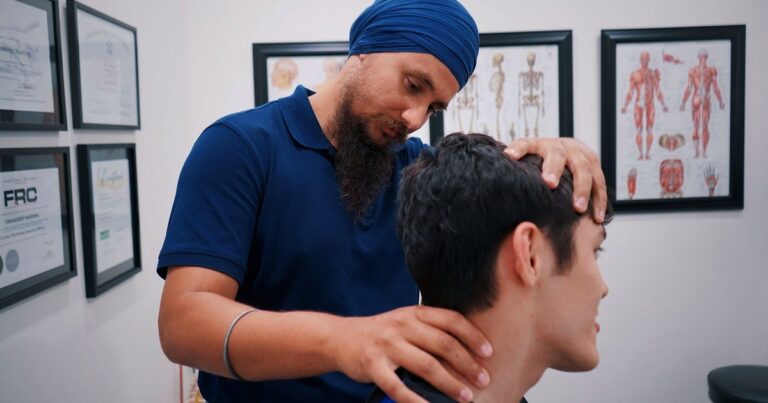
A Prosthetist specializes in the design, fabrication, and fitting of artificial limbs (prostheses) for individuals who have lost a limb. An Orthotist specializes in the design, fabrication, and fitting of braces and supports (orthoses) to enhance function, reduce pain, or prevent deformity in individuals with musculoskeletal conditions. MPO graduates are typically trained in both disciplines.
What kind of practical training is involved in MPO?
MPO involves extensive practical training, including hands-on workshops for fabricating prosthetic and orthotic devices, clinical rotations in hospitals and rehabilitation centers, patient assessment and measurement, gait analysis, and fitting and alignment procedures. Students also participate in case discussions, seminars, and a mandatory research project or dissertation, which often includes practical data collection and analysis.